

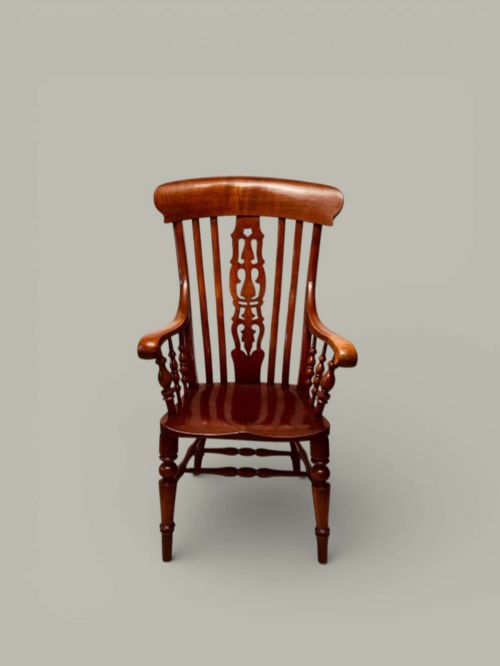
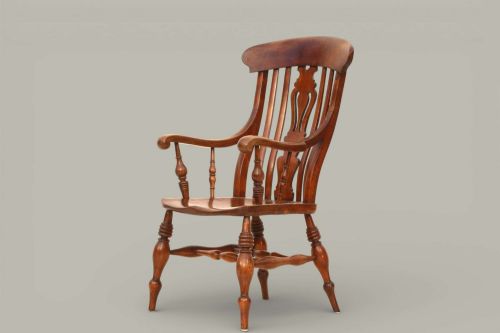
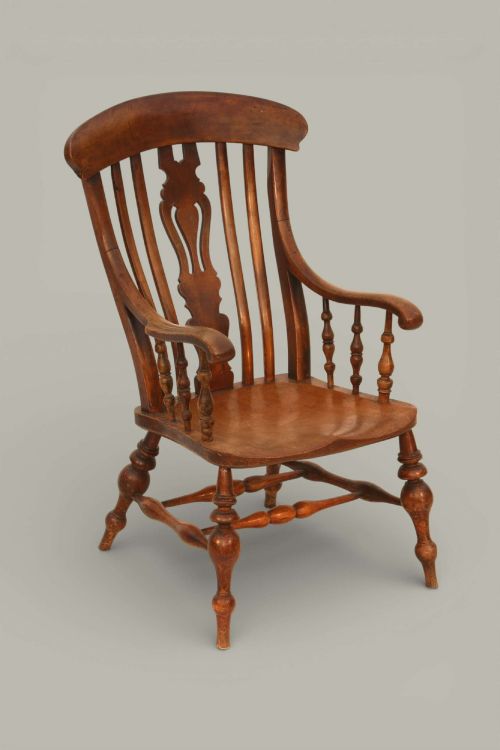
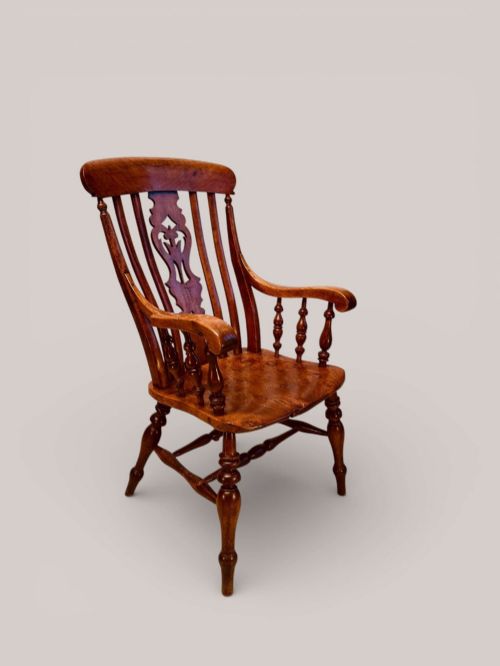
Victorian Wooden Carver Chair
A victorian wooden carver chair brings substantial timber frames and generous elbow room to the table, offering sturdy seating built to endure.
Victorian Wooden Carver Chair
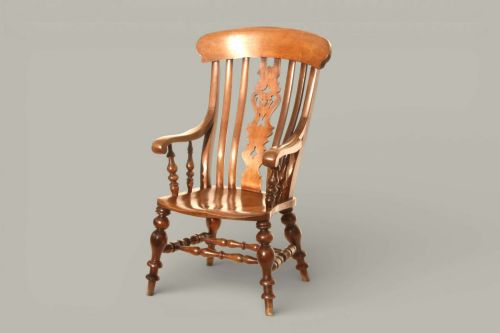
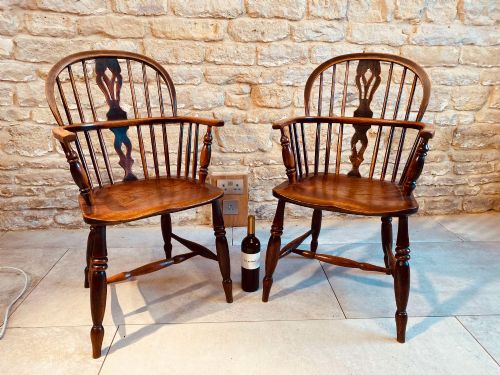
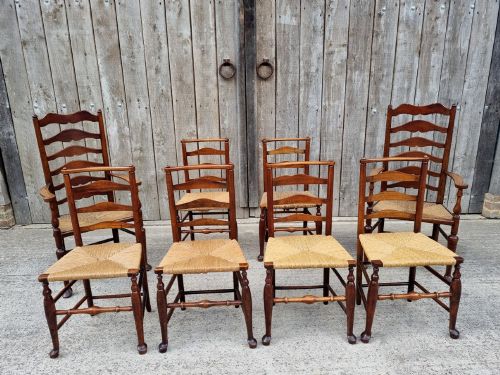
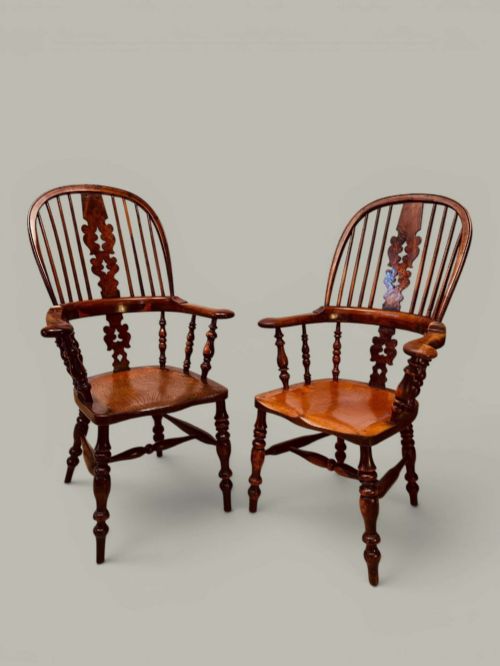
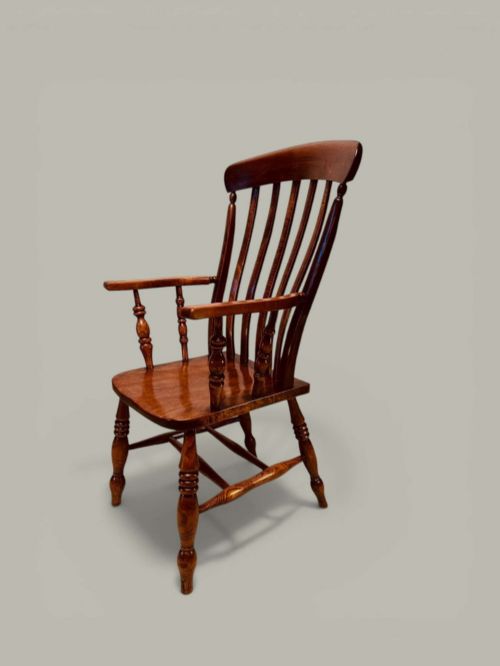
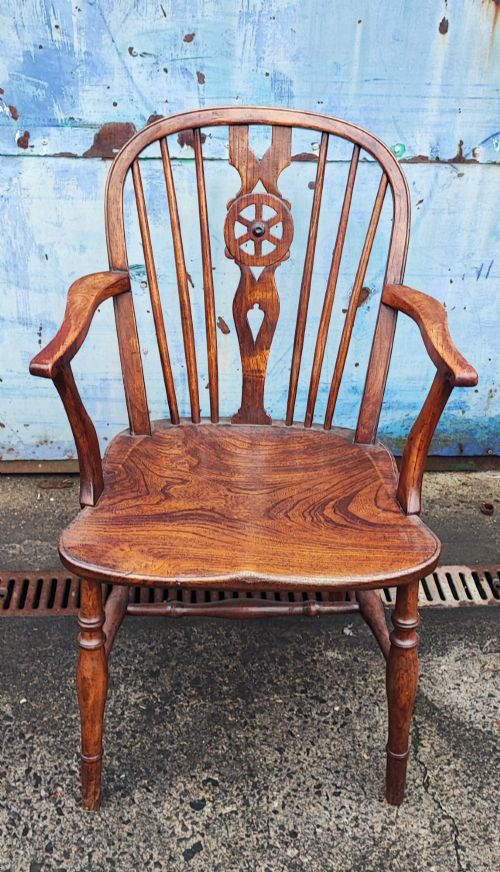
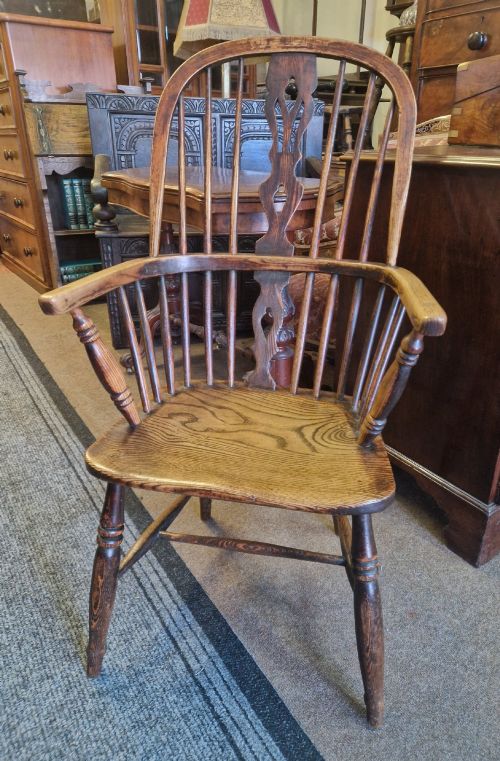
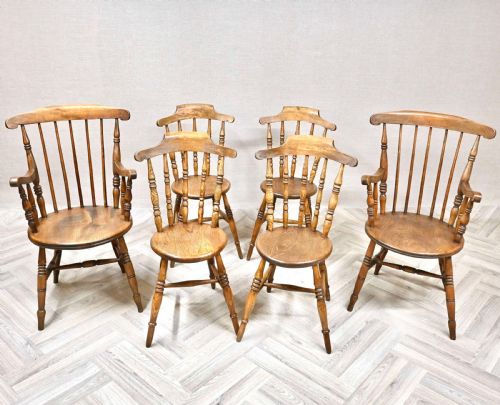
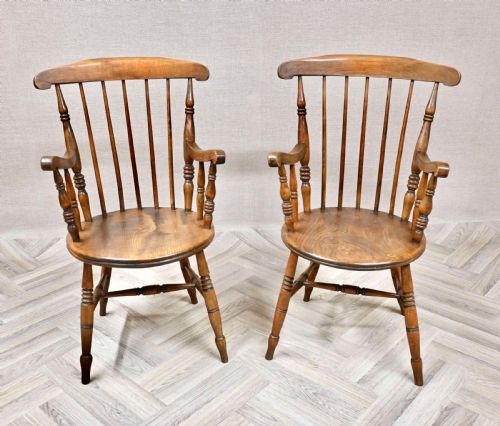
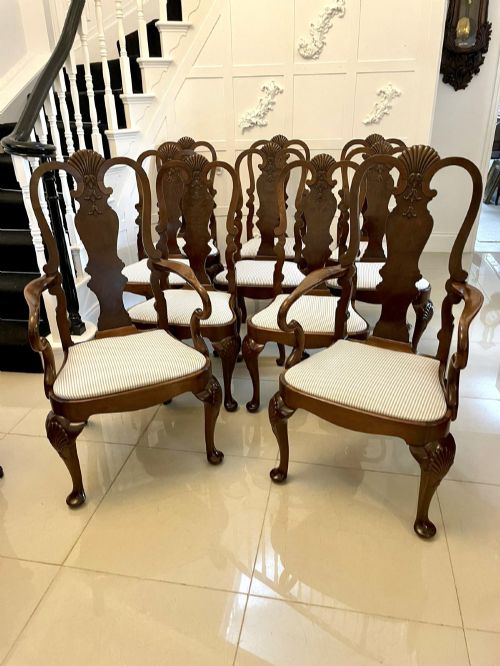
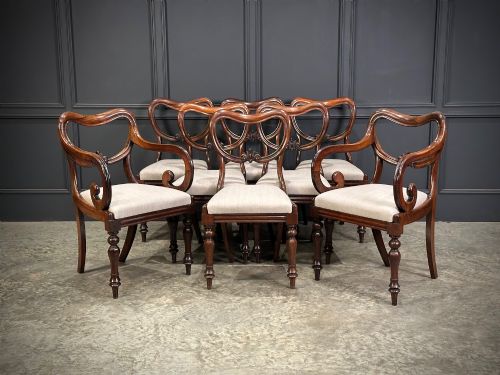
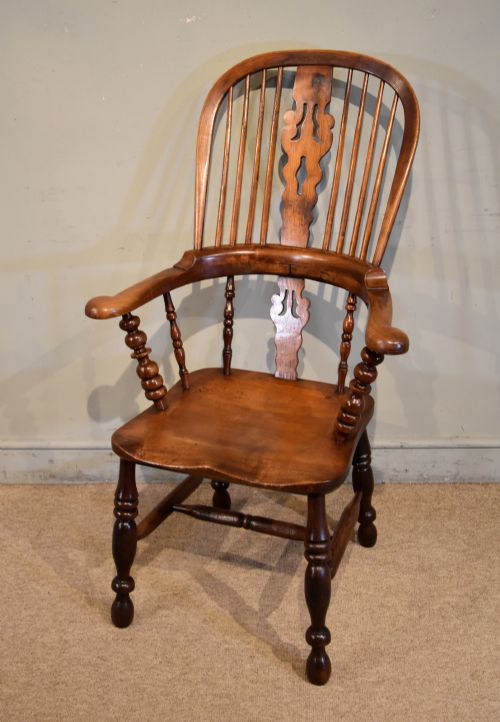
A victorian wooden carver chair appears on this page in numerous guises, dominated by Windsor armchairs, farmhouse kitchen seats, and mahogany revival dining chairs. Buyers seeking this phrase encounter sturdy timber frames designed with armrests for the head of a table or a parlour corner.
The selection ranges from country vernacular stick-back and bar-back designs in elm, ash, and beech to formal mahogany styles drawing on Chippendale and Hepplewhite revivals. Regional variations such as Thames Valley Oxford chairs and Lincolnshire Windsors appear alongside Arts and Crafts iterations.
Most pieces date across the nineteenth century, spanning low-back and high-back formats intended for practical domestic use. Whether constructed as part of a larger dining set or as a singular Windsor elbow chair, each item prioritises wooden framing and functional form.
How they were made
Maker workshops utilised native hardwoods like elm, ash, beech, and oak for Windsor and country vernacular frames, often combining bentwood components with turned spindles and solid saddle seats. Mahogany and walnut appeared more frequently in formal dining carvers, shaped with carved splats, scroll arms, and upholstered leather or fabric pads.
Construction relied on traditional joinery methods, securing stick backs, arm supports, and legs through wedged tenons and turned joints designed to withstand heavy daily wear. Surface finishes ranged from natural waxed timber grains to original polished patinas acquired through generations of domestic use.
Victorian Wooden Carver Chair Retail Price Guide 2026
Typical asking prices for victorian wooden carver chair among the pieces listed under this phrase on Sellingantiques today, from the lower quarter to the upper quarter. They describe what is for sale here now, not the wider market.
Several kitchen carvers bear the faint indentations of nineteenth-century elbows polished smooth by decades of purposeful leaning.
What varies in quality
The distinction between ordinary utility seating and superior examples rests upon the selection of timber and the crispness of the turning and carving. Dense grain patterns in elm seats and finely sculpted arm scrolls separate workshop masterpieces from standard farmhouse output.
Structural integrity and the survival of original finishes dictate the standing of each piece, where untouched surfaces and tight, uncompromised joinery preserve the authentic character of the period.
Philip Clissett·Howard and Sons·E W Godwin
The Victorian Wooden Carver Chair Glossary
- Carver chair
- An armchair designed to match a set of dining chairs, traditionally placed at the head of the table. These seats feature supportive arms to accommodate the principal diner.
- Windsor chair
- A wooden chair constructed with a solid sculpted seat into which the legs and back stick are independently fitted. Regional variations often display distinct comb-backs, hoop-backs, or bar-backs.
- Stick back
- A chair back formed of multiple turned vertical spindles inserted directly into the seat. This method provided resilient support while economising on materials.
- Vernacular furniture
- Domestic pieces made by regional craftsmen using local traditions rather than strict metropolitan pattern books. These objects emphasise utility and regional timber supplies.
- Hepplewhite style
- A late eighteenth-century furniture design revived during the Victorian era, characterised by shield-back frames and tapered legs. Carvers in this style often incorporate delicate carved detail upon mahogany.
Victorian Wooden Carver Chair: Frequently Asked Questions
What is a carver chair?
A carver chair is an armchair traditionally designed to match a set of dining chairs, featuring supportive armrests for the ends of a dining table. These pieces offer a wider frame than standard side chairs.
In period settings, they served both functional dining roles and as occasional seating in parlours and morning rooms.
How do I identify a Windsor chair?
A Windsor chair is distinguished by its solid wooden seat into which the legs, back spindles, and arm bow are wedged directly. They rely on turned wooden components rather than an upholstered frame.
Regional types often exhibit specific back designs, such as pierced splats or central bars.
Where were these chairs placed?
Victorian carver chairs served primarily at the head and foot of dining tables or beside desks and fireplaces in morning rooms and studies. Their robust construction suited heavy daily use in kitchens and farmhouses.
In modern interiors, they function well as standalone statement seating or desk chairs.