





Victorian Walnut Clock
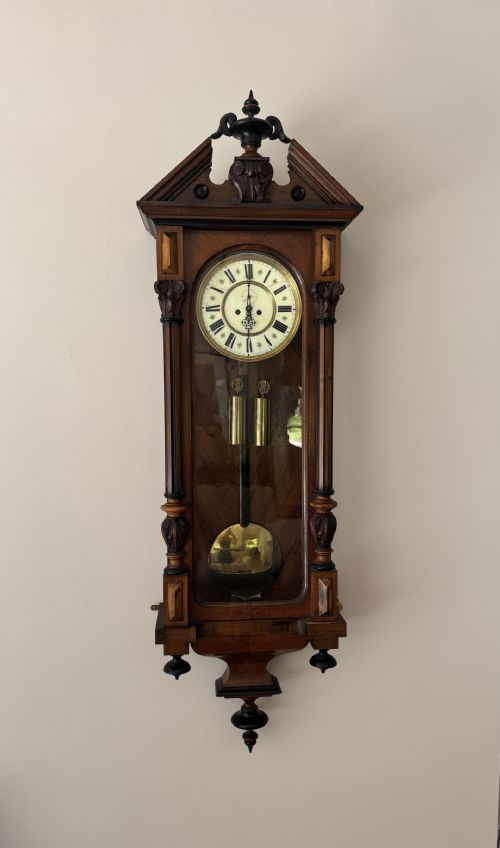
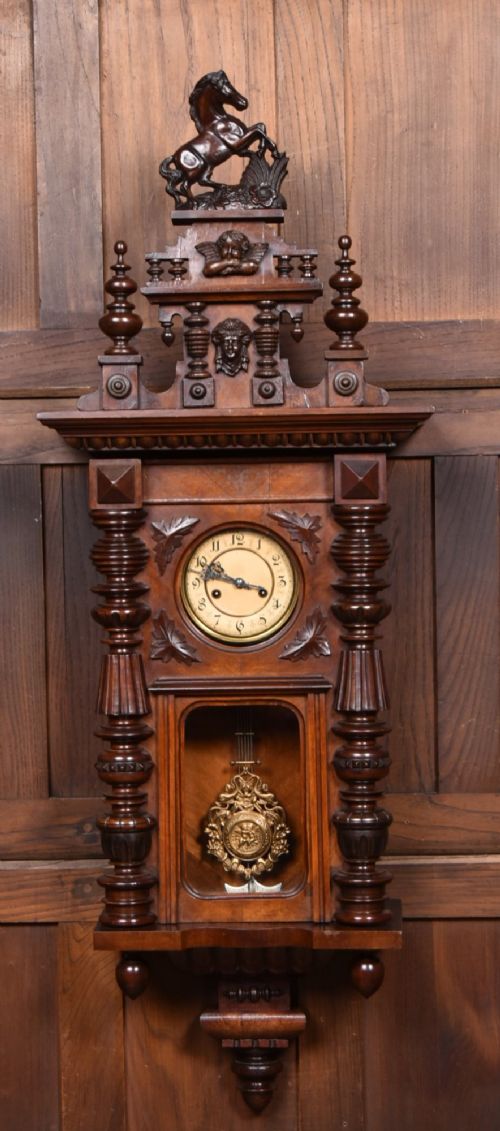
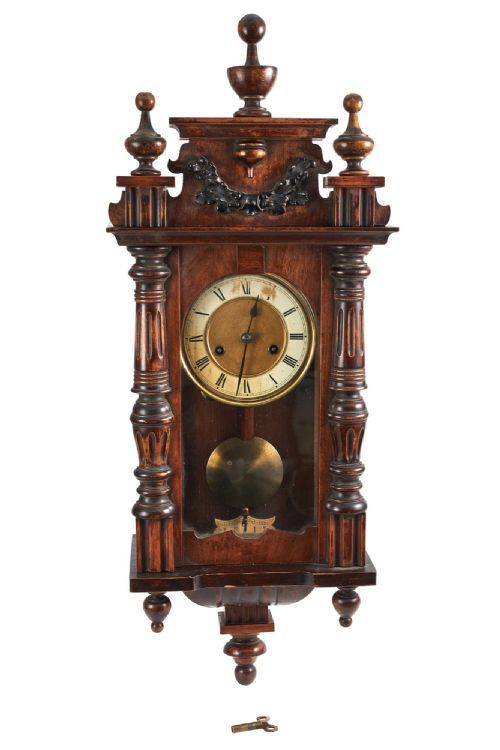
A victorian walnut clock brings rich timber grain and precise nineteenth-century mechanics into a room, offering both reliable timekeeping and period presence.
Victorian Walnut Clock
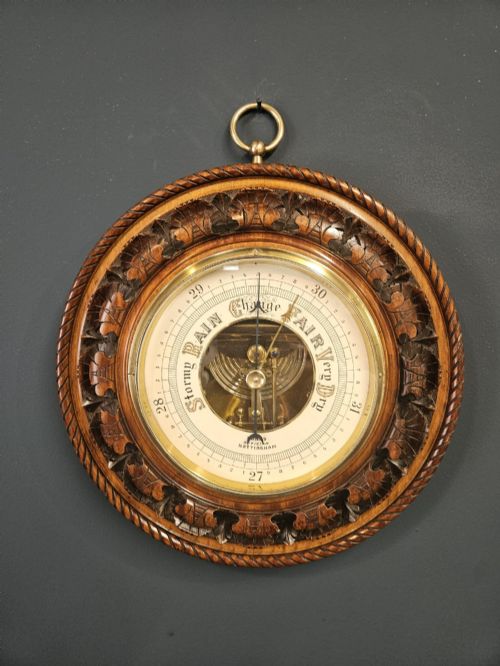
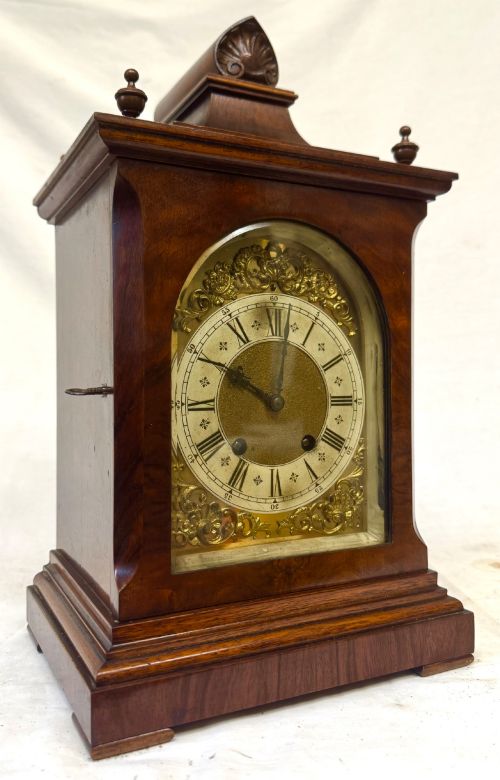
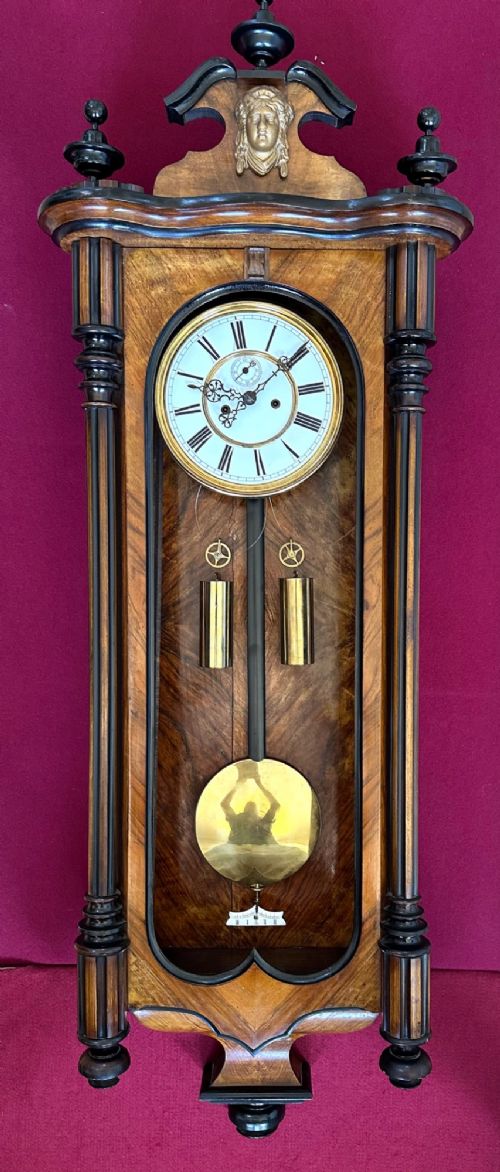
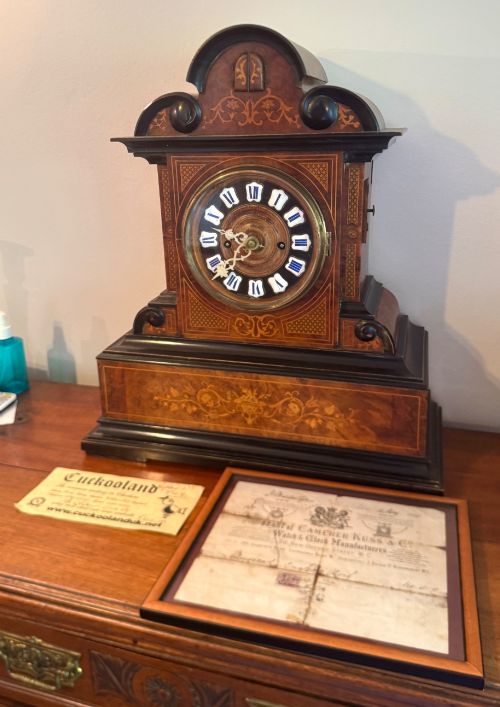
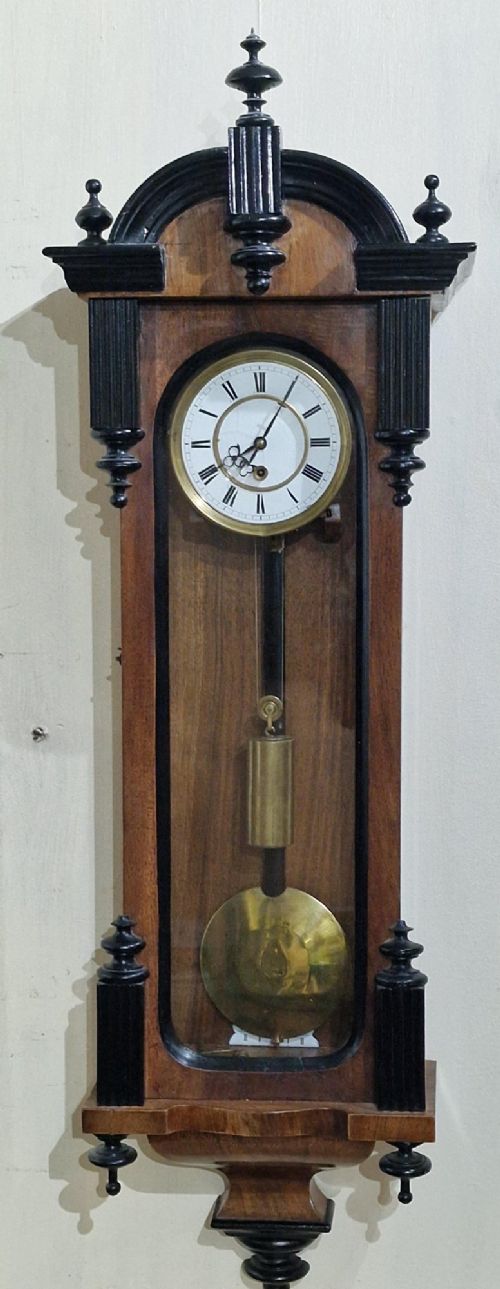
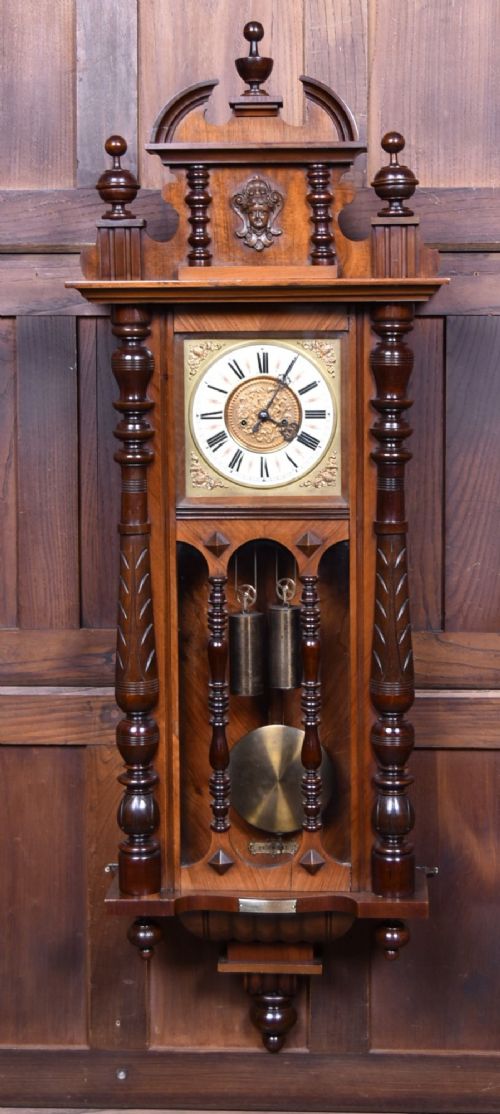
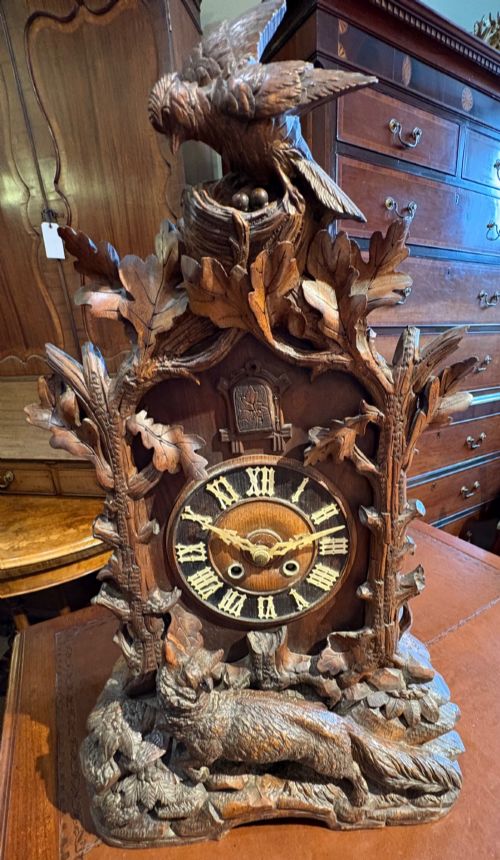
A victorian walnut clock spans wall-hanging regulators, bracket designs for mantel placement, and drop-dial office pieces produced across the nineteenth century. The most frequent encounters on this page are Vienna wall regulators and carved wooden cuckoo or bracket clocks.
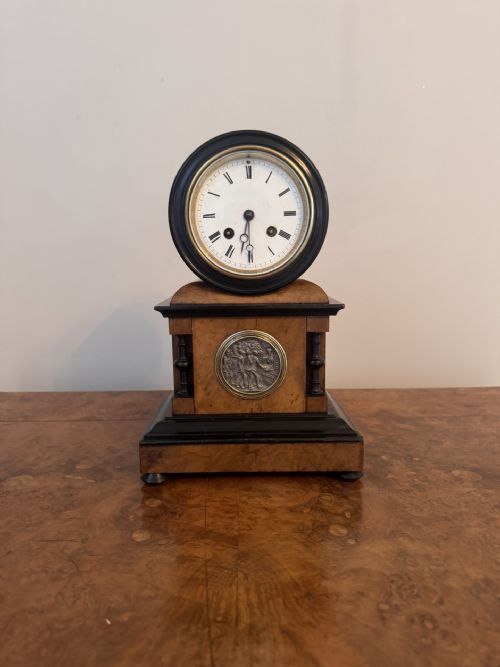
Cases appear in both plain timber and figured burr veneers, often accented with ebonised details or marquetry inlay. Dials range from white enamel to brass with Roman numerals, protected behind bevelled glass panes.
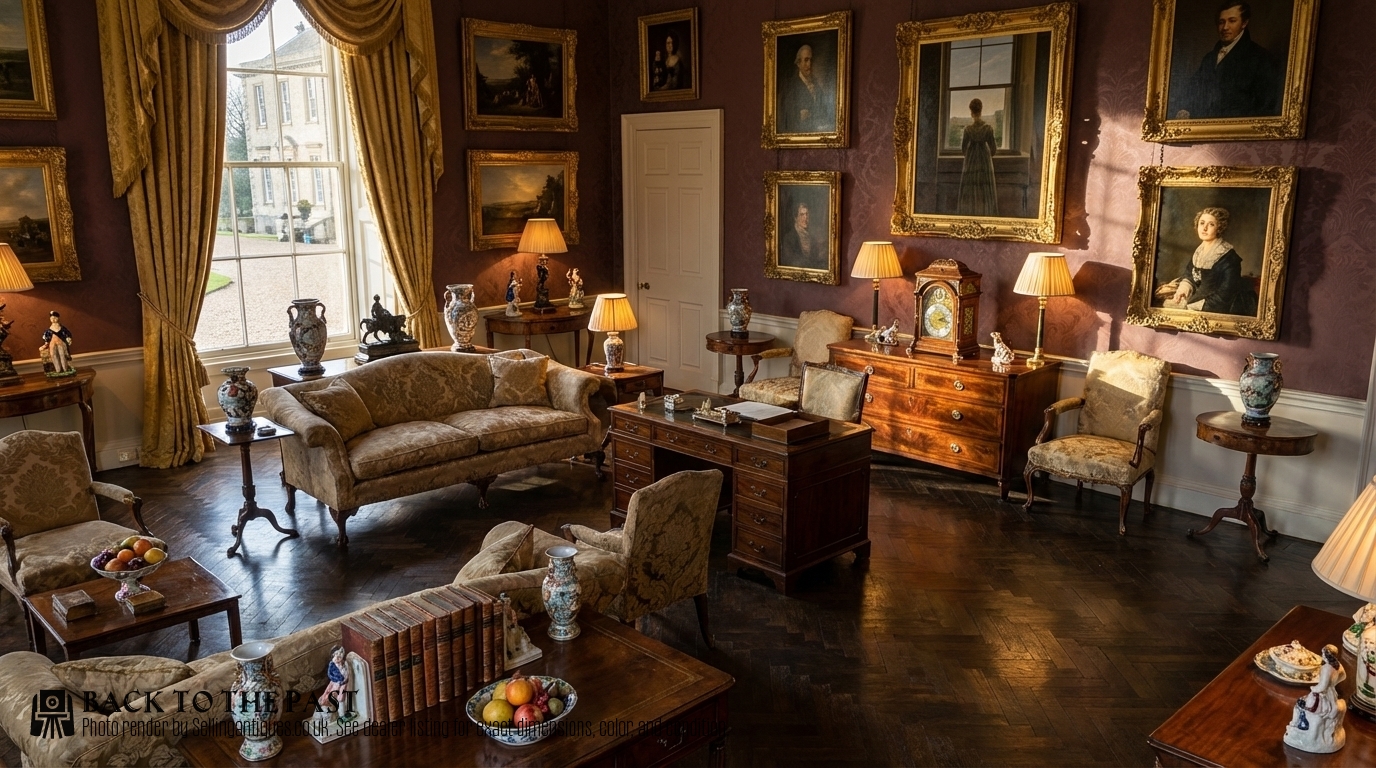
Origins stretch across British workshops as well as continental centres in Germany, Austria, and the Black Forest. These timepieces served domestic sitting rooms, grand libraries, and hallways alike.
Materials and construction
Cabinet makers utilised solid walnut frames and applied thin slices of burr walnut veneer to display symmetrical grain patterns. Ebonised wood often provided dark contrast for mouldings and carved architectural elements.
Movements relied on brass gear trains, driven either by hanging weights or internal springs. Dials incorporated painted enamel on copper disks or engraved brass centres with distinct chapter rings.
Several clocks include tiny carved wooden birds that emerge to announce the hour with surprising enthusiasm.
Judging execution and finish
The standard of a piece rests in the depth of hand-carving and the choice of timber veneer. Superior examples display carefully matched burr walnut patterns across the entire case front rather than plain timber.
Movement finishing dictates the tier of the clock, where signed plates from notable makers and heavier brass weight-driven systems indicate higher workshop standards.
H.A.C.·Lenzkirch·Connell of London·Gustav Becker·Johann Baptist Beha
The Victorian Walnut Clock Glossary
- Vienna Regulator
- A weight-driven precision wall clock developed in Austria, known for long pendulums and clean architectural cases. These movements prioritise accurate timekeeping through meticulous gear cutting.
- Fusee movement
- A conical pulley mechanism that equalises the declining power of a mainspring as it unwinds. This ensures consistent force reaches the escapement throughout the running cycle.
- Burr walnut
- A prized timber harvested from tree growths that produces intricate, swirling grain patterns. Cabinet makers sliced this wood into thin veneers for decorative furniture panels.
- Ebonised wood
- Timber treated with chemical stains or dark paint to imitate genuine ebony. Victorian makers applied this finish to mouldings and decorative highlights.
- Bracket clock
- A portable timekeeper designed to sit on a shelf, bracket, or mantelpiece. Many include striking mechanisms that sound the hours and quarters.
Victorian Walnut Clock: Frequently Asked Questions
How do weight-driven clocks work?
Weight-driven movements rely on gravity pulling down cast brass weights suspended by cords or chains. As the weights descend, they turn the gear train that moves the hands.
Rewinding involves pulling the chains or using a key to raise the weights back to the top of the case.
Where should I hang a wall regulator?
Hang wall regulators on sturdy interior masonry or partition walls away from direct sunlight and heavy vibrations. A stable surface keeps the pendulum swinging evenly.
Ensure the case hangs completely plumb so the tick remains regular and the movement does not stall.
What is a fusee movement?
A fusee movement uses a conical pulley attached to a cord connected to the mainspring barrel. This clever shape compensates for the loss of spring tension as the clock runs down.
This steady delivery of power improves the timekeeping consistency of spring-driven clocks.
How do I date these clocks?
Dating relies on stylistic clues, case construction methods, and maker signatures stamped on the back plates. Victorian pieces often combine Gothic or Rococo revival motifs with machine-cut brass gears.
Archival records and serial numbers associated with specific makers help narrow down production decades.