




French Style Bracket Clock
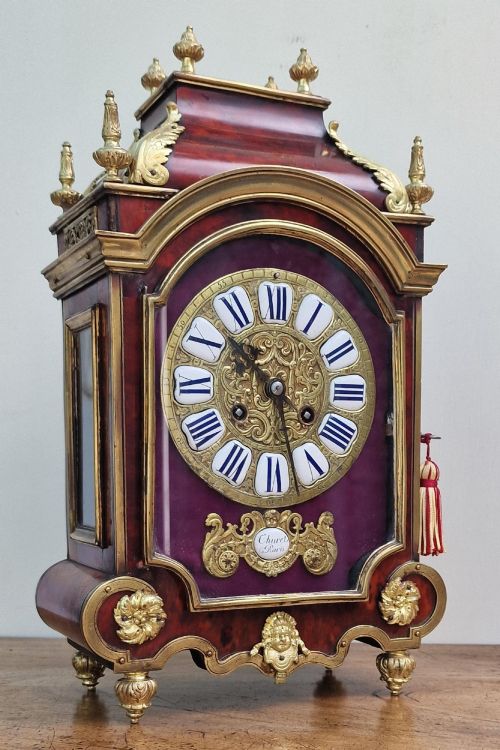
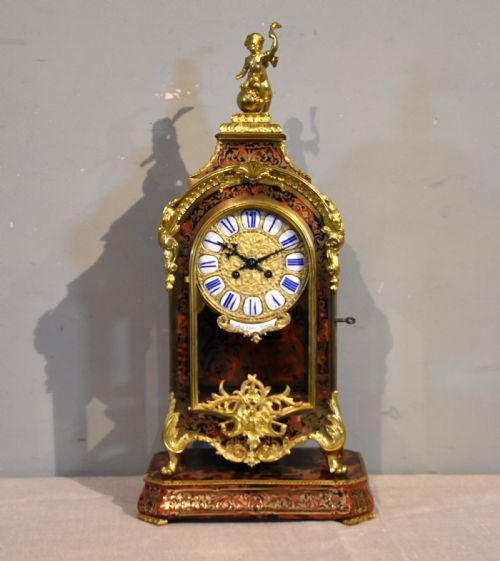
These french style bracket clock pieces combine architectural presence with elaborate gilt metal mounts, offering an imposing centrepiece for a mantel or wall.
French Style Bracket Clock
When searching for a french style bracket clock, a buyer encounters domestic timepieces that reflect historical design movements from the seventeenth century onwards. These objects manifest primarily as mantel clocks, wall clocks, and occasional bracket clocks complete with matching wall brackets.
The specimens seen here date predominantly from the nineteenth century, including Victorian examples and items from the Belle Epoque period. Makers and styles span Louis XIV, Louis XV, Louis XVI, and French Rococo revivals, alongside Empire and Chinoiserie interpretations.
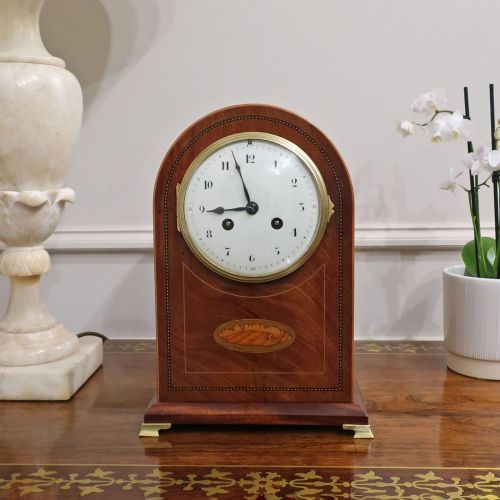
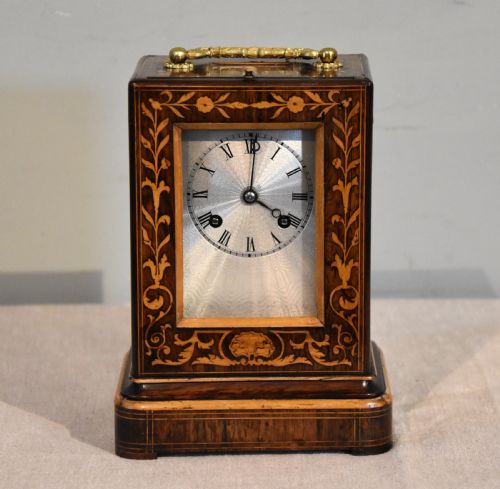
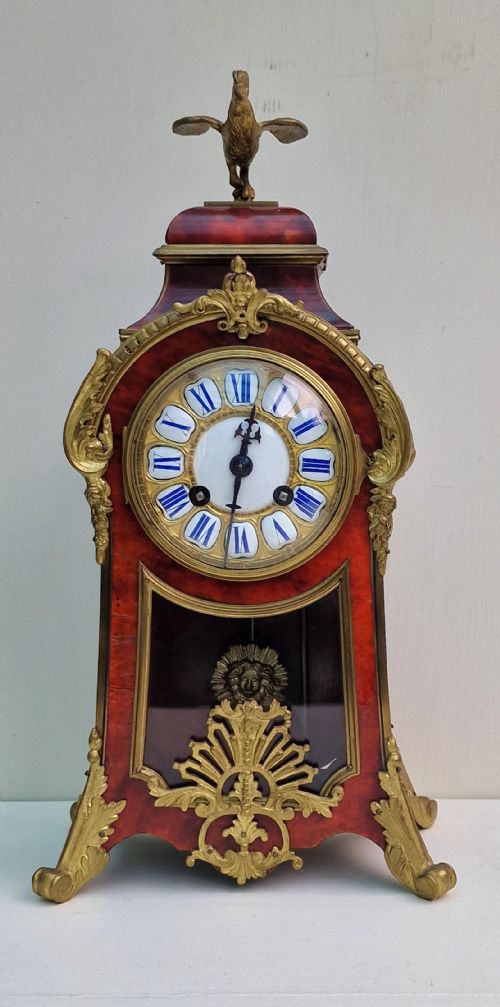
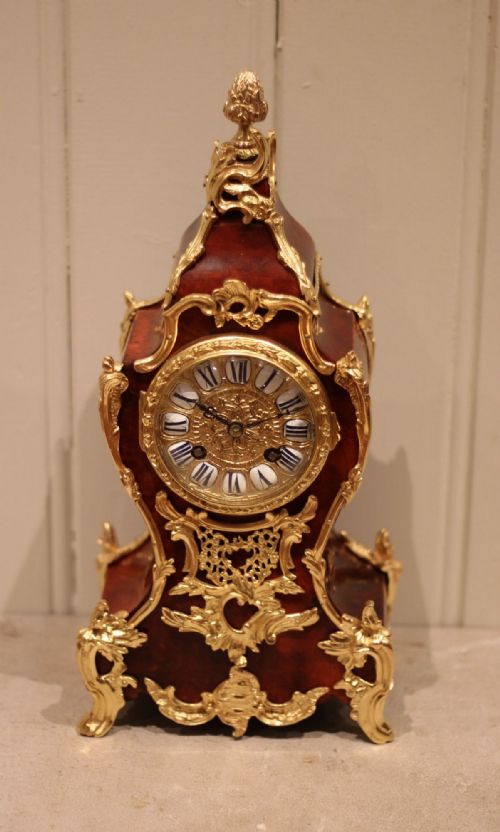
Tortoiseshell, mahogany, rosewood, and walnut form the primary wooden carcasses, frequently paired with elaborate metal casework. Enamel dials feature prominently across the selection, indicating the time through eight-day and quarter-striking movements.
How They Were Made
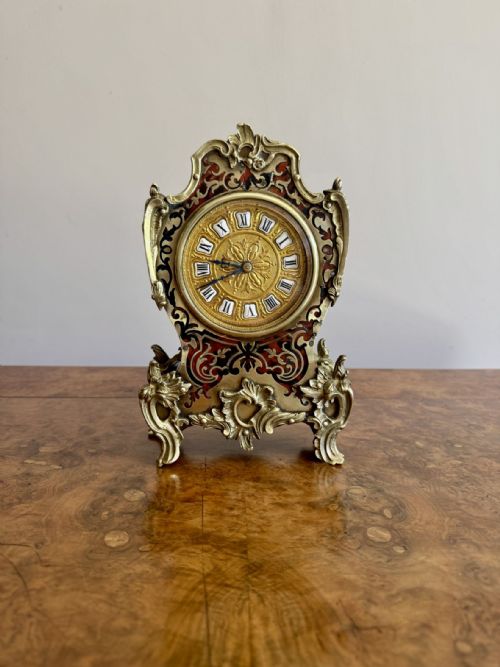
Casework relies heavily on traditional cabinetry techniques applied to timbers such as mahogany, walnut, and rosewood, alongside intricate Boulle marquetry involving tortoiseshell and brass inlay. Ormolu and gilt bronze mounts are cast, chased, and applied to embellish the wooden structures with scrollwork and figures.
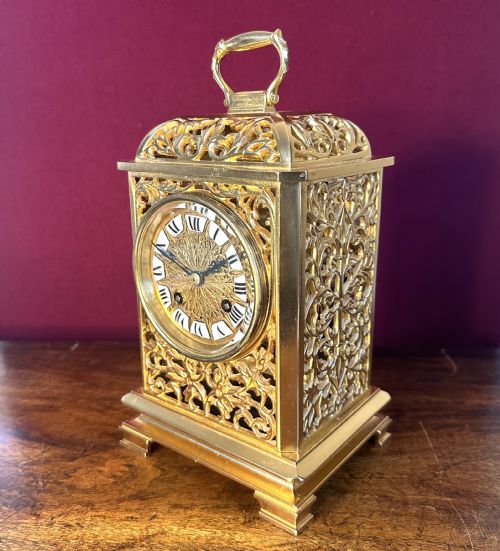
Dials incorporate white enamel cartouches or plates, often with individual painted numerals, protected behind bevelled glass within brass bezels. Movements are housed within these protective enclosures, utilising mechanisms ranging from standard eight-day trains to pinwheel escapements.
Current listings feature tortoiseshell, mahogany, walnut, and rosewood paired with ormolu and gilt bronze.
What Varies in Quality
The refinement of the cast ormolu and gilt bronze mounts dictates much of the visual standard, separating sharp, hand-chased ornamentation from softer, secondary casting. Similarly, the execution of Boullework, involving precise cutting and fitting of tortoiseshell and brass inlay, marks the distinction between standard production and superior craftsmanship.
The integration of the movement with the signature of a known maker adds significant weight to an example. Consistency between the elegance of the external wooden or bronze architecture and the mechanical complexity inside defines the upper tier of these timepieces.
Thuret·Leon Message·Jollet et Cie·Samuel Marti·Lenzkirch·Valiant Paris·Hay London
The French Style Bracket Clock Glossary
- Boulle
- A form of marquetry using brass and tortoiseshell inlay developed in France and popularised during the reign of Louis XIV. This technique creates a rich, patterned surface across the clock case.
- Ormolu
- Gilded bronze applied to the exterior of clock cases for decorative effect. The process involves creating a mercury amalgam and heating it to leave a gold layer on the bronze base.
- Escapement
- The internal mechanism that controls the release of the gear train to drive the pendulum or balance wheel. Pinwheel escapements are among the variations found in these movements.
- Bracket Clock
- A portable clock originally designed to sit on a wall bracket or table. Many examples include a matching wooden bracket for mounting.
- Belle Epoque
- A period of French cultural and artistic production spanning the late nineteenth and early twentieth centuries. Pieces from this era often revive earlier Louis styles with refined decorative touches.
French Style Bracket Clock: Frequently Asked Questions
What is a french style bracket clock?
These timepieces are decorative domestic clocks influenced by historical French design periods such as Louis XIV and Rococo. They typically feature ornate metal mounts and wooden or tortoiseshell casework.
Such pieces function as both functional timekeepers and sculptural elements for interiors. Their designs range from elaborate table models to wall-mounted variants with matching brackets.
How do I identify the period?
Dating relies on stylistic clues such as the presence of Belle Epoque refinements or nineteenth-century revival motifs. Materials like tortoiseshell, mahogany, and gilt bronze appear frequently across Victorian and later nineteenth-century items.
Makers' signatures inscribed on the dials or movements provide definitive attribution. Comparing the decorative vocabulary to known historical reigns helps narrow the production era.
How were these clocks used?
They served as prominent household timekeepers placed on mantels, tables, or dedicated wall brackets in main reception rooms. Their striking mechanisms announced the hours and quarters for the household.
Beyond utility, they functioned as displays of status and taste. Wealthy owners positioned them to complement interior decorative schemes.
How do I live with a mechanical clock?
Living with these mechanisms involves regular winding using a dedicated key to maintain tension in the spring or weight drives. Placing the clock on a stable, level surface ensures the pendulum beats evenly.
Routine maintenance by a professional horologist keeps the gear trains and escapements functioning properly. Avoiding extreme temperature fluctuations protects the wood and tortoiseshell casework.