

Victorian Wall Panels
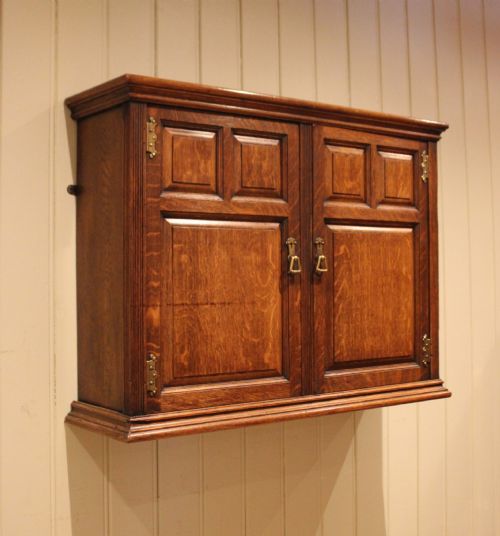
Victorian wall panels comprise diverse carved wood, framed textiles, mirrors and painted plaques spanning the nineteenth century.
Victorian Wall Panels
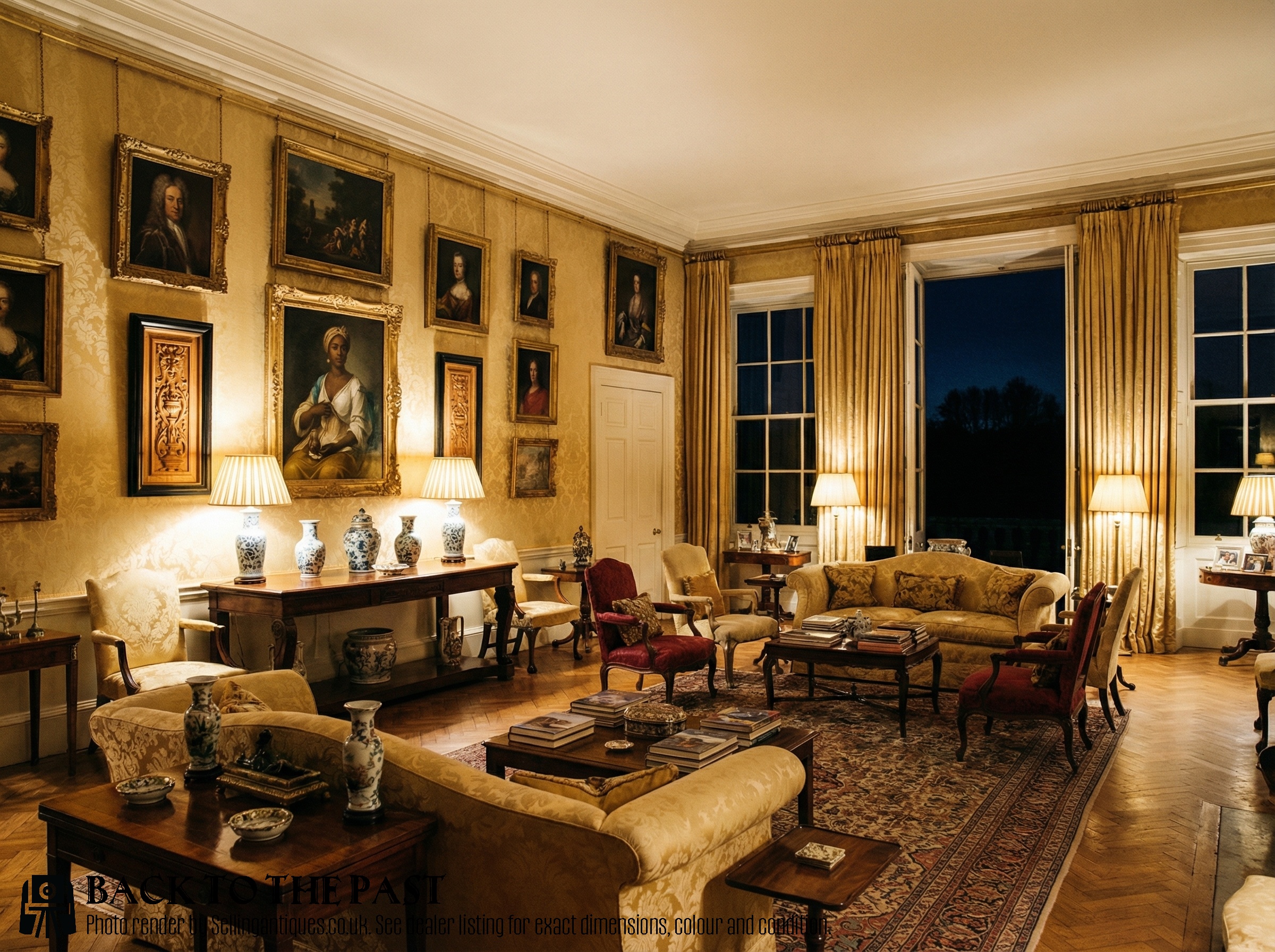
Victorian wall panels encompass a wide range of decorative objects designed to be hung or mounted, including carved architectural fragments, painted wooden boards, and framed textile works. These items bridge domestic decoration and structural salvage, reflecting the varied tastes of the nineteenth century.
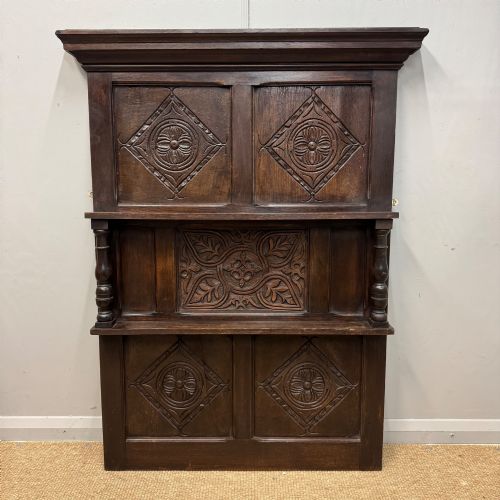
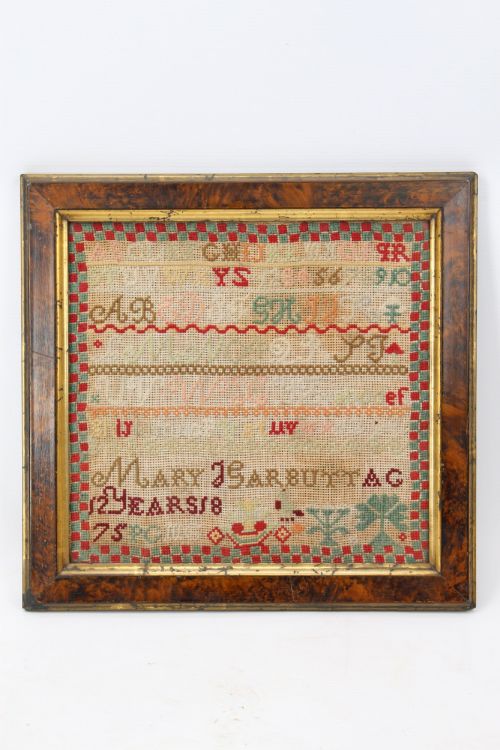
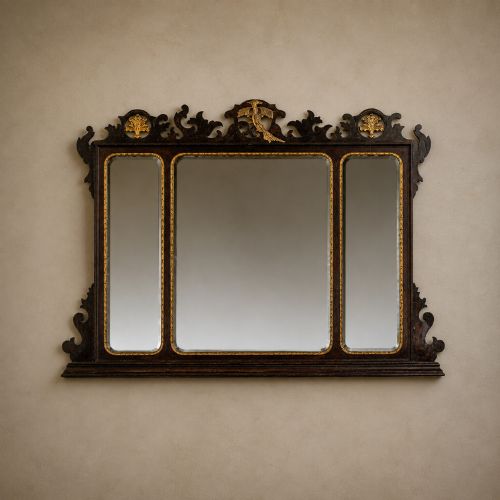
On this page, buyers frequently encounter oak overmantel panels, needlework samplers, and framed silk or wool embroideries. Styles span Gothic Revival, Chippendale Revival, and Folk Art, demonstrating the eclectic decorative vocabulary of the period.
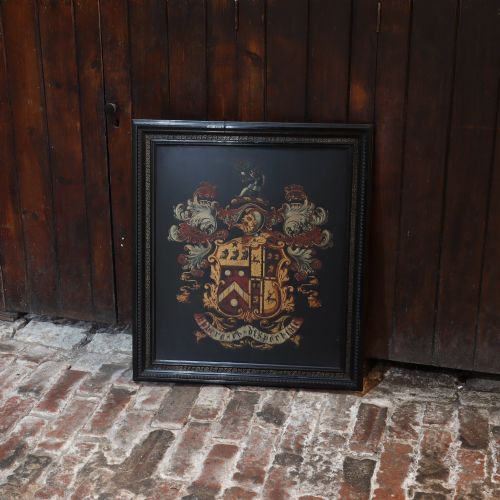
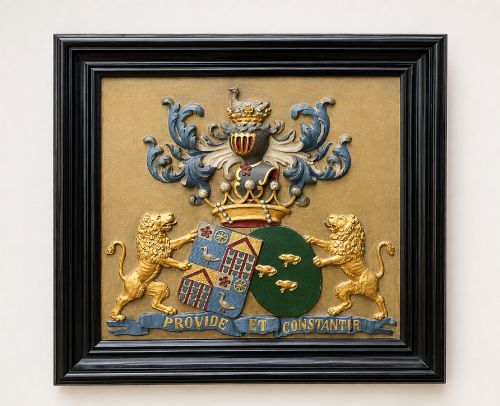
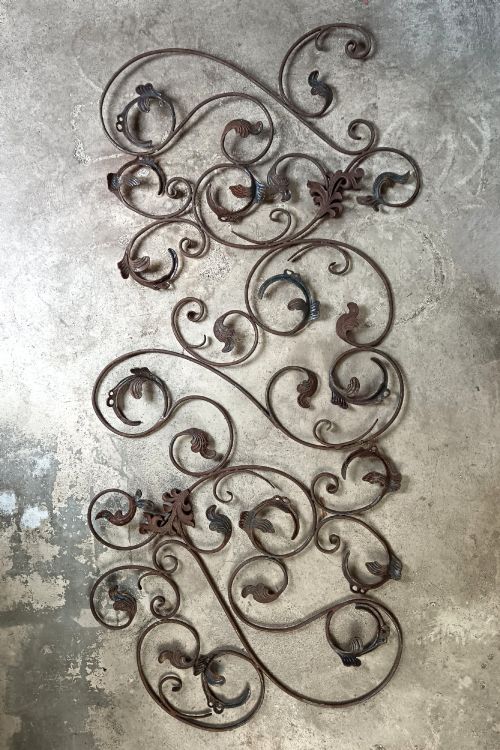
Origins vary from English country houses to continental workshops, taking the form of wall mirrors, heraldic plaques, and architectural scroll panels. Each piece serves as a focal point, bringing nineteenth-century craftsmanship directly onto the wall.
How they were made
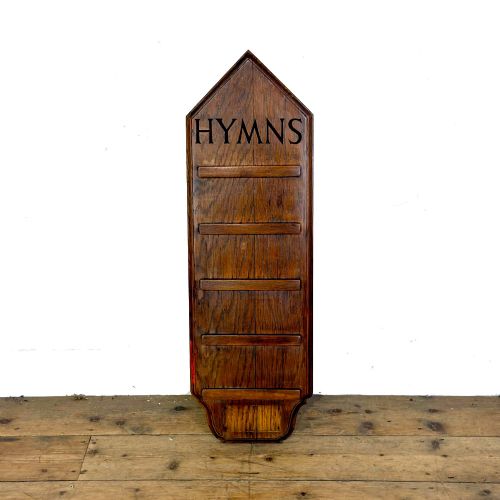
Makers utilised solid timbers such as oak, mahogany, fruitwood, and burr maple, often shaping them through detailed hand carving. Architectural elements and frames frequently incorporate gesso, giltwood, and wrought iron to achieve decorative relief.
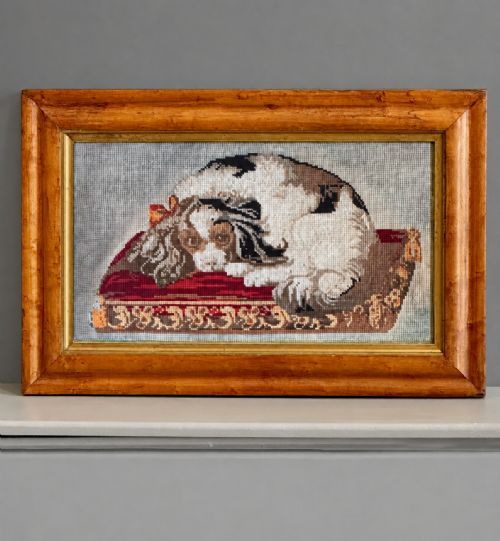
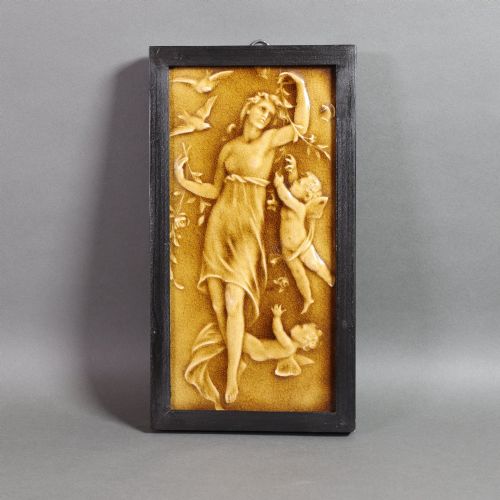
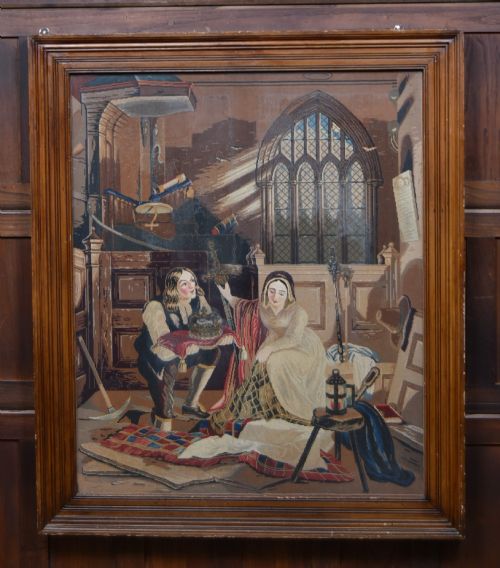
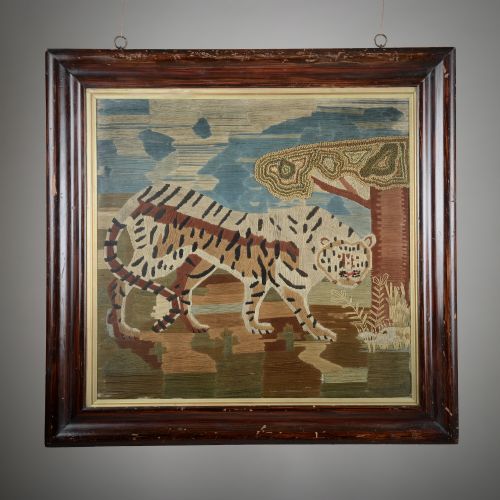
Textile panels rely on meticulous needlework, Berlin wool work, and silk embroidery executed on linen or wool grounds. Painted works employ oil on wood panels, porcelain plaques, and blockprinted fabrics framed in period timber.
The listings here feature woodwork, textiles, and giltwood from the nineteenth century, including oak, silk, and iron.
What varies in quality
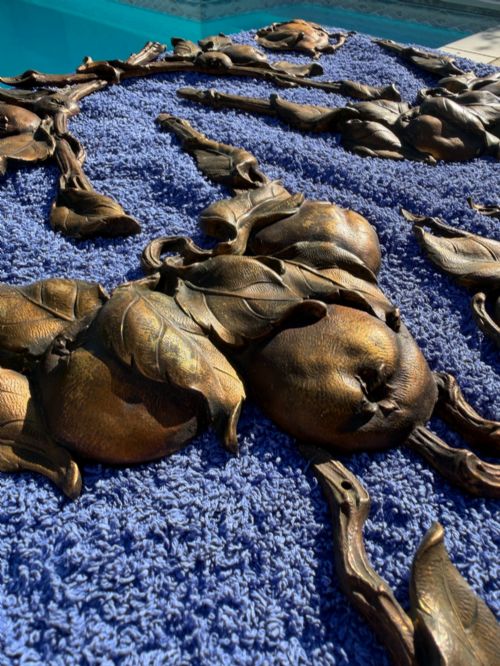
The degree of refinement in carved detail dictates the standing of wooden panels, distinguishing deeply articulated fruitwood trophy carvings and heraldic coats of arms from simpler architectural boards. Crisp execution in gilding and the retention of original frames, such as burr maple, influence the overall integrity of framed works.
Textile panels depend on the density of the stitching and the complexity of the design, separating standard samplers from exhibition-quality wool work and fine silk embroideries. The harmony between the original backing, frame, and panel determines the ultimate coherence of the piece.
Poix Blin
The Victorian Wall Panels Glossary
- Berlin work
- A type of nineteenth-century needlepoint embroidered in coloured wools using charted patterns. It allowed makers to produce intricate pictorial scenes and animal subjects.
- Gesso
- A plaster-like mixture applied to wood surfaces as a base for moulding and gilding. It enables intricate relief ornamentation on frames and architectural panels.
- Overmantel mirror
- A large wall mirror designed specifically to hang above a fireplace mantel. These often feature elaborate frames in oak or mahogany.
- Sampler
- A piece of embroidery produced by a maker to demonstrate proficiency in various stitches. Nineteenth-century examples frequently record names, dates, and ages.
- Triptych
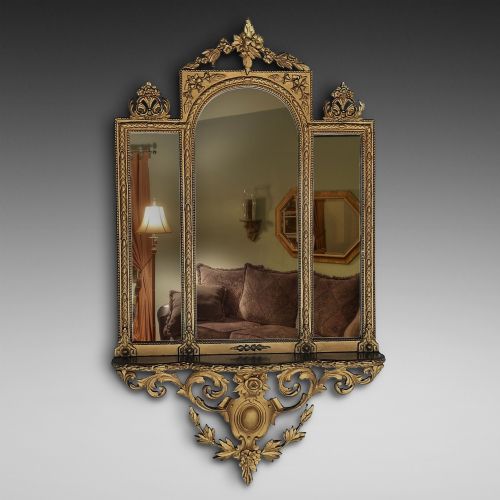
- A panel painting or mirror divided into three sections. In nineteenth-century wall pieces, hinged or joined side wings frame a larger central scene.
Victorian Wall Panels: Frequently Asked Questions
What are Victorian wall panels?
Victorian wall panels are decorative objects from the nineteenth century designed for interior display. They include carved wood architectural elements, framed textiles, oil paintings on panel, and decorative wall mirrors.
These pieces reflect diverse nineteenth-century styles ranging from Gothic Revival to folk art. They offer a tangible connection to period craftsmanship and interior design.
How were needlework panels used?
Needlework panels, samplers, and wool work were framed and hung on walls as domestic decoration. They demonstrated the maker's skill and often recorded family history, text, or pictorial scenes.
Protected behind glass in original wooden frames, these textiles preserved intricate stitchwork for display in parlours and living spaces.
How do I identify a Gothic Revival panel?
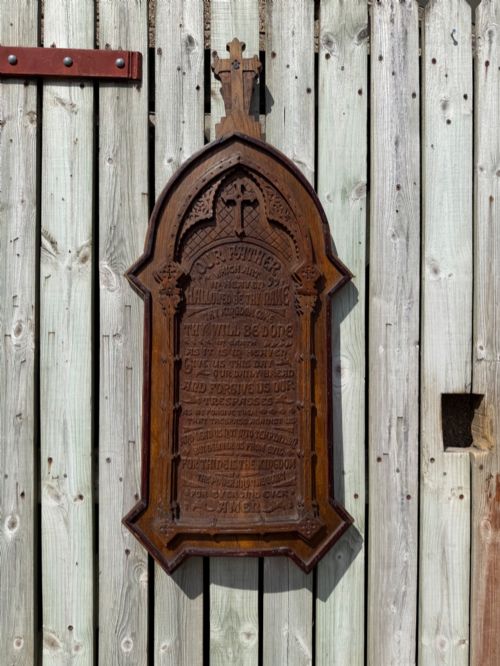
Gothic Revival panels typically feature architectural motifs inspired by medieval design, such as pointed arches, tracery, and heavy carved oak. They often appear as cabinet doors, overmantel mirrors, or church salvage.
These pieces reflect the nineteenth-century fascination with medieval forms, often displaying robust construction and deep, formal relief carving.
How do I care for wooden wall panels?
Wooden panels require stable indoor humidity away from direct sunlight and heat sources to prevent timber from drying out or splitting. Gentle dusting with a dry cloth is generally sufficient for maintenance.
Avoid using modern liquid polishes or chemical cleaners on antique wood, gesso, or gilt surfaces to preserve the original finish and patina.