





Reclaimed Carved Panels
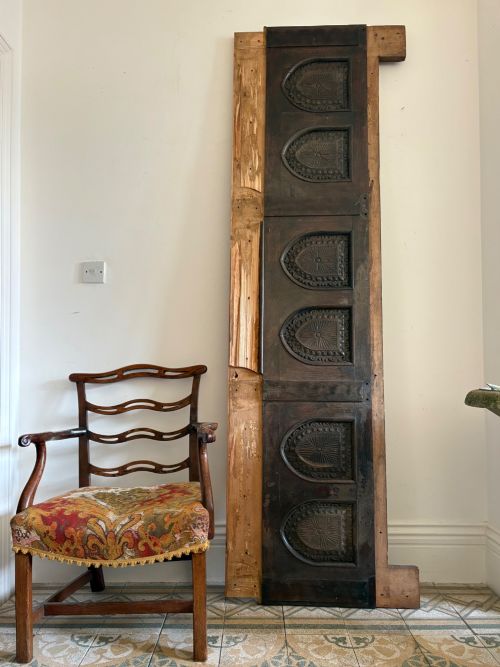
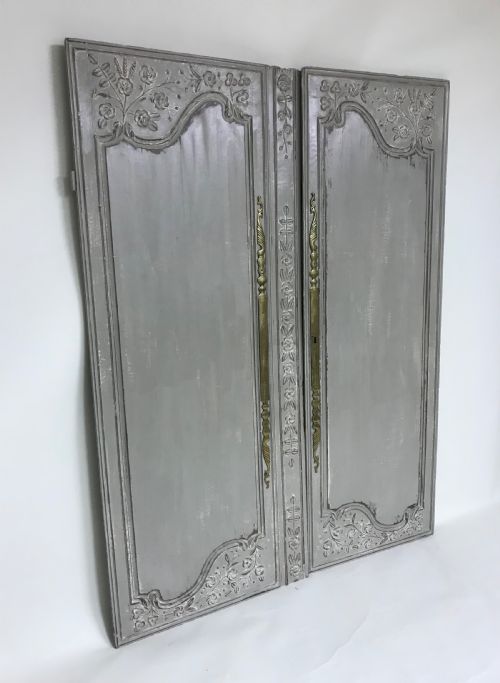
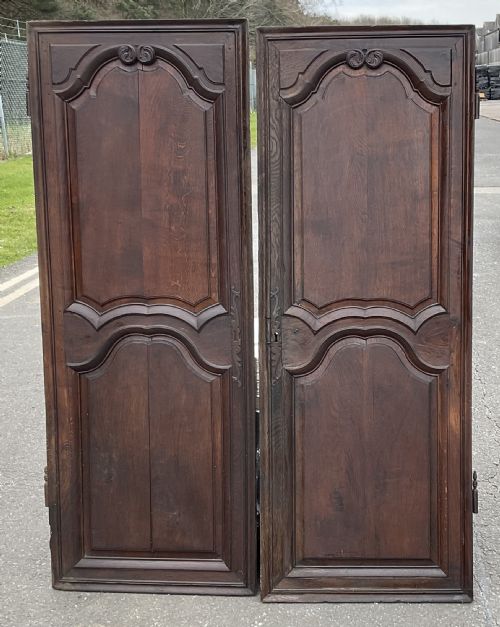
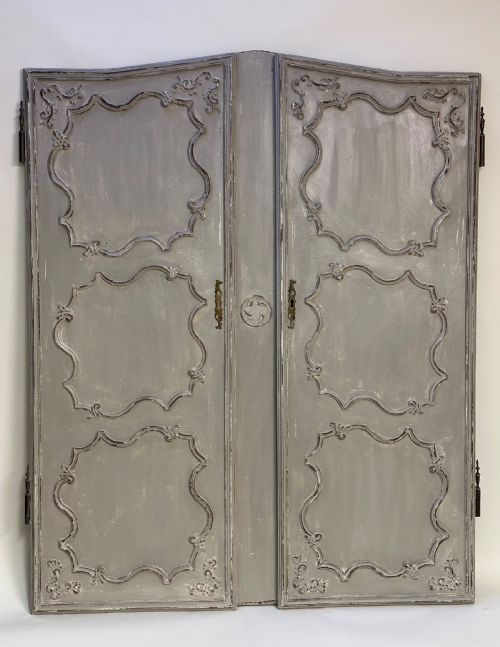
These reclaimed carved panels bring architectural depth and historical character straight into a modern interior.
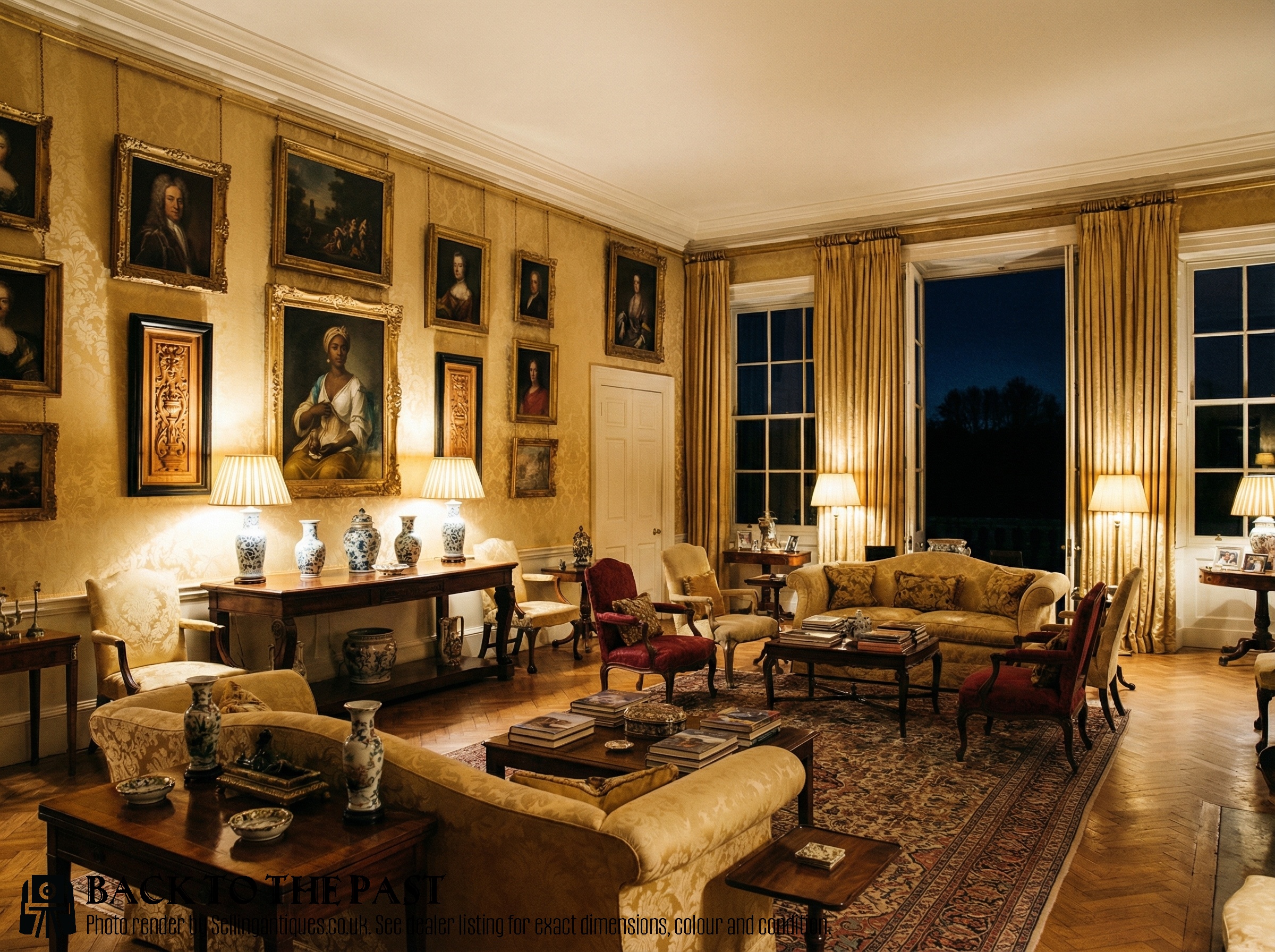
Reclaimed Carved Panels
When you search for reclaimed carved panels, you are looking at fragments of historic joinery and salvage rescued from older buildings, ranging from benches and friezes to entire sets of doors. These pieces carry the marks of past hands, shaped by generations of use and exposure before finding a new purpose in interior design.
The versions you are most likely to meet on this page span the seventeenth, eighteenth, and nineteenth centuries, taking forms such as architectural wall panels, cabinet doors, and gothic tracery. Oak and walnut dominate the selection, often appearing alongside pine and painted timber in styles that lean towards French provincial, gothic revival, and jacobean traditions.
Materials and construction methods
The makers behind these pieces relied primarily on sturdy timbers such as oak, walnut, and pine, working the grain by hand to achieve deep relief and smooth surfaces. Joinery techniques varied from traditional tongue-and-groove assembly to pegged framing that allowed the wood to move naturally with changes in humidity.
Surface treatments range from bare waxed wood to historic painted finishes, ebonised touches, and brass or iron hardware incorporated directly into the doors and architectural salvage. These combinations of metalwork and dense hardwoods ensured the structures endured centuries of service in domestic and institutional settings.
Reclaimed Carved Panels Retail Price Guide 2026
Typical asking prices for reclaimed carved panels among the pieces listed under this phrase on Sellingantiques today, from the lower quarter to the upper quarter. They describe what is for sale here now, not the wider market.
Factors that distinguish quality
The distinction between ordinary salvage and a superior piece lies in the crispness and depth of the hand carving, where confident chisel work creates sharp shadows and balanced proportions. Finer examples retain their original structural integrity, honest surface patination, and matching pairs or sets that have not been cobbled together from disparate fragments.
Depth of historical provenance also separates the range, with seventeenth-century friezes and nineteenth-century gothic tracery panels demonstrating greater artistic ambition than later utilitarian joinery. The choice of dense hardwoods like walnut and oak, handled by skilled regional carpenters, consistently yields a more substantial presence than softer pine alternatives.
The Reclaimed Carved Panels Glossary
- Parchemin panel
- A wood panel carved with a design that resembles a folded parchment scroll. This motif gained popularity during the late medieval and renaissance periods.
- Linenfold
- A style of wood carving that imitates vertical folds of fabric or linen. It is frequently seen on late medieval and Tudor panels.
- Gothic tracery
- Architectural stonework or woodwork ornamentation featuring pointed arches and geometric patterns. It defines the vertical emphasis of gothic revival design.
- Architectural salvage
- Building materials and decorative elements rescued from structures slated for demolition. These pieces are preserved for reuse in interior decoration and restoration.
- Frieze
- The wide central section of an entablature, often decorated with bas-relief carvings. In interior architecture, it runs along the upper portion of a wall.
Reclaimed Carved Panels: Frequently Asked Questions
How were carved panels originally used?
Historic carved panels served primarily as decorative wall lining, church furnishings, or structural components of large furniture pieces like armoires and settles. They provided insulation against damp stone walls and displayed the wealth and status of the property owner through elaborate craftsmanship.
Over time, many of these elements were salvaged from older buildings during remodeling projects, transforming functional architectural elements into standalone decorative objects for homes.
How do I hang a heavy wood panel?
Hanging a substantial oak or walnut panel requires locating wall studs and using heavy-duty steel brackets or mirror plates rated for the weight of the timber. Because antique wood responds to changes in humidity, the mounting method should allow the piece to expand and contract slightly without putting stress on the joinery.
For larger architectural salvage pieces, professional installation by a carpenter ensures the weight is distributed safely across the wall structure.
Can I use antique doors as room dividers?
Pairs of antique doors or large architectural panels make excellent sliding or hinged room dividers when fitted with appropriate modern tracks and heavy-duty hardware. Their substantial height and historic patination create a dramatic focal point while defining distinct zones within an open-plan space.
Evaluating the thickness and stability of the frame is essential before hanging them in a new functional opening.
How do I date a carved wooden panel?
Dating a panel involves examining the tool marks left by the maker, the wood species utilised, and the style of the carving motifs. Hand-cut chisel marks, pit sawing evidence, and period-specific details like linenfold or parchemin designs offer clear clues to the century of origin.
Comparing the construction joints to known historical joinery practices further helps confirm whether a piece belongs to the seventeenth, eighteenth, or nineteenth century.