

Victorian Vitrine Cabinet
A victorian vitrine cabinet brings glass and timber together to protect and display precious things inside the home.
Victorian Vitrine Cabinet
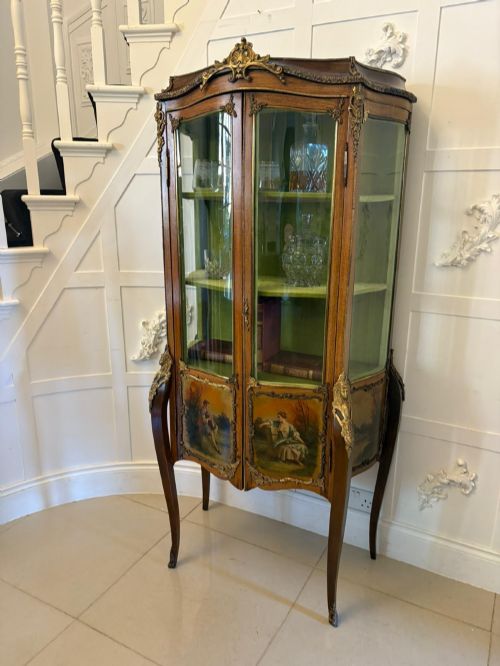
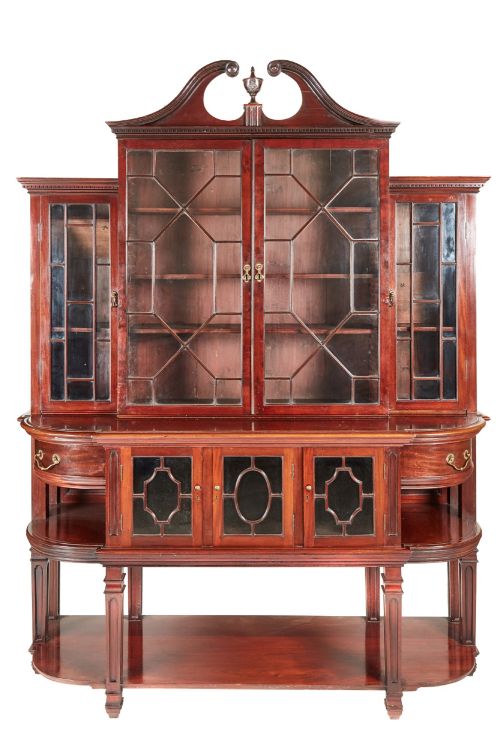
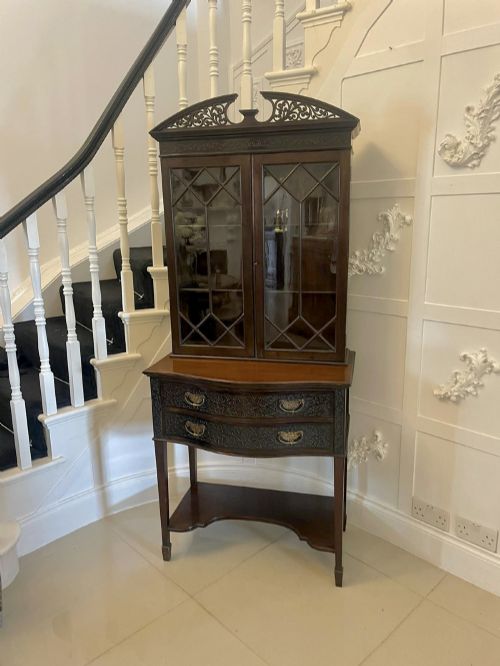
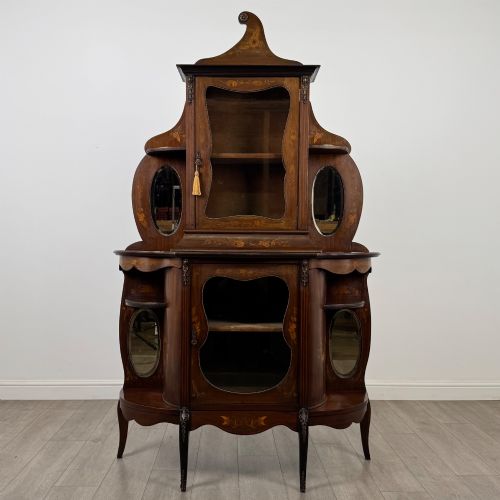
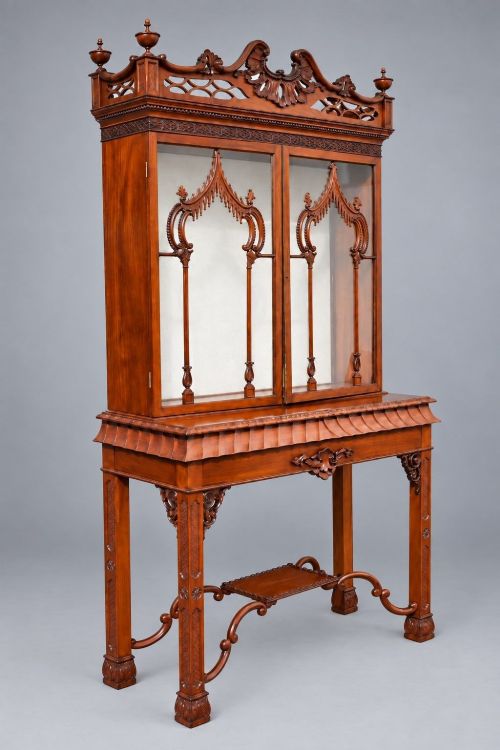
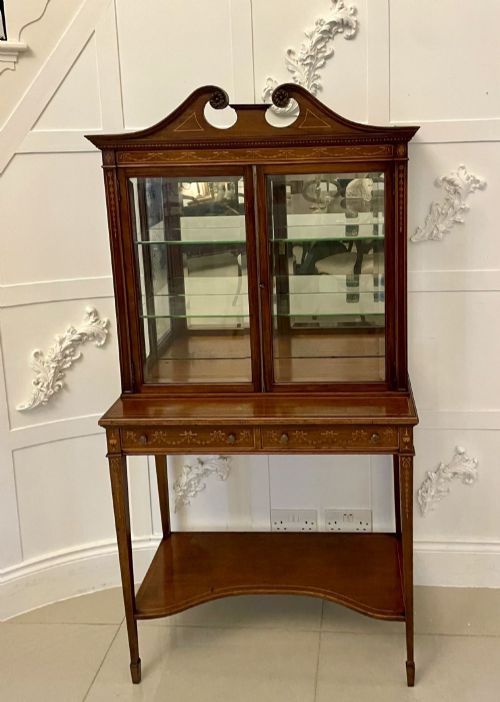
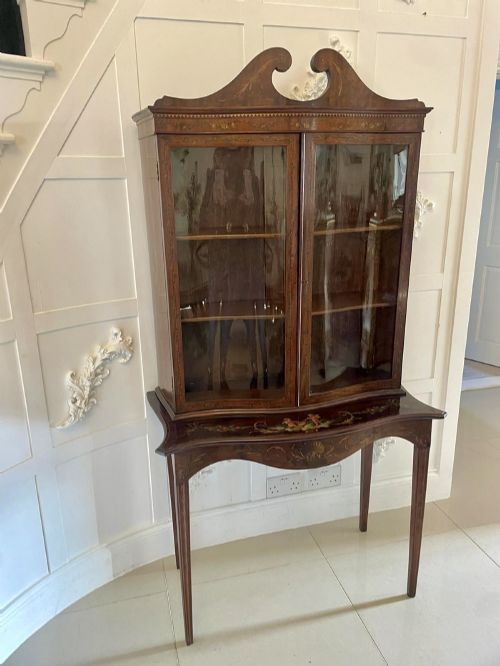
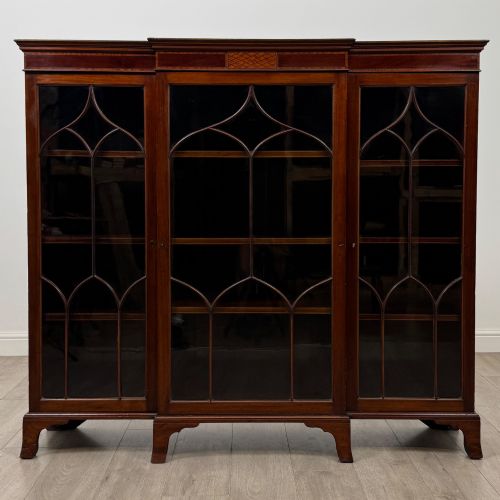
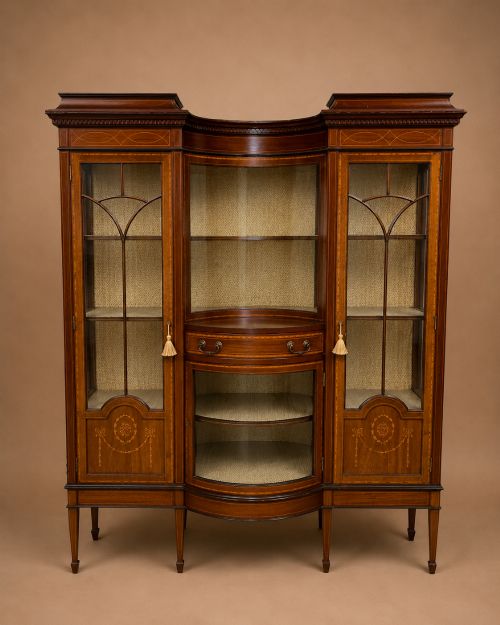
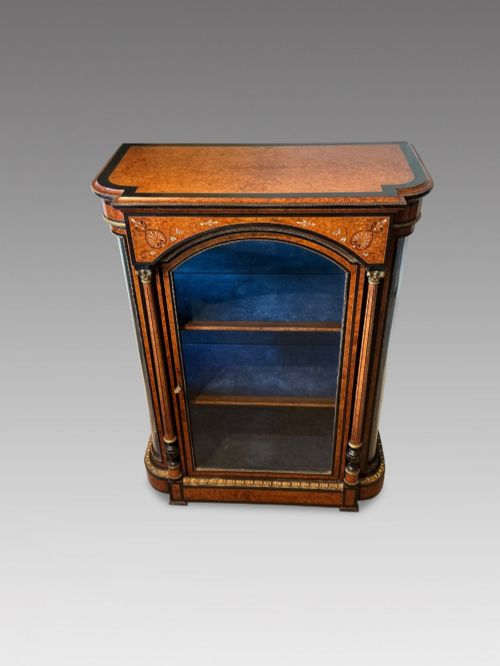
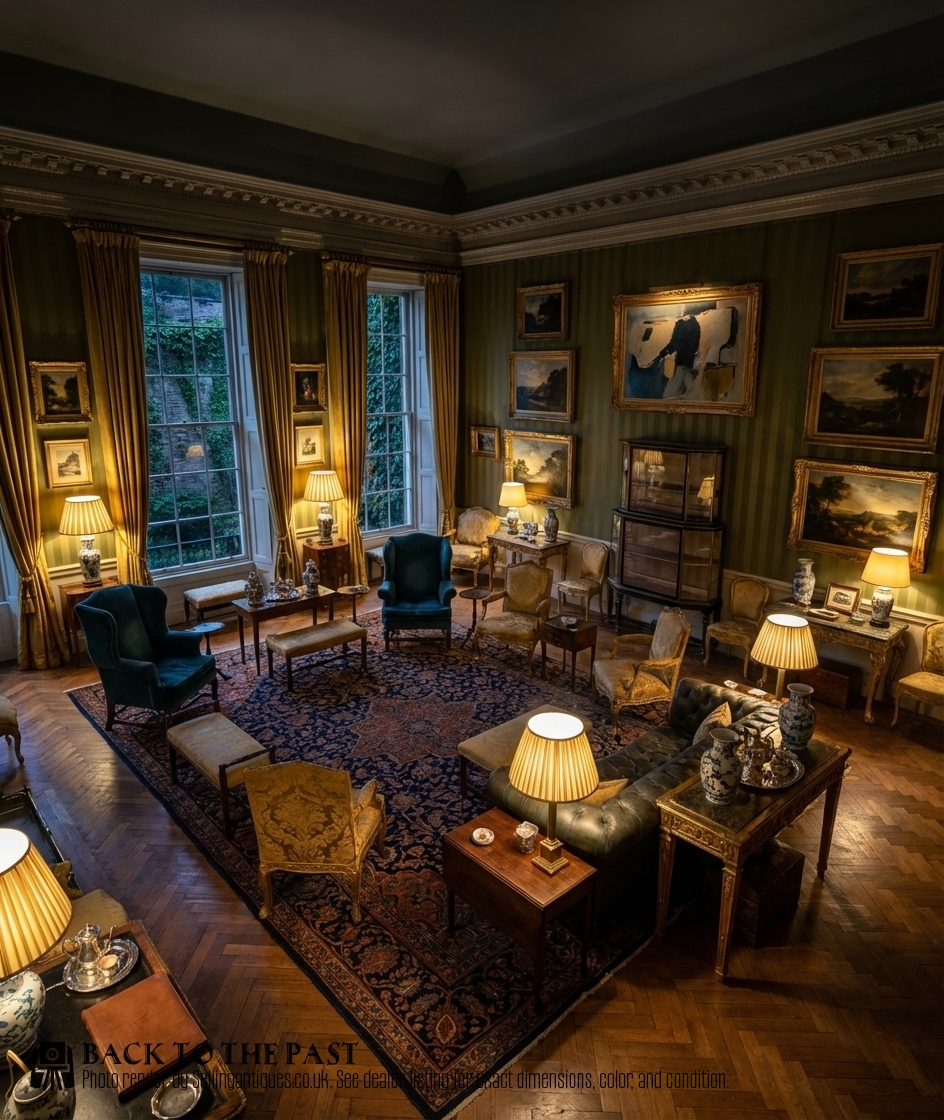
A victorian vitrine cabinet serves primarily to exhibit ceramics, glass, and curiosities while keeping dust at bay behind glazed doors. These pieces emerge predominantly from the nineteenth century, taking forms such as freestanding display cabinets, narrow pier cabinets, and low tables.
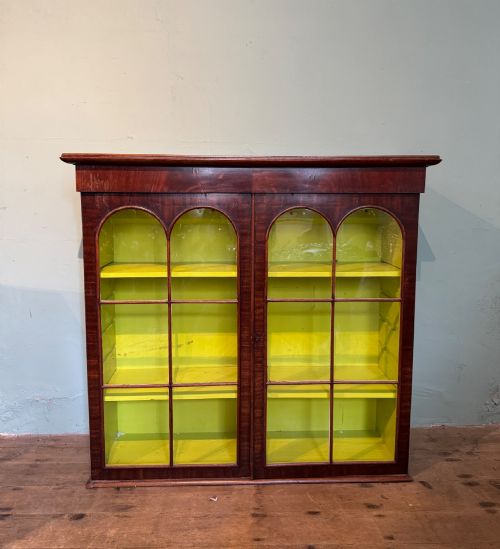
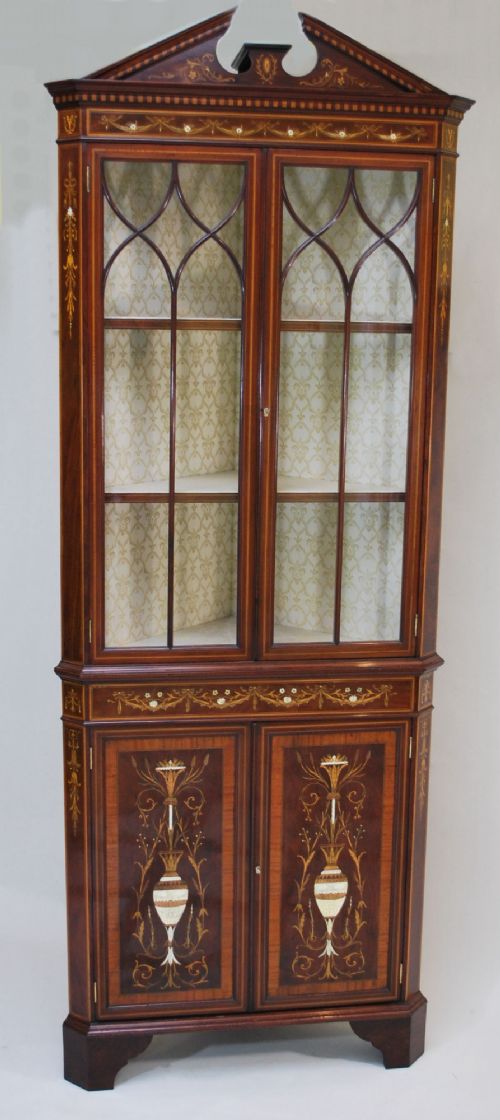
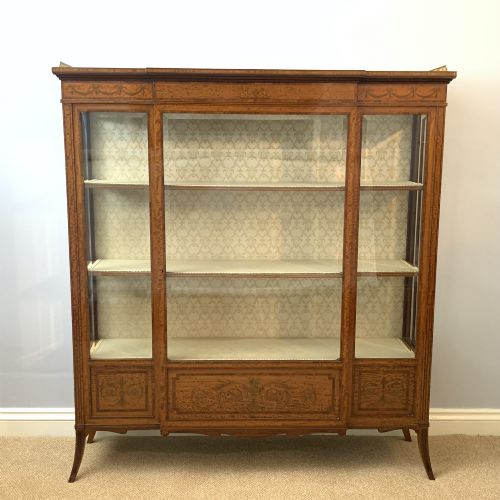
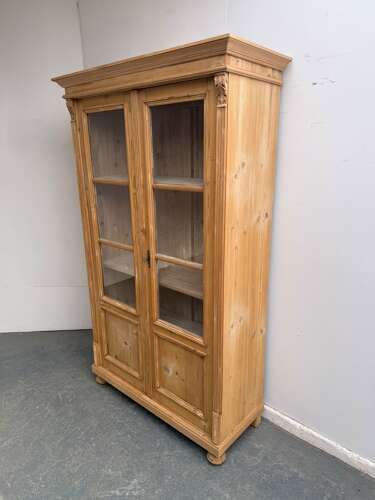
The versions most commonly met on this page are upright mahogany and satinwood cabinets from the late nineteenth century. Alongside these, buyers encounter pine country furniture, walnut credenzas, and glazed corner cupboards.
Makers and workshops of the period drew inspiration from French Louis styles, Sheraton revival lines, and Chinese Chippendale motifs. The structural intent remains consistent across these styles: framing transparent panes with decorative timber.
How they were made
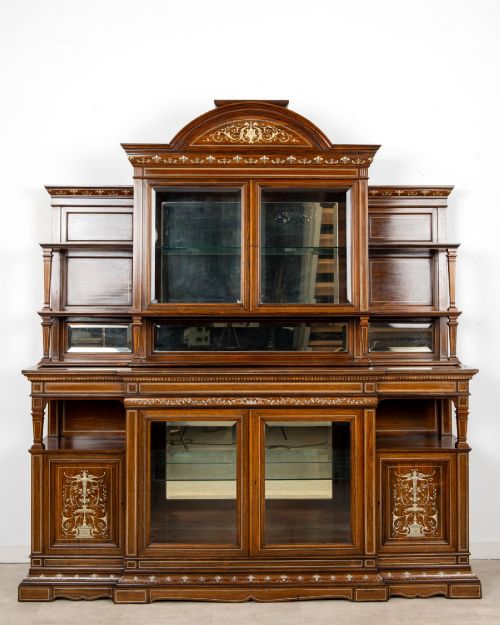
Cabinet makers built the carcasses of a victinence vitrine cabinet using dense hardwoods like mahogany, walnut, and satinwood, occasionally utilising pine for regional or country pieces. Artisans applied fine veneers and marquetry inlay to flat surfaces, creating geometric patterns or floral motifs.
Glazing techniques involved holding glass panes within timber astragals or brass framework. Ormolu mounts, gilt bronze, and brass details often trimmed the corners, doors, and feet of more elaborate urban examples.
Victorian Vitrine Cabinet Retail Price Guide 2026
Typical asking prices for victorian vitrine cabinet among the pieces listed under this phrase on Sellingantiques today, from the lower quarter to the upper quarter. They describe what is for sale here now, not the wider market.
Listings feature eighteenth and nineteenth-century revivals alongside Victorian pieces, utilising mahogany, satinwood, walnut, and pine.
What varies in quality
The standard of a victorian vitrine cabinet depends largely on the depth of hand-carved ornamentation and the precision of the timber inlay. Pieces featuring detailed marquetry, original painted decoration, or robust ormolu mounts sit firmly at the upper end of the scale.
Construction methods also dictate grade, distinguishing master cabinet-makers who utilised flame veneers and meticulous joinery from commercial workshops producing simpler pine or mahogany storage. The presence of original glass panels and matching brass hardware elevates the integrity of the surviving piece.
Jas Shoolbred·Collinson & Lock·Edwards & Roberts·Maple & Co
The Victorian Vitrine Cabinet Glossary
- Vitrine
- A glass-fronted cabinet designed specifically for displaying art objects or china. These pieces rely heavily on transparent panels to let light reach the interior shelves.
- Pier cabinet
- A narrow cabinet built to fit the wall space between windows. They frequently feature single glazed doors and flat backs.
- Marquetry
- Decorative veneer work arranged in pictorial or geometric patterns using various coloured woods. Artisans cut thin sheets of timber to fit tightly together within the surface grain.
- Ormolu
- Gilded bronze mounts applied to furniture corners and feet for ornamental effect. This technique was favored in French revival designs.
- Astragal
- A small wooden moulding used to hold individual panes of glass within a door frame. Multiple astragals create grid-like patterns across the front.
Victorian Vitrine Cabinet: Frequently Asked Questions
What is a pier cabinet?
A pier cabinet is a narrow, upright display piece designed to stand against the wall space between two windows. Their compact footprint made them popular in nineteenth-century drawing rooms.
These cabinets usually feature a single glazed door protecting small shelves intended for ornaments and porcelain.
How do I clean the glass?
Cleaning the glass safely requires a soft cloth and a mild glass cleaning solution applied directly to the rag rather than the wood. This prevents moisture from seeping into aged timber or lifting fragile veneers.
Care should be taken around brass astragals and painted decorations to avoid abrasive friction.
Where should I place it?
Positioning these cabinets away from direct sunlight and radiators protects nineteenth-century veneers from drying out and warping. Stable indoor temperatures preserve both the timber and the original glass panes.
Placing them against interior walls also provides better structural support for heavier mahogany or walnut frames.
How are satinwood and mahogany told apart?
Satinwood presents a pale, golden-yellow timber with a natural sheen that catches the light. Mahogany offers a deeper reddish-brown tone with a straight or figured grain pattern.
Cabinet makers often used mahogany for structural carcase work while reserving satinwood for decorative veneered surfaces.