

Victorian Vanity Seat
A victorian vanity seat offers a low, upholstered perch for the dressing room, combining practical seating with period craftsmanship.
Victorian Vanity Seat
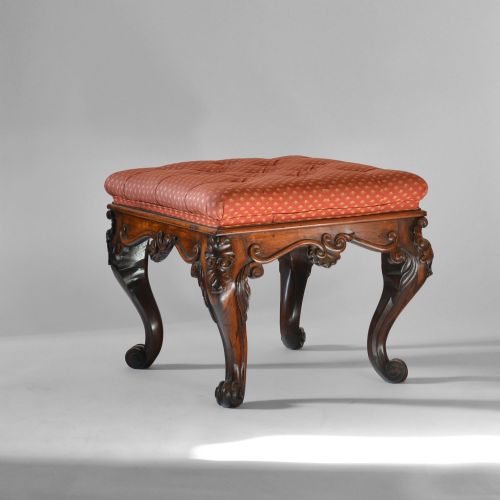
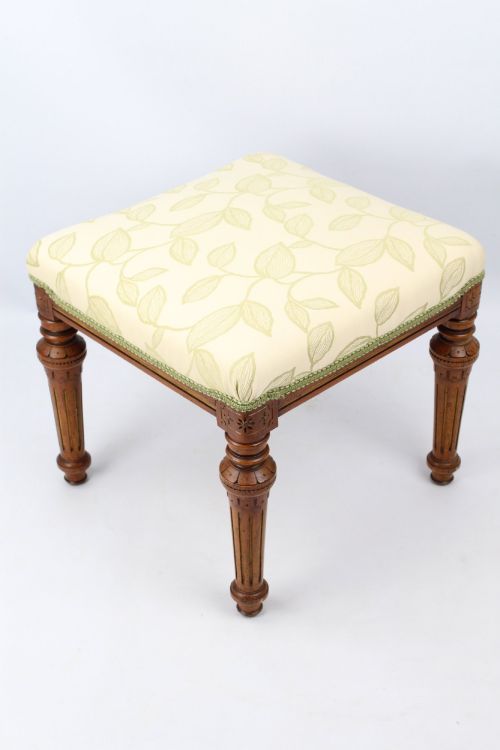
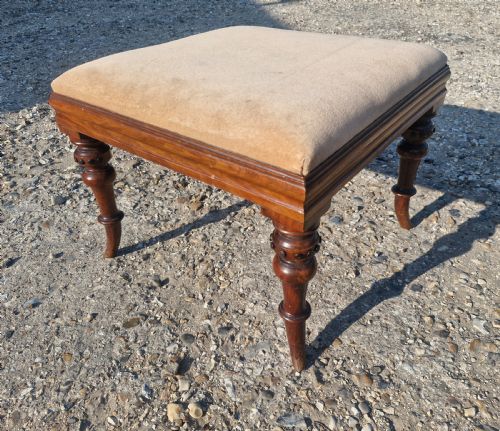
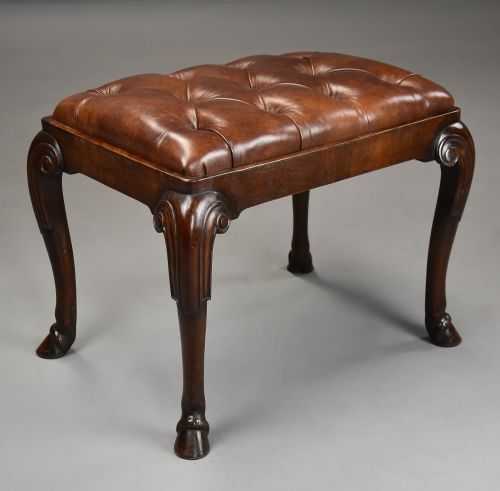
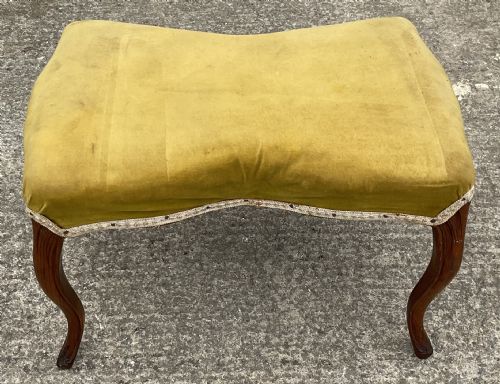
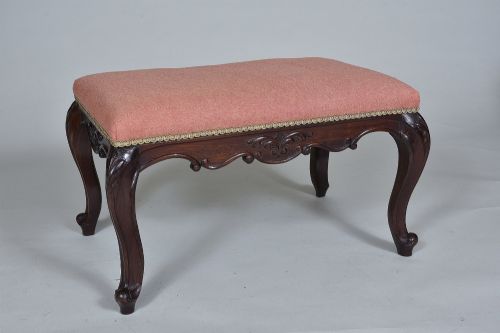
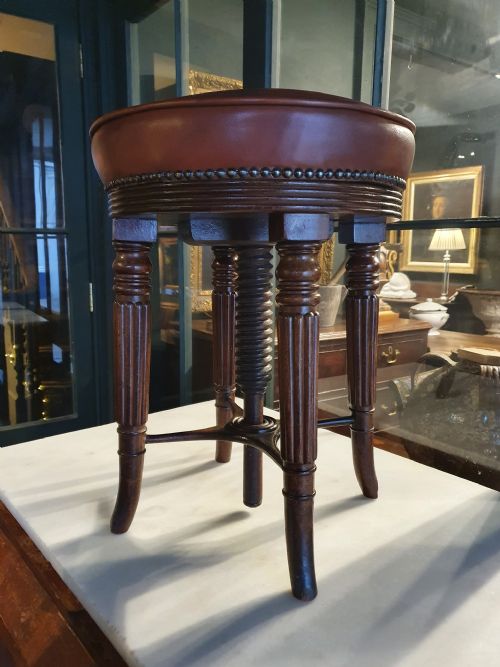
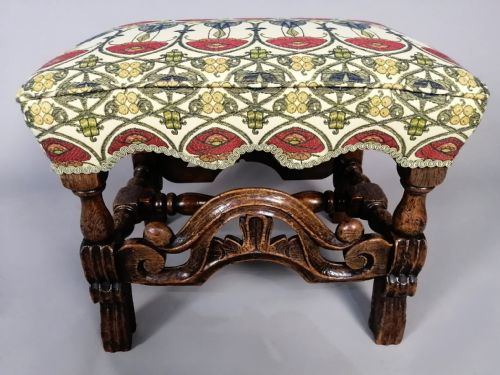
A victorian vanity seat typically takes the form of a low stool, dressing table stool, or small bedroom chair designed for personal grooming. These pieces originate predominantly from the nineteenth century, spanning early Victorian, mid-period, and late Victorian eras.
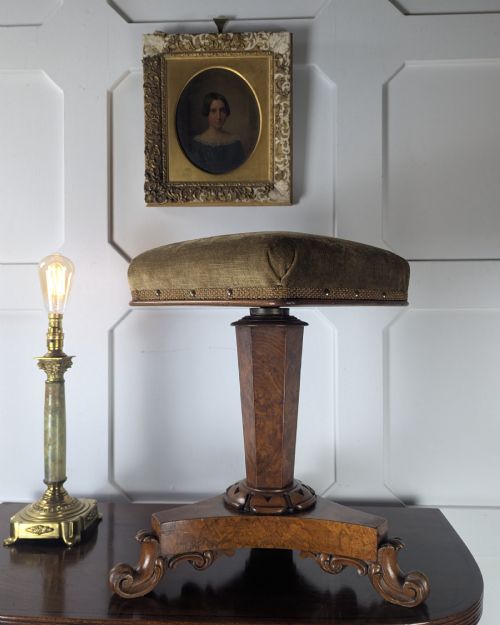
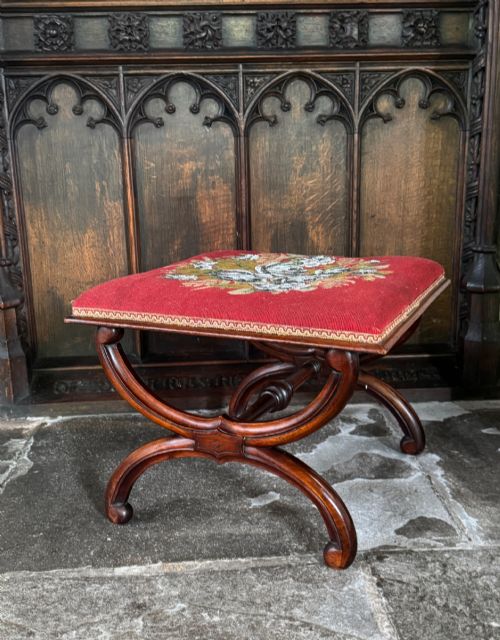
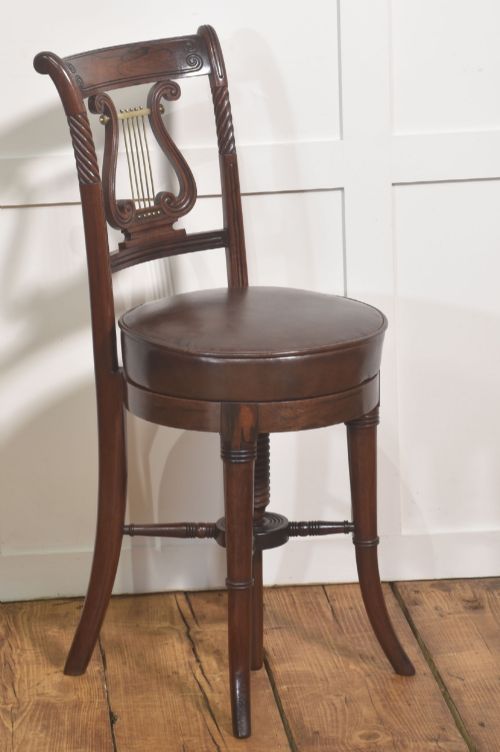
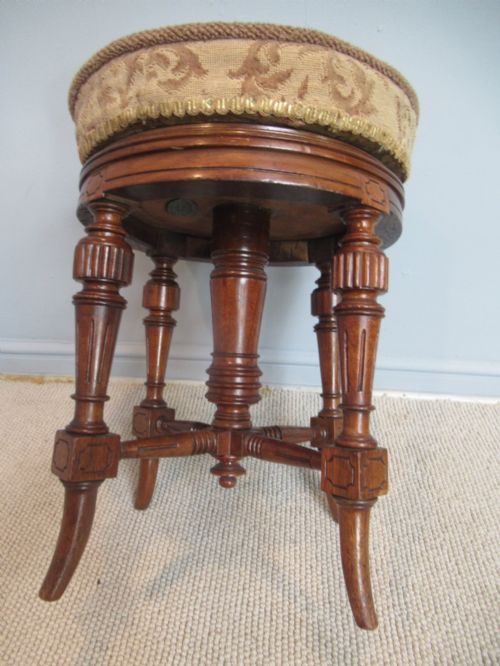
The selection here encompasses related seating forms such as piano stools, revolving stools, X-frame stools, and slipper chairs. Styles range from plain mahogany and walnut frames to revival designs drawing on Queen Anne, Rococo, and Chippendale influences.
Materials and Construction
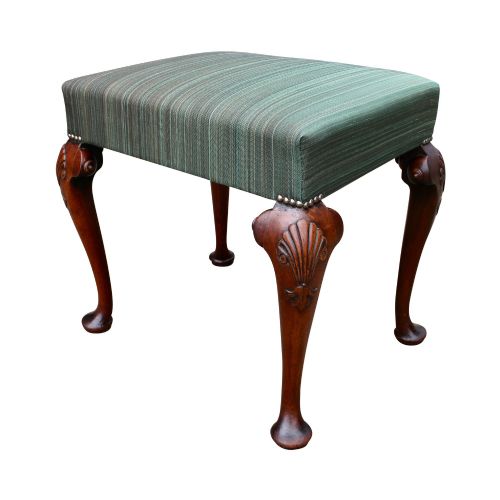
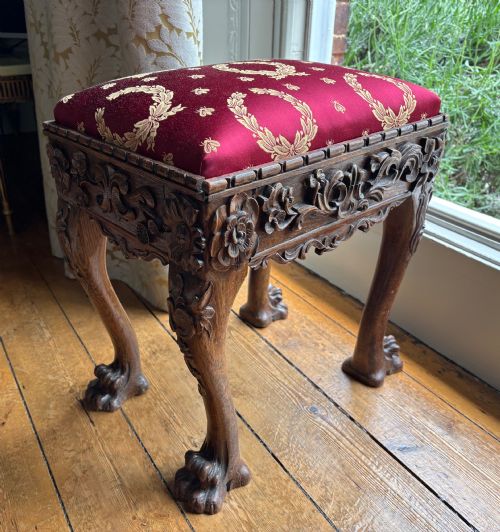
Frames rely on dense cabinet timbers, primarily mahogany, walnut, rosewood, and satinwood, occasionally utilising exotic woods like goncalo alves or teak. These hardwoods provide the structural rigidity needed for carved cabriole legs, X-frames, and turned supports.
Upholstery incorporates traditional textile coverings such as velvet, leather, and woven fabrics, often featuring detailed beadwork or fringe trim. Joinery methods include hand-carved detailing and mechanical adjustments for revolving or height-adjustable piano and dressing stools.
Victorian Vanity Seat Retail Price Guide 2026
Typical asking prices for victorian vanity seat among the pieces listed under this phrase on Sellingantiques today, from the lower quarter to the upper quarter. They describe what is for sale here now, not the wider market.
Craftsmanship and Proportion
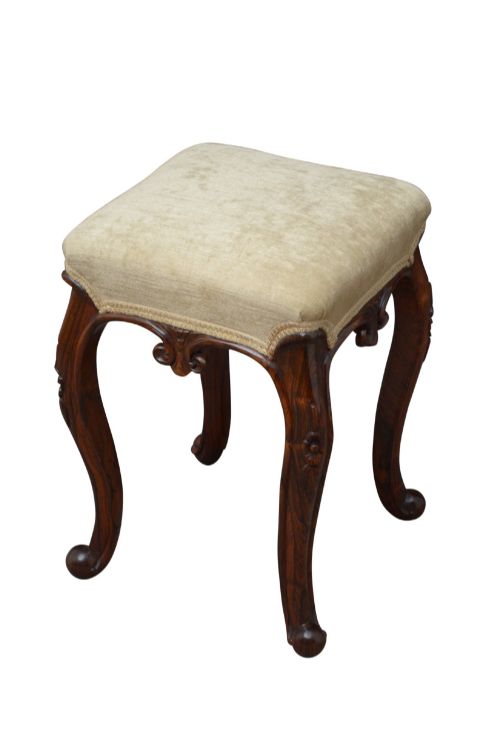
The distinction between ordinary and superior pieces lies in the crispness of the timber carving and the integrity of the underlying frame construction. Fine examples display deeply hand-carved cabriole legs and well-proportioned woodwork rather than flat, machine-cut mouldings.
Original upholstery methods and period-appropriate recovering elevate a piece, alongside functional mechanical elements in adjustable revolving stools that operate smoothly without wobble or play in the central screw.
Lamb of Manchester
The Victorian Vanity Seat Glossary
- Cabriole leg
- A furniture leg that curves outward at the knee and tapers inward at the ankle, ending in a pad or scroll foot. This shape mimics animal limbs and appears frequently on mid-nineteenth-century dressing stools.
- X-frame
- A structural base formed by two intersecting members shaped like the letter X, providing lateral support. It is common on folding or rigid piano and vanity stools from the Victorian period.
- Slipper chair
- A low-set upholstered bedroom chair designed for sitting while putting on shoes or stockings. They typically feature short legs and an upholstered seat close to the floor.
- Revolving stool
- A seat mechanism that rotates around a central vertical screw to allow height adjustment. These are frequently found paired with dressing tables and pianos.
- Giltwood
- Timber coated with a thin layer of gold leaf or gilt paint for decorative enrichment. It is seen on select revival and salon seating.
Victorian Vanity Seat: Frequently Asked Questions
What is a victorian vanity seat used for?
These low seats provide comfortable seating at a dressing table or vanity mirror during daily grooming routines. They also serve as decorative accent pieces in bedrooms and dressing rooms.
Their compact size allows them to tuck neatly beneath tables when not in use, making them versatile additions to smaller spaces.
How do I date a victorian vanity seat?
Dating relies on identifying timber choices, leg styles, and construction methods characteristic of specific decades within the nineteenth century. Early pieces often show heavy mahogany frames, while later Victorian examples introduce walnut, ebonised finishes, and varied revival motifs.
Hardware such as brass adjustment screws on revolving seats also offers clues to the manufacturing decade.
Are piano stools the same as dressing stools?
Piano stools and dressing stools share similar proportions and compact footprints, but piano stools frequently feature a revolving or height-adjustable mechanism. Dressing stools are more often stationary with fixed upholstered tops.
Both types function well as low vanity seating depending on the desired height at the dressing table.
How do I care for antique wood and upholstery?
Maintain wooden frames by dusting regularly with a dry cloth and applying natural beeswax sparingly to nourish the grain. Avoid placing antique timber furniture in direct sunlight or near heat sources to prevent warping.
Protect delicate textiles such as velvet or antique needlework by gentle surface vacuuming through a mesh screen.