


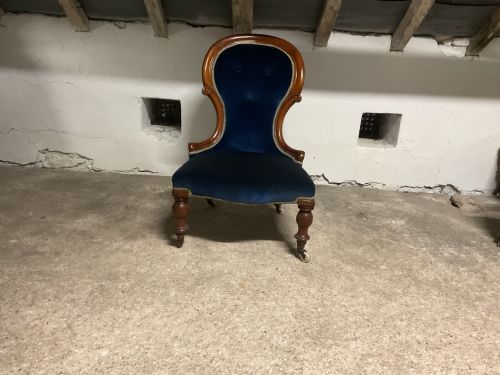
Victorian Upholstered Accent Chair
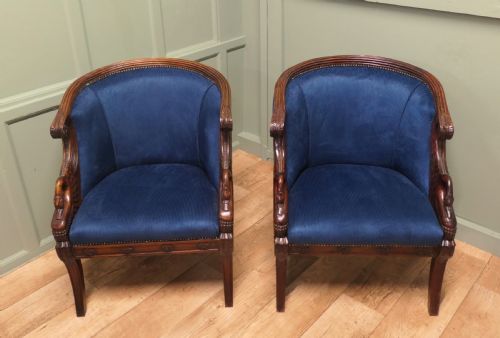
A victorian upholstered accent chair brings distinct period character to a room, offering both comfortable seating and rich carved woodwork.
Victorian Upholstered Accent Chair
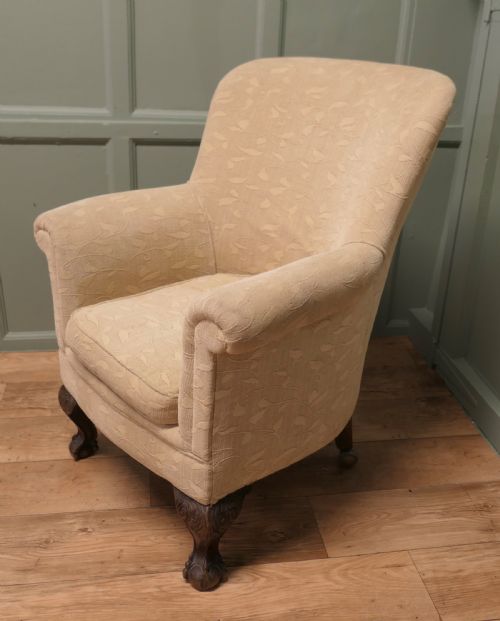
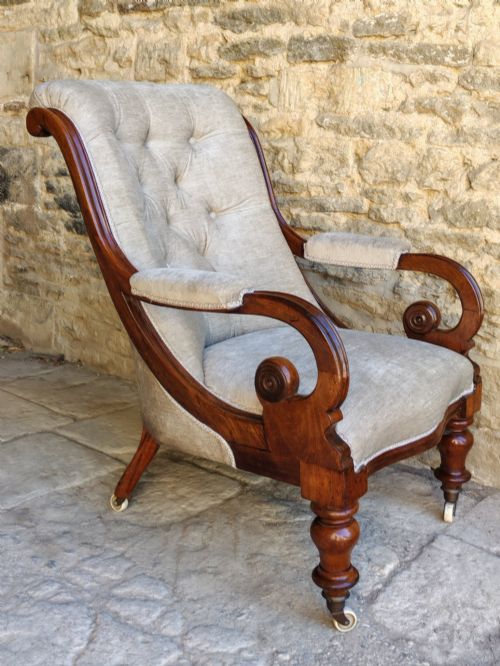
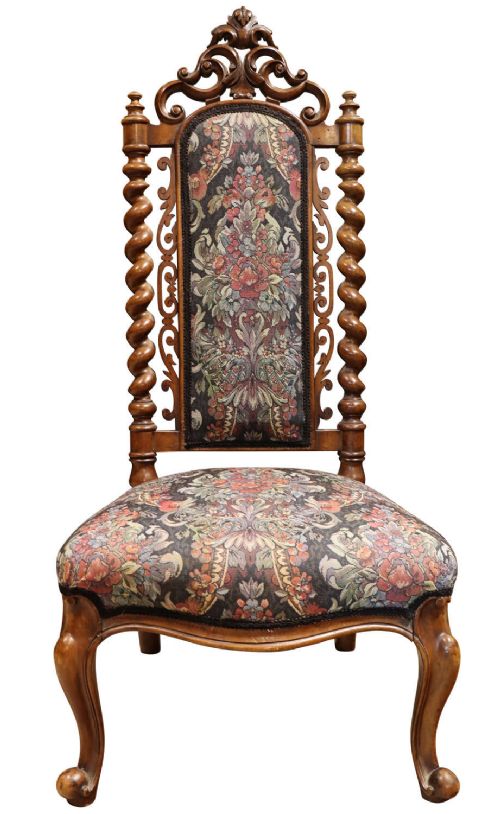
A victorian upholstered accent chair encompasses a wide variety of seating forms designed for nineteenth century parlours, bedrooms, and drawing rooms. The selection includes nursing chairs, slipper chairs, and low parlour seats alongside larger armchairs and open armchairs.
Most examples date from the nineteenth century, with specific pieces attributed to decades spanning from eighteen fifty to nineteen hundred. Woods such as mahogany, walnut, rosewood, and oak form the structural basis of these items.
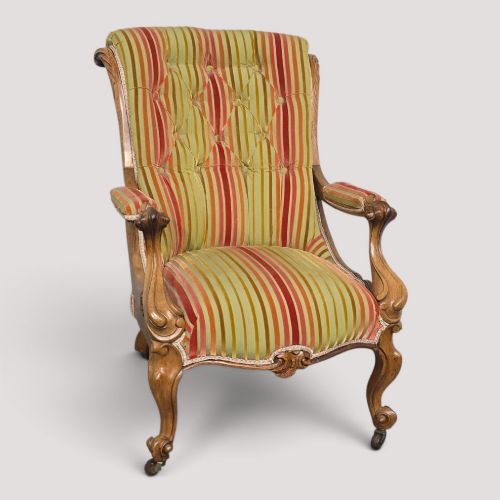
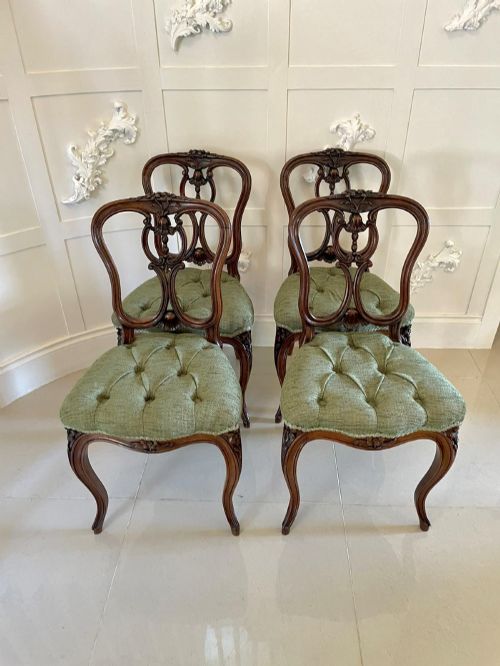
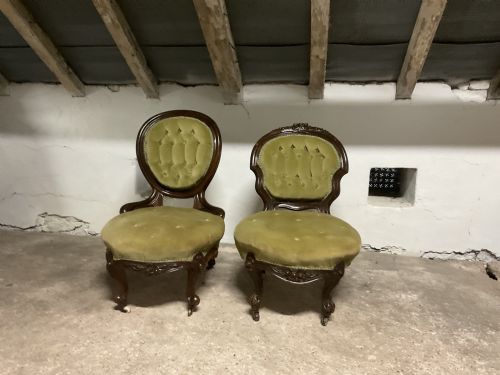
Buyers frequently encounter side chairs and occasional chairs featuring carved frames paired with contemporary or period upholstery. The forms range from spoonback designs to button back armchairs and corner chairs.
Materials and construction
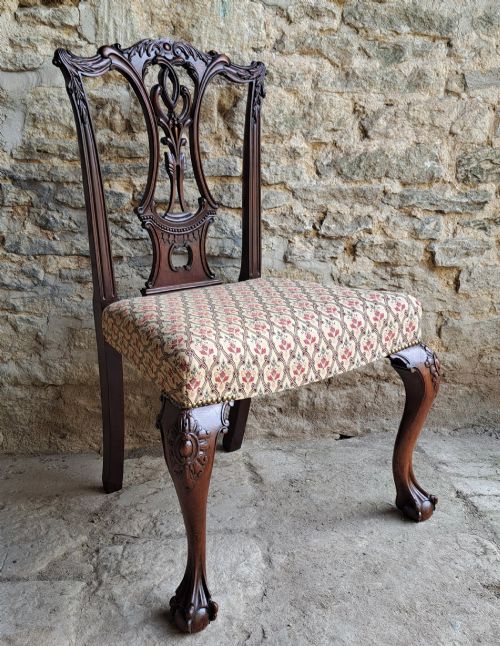
Frames rely heavily on dense hardwoods like mahogany, walnut, rosewood, and oak, often shaped with scroll carved backs, cabriole legs, or elaborate fretwork. Joinery and structural stability depend on traditional techniques suited to heavy timber frames.
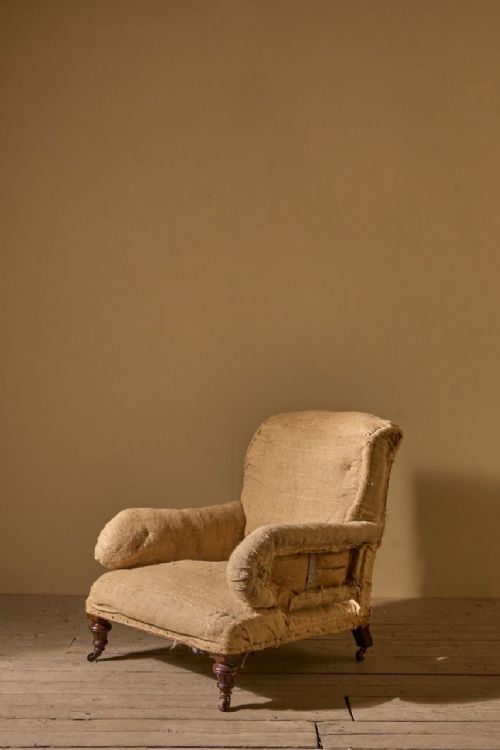
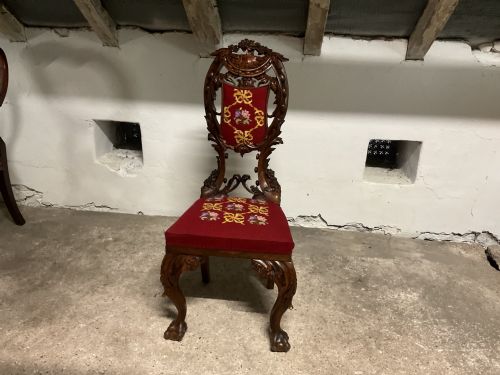
Upholstery techniques utilise traditional internal stuffing supported by hessian webbing, with outer coverings ranging from velvet and tapestry to needlework and modern fabric. Brass castors and decorative gilt detailing frequently accent the wooden elements.
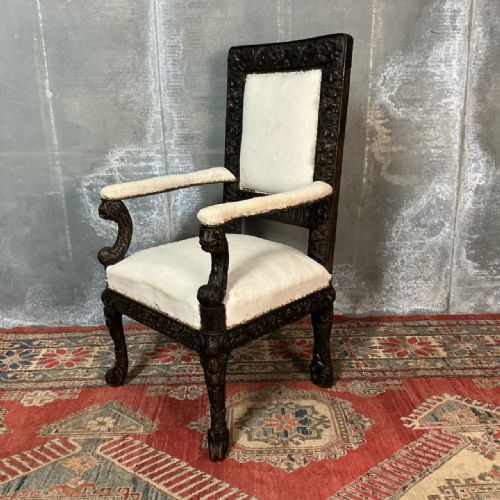
Carving styles reflect the revival movements of the period, incorporating rococo, gothic, baroque, and neoclassical motifs into the solid wood frames.
Some nineteenth century reading chairs come equipped with hidden compartments for stashing spectacles and novels.
Assessing quality
The standard of carving defines the distinction between standard production pieces and finer workshop output. Crisp, deeply undercut scrollwork and detailed mouldings indicate skilled hand craftsmanship on the wooden frame.
The integrity of the timber and the rigidity of the joints dictate durability. Heavier hardwoods like rosewood and walnut, combined with robust internal framing, separate superior seating from lighter or compromised pieces.
The fidelity of the upholstery materials and the retention of original springs or webbing contribute significantly to the authenticity and comfort of the chair.
Howard and Sons·Mellier and Co
The Victorian Upholstered Accent Chair Glossary
- Cabriole leg
- A furniture leg that curves out and then in, resembling the leg of an animal. This form appears frequently on mid nineteenth century walnut and mahogany frames.
- Spoonback
- A chair back shaped in the concave contour of a spoon to fit the human spine. This design is particularly common in nineteenth century parlour and nursing chairs.
- Button back
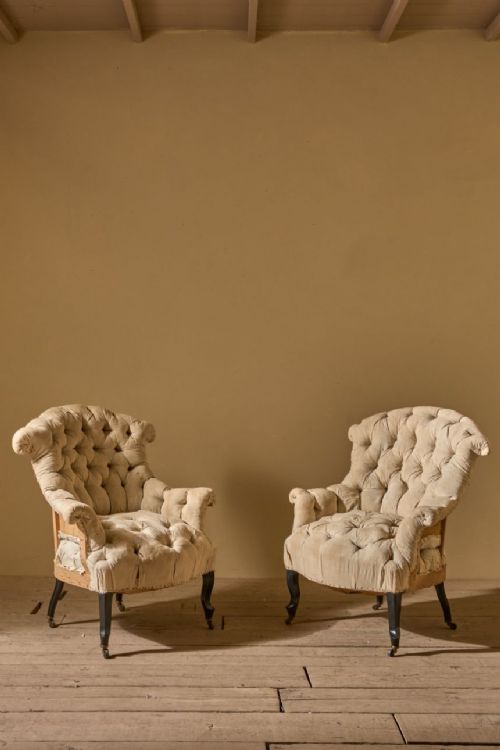
- An upholstery style where depressions are formed in the padding by pulling buttons deep into the stuffing. It creates a tufted surface seen on many period armchairs.
- Hessian
- A coarse woven fabric typically made from jute fibres, used internally as a foundation for webbing and stuffing. It provides hidden structural support beneath the visible upholstery.
- Occasional chair
- A light, movable chair designed to be placed around a room for temporary use. These pieces often feature decorative carved wooden frames.
Victorian Upholstered Accent Chair: Frequently Asked Questions
What is a nursing chair?
A nursing chair is a low seated upholstered chair designed during the nineteenth century to allow a person to sit comfortably while tending to an infant.
These pieces typically feature low seats and supportive backs, often executed in walnut or mahogany with fabric or tapestry upholstery.
How do I date a Victorian chair?
Dating relies on examining the timber species, carving styles, and structural assembly methods. Walnut and rosewood dominate mid century examples, while ebonised finishes appear later.
Stylistic cues such as rococo revival curves or gothic revival arches help narrow the decade of production alongside any documented maker marks.
Where should I place an accent chair?
An accent chair suits bedrooms, drawing rooms, or hallways where it adds both seating capacity and decorative period form. Smaller occasional and corner chairs fit well in tight spaces.
Larger open armchairs function effectively as standalone reading seats or pairing items in a living room.
Are these chairs comfortable for daily use?
Period upholstered seating offers varying levels of comfort depending on the internal stuffing and springing condition. Many pieces feature padded upholstered backs and seats designed for relaxation.
Restored examples often provide supportive seating suitable for everyday modern living while retaining their original aesthetic.