
Victorian Tufted Back Settee
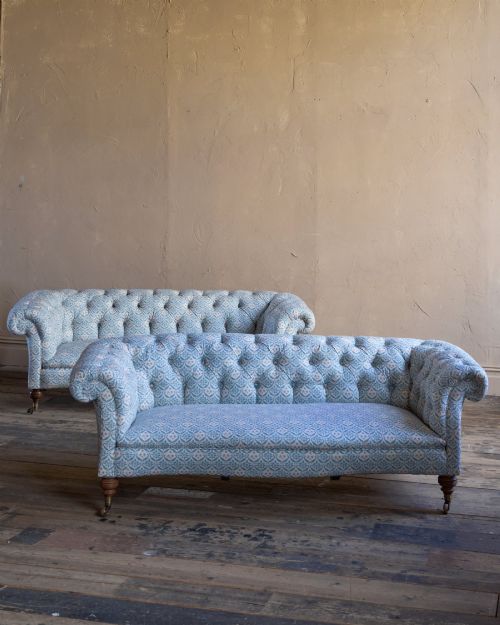
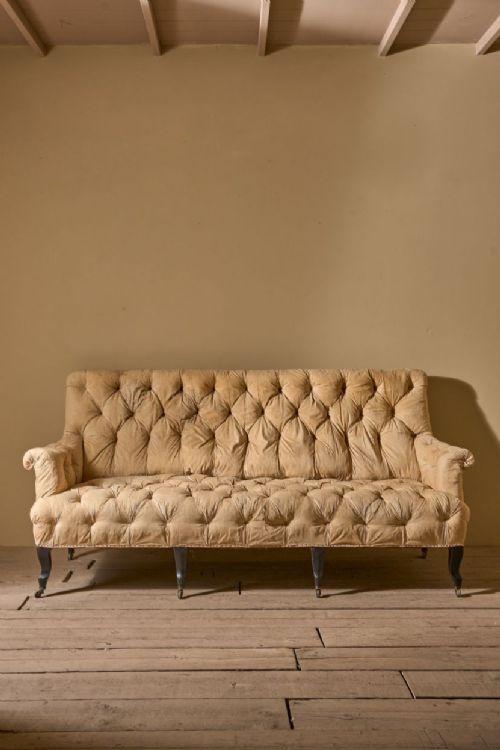
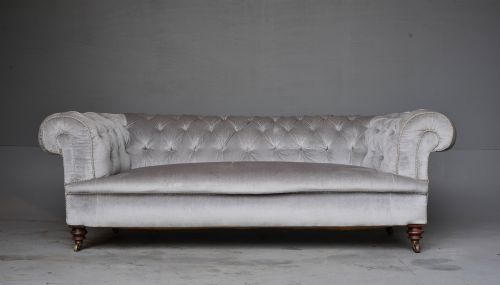
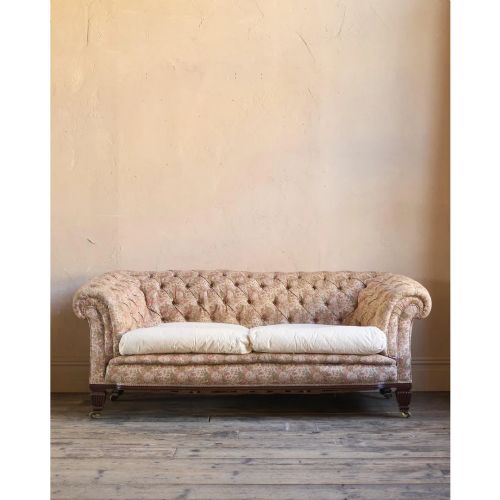
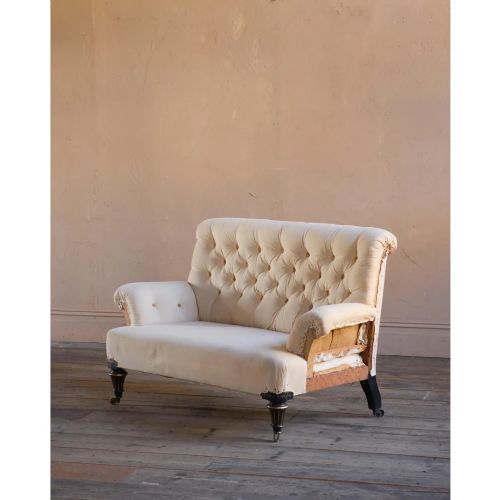
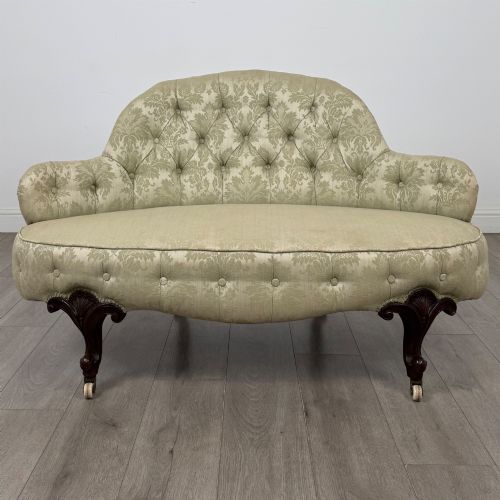
A victorian tufted back settee brings deep buttoning and rich wood frames into a room, offering nineteenth-century seating designed for formal comfort.
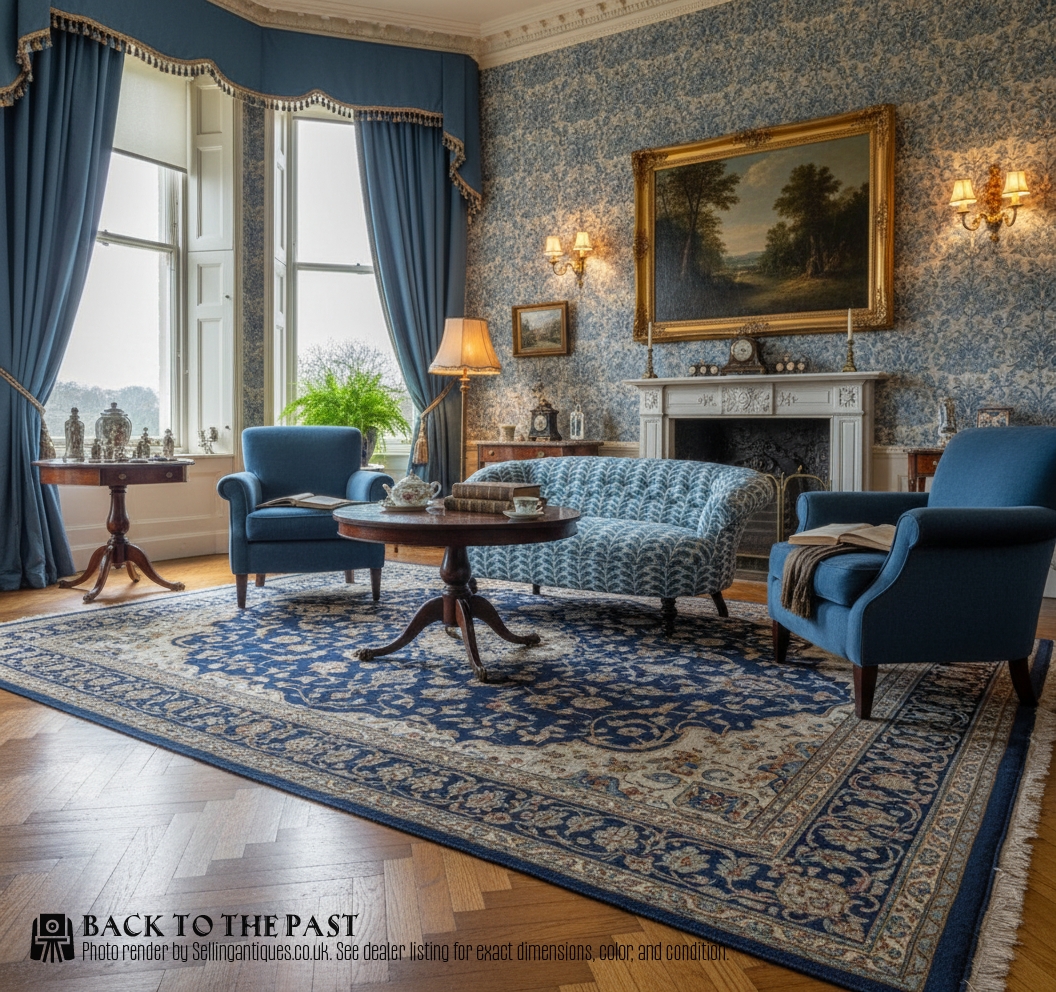
Victorian Tufted Back Settee
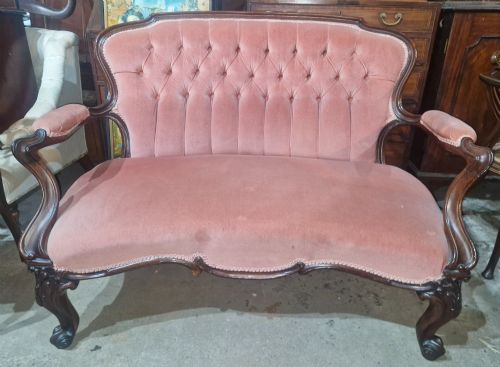
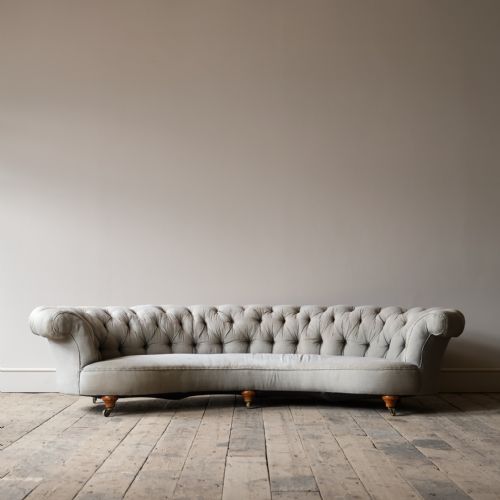
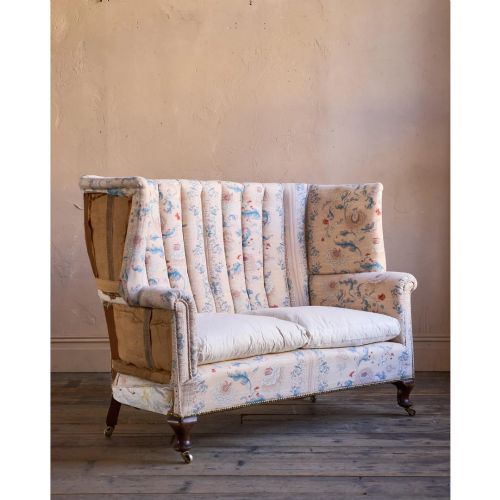
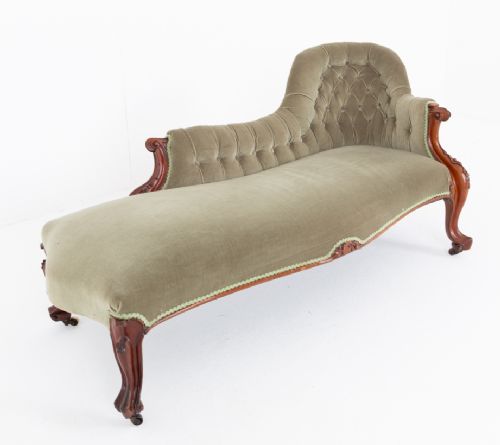
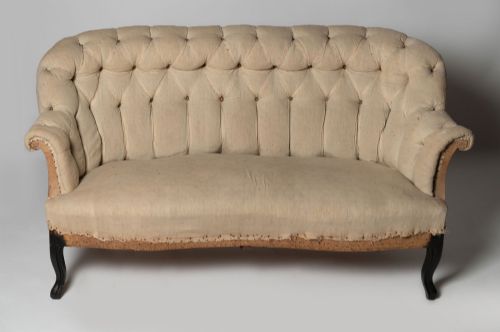
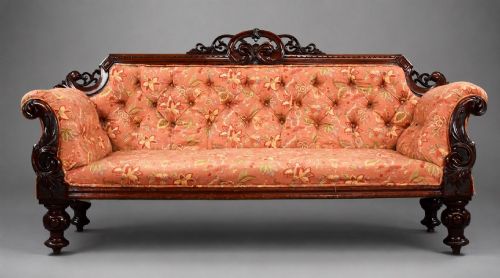
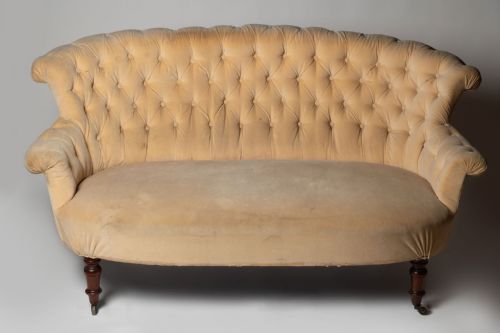
When searching for a victorian tufted back settee, buyers encounter nineteenth-century seating encompassing styles from Victorian Rococo Revival to Napoleon III and Edwardian forms. The inventory spans specific object types including Chesterfields, double spoon-back settees, canapes, and chaise longues.
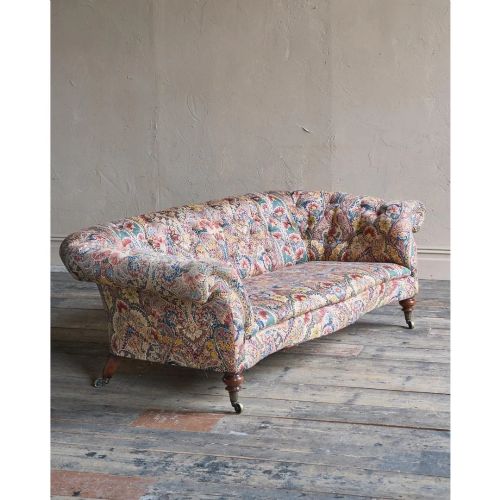
Most pieces date from the mid to late nineteenth century, appearing in woods such as mahogany, walnut, and rosewood alongside brass details. These frames carry upholstery in leather, velvet, and various fabrics, reflecting traditional English and French country influences.
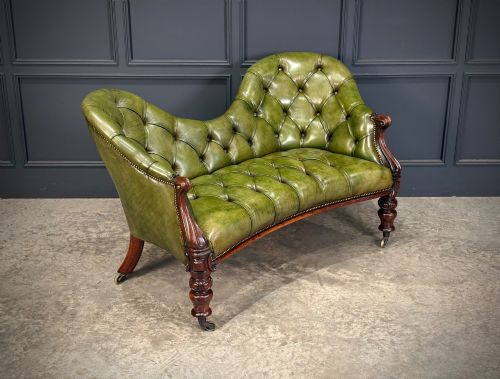
The selection ranges from large country house sofas to smaller window seats and corner sofas. Pieces frequently feature buttoning and carved wooden frames typical of Victorian domestic seating.
How they were made
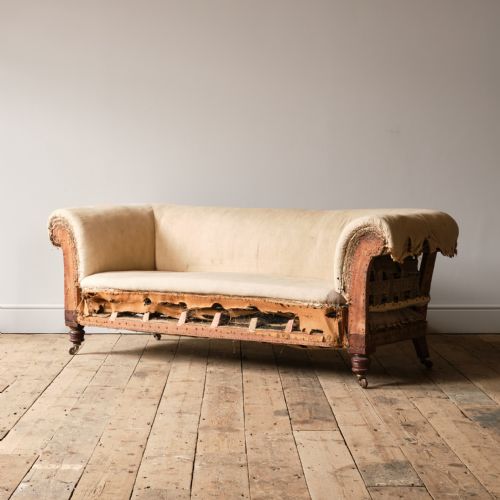
Framewrok construction relies on hardwoods like mahogany, walnut, and rosewood, often shaped with carved details or serpentine fronts. Craftsmen built these foundational structures to support deep upholstery and heavy textiles.
Upholstery methods combine traditional stuffing with buttoning techniques, securing leather, velvet, or fabric across backrests and seats. Brass elements and tassel trims appear as finishing details on specific models.
The inventory includes diverse forms ranging from French Napoleon III sofas and canapes to English Chesterfield and corner sofa designs.
What varies in quality
The refinement of the wooden frame carving and the choice of primary timber set individual pieces apart. Hand-carved rosewood and walnut frames represent higher levels of cabinetmaking compared to simpler hardwood structures.
The execution of the buttoning and the integrity of the materials, whether hand-dyed leather or fine velvet, determine the finish of the seating. Original un-restored surfaces and branded maker attribution distinguish specific examples within the range.
Howard and Sons·Jackson and Graham·Holland and Sons·Hampton and Sons·Gillows
The Victorian Tufted Back Settee Glossary
- Chesterfield
- A large sofa characterised by uniform low back and arms, traditionally featuring deep button tufting. These pieces often appear in leather or heavy fabric.
- Chaise Longue
- An upholstered long chair or day bed designed for reclining, featuring a backrest at one end. Nineteenth-century examples frequently include carved rosewood or walnut frames.
- Canapé
- An ornamental settee with an exposed wooden frame, often associated with French nineteenth-century seating styles. These items typically showcase carved decoration along the top rail.
- Double Spoon-Back
- A chair or settee backrest shaped in two recessed, oval sections resembling the bowl of a spoon. This form is characteristic of mid-nineteenth-century upholstery.
- Serpentine Front
- A furniture front curved in a wave-like shape, with a convex centre flanked by concave curves. This contour appears on the base rails of formal Victorian settees.
Victorian Tufted Back Settee: Frequently Asked Questions
What is a Victorian tufted back settee?
A Victorian tufted back settee is a nineteenth-century upholstered seat featuring button-tufted backrests. These pieces combine wooden frames in walnut, mahogany, or rosewood with leather, velvet, or fabric upholstery.
They encompass forms such as Chesterfields, canapes, and chaise longues, designed for formal reception rooms and parlours during the Victorian period.
How do I identify a Victorian settee?
Identification relies on examining the frame timber, upholstery style, and design period. Look for characteristic nineteenth-century woods like rosewood and walnut, alongside buttoned leather or velvet.
Details such as carved spoon-backs, serpentine front rails, and specific nineteenth-century proportions help distinguish these pieces from later reproductions.
Were these settees used in bedrooms?
Bedroom settees and small window seats served as private seating in nineteenth-century domestic spaces. These pieces often featured lighter frames or specific textiles like blue velvet with tassel trim.
They provided comfortable seating in dressing rooms and large bedrooms separate from the main public reception rooms.
What is the difference between a settee and a Chesterfield?
A settee is a broad term for a small nineteenth-century sofa with an upholstered back and arms. A Chesterfield specifically defines a style with arms and back of the same height, traditionally featuring deep buttoning.
Chesterfields typically offer a more substantial, uniform profile compared to varied settee forms like chaise longues or double spoon-back designs.