
19th Century Buttoned Sofa
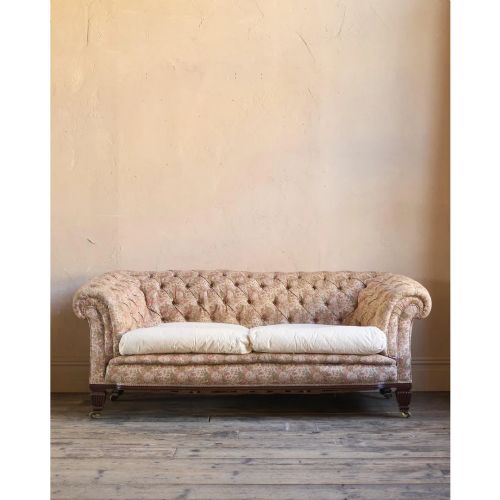
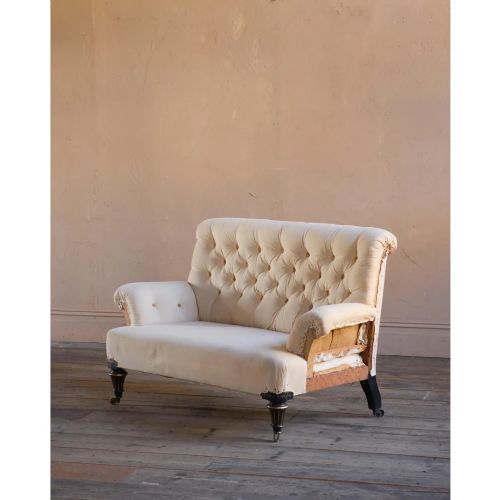
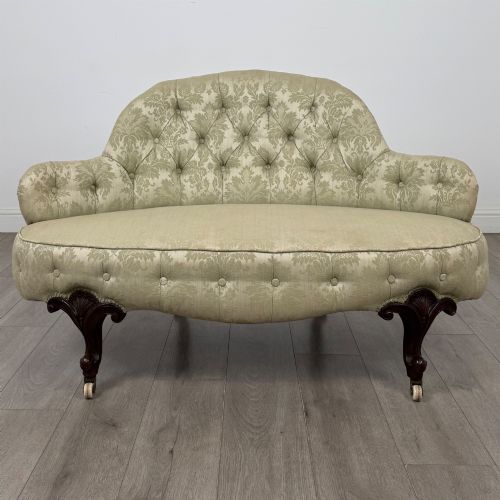
A 19th century buttoned sofa brings deep comfort and formal elegance to a room through its characteristic tufted upholstery and period timber frame.
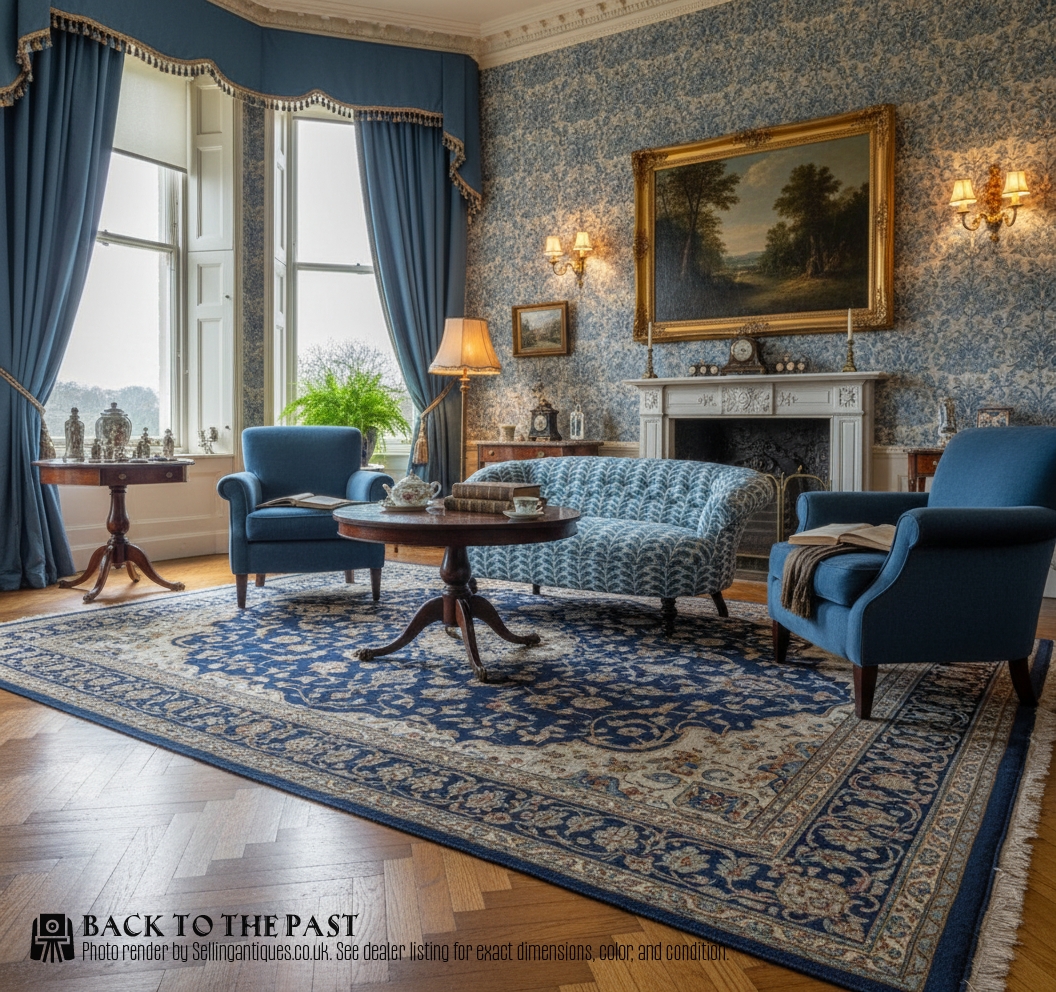
19th Century Buttoned Sofa
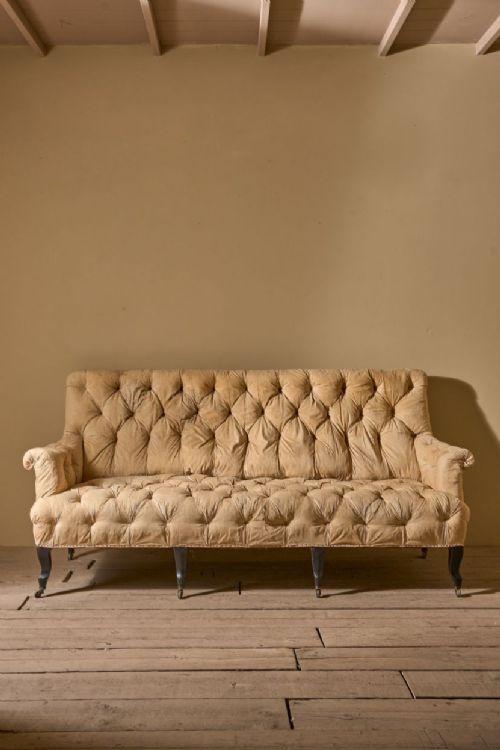
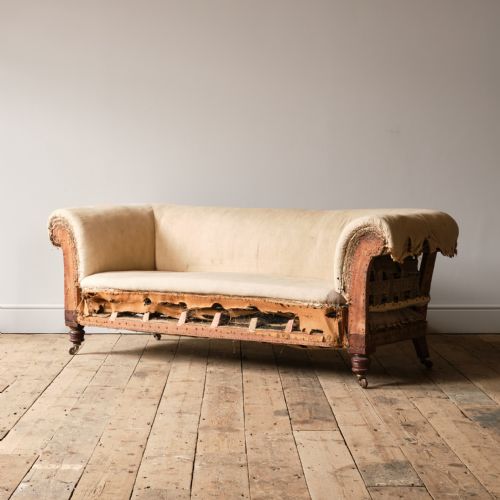
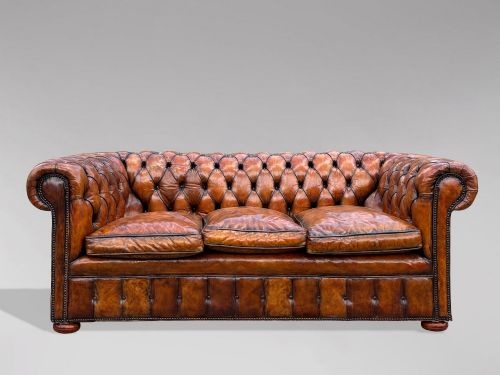
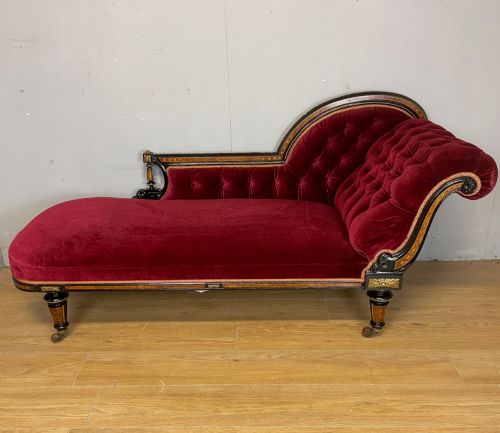
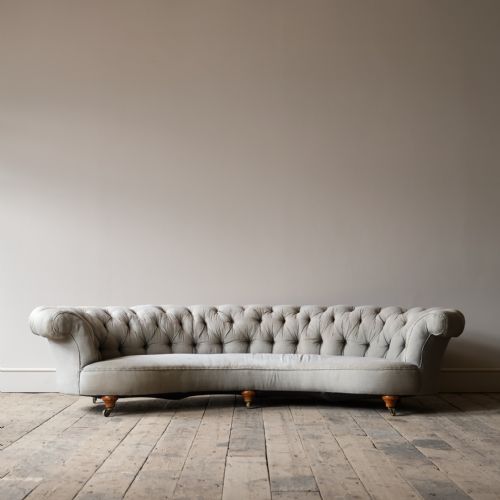
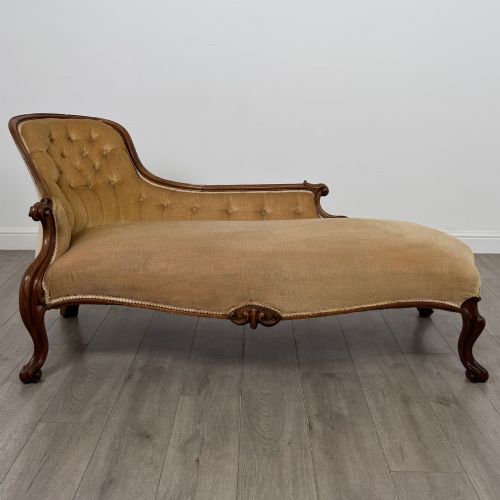
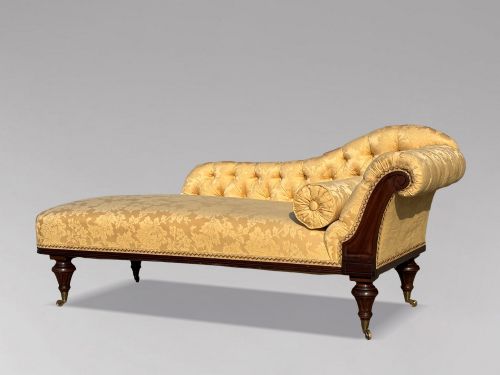
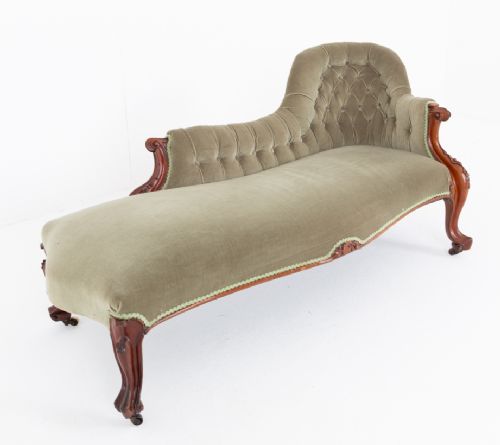
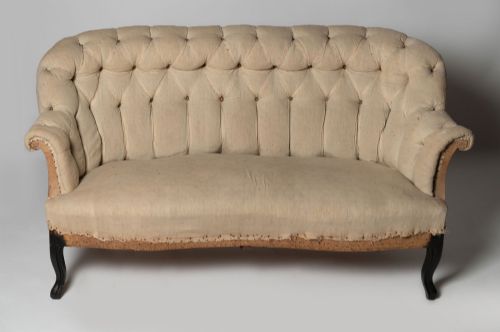
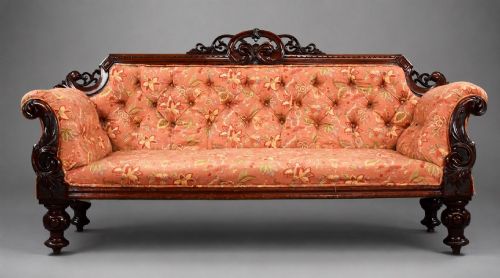
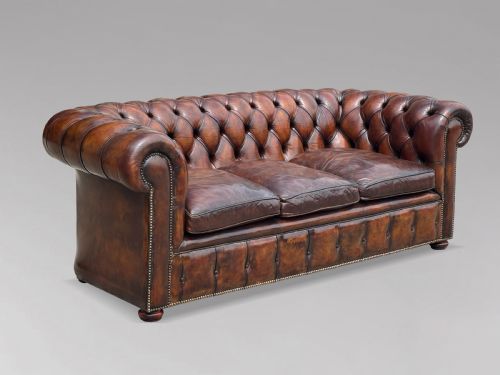
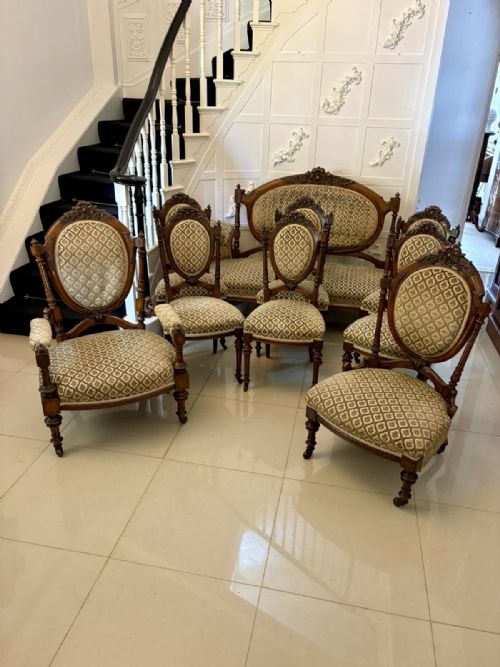
Buyers searching for a 19th century buttoned sofa encounter a diverse selection of seating, ranging from deep-buttoned Chesterfields upholstered in brown leather to refined Victorian walnut settees and French Napoleon III designs. These pieces often take the form of spacious multi-seater couches or elegant chaise longues designed for reclining.
The material palette of these items relies heavily on rich hardwoods such as mahogany, walnut, and rosewood, paired with tactile coverings like velvet, fabric, and hand-dyed leather. Many examples incorporate brass castors, ormolu decoration, and ebonised finishes to complement the intricate woodwork.
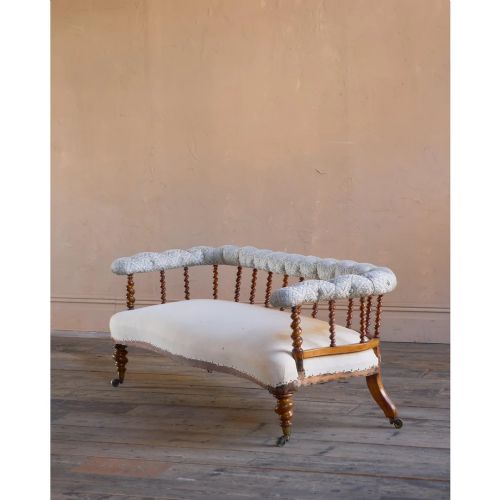
Stylistic variations span the breadth of the era, encompassing Early Victorian, Grand Regency, Aesthetic Movement, and Victorian Rococo Revival aesthetics. Makers frequently embellished frames with carved details, spindle backs, and barley twist supports, ensuring each seating form reflects the distinct taste of its decade.
Factors influencing quality
The distinction between standard examples and exceptional pieces rests upon the crispness of the timber carving and the integrity of the underlying frame construction. Finer pieces demonstrate superior joinery and retain well-proportioned frames that maintain structural rigidity without excessive bulk.
The execution of the upholstery work further separates the grades, with superior items displaying uniform buttoning and tension across leather or textile coverings. Additionally, the presence of documented maker stamps on the frame or castors elevates the standing of a piece within the hierarchy of surviving examples.
Recorded forms range from compact conversation seats and open arm sofas to full three-seater Chesterfires and chaise longues.
Howard and Sons·C Hindley and Sons·A Jackson and Graham·H Goodall and Sons·Holland and Sons·Hampton and Sons·Jas Shoolbred
The 19th Century Buttoned Sofa Glossary
- Chesterfield
- A deep-buttoned, heavy sofa traditionally upholstered in leather or fabric with arms and back of the same height. This form offers robust seating suited to libraries and drawing rooms.
- Chaise Longue
- An upholstered sofa in the form of a chair with a seat long enough for the user to stretch their legs. These daybeds often feature a single raised end for reclining.
- Ormolu
- Gilded bronze ornamentation applied to furniture frames during the period. The technique adds metallic highlights to wood surfaces, particularly on French-influenced pieces.
- Ebonisation
- A chemical or staining process applied to timber to imitate costly ebony. This dark finish gained popularity during the Victorian and Aesthetic Movement eras.
- Barley Twist
- A turning technique resembling the spirals of a barley stalk used on furniture legs and stretchers. It provides structural support while introducing rhythmic texture.
19th Century Buttoned Sofa: Frequently Asked Questions
What is a 19th century buttoned sofa?
A 19th century buttoned sofa is a piece of period seating distinguished by its tufted upholstery, where tightly pulled buttons create a uniform pattern of dimples across the back and sometimes the seat.
These pieces encompass various forms including leather Chesterfires, salon settees, and chaise longues constructed from woods like mahogany and walnut during the Victorian and Napoleon III eras.
How do I identify a Victorian sofa?
Victorian sofas are identified by their characteristic revival styles, use of dense hardwoods like rosewood and walnut, and elaborate frame carvings.
They often feature curved structural lines, buttoned upholstery, and turned or cabriole legs fitted with brass castors.
Where were these sofas used originally?
These seating forms primarily served in the formal reception rooms, drawing rooms, and libraries of grand houses and urban residences. Chaise longues were frequently placed in boudoirs or withdrawing rooms for daytime resting.
How do I care for leather upholstery?
Leather upholstery on these pieces requires regular dusting with a soft, dry cloth and occasional application of appropriate leather balms to prevent drying.
Keeping the leather away from direct sunlight and heat sources preserves the natural hide and the integrity of the original buttoning.