


Victorian Transferware Pitcher
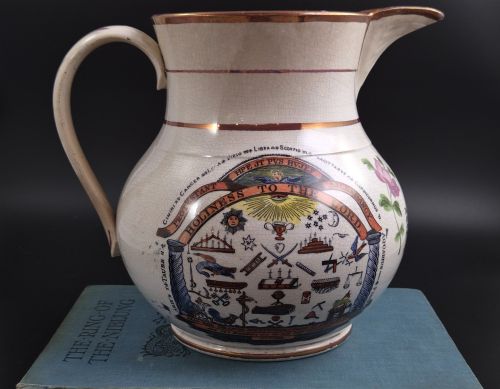
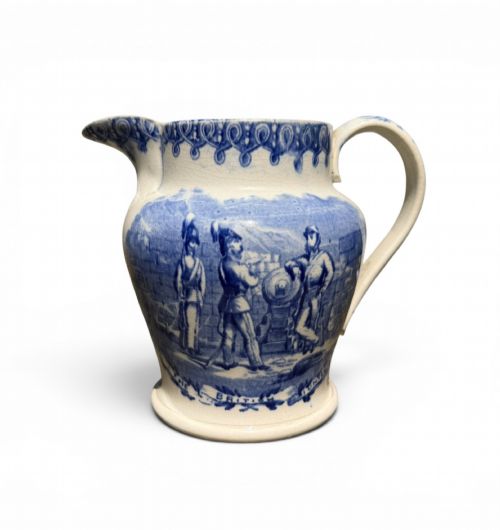
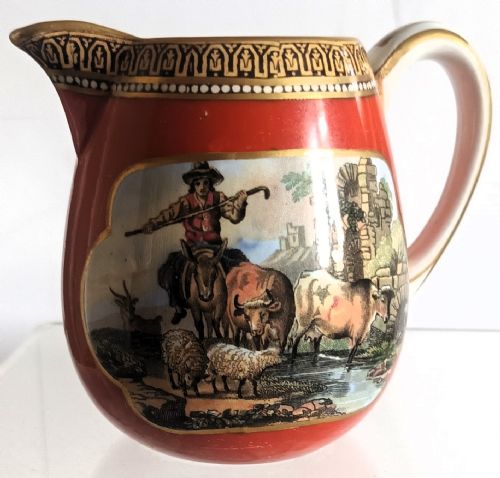
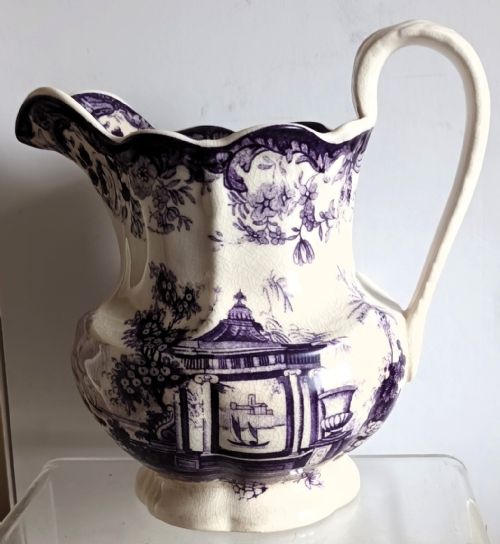
These victorian transferware pitcher examples are robust earthenware vessels bearing monochrome or polychrome printed designs that collectors prize for their rich domestic history.
Victorian Transferware Pitcher
When you search for a victorian transferware pitcher, you encounter earthenware jugs and water vessels produced across the nineteenth century. These utilitarian pieces served various domestic roles, from everyday table service to components of large washstand and bathroom sets.
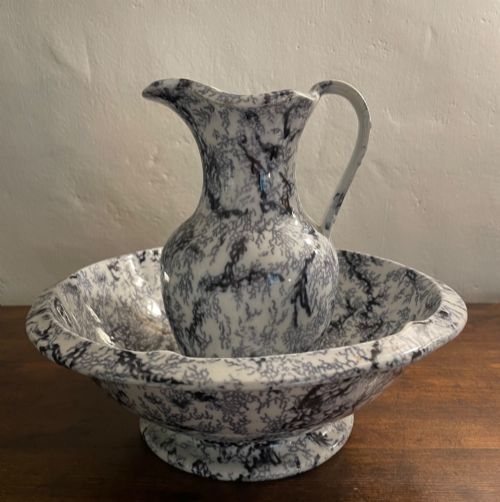
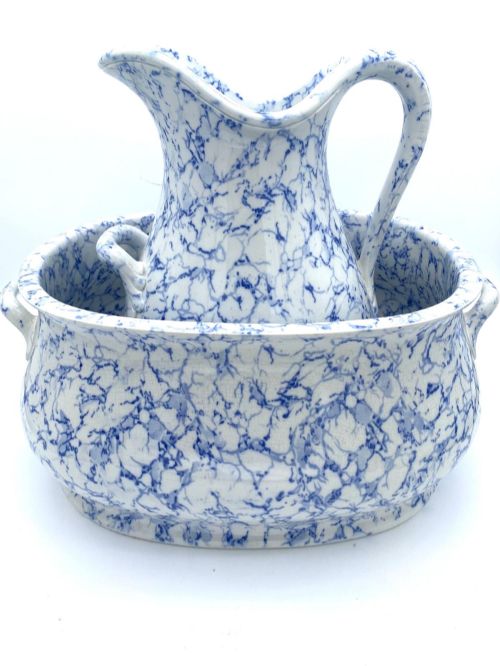
The inventory on this page spans the Victorian era alongside adjacent periods such as the Georgian and Edwardian eras. Forms range from simple cream jugs to large marriage jugs, footbath sets, and hotel ice water vessels.
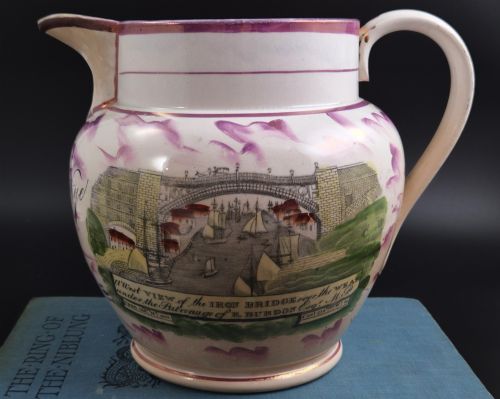
Most items stem from Staffordshire potteries, showcasing both classic flow blue patterns and commemorative subjects. You also find specialised decorative techniques including pink splash lustre glaze and polychrome enamel applications.
How They Were Made
Potters shaped these vessels from local earthenware and pearlware bodies before applying printed decorations via tissue paper transfers. Artisans frequently enhanced these monochrome or coloured prints by hand with enamel paints and metallic lustre glazes.
Many examples received a final application of gold leaf or gilt highlights around the rim and handle to elevate their decorative appeal. Firing in traditional kilns fixed the glaze over the transfer print, ensuring a durable finish for daily household use.
The inventory records pieces from the Georgian, Victorian, and Edwardian periods, including specialised Arts & Crafts and commercial wares.
What Varies in Quality
Quality rests upon the clarity of the transfer print and the precision of any hand-applied enamel or lustre decoration. Crisp lines without smudging distinguish finer output from standard commercial items.
The artistic ambition of the form also dictates standing, with standard washroom pieces sitting below elaborate commemorative jugs or marked works from notable manufacturers. Intricate detailing in moulded handles and specialised glaze effects elevate individual vessels.
Minton·Doulton Burslem
The Victorian Transferware Pitcher Glossary
- Transferware
- Earthenware decorated by printing a design from an engraved copper plate onto tissue paper, which was then transferred onto the unglazed or bisque ceramic body before glazing and firing. This technique allowed intricate patterns to be produced in volume.
- Flow Blue
- A style of transfer printing where cobalt blue ink deliberately bled into the surrounding white glaze during the kiln firing, creating a soft, misty outline. It gained immense popularity in the nineteenth century.
- Lustre Glaze
- A metallic film applied over the fired glaze to produce an iridescent, metallic sheen, often seen in pink or copper tones on nineteenth-century jugs. It required an additional, careful low-temperature kiln firing.
- Pearlware
- A refined earthenware developed in the late eighteenth century featuring a slightly bluish glaze that pooled in recesses, designed to mimic the appearance of Chinese porcelain. It served as a common body for early transfer-printed vessels.
- Earthenware
- Porous pottery fired at lower temperatures than stoneware or porcelain, requiring an impermeable glaze to hold liquids. It formed the practical foundation for the vast majority of domestic pitchers.
Victorian Transferware Pitcher: Frequently Asked Questions
How do I date a transferware pitcher?
Examine the ceramic body, glaze characteristics, and the style of the printed mark underneath the base. Earlier pieces often utilise pearlware bodies with softer blue tones, while later Victorian examples display brighter transfer colours and heavier earthenware.
Contextual clues like commemorative subjects or specific registry marks help narrow down the production decade. Comparing the handle shape and foot ring to dated examples in the record provides further chronological certainty.
Were these pitchers used for water or milk?
They served multiple household functions depending on their scale and the specific set they accompanied. Smaller forms acted as cream jugs or milk vessels for the dining table.
Larger vessels functioned as water jugs within bedroom washstand sets or hotel ice water containers. The presence of matching basins usually indicates a washing purpose rather than table service.
Can I use these antique jugs daily?
While structurally sound, antique earthenware requires careful handling due to its age and potential hairline cracks in the glaze. Hand washing in tepid water preserves the delicate lustre and enamel highlights.
Sudden temperature changes can stress the historical ceramic body, so avoid pouring boiling water directly into unheated pitchers. Displaying them as decorative objects or using them for dry arrangements ensures their longevity.
What causes the pink splash effect?
The pink splash or pink lustre effect results from gold or copper compounds applied to the glaze and manipulated during firing. Artisans created the mottled appearance by flicking or splashing the metallic solution onto the surface.
This technique produced a distinctive speckled halo around the transfer-printed central motifs, particularly favoured on nineteenth-century Sunderland wares.