
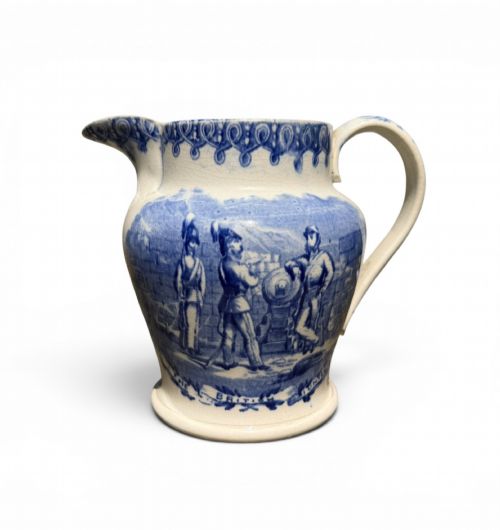
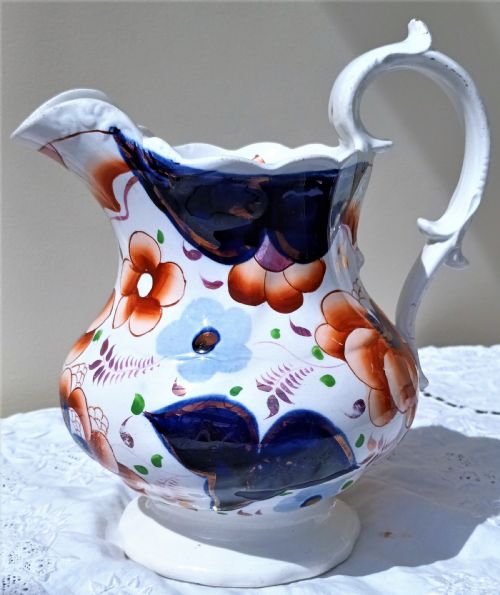
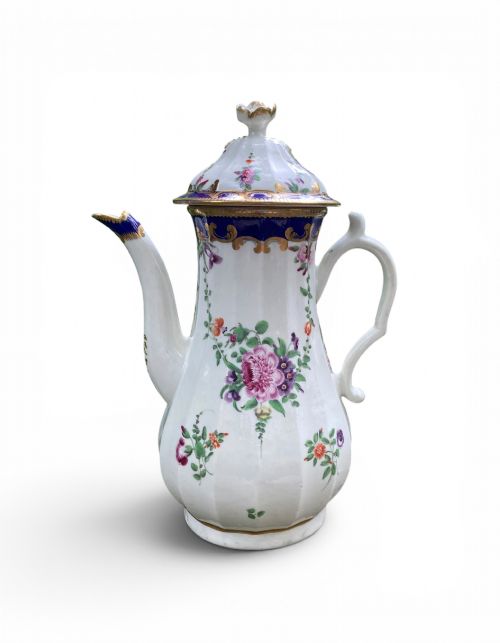
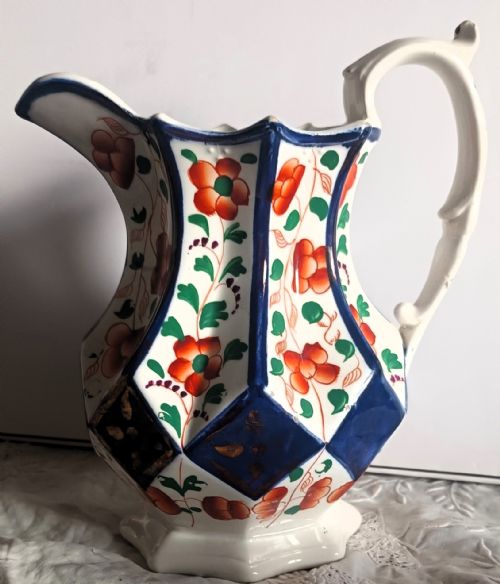
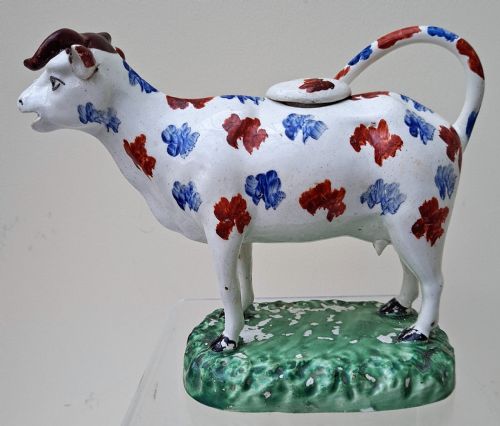
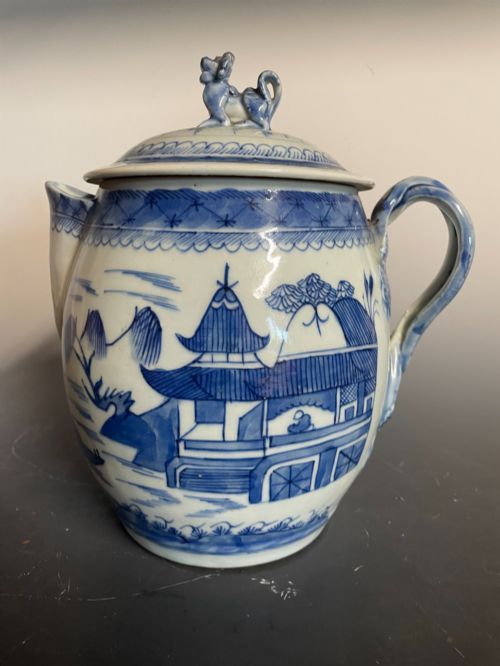


Antique Blue White Pitcher
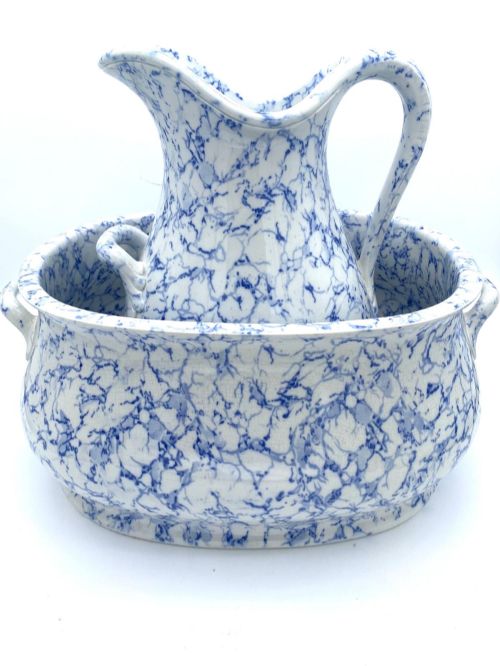
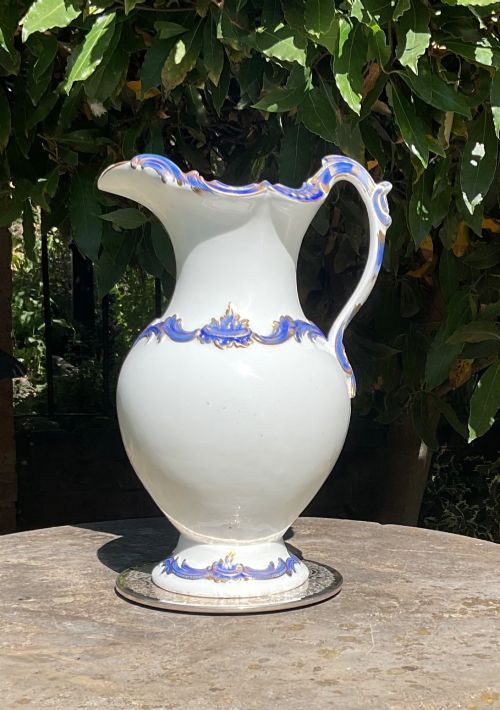
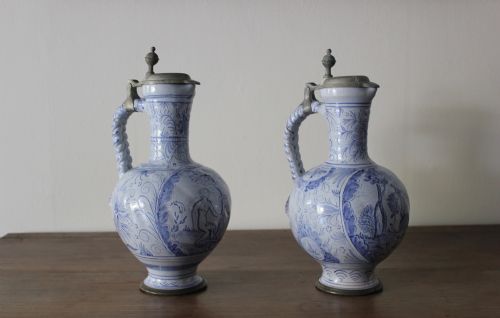
These antique blue white pitcher examples bring robust earthenware body and deep cobalt pigment straight to the table.
What these pieces are
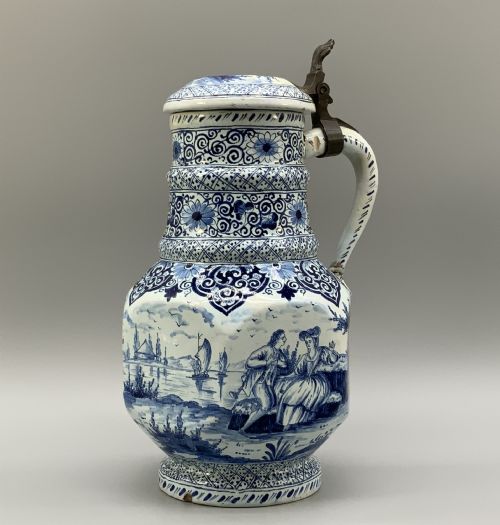
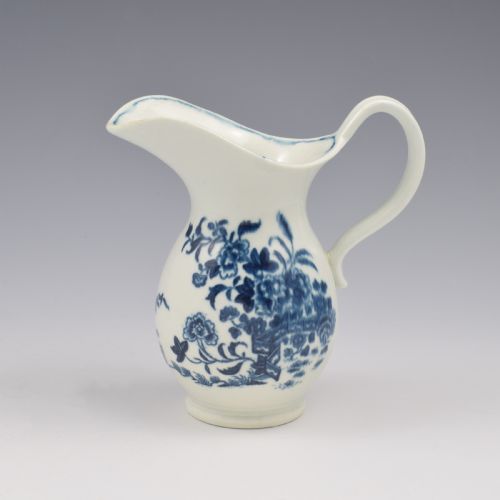
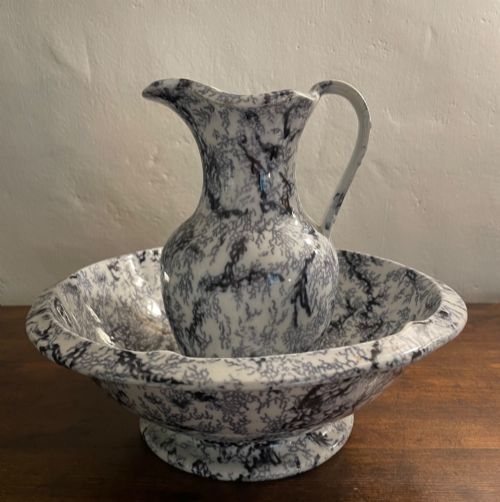
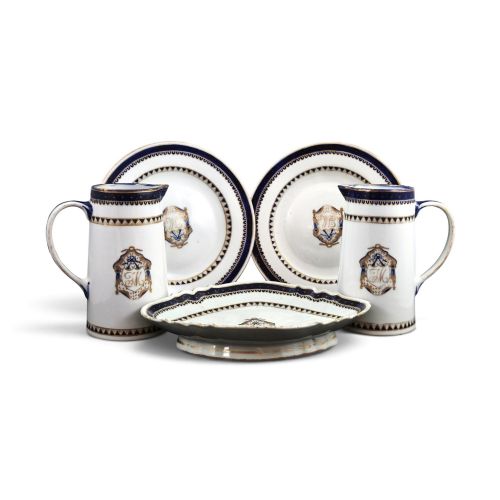
An antique blue white pitcher covers sturdy ceramic vessels intended for daily utility and table service across multiple historic eras. The listings here present various jugs and pitchers spanning the seventeenth, eighteenth, and nineteenth centuries.
Most pieces encountered on this page belong to the nineteenth century, including Victorian earthenware and transfer-printed Staffordshire pottery. These domestic containers showcase traditional forms alongside pictorial transfer scenes.
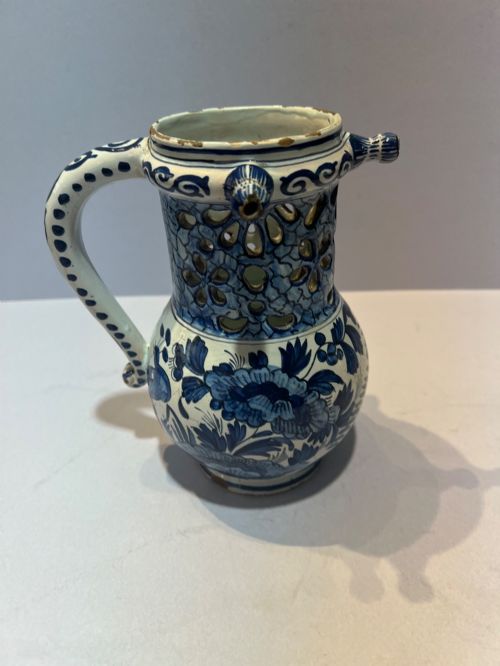
Earlier domestic examples bridge the gap into Dutch Delftware and Georgian salt-glazed or tin-glazed bodies. Collectors find both commemorative transfer wares and everyday vessels among the diverse origins recorded.
How they were made
Potters shaped these vessels from local clay bodies, applying liquid tin-glaze or transparent lead glaze to seal the porous earthenware. Artisans painted motifs directly onto the raw or fired surface before applying a protective glassy coating.
Nineteenth-century works often utilised copper-plate transfer printing to apply complex blue designs onto ceramic bodies before glazing and kiln firing. This mechanical transfer method allowed intricate topographical views and figurative scenes to cover the curved surfaces.
Retail Price Guide 2026
Typical UK retail prices for blue white pitcher, calculated from the Sellingantiques database of over a million retail prices indexed since 2003. This retail price guide relies exclusively on Sellingantiques data; no external sources or auction records are used, so the figures do not describe the wider market.
The site listings feature earthenware and ceramic bodies finished with lead glaze or tin-glaze across multiple centuries.
What varies in quality
Quality rests in the crispness of the cobalt transfer print and the clarity of the underlying white glaze. Finer examples retain sharp architectural details in historical scenes without blurring or ink pooling.
The weight of the earthenware body and the balance of the handle dictate the tactile merit of the pitcher. Superior specimens demonstrate skilled potter's wheel execution and even glaze distribution across the base.
Doulton Lambeth·John Rogers and Son·Staffordshire pottery
The Antique Blue White Pitcher Glossary
- Earthenware
- Porous pottery fired at lower temperatures than stoneware, requiring a glaze to hold liquids. This body forms the foundation of most domestic pitchers.
- Tin-Glazed Earthenware
- Pottery coated with an opaque white glaze containing tin oxide, providing a smooth canvas for blue cobalt painting. This technique underpins traditional Delftware production.
- Transfer-Printed
- A decoration method where an engraved copper plate transfers a printed ink design onto paper and then onto unglazed or biscuit ceramic. This innovation transformed nineteenth-century pottery decoration.
- Lead Glaze
- A shiny protective coating made from lead compounds melted onto the clay body during firing. It gives early utilitarian jugs their characteristic glossy sheen.
Frequently Asked Questions
How do I date an old pitcher?
Examine the base material, glaze characteristics, and any transfer-printed historical scenes to establish the era of manufacture. Nineteenth-century examples often display clear maker marks and transfer patterns.
Earlier seventeenth and eighteenth-century pieces rely on tin-glaze composition and hand-painted brushwork for chronological placement.
Were these jugs used for water?
These ceramic vessels served multiple domestic functions including holding water, milk, or beer at the dining table. Their sturdy earthenware construction suited heavy daily use in historic kitchens.
Some larger transfer-printed forms functioned as footbath jugs or large service pieces rather than simple table pitchers.
What is Dutch Delftware?
Dutch Delftware comprises tin-glazed earthenware produced in the Netherlands, heavily influenced by imported Chinese blue and white porcelain. These pieces feature characteristic cobalt painting on an opaque white surface.
Early examples often incorporate Chinoiserie motifs alongside European floral borders.
How should I clean my ceramic jug?
Wash antique earthenware gently by hand using warm water and mild soap, avoiding harsh scrubbing or dishwashers. The porous historic body and delicate glaze require careful handling.
Patinated surfaces and old glaze crazing remain sensitive to modern chemical detergents.