



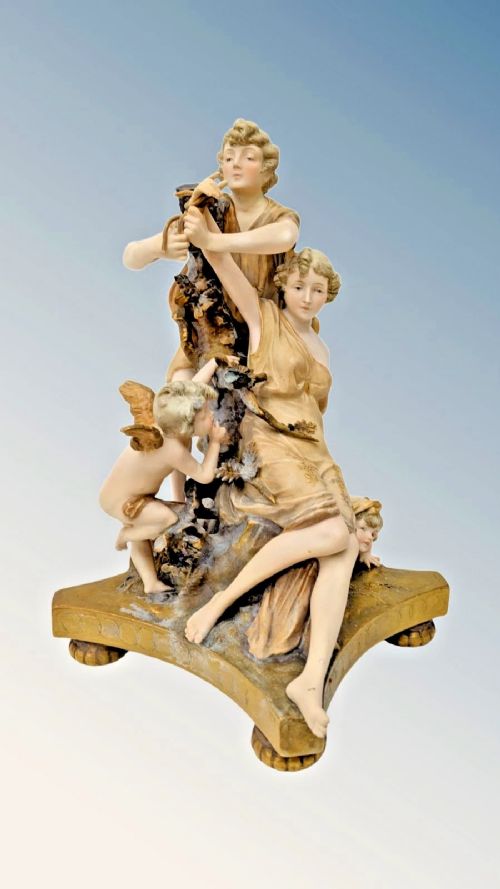


Victorian Terracotta Sculpture
Victorian terracotta sculpture brings substantial presence to interiors and gardens, offering modelled detail and warm earthy tones that suit both classical and relaxed schemes.
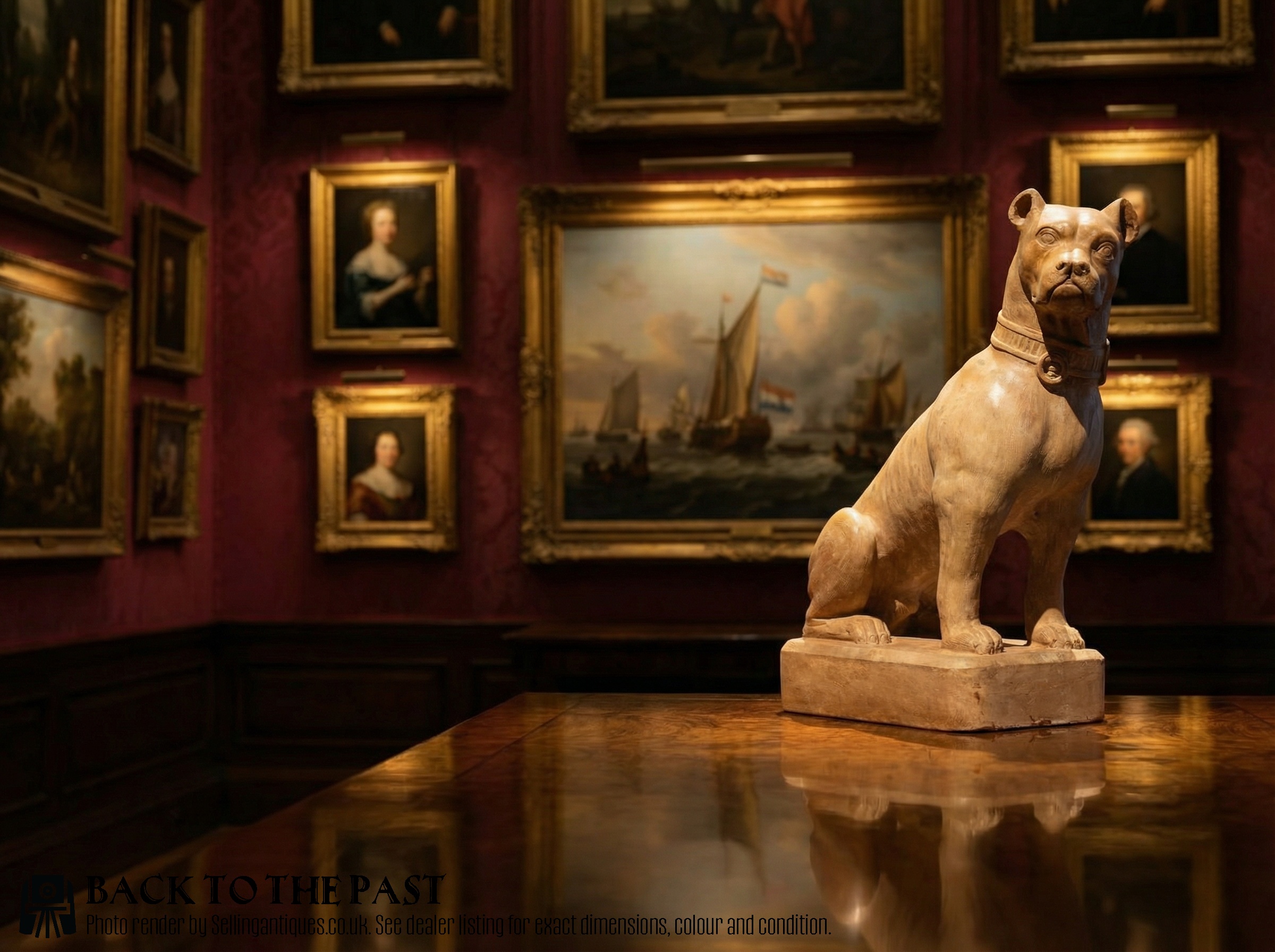
Victorian Terracotta Sculpture
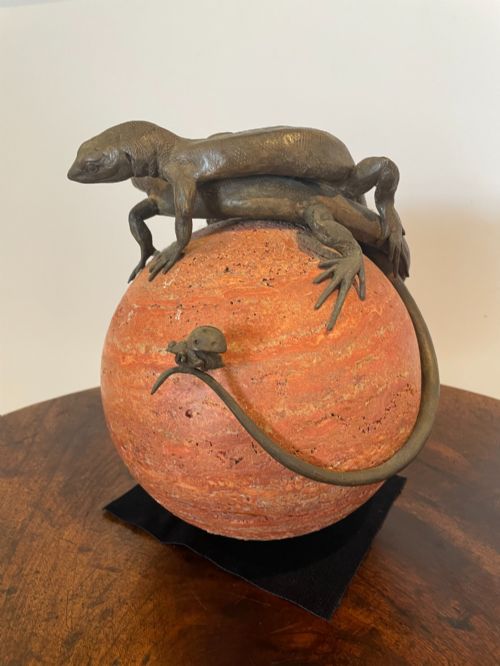
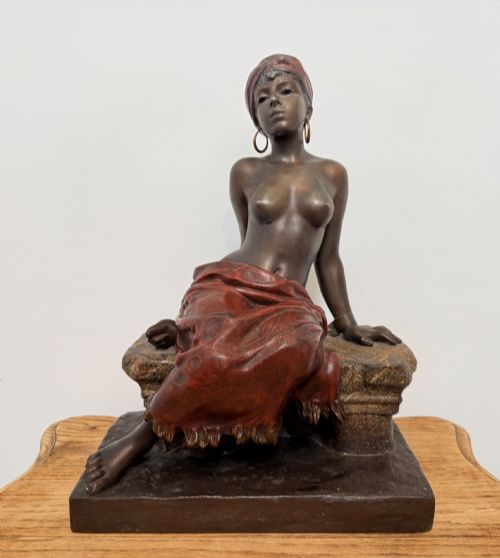
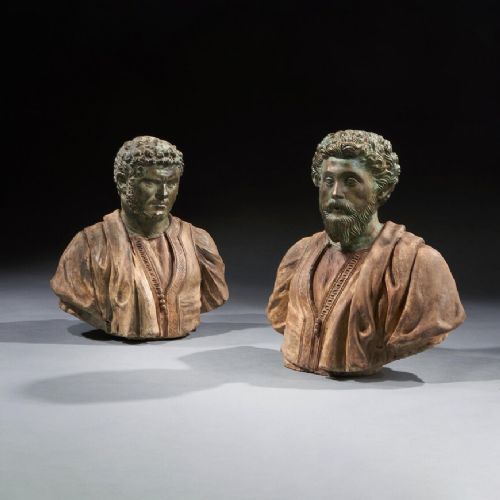
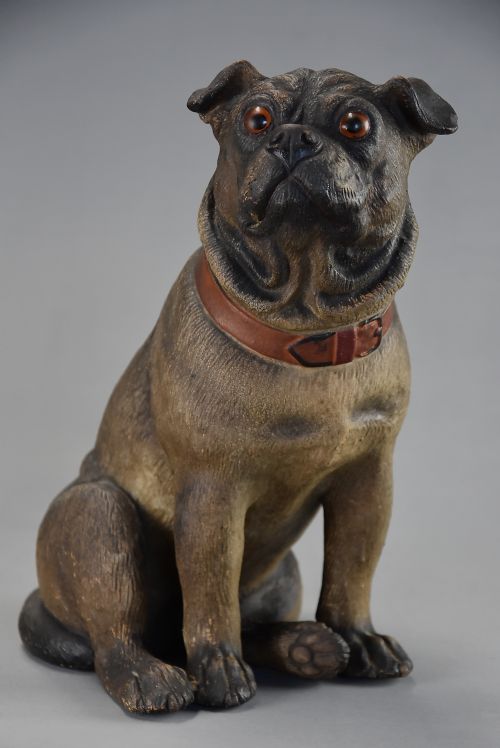
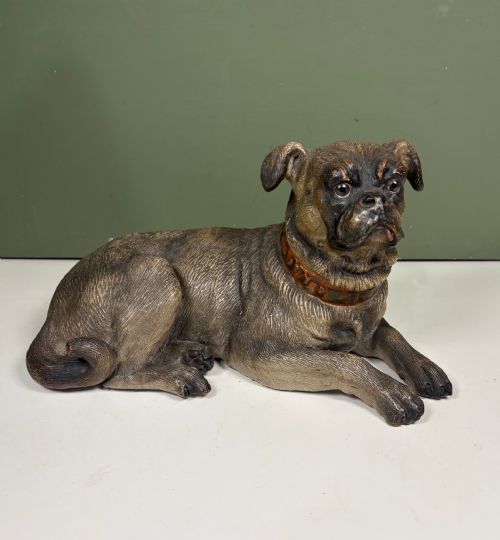
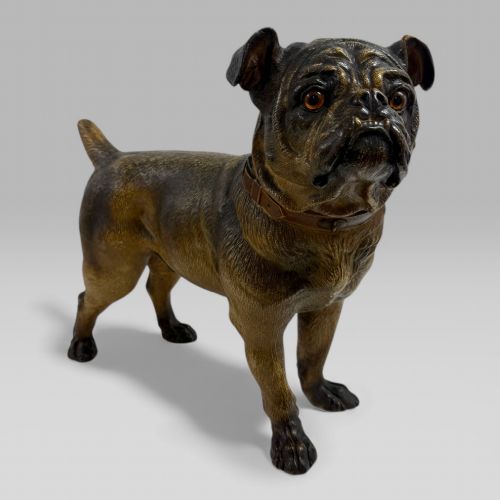
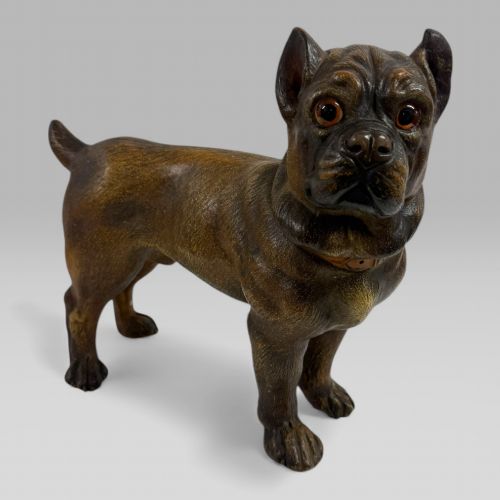
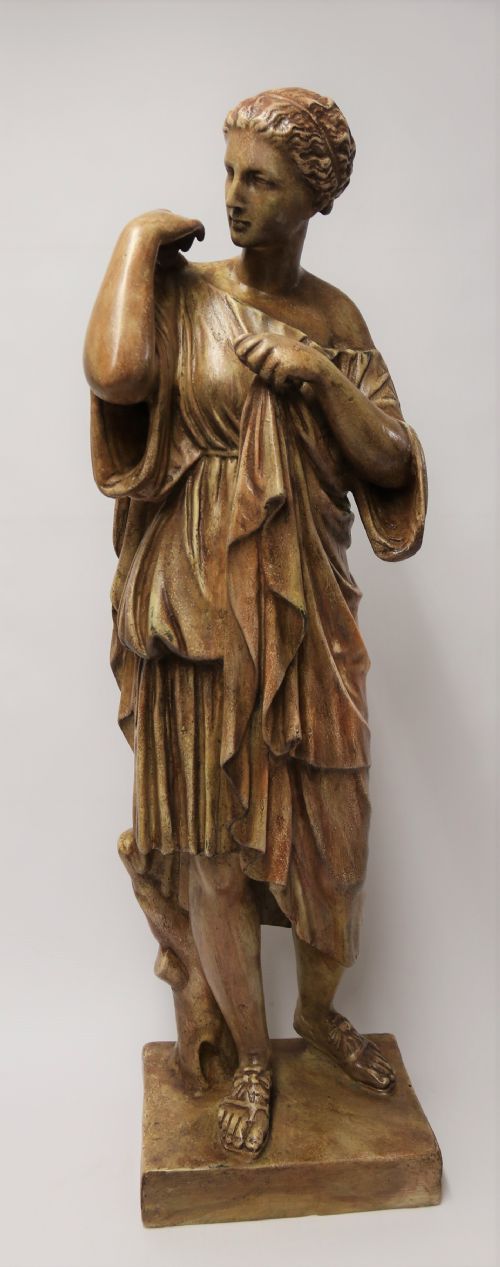
Victorian terracotta sculpture encompasses figures, animalier subjects, and portrait busts produced during the nineteenth century. These works range from life-size garden lions and domestic pugs to classical human figures and detailed portrait busts.
The objects listed display diverse stylistic influences, including Neoclassical, Art Nouveau, and Orientalist themes. Animal subjects such as lions, pugs, and greyhounds appear frequently alongside human figures derived from classical history and mythology.
Makers and studios from Austria, England, and other European regions generated these pieces utilising earthenware, pottery, and ceramic bodies. The resulting forms serve as both decorative centrepieces and substantial garden ornaments.
Materials and Techniques
Makers utilised earthenware, terracotta, and ceramic clay bodies, often fired to achieve buff or warm reddish tones. Some examples received surface treatments including paint, cold painting, or a glazed finish.
Sculptors modelled subjects by hand or cast them in moulds before kiln firing. Certain pieces incorporate auxiliary materials such as plaster or glass elements to complete the decorative composition.
Listings feature works spanning the nineteenth century, utilising terracotta, pottery, ceramic, and earthenware across Austrian, English, and continental traditions.
Factors Determining Quality
The crispness of modelling and depth of surface detail distinguish superior works from simpler productions. Master modellers achieved realistic expressions and fluid drapery that lesser artisans missed.
Scale and ambition dictate distinction, particularly in life-size animalier groups and large portrait busts. Surface finishing, such as careful cold painting or fine glazes, further separates standard pottery from works produced by notable European manufactories.
E Villanis·Thomas Parr·Goldscheider·Ernst Wallace·Bernard Bloch·Pietro Calvi·Frederic Goldscheider
The Victorian Terracotta Sculpture Glossary
- Terracotta
- Fired unglazed earthenware clay of a brownish-red or buff colour. It serves as the primary medium for nineteenth-century figurative and architectural modelling.
- Animalier
- Artworks depicting realistic animals in naturalistic poses. This nineteenth-century sculptural focus includes lions, dogs, and lizards.
- Cold Painted
- Paint applied to a cured terracotta surface without subsequent kiln firing. This technique adds colour detail to animal and human figures.
- Earthenware
- Porous pottery fired at relatively low temperatures. It requires a glaze or paint layer to become impermeable.
- Bust
- A sculpted representation of a person from the chest up. Portrait examples depict historical figures, literary characters, and private sitters.
Victorian Terracotta Sculpture: Frequently Asked Questions
Where were Victorian terracotta sculptures placed?
Garden statues and life-size lions stood outdoors on terraces, pedestals, or garden paths, enduring the elements due to the durable nature of fired clay.
Smaller figures, busts, and animal models inhabited interior spaces, serving as mantelpiece ornaments, centrepieces, and library decorations.
How do I care for terracotta sculpture?
Indoor pieces require only gentle dusting with a soft brush to maintain the porous surface without introducing moisture.
Outdoor sculptures need protection from severe frost during winter months to prevent cracking and moisture expansion within the clay body.
What subjects are most common?
Animalier subjects feature prominently, with domestic pugs, guard lions, and hunting dogs appearing across multiple European foundries and potteries.
Human figures draw heavily from classical mythology, Orientalist themes, and portraiture representing literary figures, historical caesars, and everyday characters.
How do I identify the period?
Stylistic cues such as Neoclassical drapery, Art Nouveau curves, and Victorian realism help narrow the date of execution within the nineteenth century.
Physical markers including maker stamps, impressed registry marks, and distinctive ceramic bodies assist in confirming nineteenth-century manufacture.