

Victorian Terracotta Pottery
Victorian terracotta pottery brings heavy nineteenth-century warmth into a room through moulded figures, jardinieres, and vases.

Victorian Terracotta Pottery
Victorian terracotta pottery encompasses robust earthenwares and decorative figures shaped during the nineteenth century across British and continental kilns. Collectors searching for victorian terracotta pottery encounter utilitarian dairy bowls, garden ornaments, and mantel ornaments modelled as animals or classical figures.
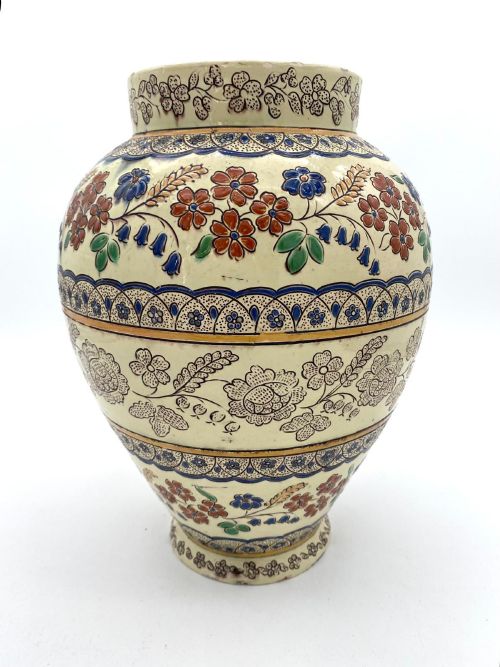
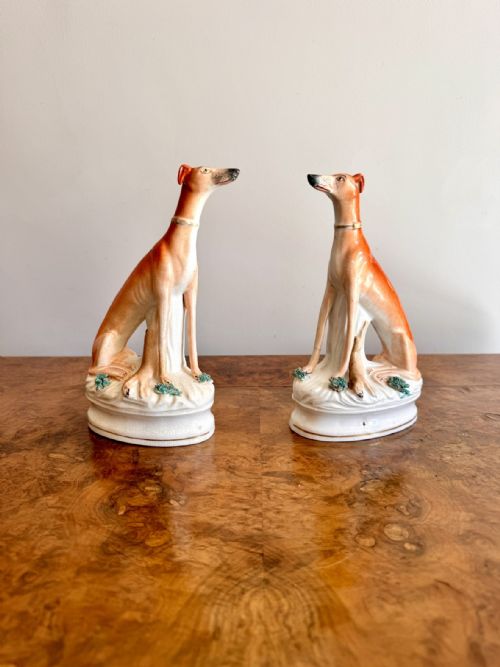
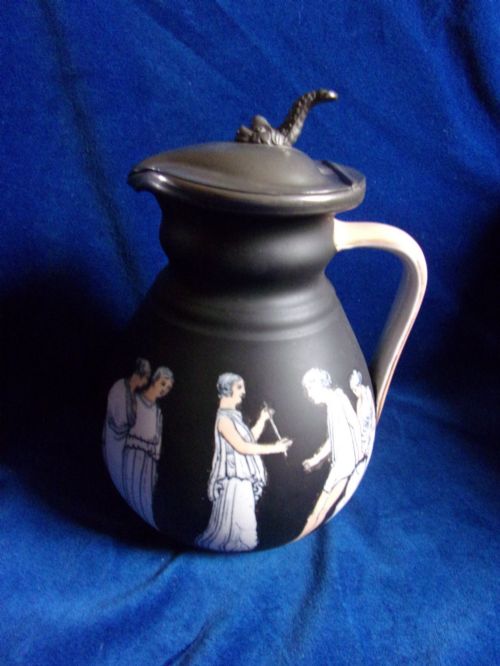
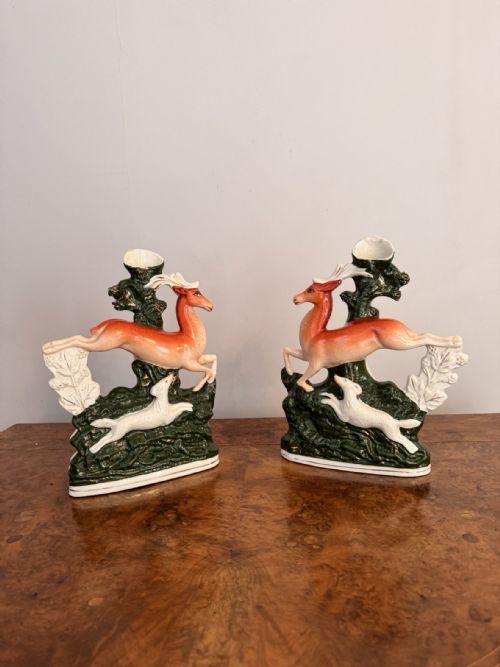
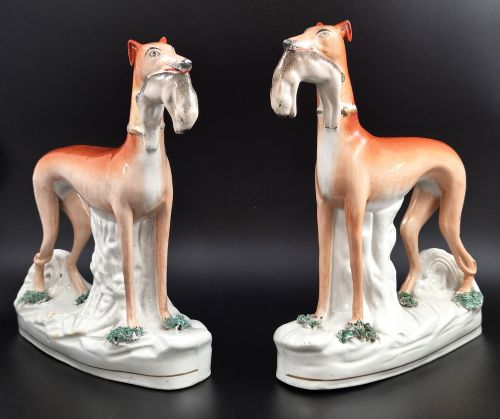
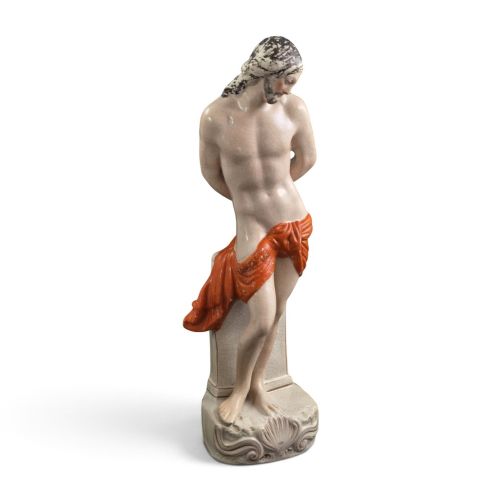
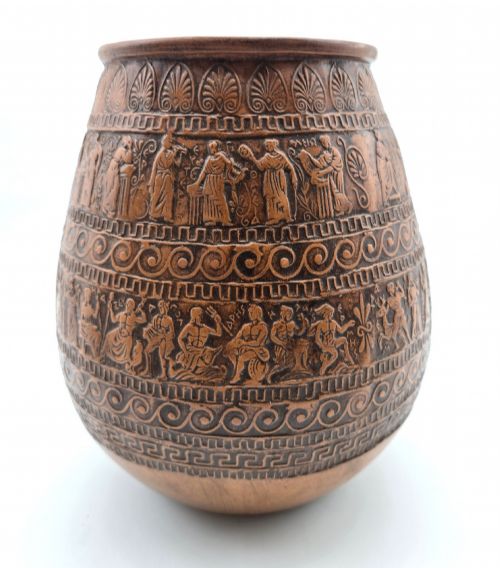
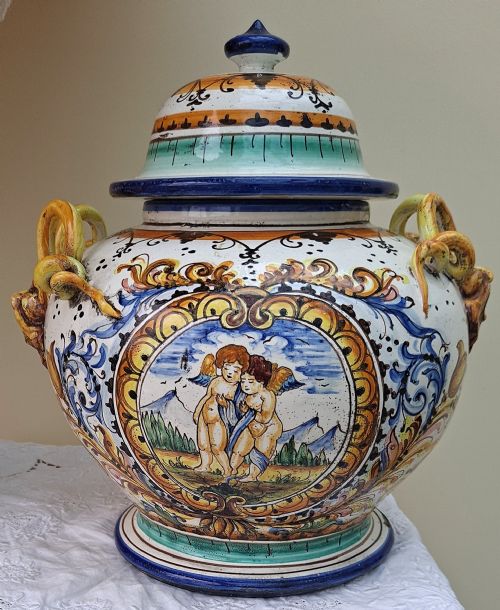
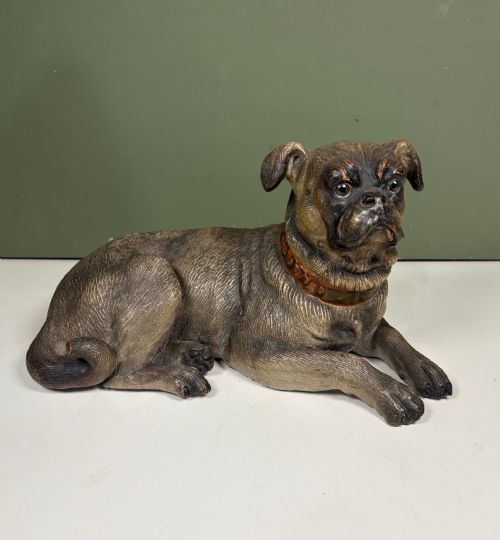
The selection on this page leans heavily toward nineteenth-century Staffordshire animals, Scottish vessels, and continental majolica or terracotta vases spanning the eighteen-fifties to the eighteen-nineties. These pieces reflect both vernacular country traditions and revivalist tastes ranging from Greek antiquity to the Renaissance.
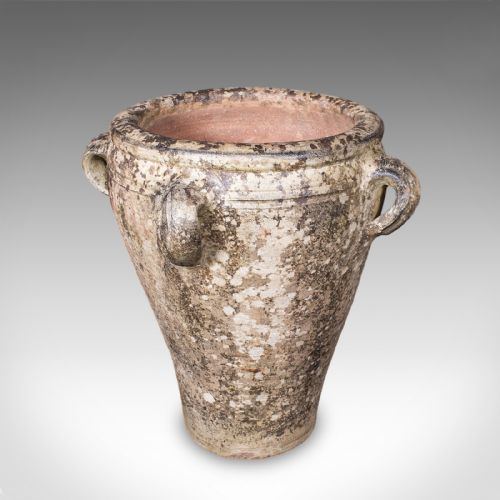
Domestic and garden forms dominate the offerings, from spill vases and money boxes to large planters and amphorae. Each object demonstrates the nineteenth-century potter's facility with porous clay bodies for both functional and ornamental household roles.
Materials and Techniques
Makers utilised porous earthenware and terracotta bodies, often finished with lead glazes, enamel, or slip decoration. Potters shaped these clays through pressing into moulds or throwing on wheels, capturing fine details in figures and vessels alike.
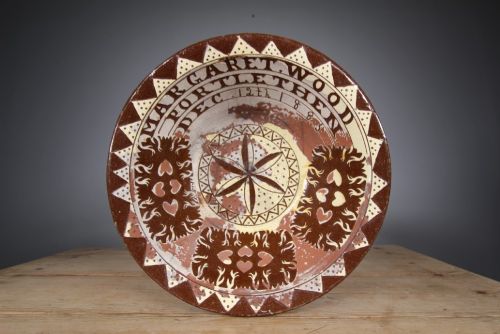
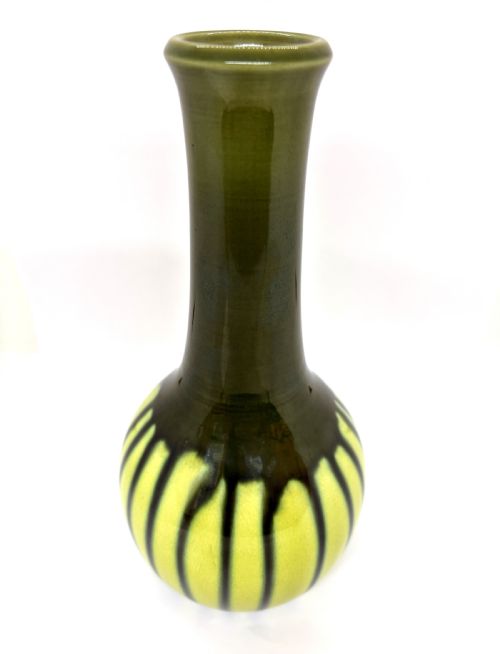
Surface treatments in the evidence include gold leaf, gilt highlights, and intricate slipware patterns. Kiln firings varied from low-temperature biscuit burns to higher heats for glazed majolica and stoneware finishes.
Victorian Terracotta Pottery Retail Price Guide 2026
Typical asking prices for victorian terracotta pottery among the pieces listed under this phrase on Sellingantiques today, from the lower quarter to the upper quarter. They describe what is for sale here now, not the wider market.
Listings feature nineteenth-century earthenware and terracotta from British, Scottish, and continental potteries.
Defining Quality in Nineteenth-Century Ceramics
The sophistication of the glaze and the ambition of the form also separate standard vernacular wares from exhibition-grade studio pieces. Weight, balance, and the preservation of original gilding or enamels determine the standing of an individual piece.
Thomas Parr·Goldscheider·Bernhard Bloch·Doulton Lambeth
The Victorian Terracotta Pottery Glossary
- Terracotta
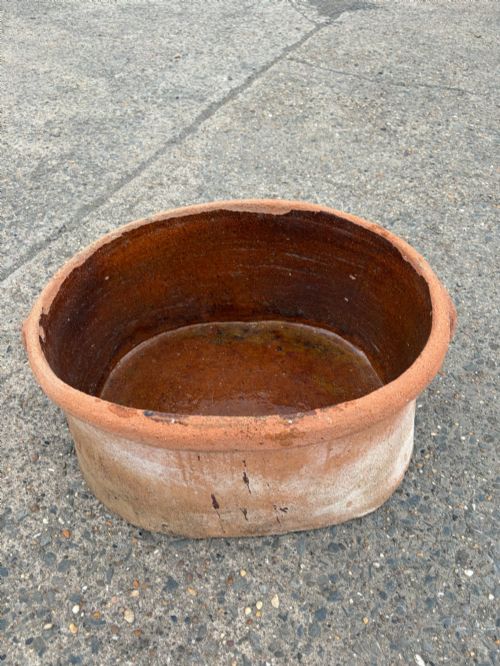
- Fired, unglazed or glazed clay of a brownish-red colour. It forms the structural base for many nineteenth-century horticultural vessels and sculptural figures.
- Slipware
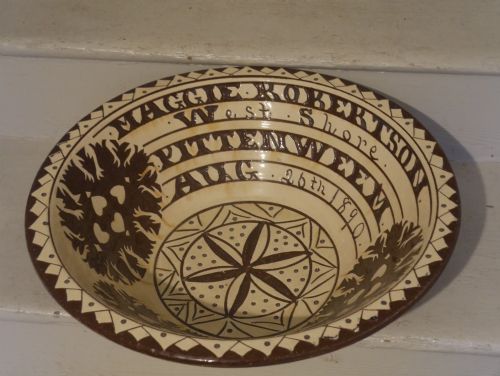
- Pottery decorated with a liquid clay mixture applied before firing. This technique creates contrasting patterns on utilitarian bowls and serving dishes.
- Spill vase
- A small hollow holder designed to keep tapers for lighting candles or pipes. These are frequently modelled as animals or rustic figures in nineteenth-century pottery.
- Jardiniere
- An ornamental pot or stand for holding plants or flowers. Large ceramic examples often feature moulded classical or naturalistic motifs.
Victorian Terracotta Pottery: Frequently Asked Questions
How do I clean antique terracotta?
Dust porous unglazed terracotta gently with a soft, dry brush to protect the dry clay body.
Avoid using water or chemical cleaners on unglazed pieces, as moisture can penetrate the porous fabric and cause degradation.
Can these pots hold water?
Unglazed terracotta vessels remain porous and will seep moisture if filled directly with water.
Utilise a small glass or plastic liner inside antique vases and jardinieres if you plan to display fresh cut flowers.
How do I date Staffordshire figures?
Examine the base, glaze texture, and modelling style to determine the approximate decade of production.
Nineteenth-century pieces often display characteristic crazing in the glaze and hand-painted touches that differ from later reproductions.
Where were these pieces displayed?
Owners placed smaller figures on mantelpieces and side tables as decorative conversation pieces.
Larger jardinieres and amphorae stood in conservatories, hallways, or gardens to display large plants.