

Victorian Black Ceramic
Victorian black ceramic pieces bring dark, glossy depth to interiors through utilitarian vessels and decorative figures.

Victorian Black Ceramic
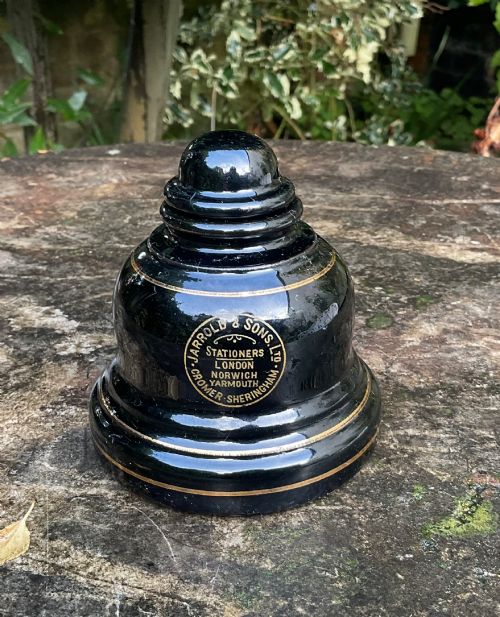
Victorian black ceramic encompasses dark-glazed earthenware, basalt pottery, and transfer-printed vessels originating across the nineteenth century. These objects range from functional milk jugs and loving mugs to ornamental figurines, mantel ornaments, and desk accessories.
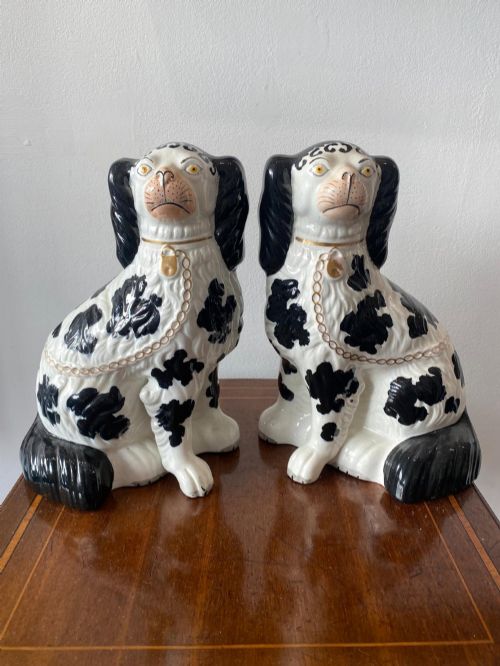
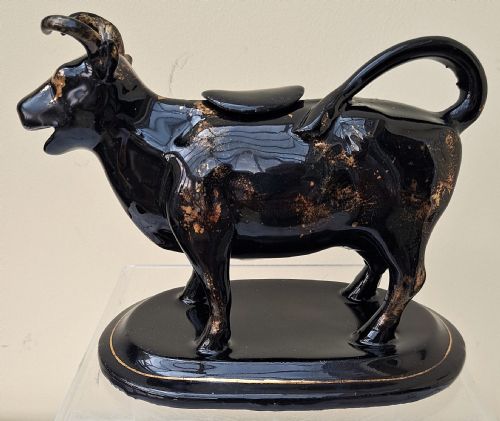
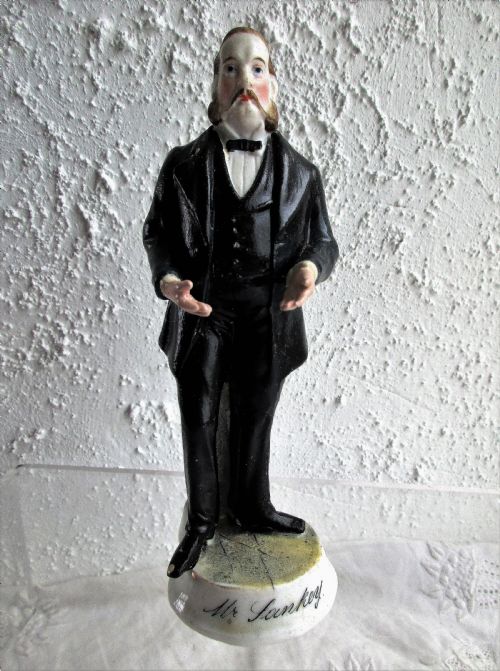
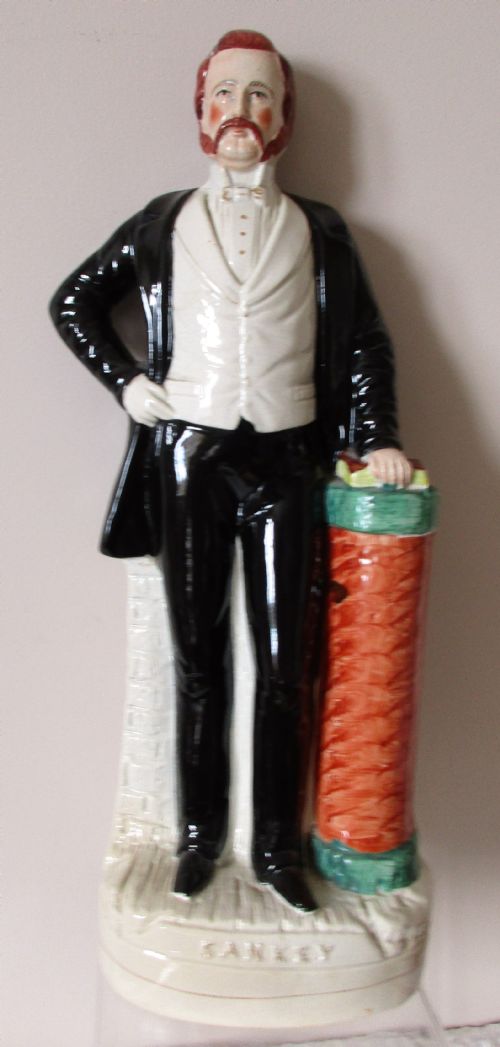
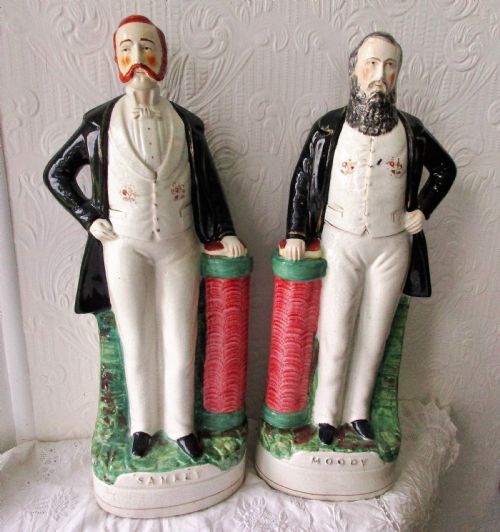
Buyers encountering this search phrase will regularly find Staffordshire pottery dogs, Jackfield-type cow creamers, and dark-bodied vases spanning the Victorian and late Victorian periods. Such pieces rely on rich glazes and dark ceramic bodies to achieve their distinct silhouette and surface finish.
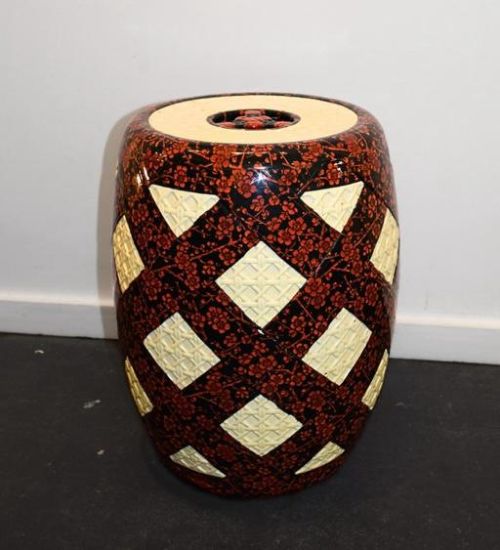
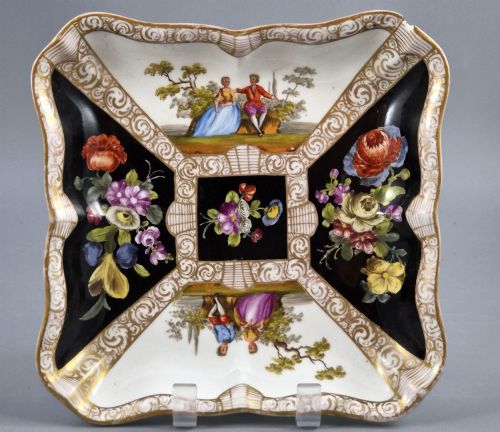
The selection includes both English earthenware traditions and continental porcelain items featuring black grounds or painted decoration. Each piece reflects the nineteenth-century preference for varied tonal contrasts in domestic display items and tablewares.
Materials and production methods
Potters utilised earthenware and heavy ceramic bodies, often finished with a high-gloss black glaze or deep slip to create an opaque, reflective surface. Transfer printing supplied complex hunting scenes and pictorial details onto the clay bodies before firing.
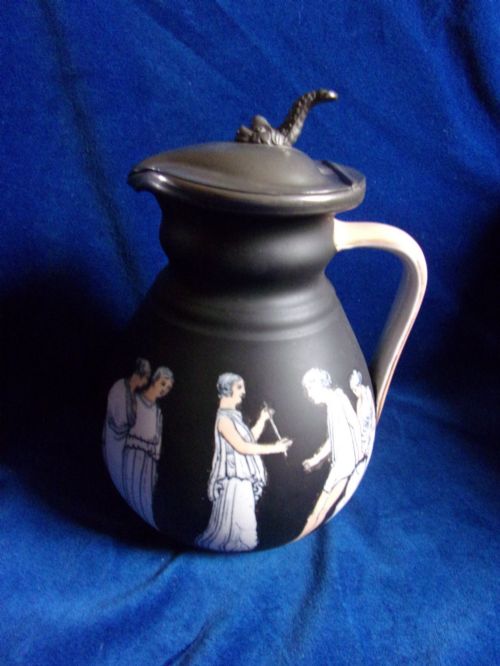
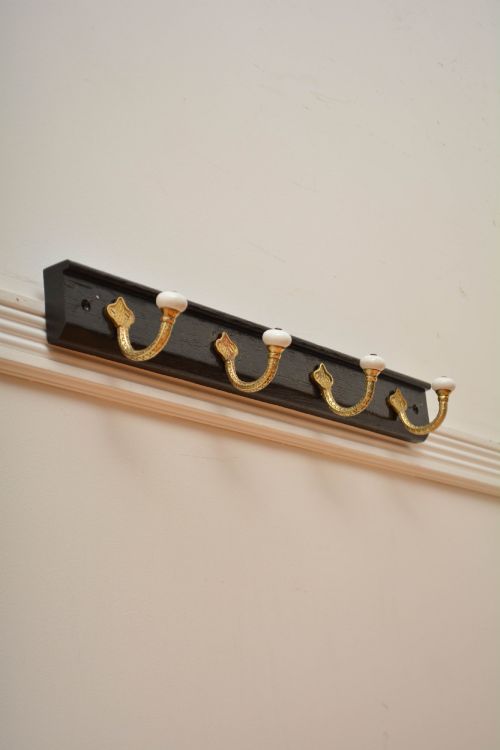
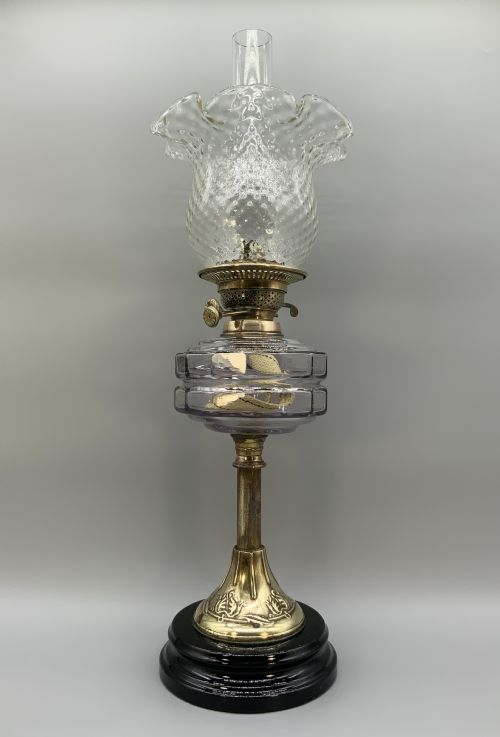
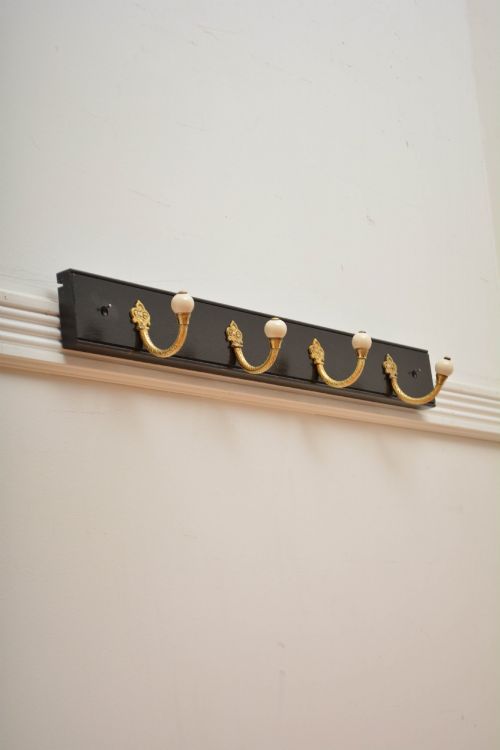
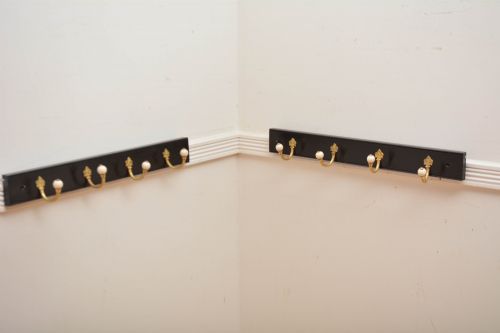
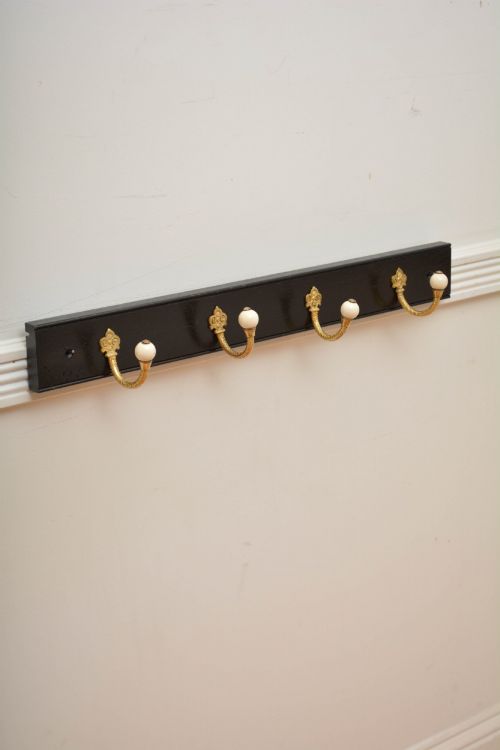
Glazing techniques determined the depth of the dark finish, ranging from the mirror-like shine of Jackfield wares to the dry, matte texture characteristic of fine basalt pieces. Metal mounts, brass fittings, and painted enamel highlights were frequently added to complete functional items like oil lamps and coat racks.
Victorian Black Ceramic Retail Price Guide 2026
Typical asking prices for victorian black ceramic among the pieces listed under this phrase on Sellingantiques today, from the lower quarter to the upper quarter. They describe what is for sale here now, not the wider market.
Listings feature nineteenth-century earthenware, porcelain, and stoneware combined with brass, gilt, and ebonised wood across various functional forms.
Assessing quality in dark ceramics
Superior examples display crisp modelling in moulded figures and sharp definition in transfer-printed motifs without blurring or running in the glaze. The consistency and depth of the black surface layer separate standard utilitarian wares from finely potted display pieces.
The integration of secondary materials such as brass, gilt, or enamel work dictates the overall standard of manufacture in lamps and decorative vessels. Finer items maintain smooth ceramic surfaces free from heavy kiln blemishes and uneven pooling in the dark glaze.
Meissen·Minton·Royal Worcester·Bernhard Bloch·Beswick
The Victorian Black Ceramic Glossary
- Jackfield
- A type of British earthenware characterised by a deep, glossy black glaze over a red or buff clay body.
- Basalt
- A fine-grained, unglazed stoneware invented by Josiah Wedgwood, prized for its dense matte black finish and sharp moulded detail.
- Transfer printing
- A method of applying detailed designs to ceramic surfaces by pressing paper or tissue inked with copperplate engravings onto the biscuit ware.
- Staffordshire pottery
- Earthenware figures and animals produced by numerous factories in the English Midlands throughout the nineteenth century.
- Loving mug
- A large two-handled drinking vessel often decorated with transfer prints, hunting scenes, or humorous interior details.
Victorian Black Ceramic: Frequently Asked Questions
What is Jackfield pottery?
Jackfield pottery refers to British earthenware covered in a lustrous, dark black glaze that gives the ceramic a distinctive reflective finish.
Potters produced tea wares, jugs, and novelty pieces using this glossy coating throughout the Victorian era.
How do I clean black ceramics?
Dust these pieces gently with a soft, dry brush to prevent accumulation in moulded crevices and detailed areas.
Avoid harsh chemical cleaners that might dull the dark glaze or damage any painted enamel highlights.
Were black ceramic mugs used for drinking?
Loving mugs and large vessels served communal drinking functions at gatherings, often featuring transfer-printed hunting scenes.
Some novelty examples contained hidden elements inside, such as ceramic frogs designed to surprise the drinker.
How are basalt ceramics different?
Basalt is an unglazed stoneware with a fine matte texture rather than a shiny glossy glaze layer.
This material allows for exceptionally sharp relief work and crisp modelling on decorative milk jugs and vases.