


Victorian Telescopic Lamp
A victorian telescopic lamp provides adjustable illumination through clever mechanical extension, combining period character with practical height control.
Victorian Telescopic Lamp
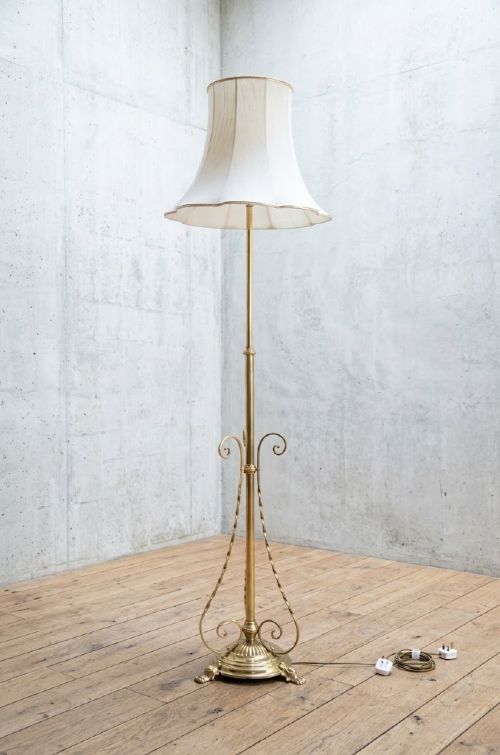
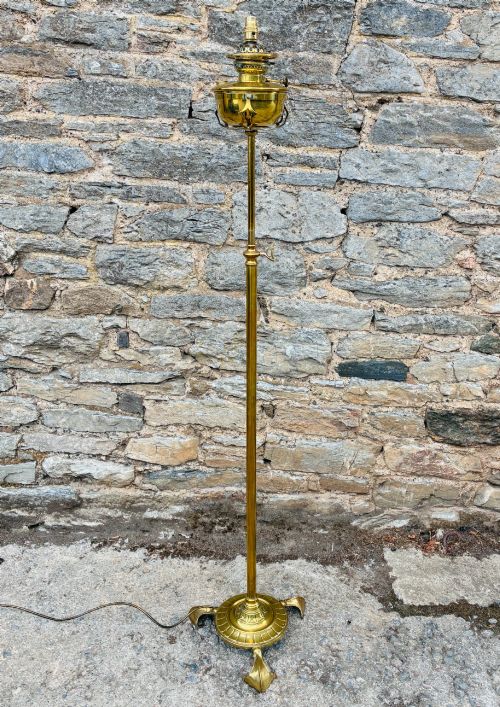
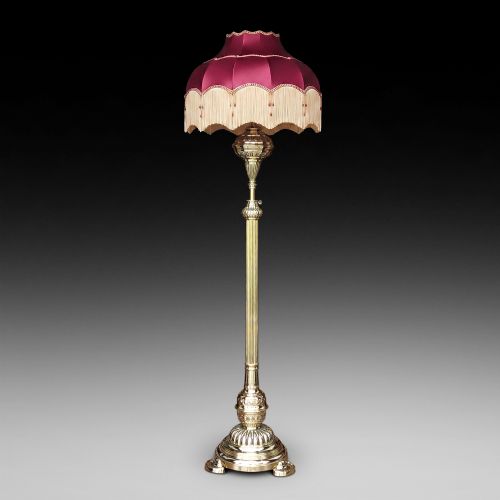
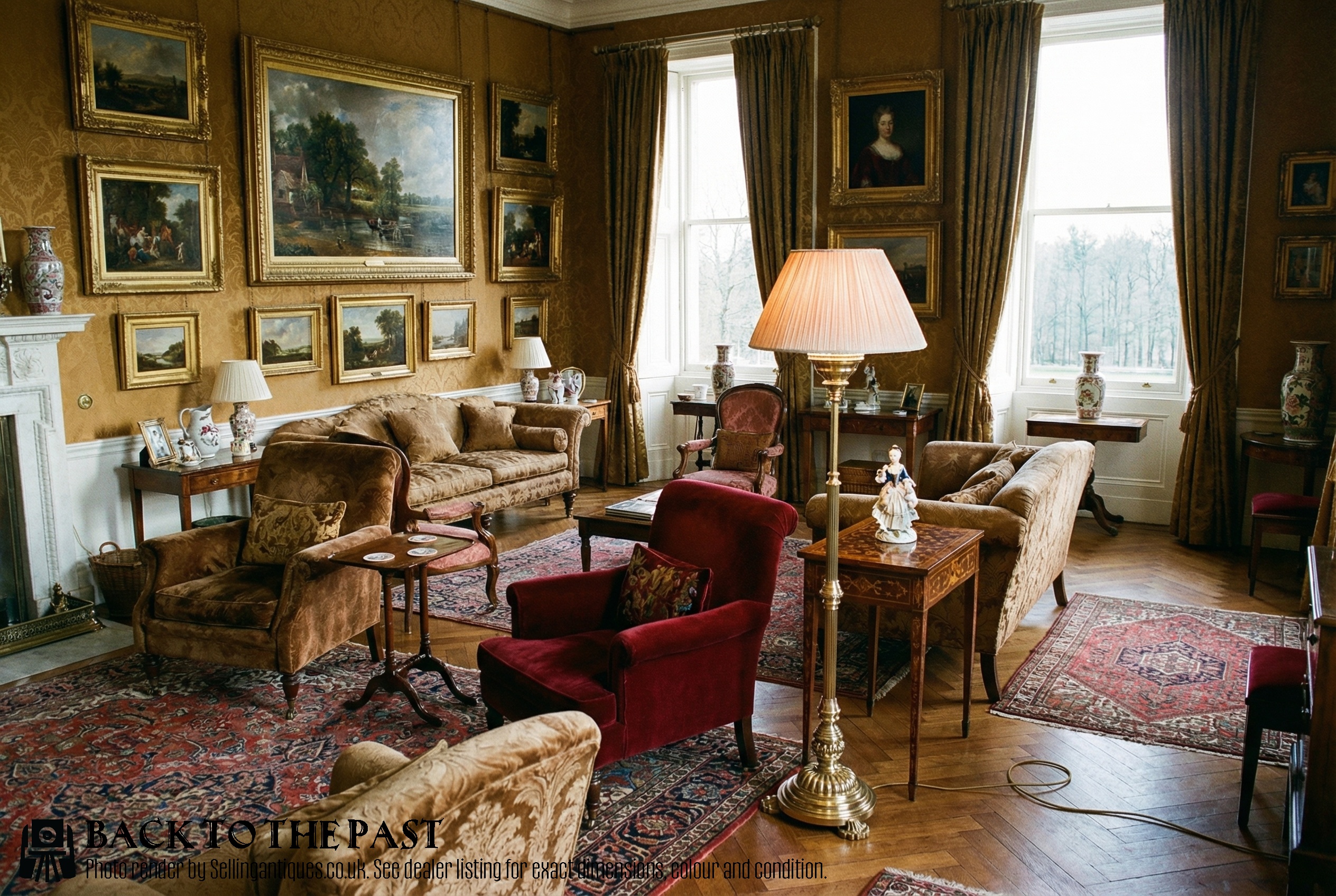
When searching for a victorian telescopic lamp, you are examining tall floor-standing lighting designed with a sliding shaft that alters height. The versions most commonly met on this page are upright brass standards, often featuring weighted bases and originally built for oil burning before later conversion to electricity.
These pieces emerge primarily from the nineteenth century, spanning Victorian decades alongside related Arts and Crafts and Edwardian examples. Makers and manufacturers utilised extendable mechanisms to alter light projection across sitting rooms and drawing rooms.
Beyond standard brass columns, objects appear in combinations of copper, wrought iron, onyx, ormolu, and ceramic elements. Many retain traces of their oil-burning origins, whilst others present simplified profiles adapted for modern domestic wiring.
What varies in quality
Superior examples distinguish themselves through heavier gauge metal, substantial weighted bases, and precise engineering in the sliding telescopic mechanism. Lesser pieces rely on thin tubing that flexes when fully extended or utilise simpler joints without secure locking mechanisms.
The refinement of cast details, such as crisp fluting on Corinthian columns or hand-finished brass work, separates standard production items from workshop-made pieces bearing maker attributions.
Victorian Telescopic Lamp Retail Price Guide 2026
Typical asking prices for victorian telescopic lamp among the pieces listed under this phrase on Sellingantiques today, from the lower quarter to the upper quarter. They describe what is for sale here now, not the wider market.
Hinks of B'ham·Messenger
The Victorian Telescopic Lamp Glossary
- Telescopic
- An extendable mechanism consisting of nested tubes that slide within one another to alter overall height. This allows the lamp to adjust for different seating arrangements and ceiling heights.
- Standard Lamp
- A heavy floor-standing lighting column designed to illuminate a room from standing height. These fixtures typically sit on a wide base for stability.
- Corinthian Column
- An architectural column capital featuring carved acanthus leaves and scrolls, frequently adapted for the top section of brass floor standards. This decorative style reflects classical revival tastes.
- Ormolu
- Gilded bronze or brass applied as decorative mounts on furniture and lamp bases. The technique adds metallic lustre to stone or ceramic pedestals.
- Rise and Fall
- An alternative description for height-adjustable mechanisms that move vertically. The term denotes the ability to raise and lower the light source smoothly.
Victorian Telescopic Lamp: Frequently Asked Questions
How do I adjust the height?
Most models use a central sliding brass tube secured by a side key, thumb screw, or internal friction collar. Loosening the collar allows the upper shaft to rise or drop smoothly.
Care should be taken to support the weight of the upper section whilst adjusting, preventing sudden drops that might damage internal wiring or historical fittings.
Were these originally oil lamps?
Many examples began life as standard oil lamps featuring font galleries at the top before domestic electricity became widespread. Over decades, workshops and later owners converted them for electrical use.
Evidence of this past appears in the retention of older burner mounts or weighted bases designed to balance heavy fuel reservoirs.
How do I identify the period?
Dating relies on stylistic clues such as Corinthian capitals typical of Victorian classical revival, or hammered surfaces associated with later Arts and Crafts production. Construction methods like threaded brass joints also indicate nineteenth-century manufacture.
Maker stamps on the metalwork or burner mechanisms provide definitive attribution where visible.