


Victorian Tea Service
A victorian tea service brings the domestic ritual of the nineteenth-century parlour directly to the modern table in sterling silver, plate or porcelain.
Victorian Tea Service
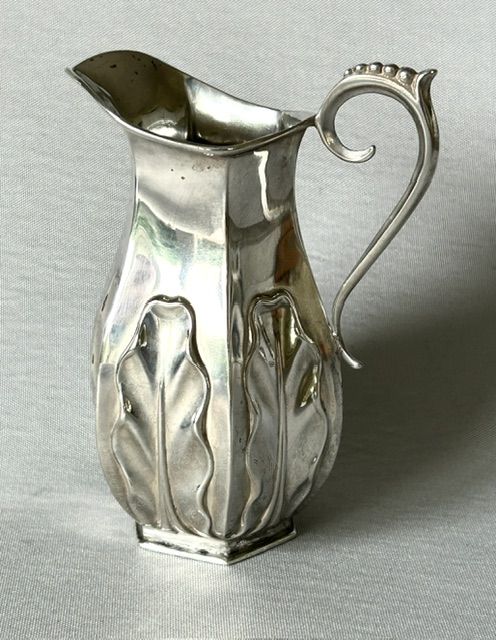
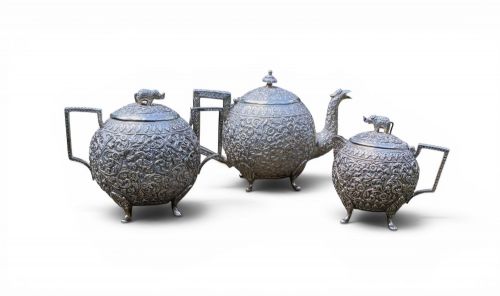
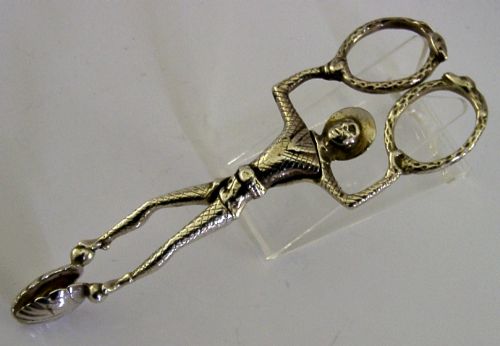
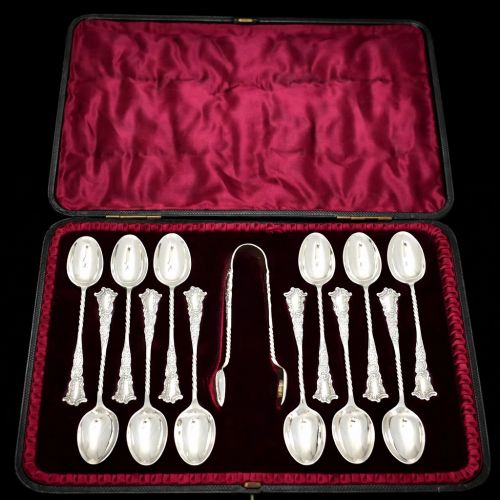
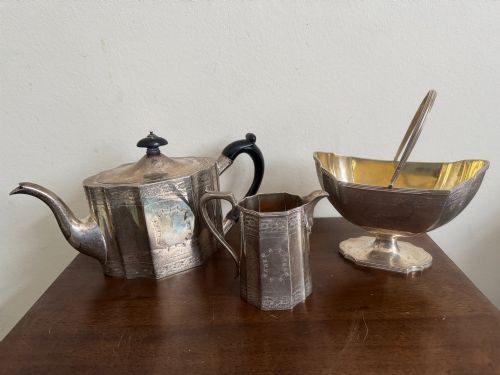
A victorian tea service comprises matched groupings designed for the preparation and consumption of tea, commonly featuring teapots, cream jugs and sugar bowls alongside larger companion pieces such as spirit kettles and coffee pots. The pieces span solid sterling silver, silver plate and fine English porcelain, often supplemented by specialised implements like sugar tongs and sifter spoons.
Sets range from intimate bachelor configurations intended for single users or small settings up to substantial four and five-piece services made for larger gatherings. The evidence records extensive production throughout the nineteenth century and into the Edwardian era, showing both domestic metalwork and painted ceramic wares.
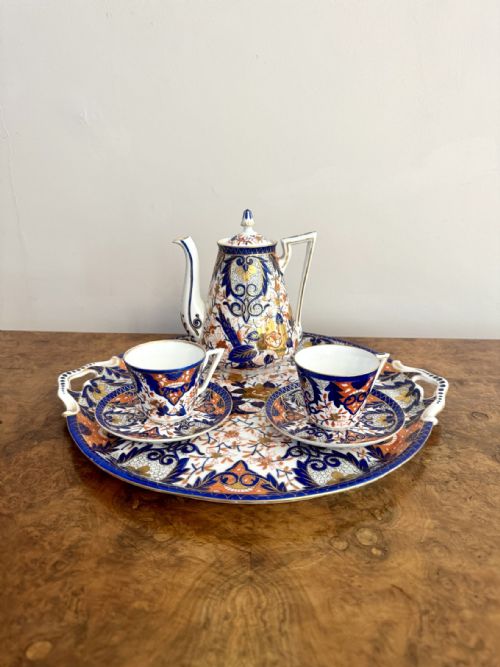
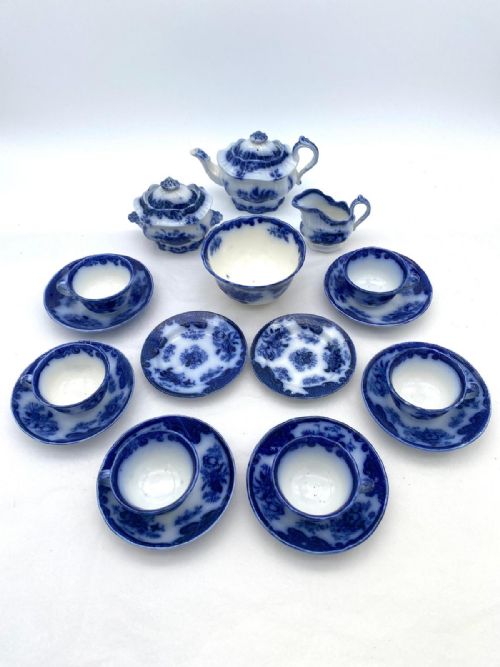
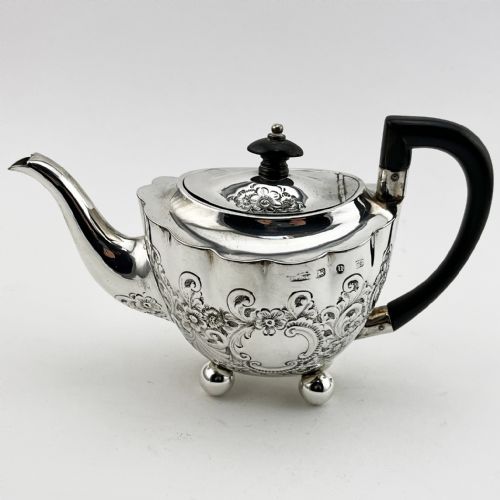
Ceramic examples extend to specialised child's services and breakfast sets decorated with flow blue or transfer printing, while silver services frequently display chased ornamentation, engraving or figural handles. Buyers encounter complete matching suites alongside assembled harlequin groupings gathered over time.
Materials and Methods
Silversmiths constructed solid sterling silver and silver-plated services using hammering, casting and spinning techniques, frequently applying elaborate surface enrichment such as repoussé chasing, floral engraving and gilt interiors. Makers employed specialised mounts, handles and finials of bone or wood to insulate against heat.
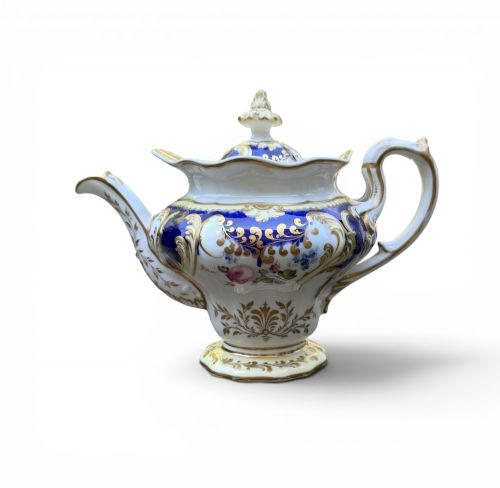
Ceramic services relied on bone china, porcelain and earthenware bodies shaped through moulding and throwing, then finished with hand-painting, enamelling, flow blue transfer printing and application of gold leaf. Factories combined these decorated ceramic components with metal stands and burners for spirit kettles.
Victorian Tea Service Retail Price Guide 2026
Typical asking prices for victorian tea service among the pieces listed under this phrase on Sellingantiques today, from the lower quarter to the upper quarter. They describe what is for sale here now, not the wider market.
Listings feature silver, silver plate, bone china and porcelain across Victorian, Edwardian and early twentieth-century periods.
Assessing Quality and Execution
Quality rests upon the crispness of the original chasing, the weight and balance of the metal components, and the precision of hand-painted ceramic details. Finer silversmithing shows deep, un-rubbed relief work and solid construction without distortion, while superior porcelain exhibits clear glazes, steady firing and careful polychrome execution.
The integrity of the set influences standing, as matched original suites produced by a single maker hold greater cohesion than assembled groupings or harlequin sets. Preserved fitted presentation cases and complete companion pieces such as original burners on stands elevate the character of a service.
Wedgwood·Royal Doulton·Royal Crown Derby·Royal Worcester·Coalport·Minton·Moser·Elkington·Barnard·Henry Holland
The Victorian Tea Service Glossary
- Bachelor Teaset
- A smaller scale tea service designed for one or two people, typical of nineteenth-century domestic arrangements.
- Spirit Kettle
- A water kettle mounted upon a metal stand equipped with an underlying spirit burner to keep water hot at the table.
- Flow Blue
- A cobalt blue transfer printing technique used on nineteenth-century ceramics where the pigment blurred slightly into the glaze during firing.
- Jasperware
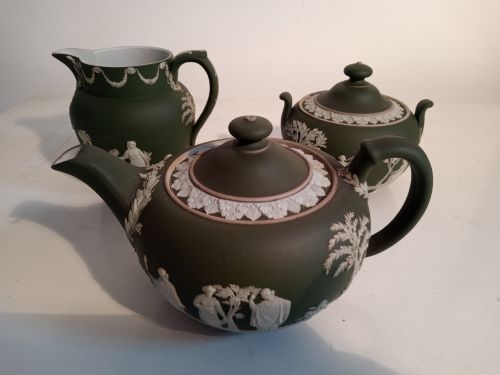
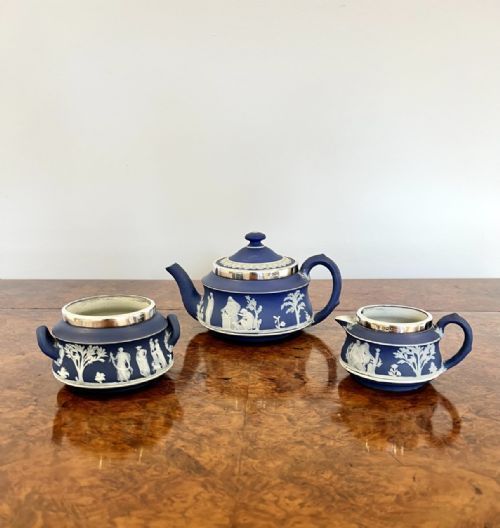
- A fine-grained, unglazed stoneware developed by Wedgwood, most commonly found in pale blue or olive green with applied white classical reliefs.
- Chasing
- A metalsmithing technique where designs are hammered into the front surface of the metal to create raised ornamentation without removing material.
Victorian Tea Service: Frequently Asked Questions
What pieces make up a standard service?
A standard silver or plated service typically includes a teapot, cream jug and sugar bowl, sometimes accompanied by a matching coffee pot or hot water kettle on a stand.
Ceramic equivalents often expand to encompass cups, saucers and slop bowls intended for larger settings.
How do I distinguish silver plate from solid silver?
Solid sterling silver pieces carry official town marks, date letters and lion passant hallmarks stamped directly into the metal by an assay office.
Silver-plated items generally lack these official sterling marks and may show base metal beneath worn plating.
Were these services used every day?
Many sets were reserved for formal afternoon tea rituals and entertaining guests rather than daily family meals.
More robust ceramic child's services and sturdy earthenware sets saw active use in nineteenth-century nurseries and breakfast rooms.
What is a harlequin tea set?
A harlequin set is an assembled collection of matching or complementary tea wares gathered from different dates or makers rather than sold as a single unified suite.
These collections often feature coordinated styles, periods or materials like silver sugar tongs and spoons paired with a silver jug.