
Victorian Tall Bookcase
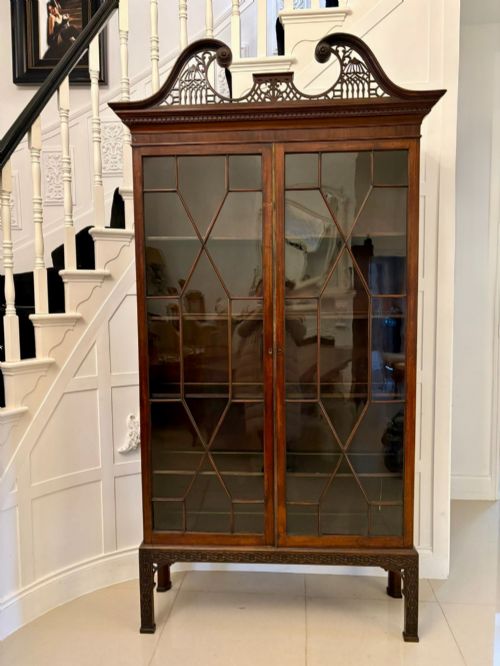
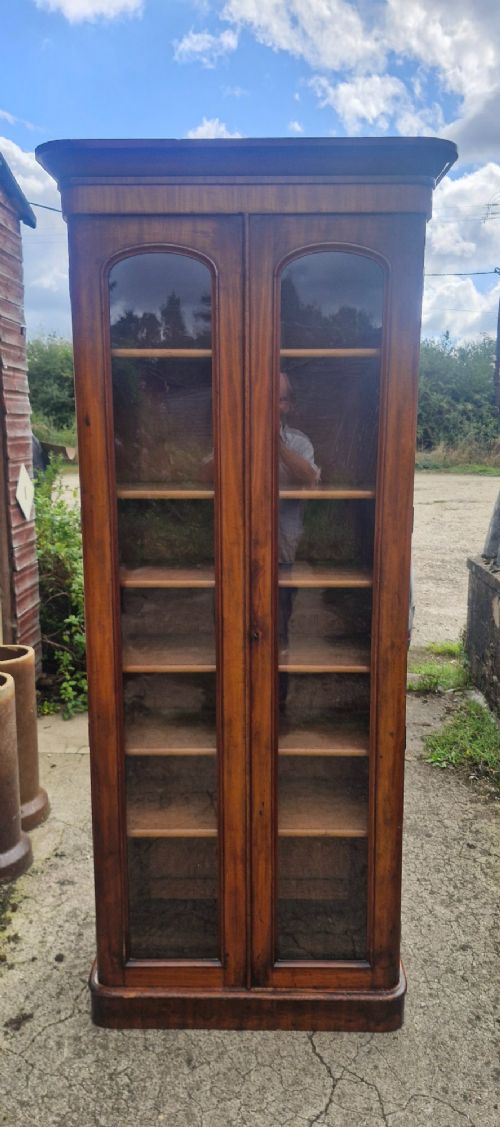
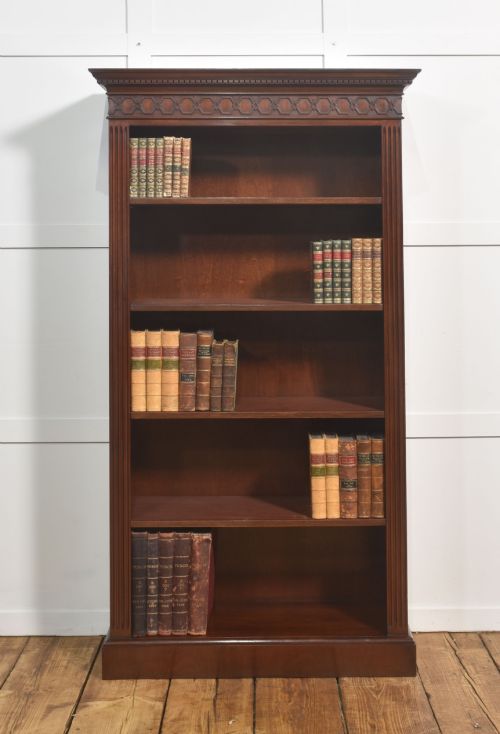
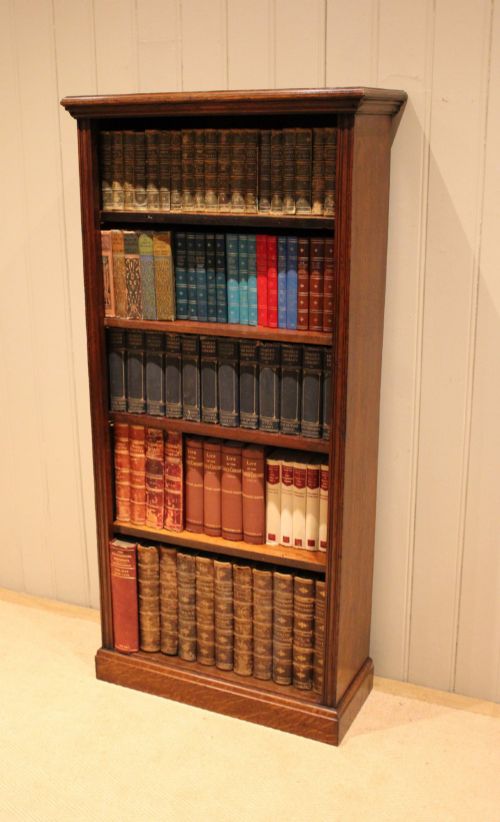
A victorian tall bookcase organises a large library within a vertical footprint, combining generous shelf space with the rich cabinet-making of the nineteenth century.
Victorian Tall Bookcase
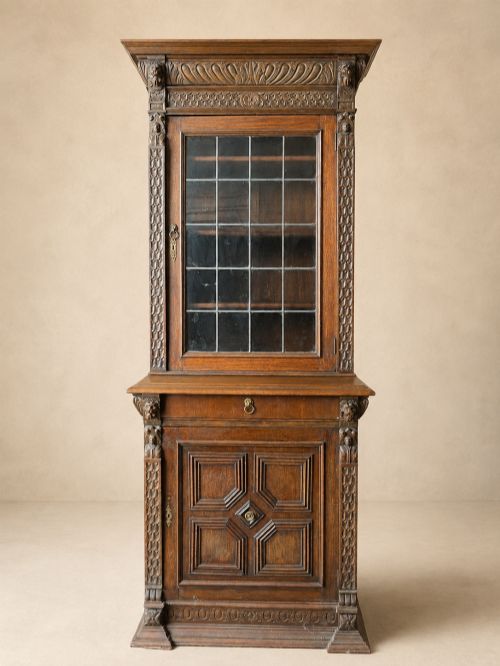
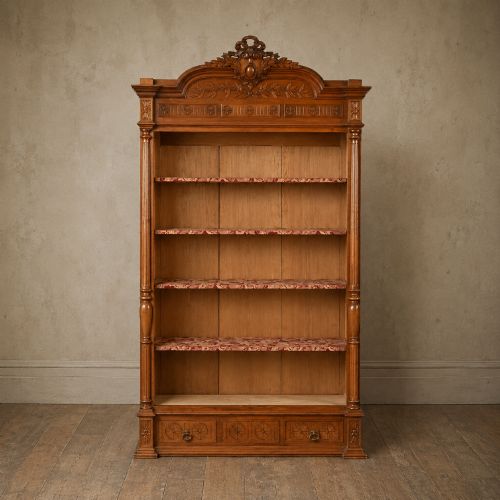
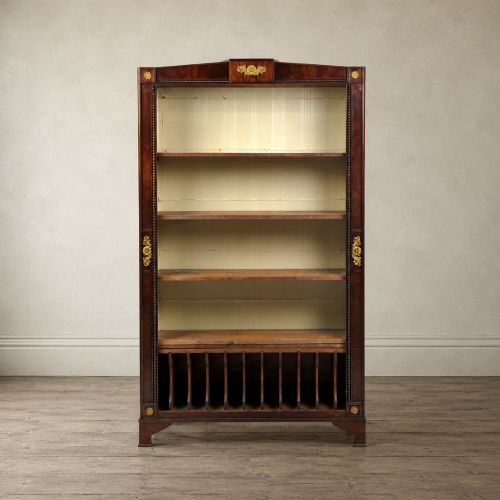
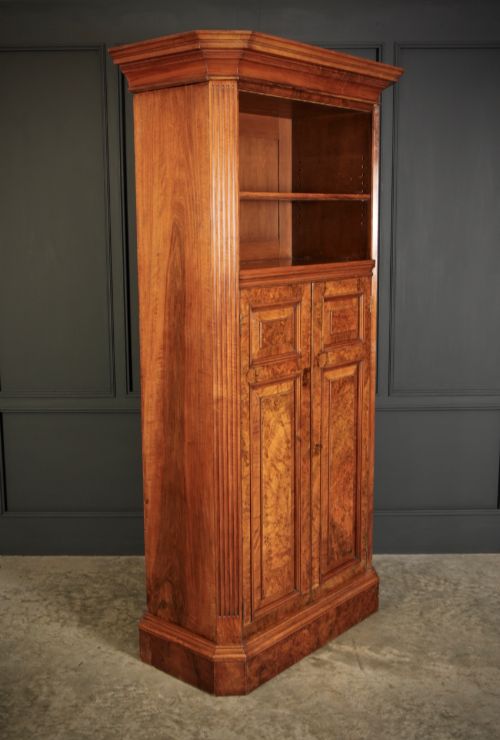
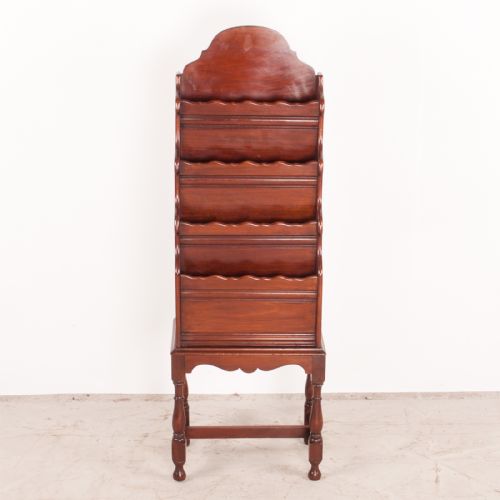
A victorian tall bookcase brings vertical storage into domestic interiors, frequently appearing in forms that combine open upper shelving with lower cupboards or drawers. The pieces seen across these records span the nineteenth century, with specific dates clustering around the eighteen-fifties through to the eighteen-eighties.
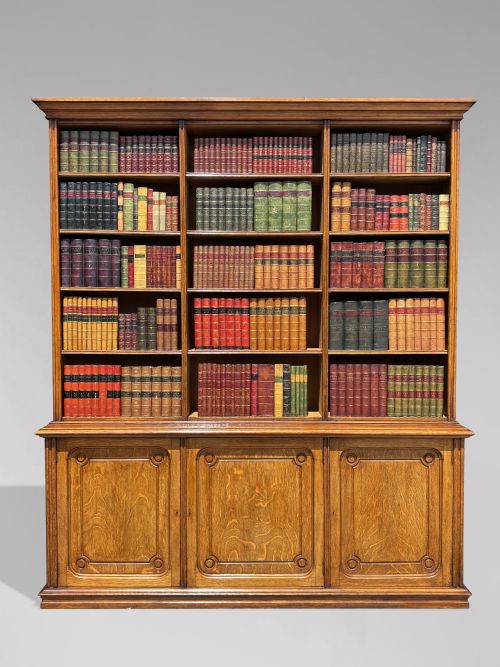
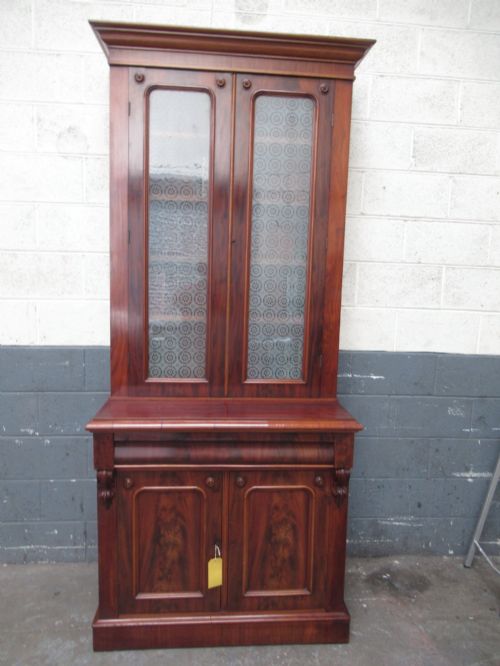
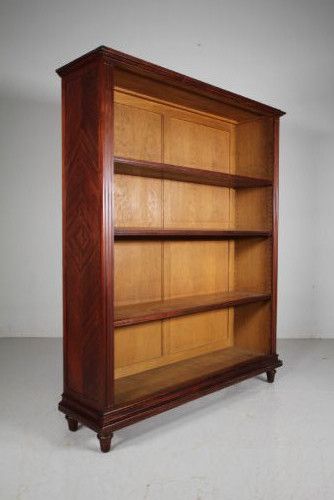
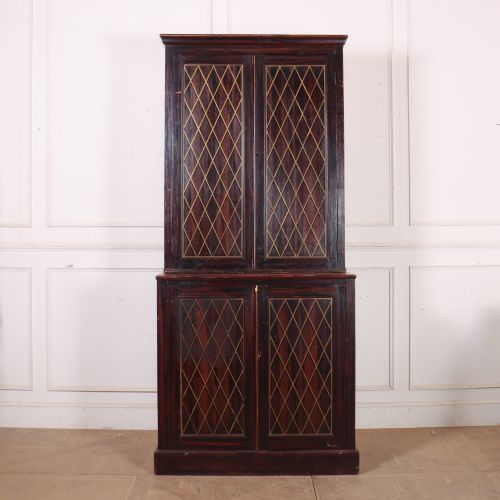
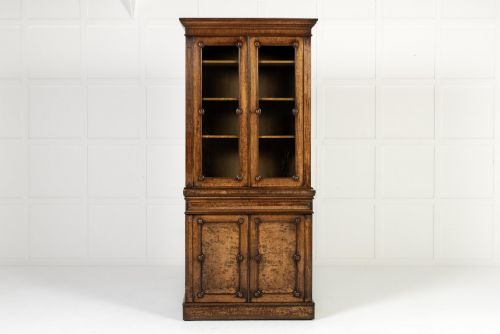
Makers constructed these tall library pieces in configurations ranging from narrow single-bay units to wide three-section breakfront bookcases. Many examples utilise adjustable shelving systems to accommodate varying volumes, while glazed doors or open-front designs cater to both display and practical reading collections.
Materials and Construction
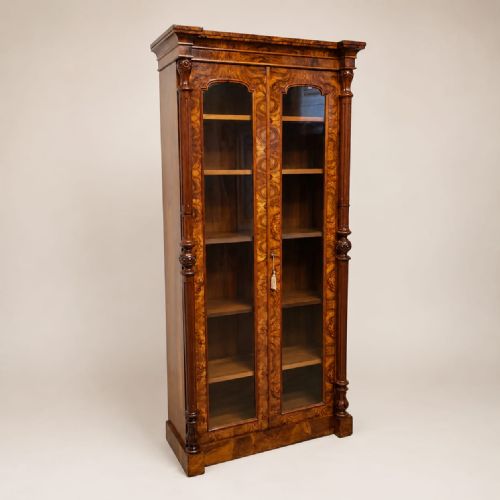
Cabinet-makers relied heavily on dense timbers such as mahogany, oak, and walnut, often selecting figured veneers like burr walnut or pollard oak for prominent surfaces. Secondary woods such as deal and pine appear frequently in internal shelving and carcase construction.
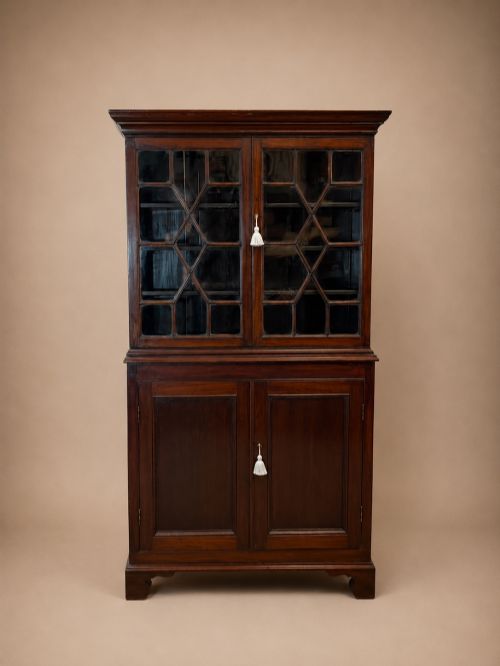
Decoration relied on applied mouldings, carved panels, and brass hardware, alongside glass panes secured within astragal bars on glazed variants. Many larger pieces utilised a two-part or sectional construction to ease transport and placement within rooms.
Listings feature woods spanning mahogany, oak, walnut, burr walnut, rosewood, and pine alongside painted and deal finishes.
Gradations in Execution
Excellence in these items rests upon the selection of timber and the precision of the joinery, particularly in the figuring of veneers and the integrity of the structural carcass. Superior examples demonstrate careful matching of grain across drawer fronts and doors, alongside robust mechanical elements like functional shelf-adjustment racks.
Design ambition separates standard utility pieces from high-status library furniture, with elaborate carving, ormolu mounts, or regional revival styles indicating workshop specialisation. The presence of original glazing bars, backing timbers, and tight joints distinguishes untouched library fixtures from heavily altered survivals.
Howard & Sons
The Victorian Tall Bookcase Glossary
- Breakfront
- A piece of furniture whose central section projects forward from the flanking wings. This architectural arrangement creates depth and shadow across large library bookcases.
- Astragal
- A small convex moulding used to hold panes of glass within a sash frame. These strips divide glazed cabinet doors into distinct geometric panes.
- Burr walnut
- A wood harvested from the wart-like growths on walnut trees, yielding highly swirling patterns. Cabinet-makers sliced these burrs into thin veneers for decorative surfaces.
- Secretaire
- A desk fitted with a pull-down writing flap concealing small drawers and pigeonholes. In taller bookcases, this element is integrated into the middle section of the cabinet.
- Pollard oak
- Oak timber derived from trees that were cut back at the trunk to produce dense, gnarled grain patterns. It was favoured by nineteenth-century makers for rich cabinet fronts.
Victorian Tall Bookcase: Frequently Asked Questions
How do I adjust the shelves?
Most period bookcases employ a system of vertical wooden ratchets, metal studs, or saw-tooth strips set into the interior sides. You simply lift the shelf and reposition the supports into the desired notches.
Ensure that the shelf rests evenly on all four supports to prevent warping under the weight of heavy books.
Are these bookcases modular?
Many larger nineteenth-century examples were built in two or three distinct sections, such as a base cupboard topped by an open shelving unit. This sectional design made heavy library furniture manageable to transport.
They do not reconfigure into different shapes, but the vertical sections separate easily for moving between rooms.
How do I distinguish pine from hardwood versions?
Hardwood variants utilise dense timbers like mahogany, oak, or walnut across all visible surfaces, displaying deep natural grain and rich colouration. Pine and deal units are lighter in weight and grain structure, often found painted or waxed.
Pine versions served utility or regional domestic roles, whereas walnut and mahogany were chosen for formal libraries.
What is the difference between open and glazed?
Open bookcases provide direct, unobstructed access to books and feature fixed or adjustable front shelves. Glazed variants incorporate glass doors, often framed with wooden astragal bars, to protect delicate bindings from dust.
Glazed models frequently include lockable doors, reflecting their original purpose as secure library cabinets.