


Victorian Table Silverware
Victorian table silverware brings heavy sterling and bright plate to the dining room, offering both formal service and everyday utility.

Victorian Table Silverware
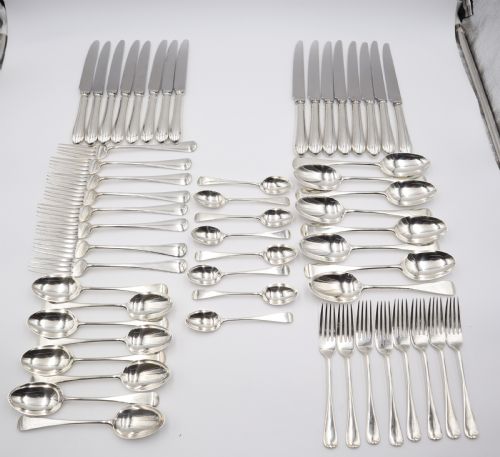
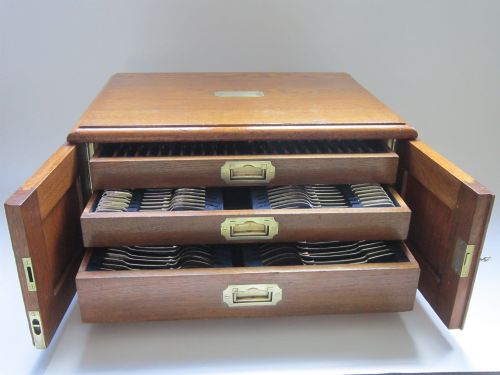
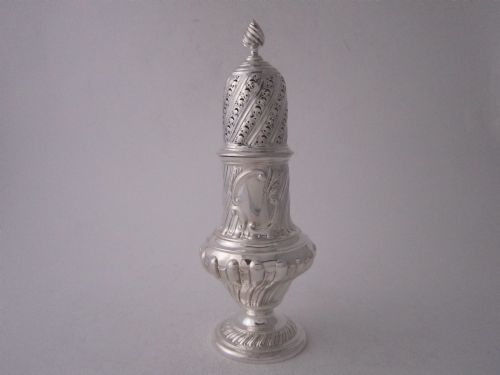
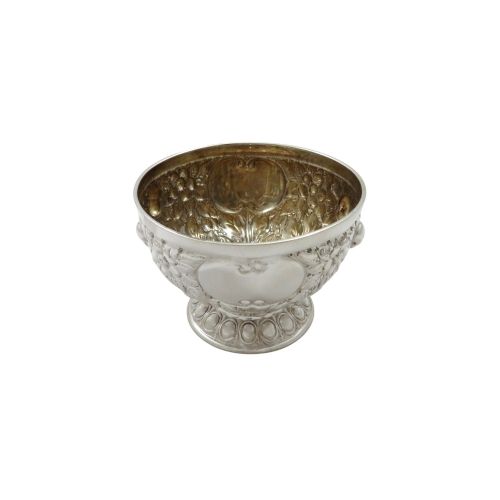
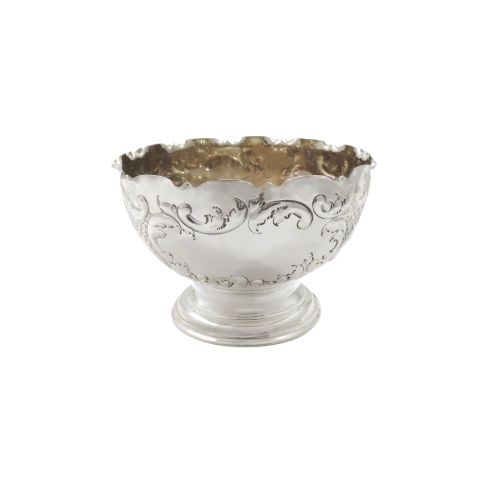
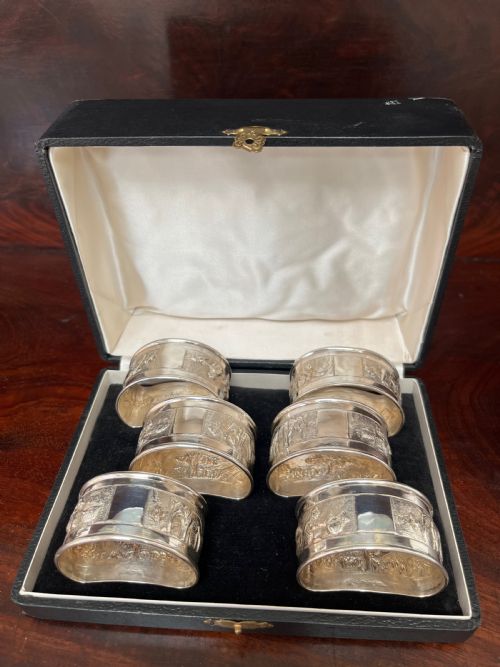
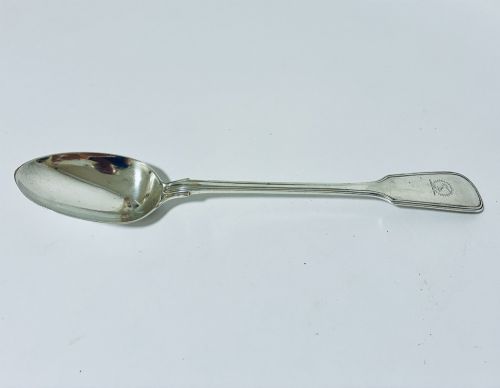
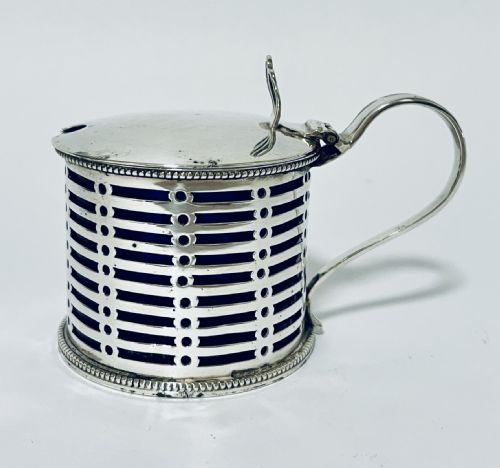
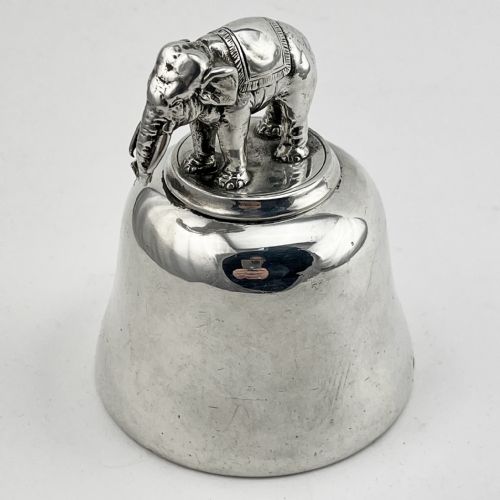
Victorian table silverware encompasses a wide range of dining implements and serving vessels produced during the nineteenth century, with a strong representation of pieces dated toward the end of that era. When searching for victorian table silverware, buyers encounter items designed for specific culinary tasks, from entire canteens of cutlery to individual sugar casters and napkin rings.
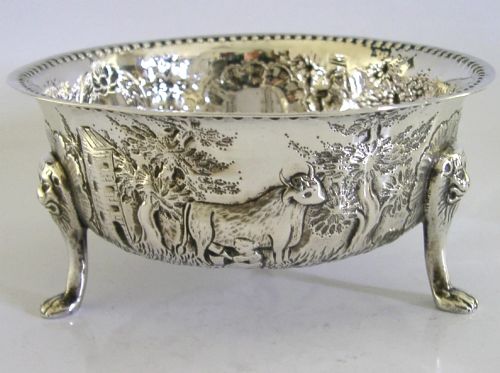
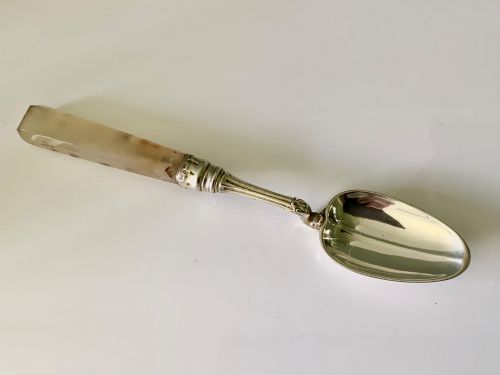
The assortment on this page leans heavily toward sterling silver and silver plate forms, spanning serving spoons, bowls, mustard pots, and candelabra. Alongside strict Victorian items, the selection includes related pieces from the Georgian, Regency, and mid-twentieth-century periods that share the same formal dining function.
Functional tableware dominates the selection, featuring tea caddies, biscuit barrels, menu card holders, and salt cellars alongside flatware sets. These items reflect the elaborate dining rituals of the period, where every course required a dedicated implement.
Assessing Quality and Execution
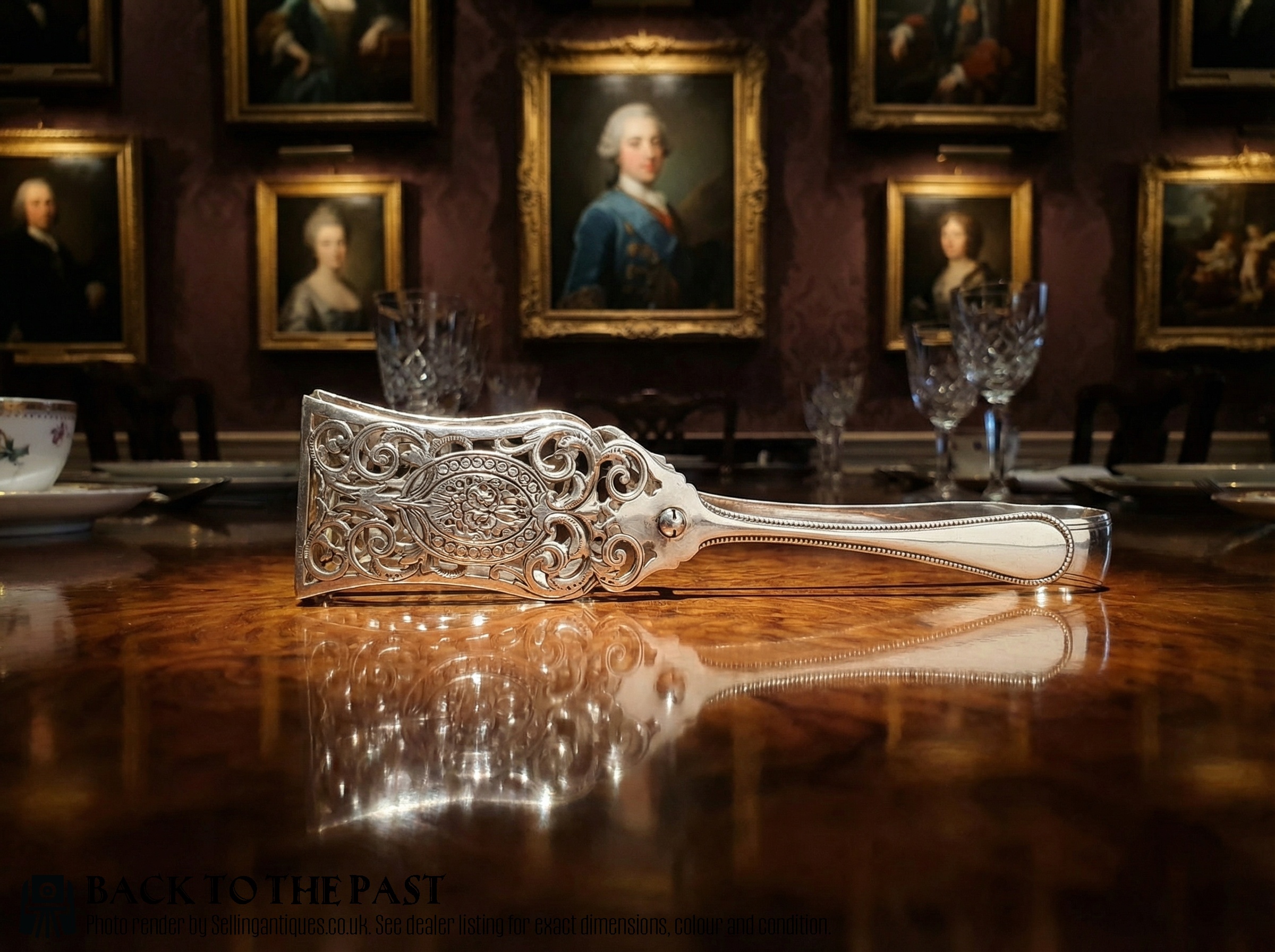
Quality rests on the weight of the metal and the crispness of the chased or engraved detail, distinguishing mass-produced items from finely hand-finished work. Substantial gauge silver and balanced proportions in pieces like bowls and candelabra indicate superior craftsmanship.
The integrity of fitted cases, original linings, and matching sets elevates certain groupings, particularly in canteens and cased napkin rings. Maker attribution also plays a role, with documented workshops demonstrating finer execution in decorative casting and novelty forms.
Listings feature sterling silver and silver plate alongside auxiliary materials including oak, brass, velvet, and silk.
Tiffany & Co·Elkington Sheffield·Reilly & Storer·William Comyns·Vale Brothers and Sermon
The Victorian Table Silverware Glossary
- Sterling silver
- A silver alloy containing 92.5 percent pure silver and 7.5 percent other metals, usually copper. This standard composition provides the durability required for functional tableware.
- Silver plate
- A layer of silver fused to a base metal core such as copper or Britannia metal. This technique offered an accessible alternative to solid silver for large items like candelabra.
- Fiddle pattern
- A traditional flatware design featuring a slender stem that broadens into a shoulder and flares at the terminal in a shape resembling a fiddle. It remains a standard of nineteenth-century dining sets.
- Sugar caster
- A perforated vessel used for sprinkling sugar over food. These containers often feature pierced lids and bulbous bodies.
- Hallmark
- A series of official marks stamped on precious metal items in Britain. They verify the metal purity, assay office, and year of manufacture.
Victorian Table Silverware: Frequently Asked Questions
How do I clean antique silver?
Use a soft microfiber cloth and a mild silver polish specifically formulated for antiques to remove tarnish without stripping the underlying metal.
Avoid harsh chemical dips and abrasive scouring pads, which can permanently damage the surface and obscure fine hallmarks.
What is the difference between silver plate and sterling?
Sterling silver consists of solid precious metal throughout, marked with hallmarks indicating its standard, while silver plate has a thin layer of silver over a base metal.
Solid pieces carry weight and durability that withstand generations of use, whereas plated items offer the visual appeal of silver at a different scale of construction.
Can I use these items for everyday dining?
Many pieces, such as napkin rings, salt cellars, and flatware sets, remain entirely functional for contemporary meals.
Hand washing is essential to preserve finishes, organic handles, and fitted linings found in older table items.
How do I identify the date of a piece?
British sterling silver relies on standard assay office marks and date letters stamped directly into the metal.
Comparing these punches against historical hallmarking charts reveals the exact year and city of manufacture.