
Victorian Style Urns
Victorian style urns bring classical form and heavy ornamentation into nineteenth-century interiors through decorative vessels, mantel clocks and garden planters.
Victorian Style Urns
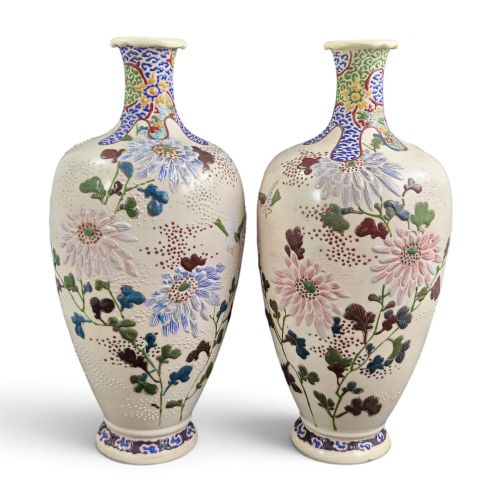
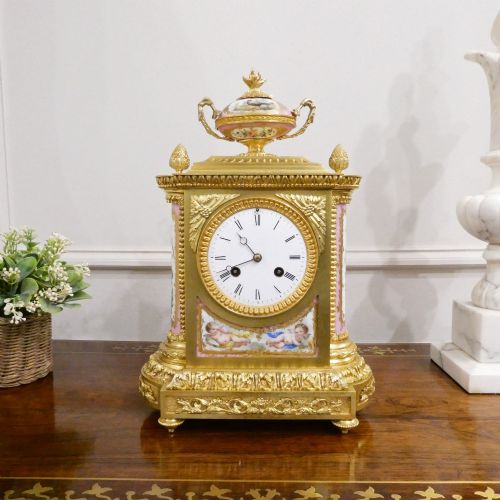
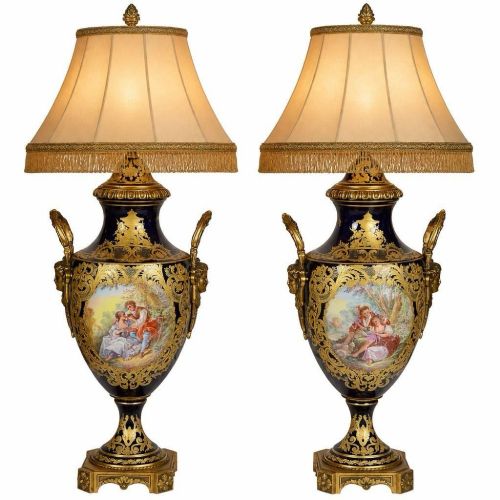
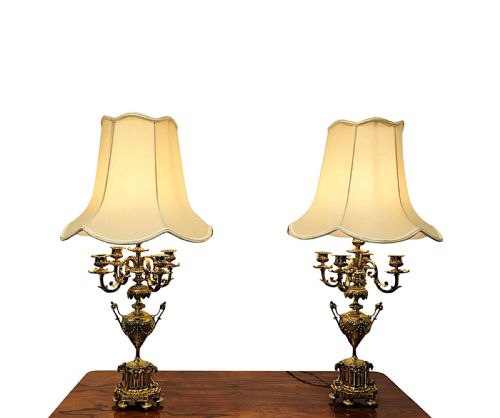
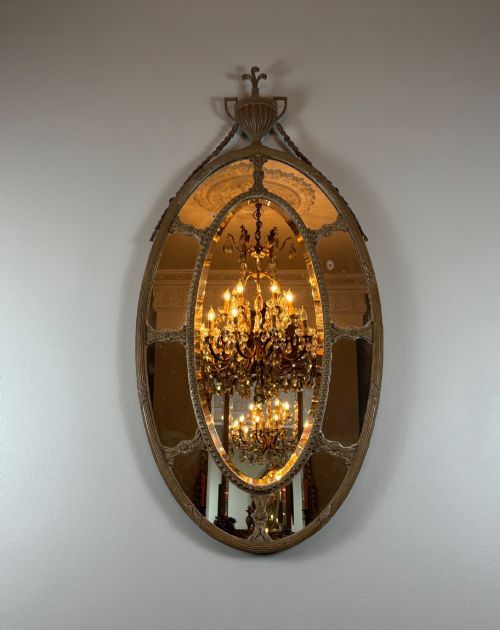
Victorian style urns encompass a diverse group of decorative objects spanning the nineteenth century, including mantel clocks, table lamps, wall mirrors, garden planters and cabinet vases. These pieces draw heavily on Neoclassical, Rococo Revival and Adam revival aesthetics popular during the period.
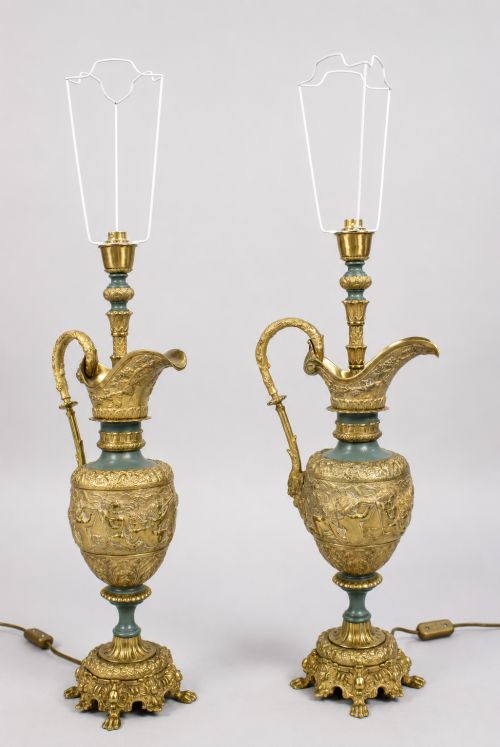
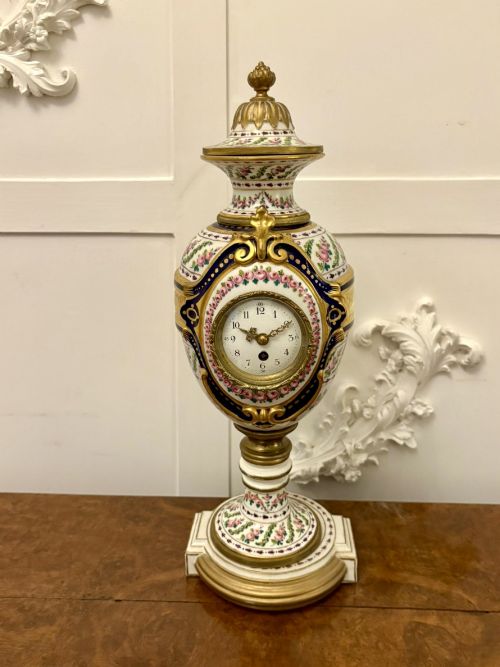
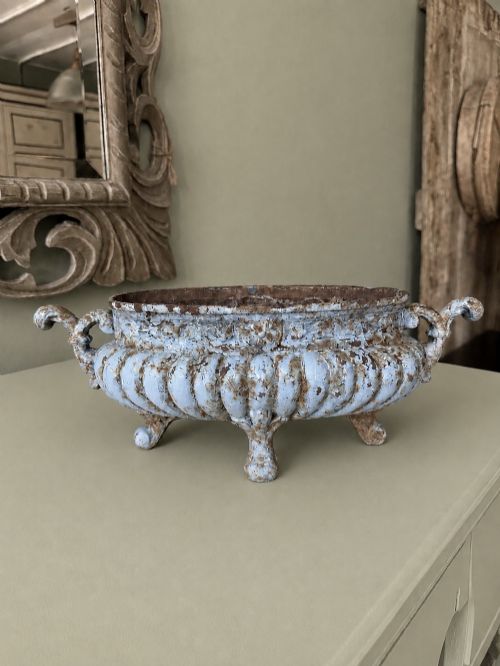
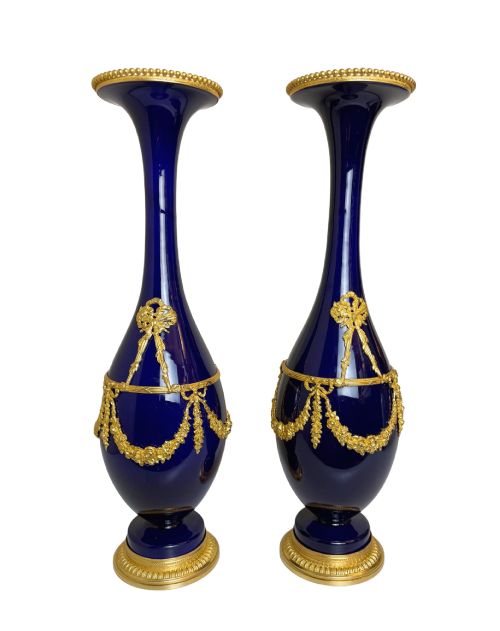
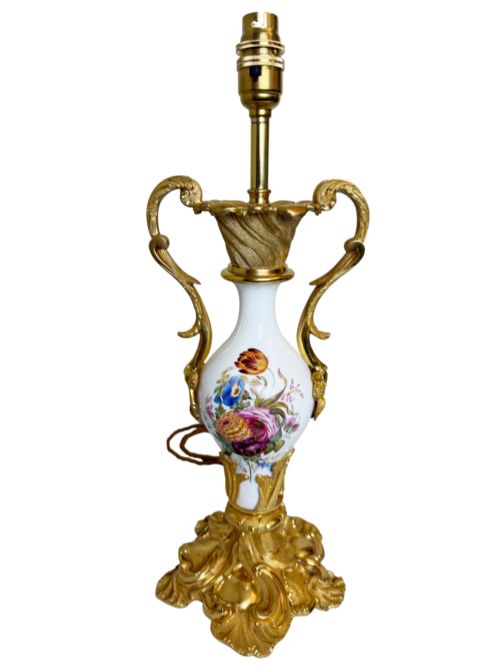
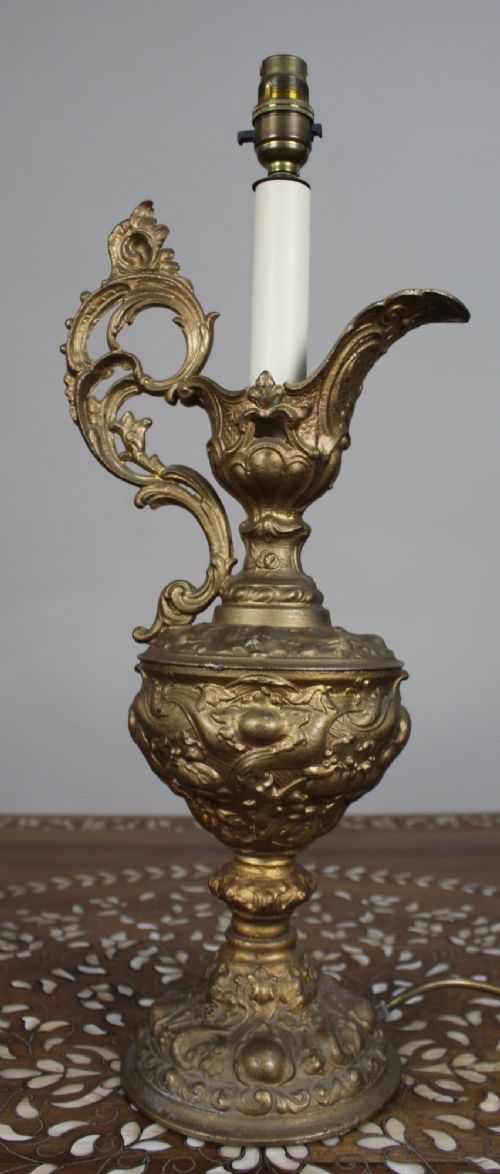
Buyers frequently encounter porcelain vessels, cast iron garden planters and gilt bronze mantel garnitures originating from French and English workshops. Forms range from lidded cassolettes and ewer lamps to large campana urns mounted on plinths.
The selection reflects both indoor decorative arts and robust outdoor cast iron utility pieces designed for nineteenth-century gardens and conservatories.
Materials and Techniques
Manufacturers utilised porcelain, cast iron, gilt bronze and brass, often combining painted ceramic bodies with metallic mounts and handles. Artisans applied hand-painted details, enamel work and gilding to porcelain surfaces.
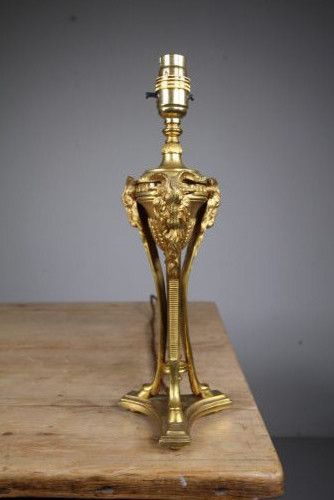
Cast iron garden pieces utilised traditional foundry moulding techniques to achieve classical campana and urn shapes with heavy, durable walls. Ormolu and gilt bronze mounts were cast and chased before being applied to clocks, lamps and vases.
Listings feature nineteenth-century items in porcelain, cast iron, gilt bronze and brass, spanning Neoclassical and Rococo Revival styles.
Craftsmanship and Proportion
Quality rests in the crispness of casting detail on bronze and iron mounts, alongside the finesse of hand-painted porcelain decoration. Superior examples display balanced classical proportions and original patination rather than later alterations.
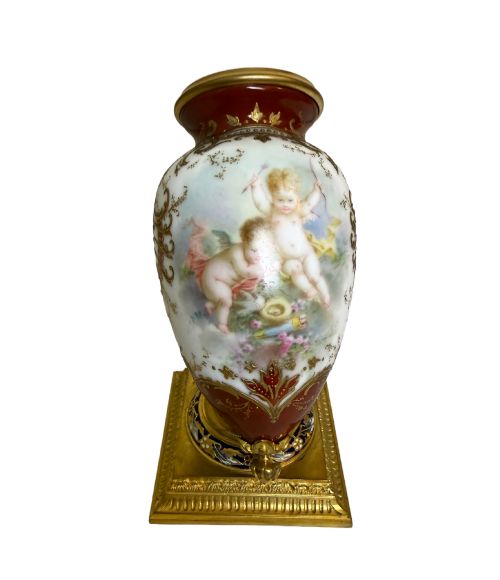
Finer items integrate materials cohesively, such as finely chased ormolu mounts fitted securely to Sevres style porcelain bodies or original painted surfaces on cast iron garden vessels.
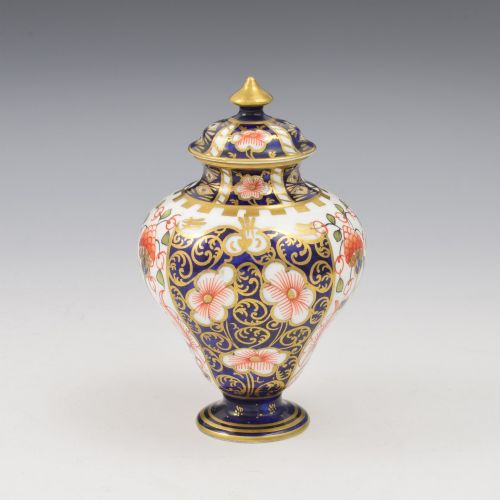
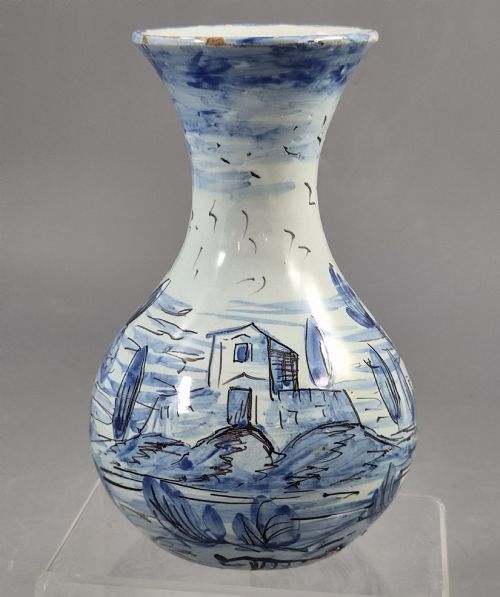
Jean-Baptiste Delettrez·Royal Crown Derby·Cantagalli·Royal Vienna·Doulton Lambeth Faience
The Victorian Style Urns Glossary
- Cassolette
- A decorative vessel shaped like an urn, often featuring a reversible lid that transforms it from a vase into a candlestick.
- Campana
- A bell-shaped garden or decorative urn form derived from ancient Roman pottery and metalwork.
- Ormolu
- Finely ground high-carat gold applied to a bronze base, commonly found on nineteenth-century French clock garnitures and decorative mounts.
- Garniture
- A set of three or more matching decorative objects, typically comprising a central clock or vase flanked by matching urns or candelabra.
- Champlevé
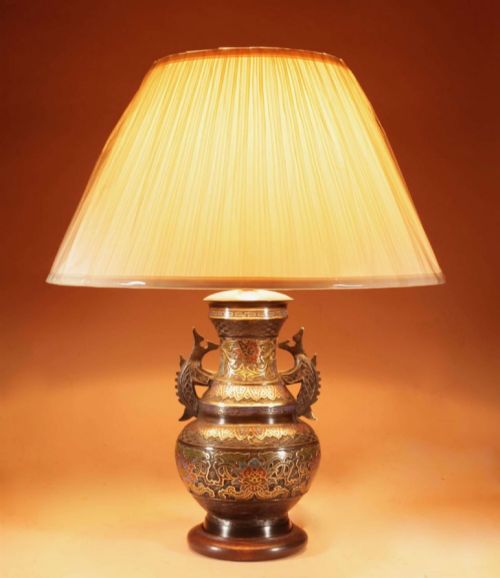
- An enamelling technique where troughs are dug into a metal surface and filled with vitreous enamel before firing.
Victorian Style Urns: Frequently Asked Questions
What styles influence Victorian urns?
Nineteenth-century makers drew heavily on Neoclassical, French Rococo and Adam revival aesthetics. These styles reinterpreted ancient Greek and Roman vessel forms with ornate handles and classical motifs.
Designers also incorporated Egyptian Revival elements and Louis XVI influences into mantel clocks, mirrors and porcelain vases.
Where were these pieces used?
Indoor decorative urns typically stood on mantelpieces, pedestals and side tables as part of matching garniture sets. Many incorporated clocks or were later converted into table lamps.
Larger cast iron versions were designed for gardens, terraces and conservatories to hold plants as jardinières.
How do I identify the period?
Dating relies on material combinations, manufacturing techniques and stylistic revival markers typical of the nineteenth century. Examining the construction of metal mounts, porcelain bodies and painted decoration helps place pieces between eighteen-fifty and nineteen-hundred.
Maker marks and registration numbers stamped on ceramics or metal provide further chronological clues.
Are original lids common?
Finding pieces retaining their original matching lids is a notable advantage for collectors of nineteenth-century decorative urns and cassolettes. Many vessels lost their covers over time during use or relocation.
When present, the lid matches the body's material, glaze and decorative scheme exactly.