




Vintage Outdoor Pots
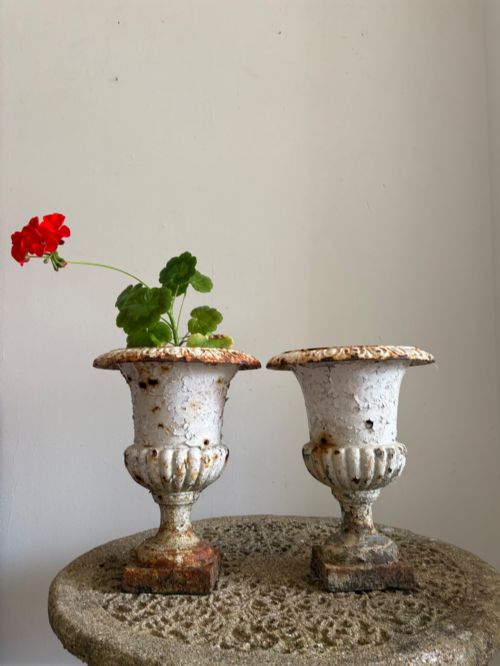
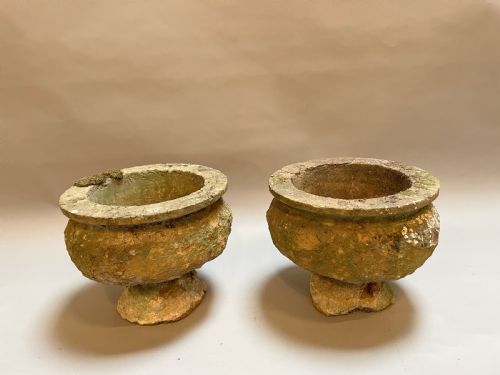
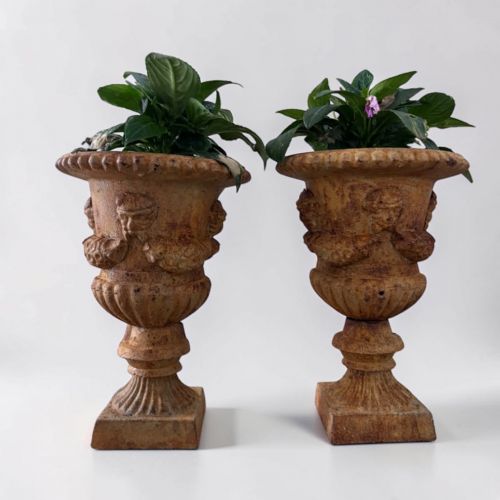
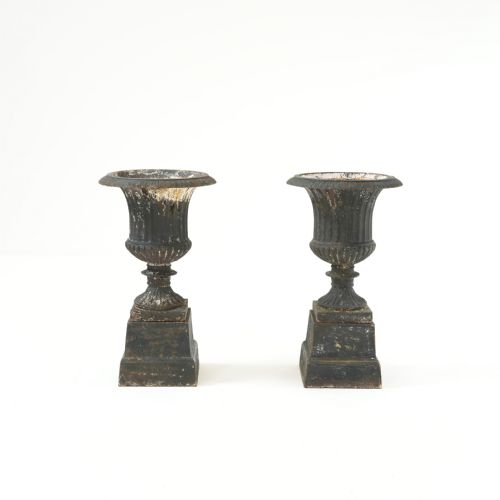
These vintage outdoor pots bring character and weight to a garden, ranging from robust cast iron urns to weathered terracotta planters.
Vintage Outdoor Pots
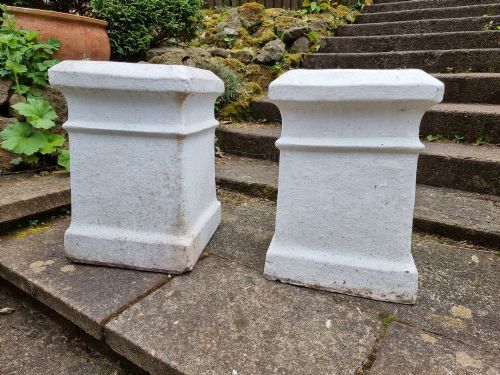
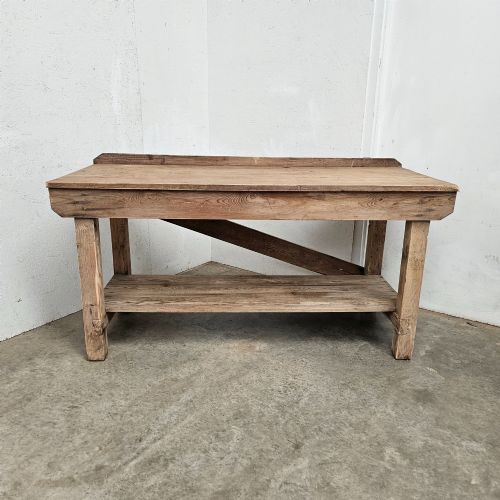
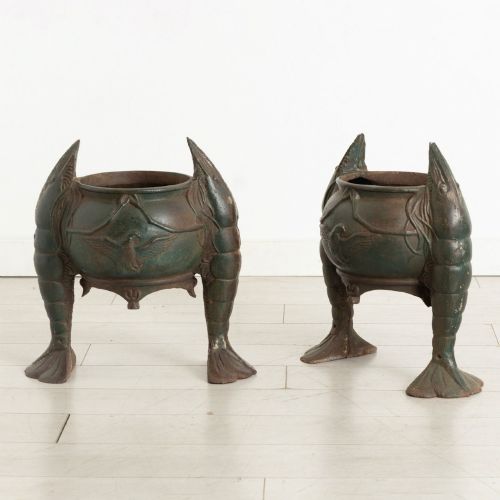
Vintage outdoor pots encompass a variety of garden vessels, including garden urns, troughs, pedestals, and potting tables. These items serve both functional and decorative purposes in gardens and courtyards, offering structure and height to outdoor planting schemes. When searching for vintage outdoor pots, buyers frequently encounter cast iron campana urns and terracotta garden vessels dating from the nineteenth century onwards.
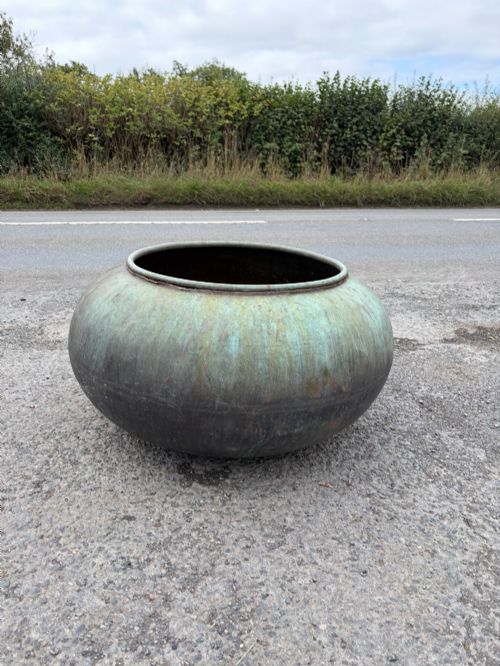
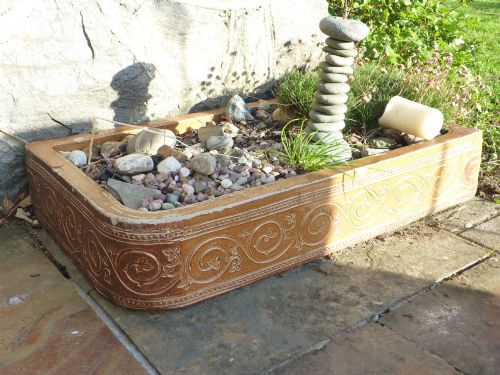
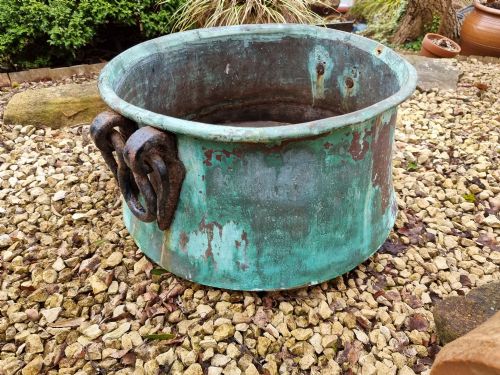
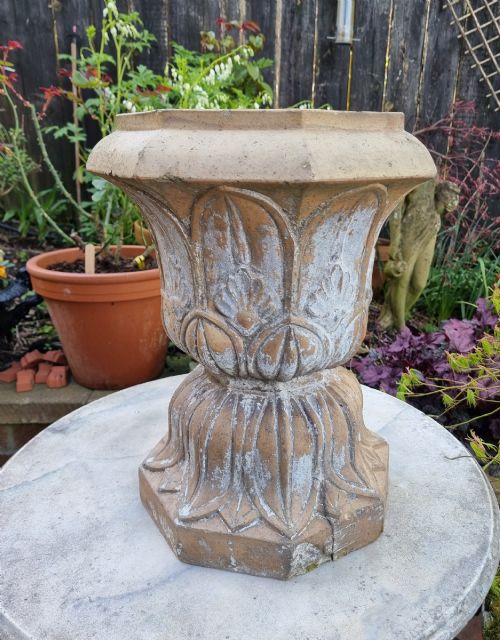
The selection includes distinctive regional and stylistic variations, such as French copper display pots, Scottish terracotta urns, and Indian stone planters from the Raj period. Forms range from simple round garden planters to elaborate multi-sided vessels and architectural elements repurposed as planters, such as chimney pots. This diversity allows spaces to incorporate containers with genuine history and varied patination.
How they were made
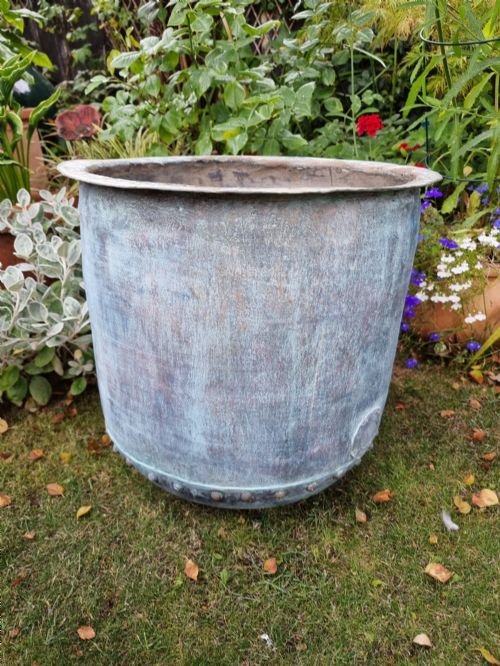
Makers utilised durable outdoor materials capable of withstanding weathering, predominantly casting iron into classical campana shapes or moulding terracotta and stone into garden urns and troughs. Metalworking techniques produced heavy cast iron planters, sometimes finished with original painted surfaces or developing natural verdigris on copper and zinc bodies.
Ceramic and stone versions rely on the properties of fired clay, salt glaze, and natural or reconstituted stone to endure the elements. Craftspeople employed moulding, turning, and salt glazing techniques to shape utilitarian items like strawberry planters and decorative items like classical revival garden urns.
Listings feature vintage outdoor pots spanning from the eighteenth century to the mid-twentieth century, including Victorian and Regency eras.
What varies in quality
The quality of vintage outdoor pots is evident in the crispness of cast iron moulding, the depth of relief work on classical urns, and the structural integrity of the material. Superior examples display balanced proportions, authentic surface patination from decades outdoors, and manufacturer details where applicable.
Weight and thickness dictate durability, with heavier cast iron and dense stone pots demonstrating superior substance compared to lighter counterparts. The integrity of drainage holes, original paint layers, and the subtlety of weathering further distinguish finer garden vessels.
Guichard Carriès·Andrew Handyside·Compton Pottery
The Vintage Outdoor Pots Glossary
- Salt glaze
- A vitreous coating formed by throwing common salt into the kiln during high-temperature firing, creating a durable, glossy texture on ceramic planters and troughs. This finish protects the clay from frost damage.
- Verdigris
- A green patina that forms naturally on copper, brass, or bronze through atmospheric oxidation over long periods. This surface coloration is valued for its aged appearance on garden copper pots.
- Faux bois
- An artistic imitation of wood grain executed in materials like salt-glazed ceramic or stone. Garden planters rendered in this style mimic natural timber while offering stone durability.
- Gadrooned
- Decorated with a series of convex parallel curves or fluting, often found encircling the bowl of a classical garden urn. This ornamental moulding adds texture and visual weight to the vessel base.
Vintage Outdoor Pots: Frequently Asked Questions
How do I protect cast iron pots in winter?
Cast iron pots are robust, but trapped freezing water can crack even metal if the base lacks drainage. Raise containers slightly off the ground on pot feet to allow excess water to escape freely.
Position heavy iron urns in sheltered spots during severe frost if they contain delicate plants, though the metal itself withstands cold temperatures well when dry.
Can terracotta garden urns stay outside all year?
Terracotta vessels absorb moisture, which makes them vulnerable to frost damage if temperatures drop below freezing while the soil inside is wet. Empty vulnerable pots or store them under cover during the deepest winter months.
Well-fired nineteenth century terracotta often demonstrates better frost resistance than modern equivalents due to the density of the original clay and firing methods.
How do I identify a nineteenth century cast iron urn?
Nineteenth century cast iron urns typically display heavy, solid construction with distinct casting seams that have been hand-finished. Look for classical campana shapes, traditional plinth bases, and layers of old paint or genuine rust patination.
Many examples from this era reflect neoclassical or Gothic revival styles, occasionally bearing maker marks from notable foundries of the period.
What is the best way to clean vintage copper pots?
Vintage copper pots often feature a green verdigris finish and weathered patination that collectors prefer to leave intact. Avoid harsh scouring agents or aggressive polishing unless you wish to reveal the bright metal underneath.
Wash the surface gently with warm water and mild soap to remove accumulated dirt while preserving the historical character and surface texture.