
Victorian Style Settee
A victorian style settee brings nineteenth-century comfort and carved timber frames into a modern room.
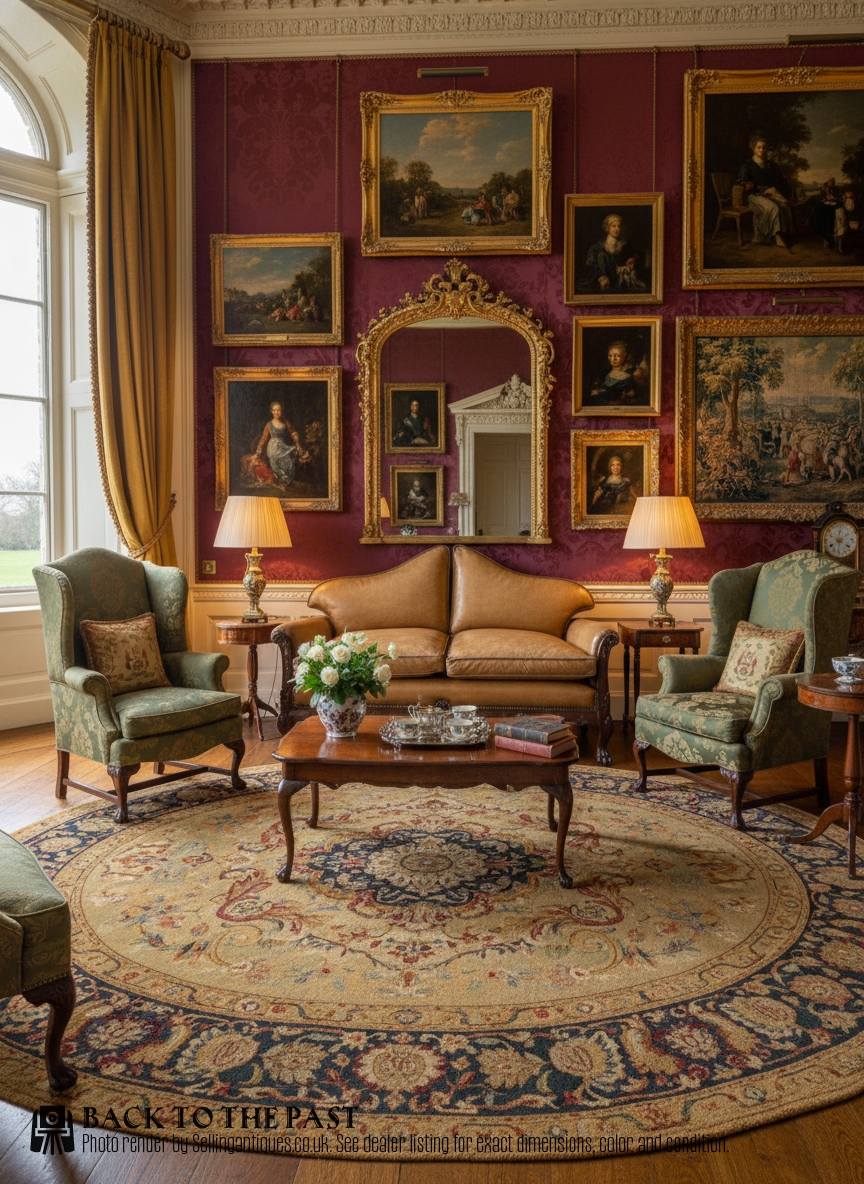
Victorian Style Settee
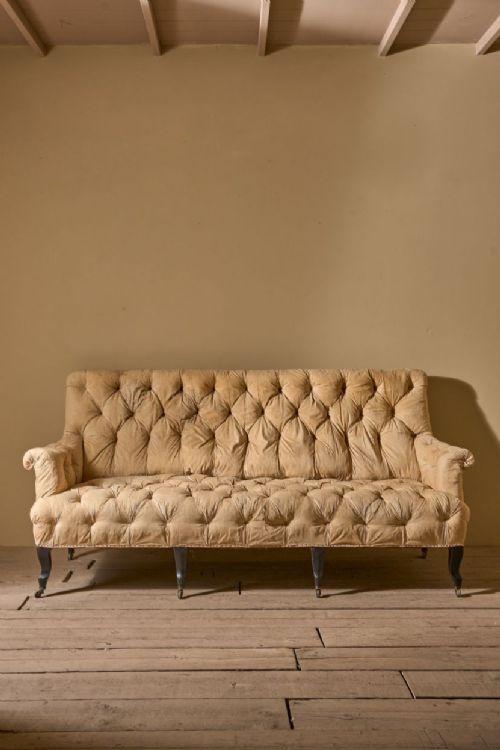
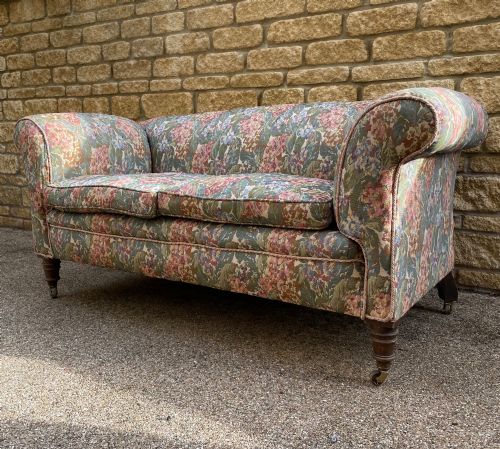
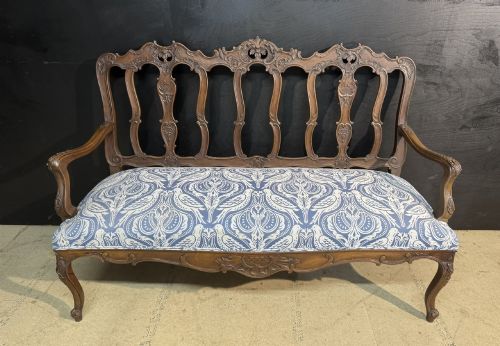
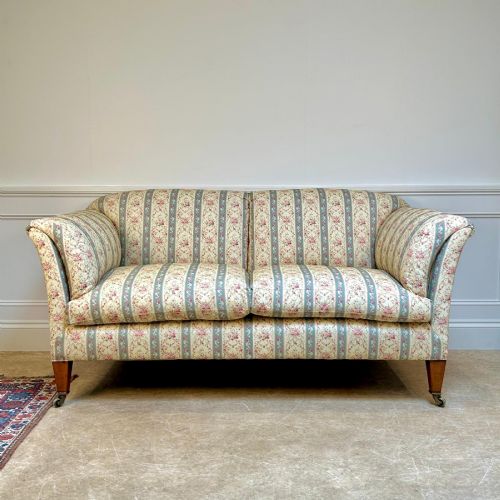
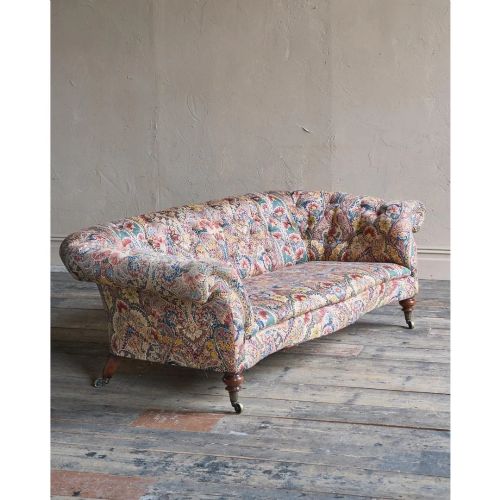
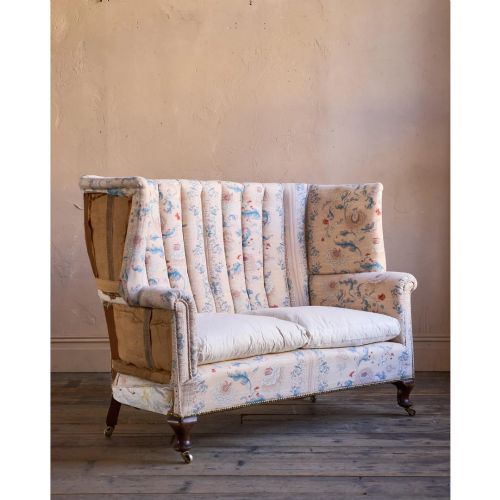
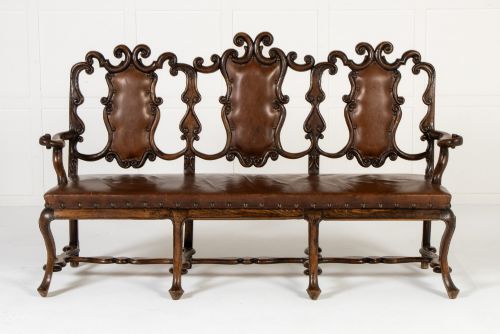
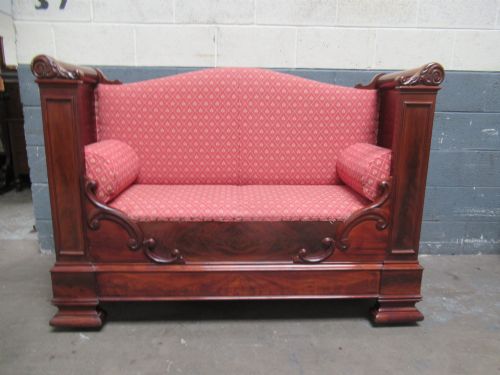
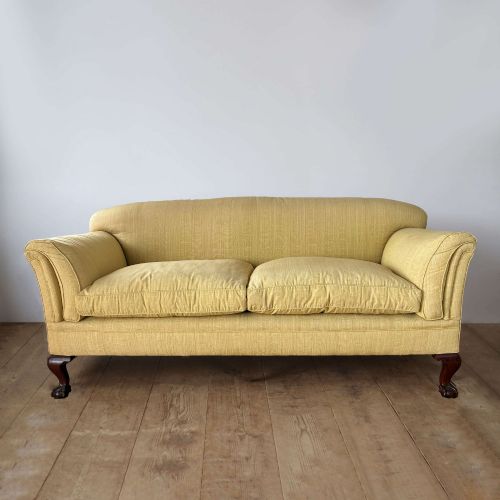
A victorian style settee encompasses nineteenth-century seating forms ranging from buttoned salon suites to drop-arm sofas and deep-sprung Chesterfields. The examples available include walnut frames after earlier designs, mahogany settees, and satinwood couches produced across the nineteenth century and into the early twentieth century.
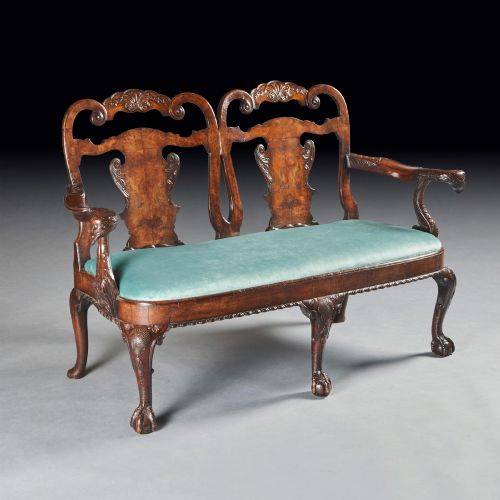
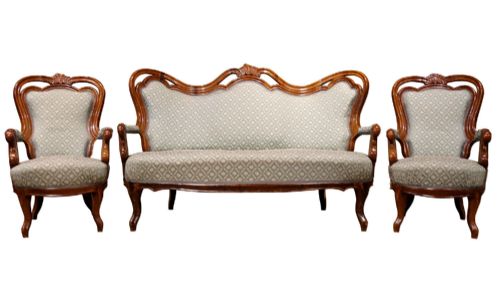
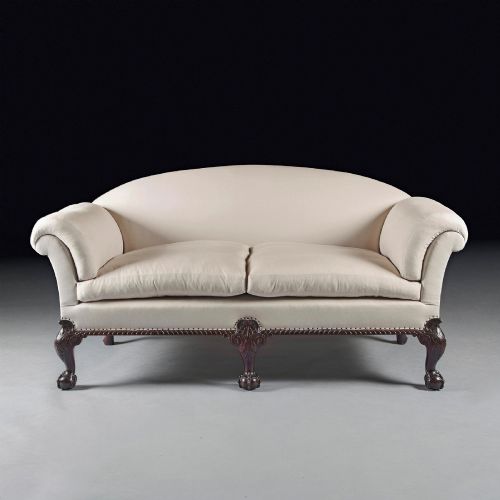
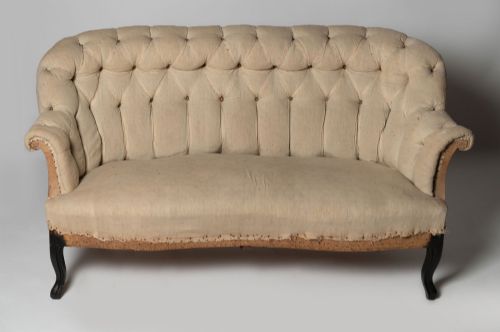
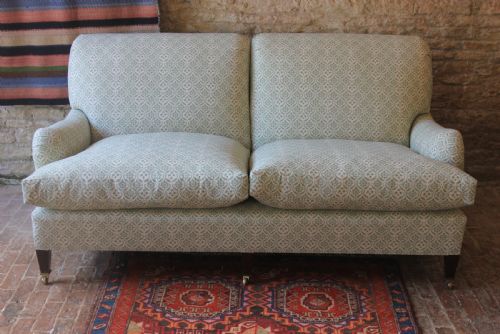
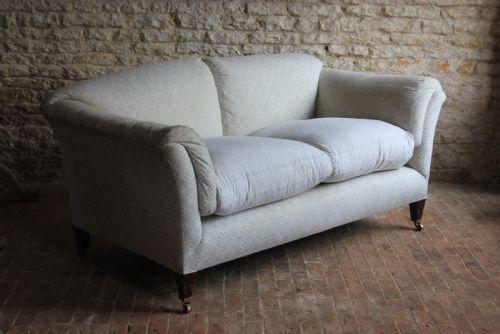
Buyers meet variations spanning compact two-seater settees, larger three-seater couches, and matching salon suites with carved wooden frames. Styles stretch from Rococo Revival and Napoleon III buttoned seating to English Country House and Chippendale revival pieces.
Origins span English workshops, continental makers, and French ateliers, utilising timber frames combined with traditional upholstery fabrics, leather, and velvet. These pieces serve as functional seating with distinct period character for living spaces and reception rooms.
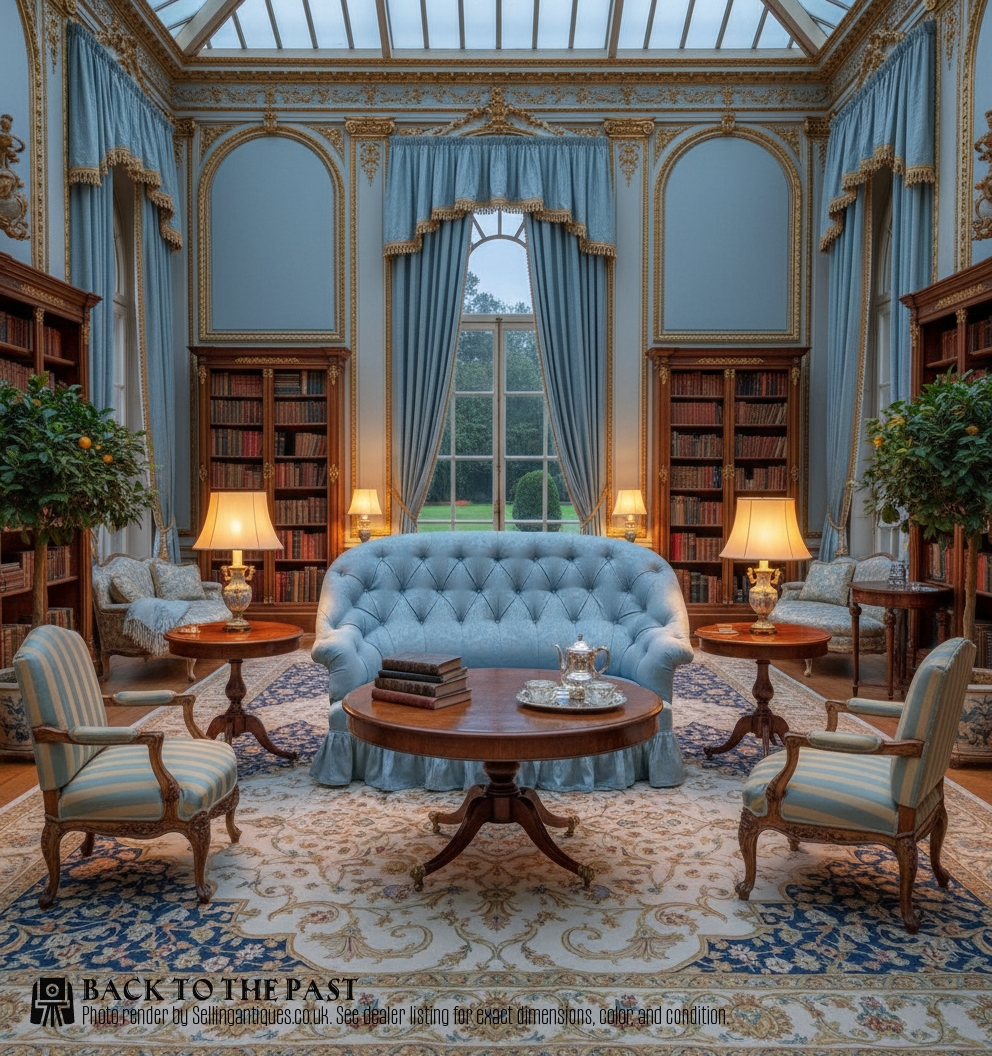
How they were made
Frames rely on dense hardwoods such as walnut, mahogany, ebony, and satinwood, frequently shaped with hand-carved details, scroll ends, and ball-and-claw feet. Joinery techniques from the period ensure structural rigidity in multi-seater couches and twin chair-back frames.
Upholstery involves deep buttoning, sprung seats, and drop-arm mechanisms finished in velvet, leather, and various upholstery fabrics. Gilt finishes and ebonised woodwork appear alongside exposed polished timber grain on revival frames.
Available seating forms span drop-arm sofas, twin chair-back frames, wingback designs, and complete three-piece salon suites.
What varies in quality
The standard of carving and the selection of timber dictate the primary tier of execution, distinguishing standard workshop production from finely figured walnut or satinwood framing. Crisp lines in scroll ends and deep-relief carving indicate skilled cabinet work.
Upholstery execution and internal webbing integrity separate ordinary restorations from pieces retaining original spring tension and hand-stitched buttoning. The weight and durability of the chosen leather, velvet, or fabric also define the grade of the finished settee.
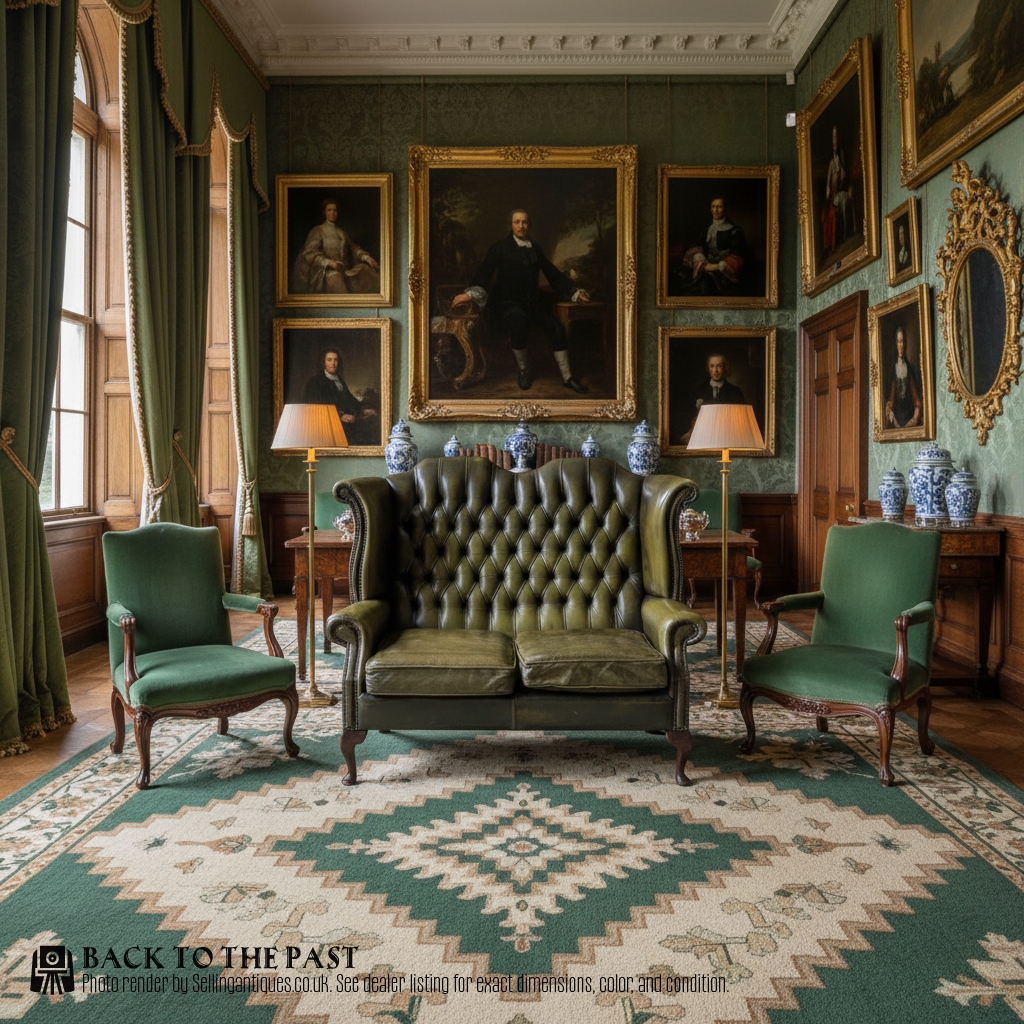
Howard and Sons·Butlers of Dublin
The Victorian Style Settee Glossary
- Chesterfield
- A deep-buttoned upholstered sofa with arms and back of the same height. These traditionally feature leather or fabric covering.
- Napoleon III
- A nineteenth-century French style associated with the Second Empire, known for buttoned upholstery and elaborate squab cushions. Pieces often incorporate ebonised frames and gilt highlights.
- Drop-arm
- A sofa mechanism allowing one or both arms to be lowered into a horizontal position. This creates a daybed configuration.
- Salon suite
- A matching set of seating furniture comprising a settee and matching chairs for formal reception rooms. These typically share timber types and carved decorative motifs.
- Satinwood
- A durable, lustrous timber native to India and Ceylon, used for fine nineteenth-century cabinet work and decorative veneers. It provides a pale, golden surface.
Victorian Style Settee: Frequently Asked Questions
What is a victorian style settee?
A victorian style settee is a nineteenth-century or revival two- or three-seat couch featuring exposed timber frames and upholstered backs. These pieces reflect historical revivals including Rococo, Chippendale, and Regency designs.
They serve as principal seating in living rooms, studies, and reception spaces, offering deep cushioning and period craftsmanship.
How do I identify the period?
Dating relies on examining timber choices, upholstery techniques, and stylistic revival markers recorded in the woodwork. Walnut and mahogany frame construction combined with hand-carved details typically point to nineteenth-century production.
Makers' stamps, traditional joinery, and specific revival motifs such as ball-and-claw feet offer further chronological indicators.
Are these settees comfortable for daily use?
Most nineteenth-century settees incorporate traditional coil springs and deep padding designed for domestic lounging. Buttoned backs and sprung seats provide substantial support.
Upholstery condition varies across surviving examples, meaning some pieces benefit from professional webbing and cushion maintenance before heavy daily use.
How do I care for the wood and upholstery?
Wooden frames require periodic dusting and treatment with appropriate furniture wax to preserve the polished grain of walnut, mahogany, or satinwood. Direct sunlight should be avoided to prevent timber fading.
Upholstery care depends on the textile, requiring gentle vacuuming for fabrics or specialised conditioning for leather and velvet surfaces to maintain suppleness.