


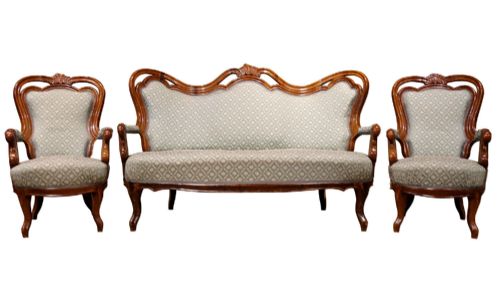
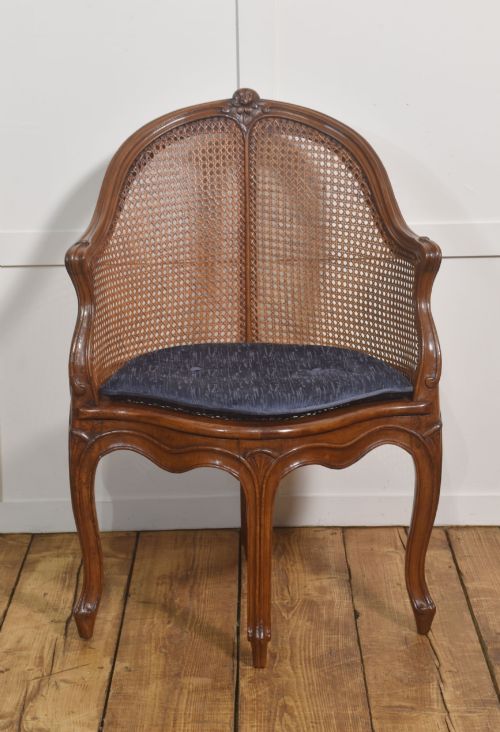
Victorian Style Armchair
When buyers search for a victorian style armchair, they are after deep upholstery, generous proportions, and solid timber frames that anchor a room.
Victorian Style Armchair
A victorian style armchair encompasses pieces built during the nineteenth century alongside later revivals of nineteenth-century forms. The selection on this page ranges from deep-seated library models and button-backed loungers to lighter salon and bedroom chairs.
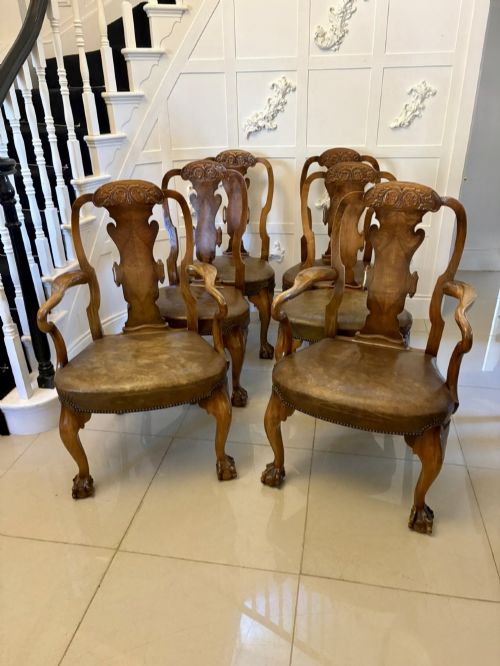
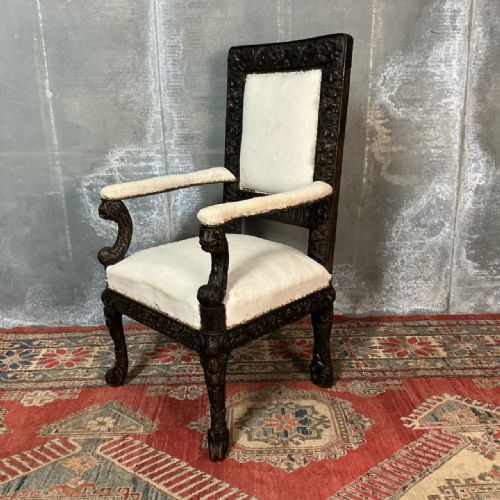
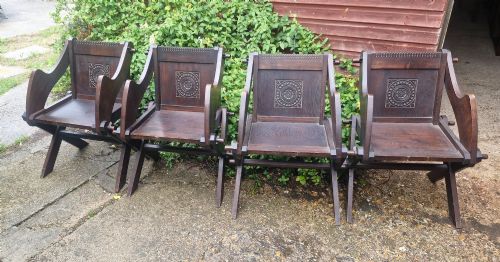
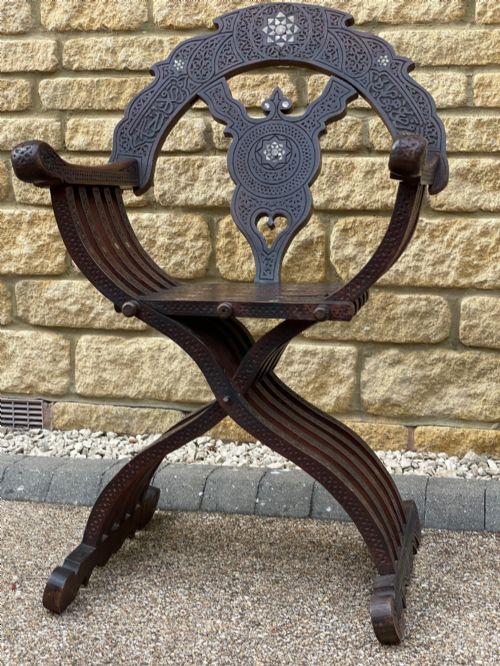
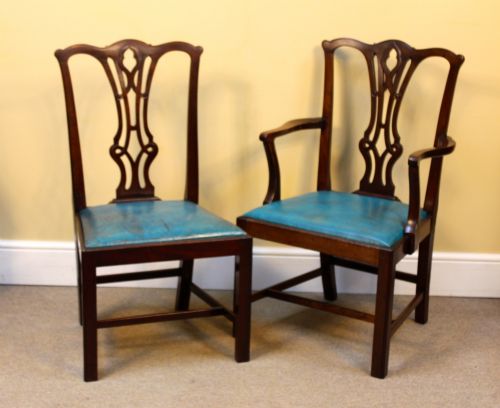
Makers and workshops of the period frequently borrowed from earlier eras, resulting in armchairs displaying Chippendale, Queen Anne, and Gothic revivals alongside distinctive upholstered styles. These pieces were made for comfort in the drawing room, study, or country house.
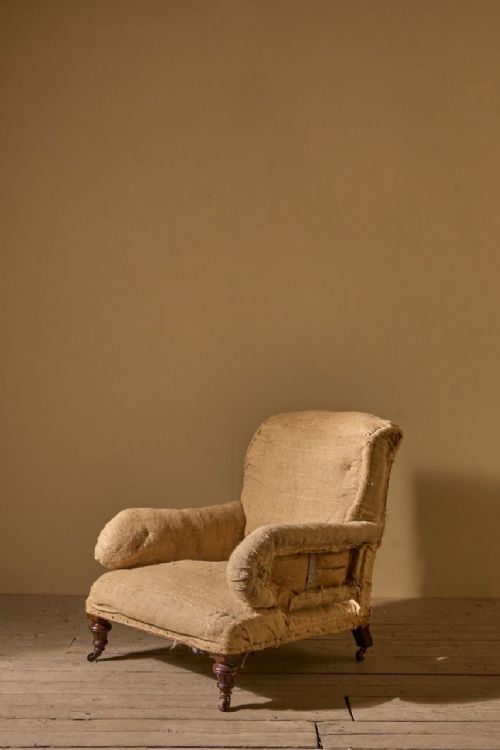
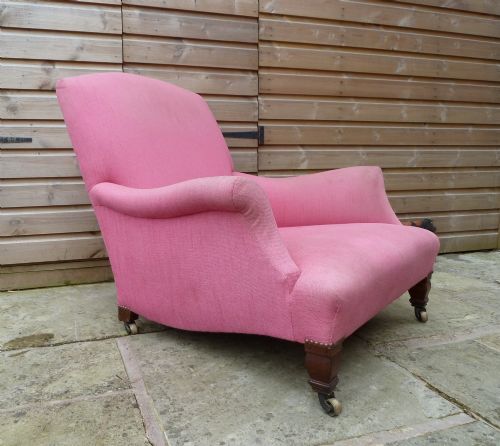
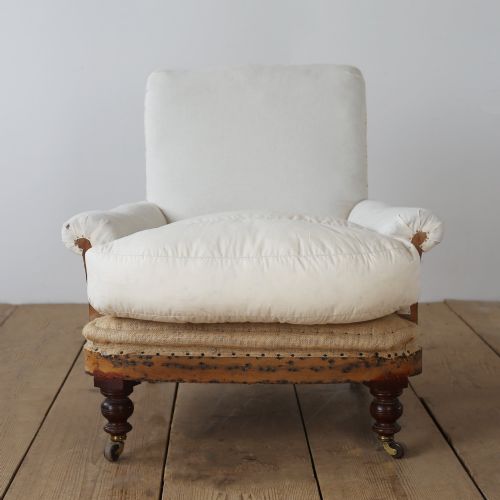
The most common variants meeting this search phrase are low-slung, sprung armchairs designed for deep seating, often carrying the influence of leading upholstery makers of the age. Alongside these sit carved walnut, mahogany, and oak frames upholstered in velvet, tapestry, leather, or calico.
How They Were Made
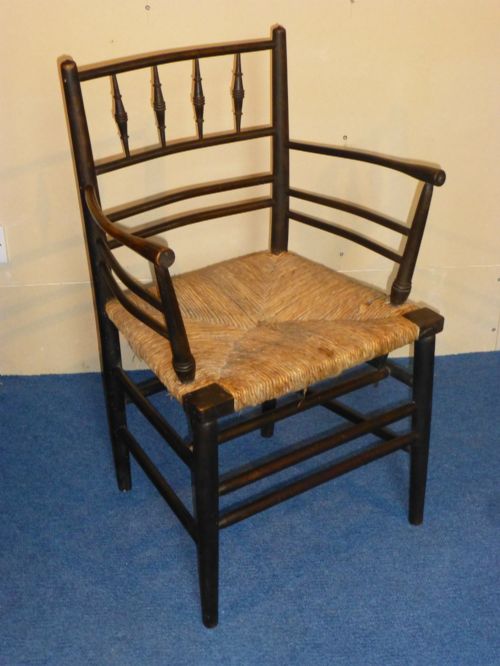
Timbers such as walnut, mahogany, oak, and satinwood form the rigid skeletons of these armchairs, shaped by hand using traditional joinery. Turnings, carved details, and reeded legs demonstrate the cabinetmaker's hand before the upholstery stage begins.
The characteristic comfort of the seating relies on coiled steel springs lashed securely to webbed bases, layered with horsehair, wool, and stuffing. Final coverings of leather, needlework tapestry, velvet, or printed cotton are secured with careful tacking and often finished with braided gimp.
Some Victorian armchairs were built with extra-long seats designed specifically for gentlemen to stretch their legs out entirely.
What Varies in Quality
The distinction between ordinary production and superior work lies in the integrity of the internal stuffing and the resilience of the sprung platform. Better examples retain their original deep contours without sagging, supported by robust hardwood frames rather than softer secondary woods.
Carving depth and timber selection also divide the range, with dense mahogany or figured walnut outlasting simpler pine or ash structures. The precision of the joinery and the selection of high-grade covering textiles complete the hierarchy of manufacture.
Howard and Sons·Morris and Co·Philip Webb·Gillows·Cornelius V Smith
The Victorian Style Armchair Glossary
- Button back
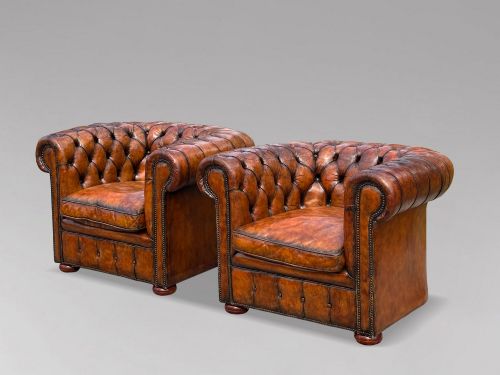
- An upholstery method where depressions are formed in the padding by stitching through to the frame, pulling the fabric into tight diamond shapes. This technique provides structural tension while creating a formal, decorative appearance.
- Wingback
- An armchair featuring protective side panels attached to the arms and rising to the back corners to deflect draughts. Originating in earlier centuries, the form was frequently reinterpreted during the Victorian era.
- Gimp
- A narrow, woven textile band used to conceal upholstery tacks along the seams and edges of a chair. It matches or complements the primary fabric of the upholstery.
- Webbing
- Strong woven strips stretched across the base of an armchair frame to support the underlying springs and stuffing. High-quality pieces use tight jute webbing for lasting durability.
- Carver
- An armchair designed to match a set of dining chairs, usually distinguished by open elbows and a slightly wider seat. These often sat at the head of a dining table.
Victorian Style Armchair: Frequently Asked Questions
How do I care for leather upholstery?
Leather upholstery benefits from regular dusting with a soft, dry cloth and occasional application of specialist leather conditioner to prevent drying and cracking. Keeping chairs away from direct heat sources and strong sunlight preserves the natural hide.
Over-conditioning can weaken the material, so light, infrequent treatments work best for antique leather.
Are these chairs suitable for daily use?
Most antique armchairs are built with robust hardwood frames and resilient internal webbing designed for active daily seating. Ensuring the springs and joints remain stable provides safe, comfortable use in modern living spaces.
Professional checks on internal stuffing can confirm whether an older piece is ready for everyday lounging.
How do I identify a Victorian revival style?
Victorian revival chairs adapt historical motifs from eighteenth-century Chippendale, Queen Anne, or Gothic designs onto nineteenth-century frame structures. Examining the timber patination, internal construction methods, and joinery helps distinguish genuine period revival work from later reproductions.
Upholstery techniques and secondary woods also offer clear clues to a piece's true age.