
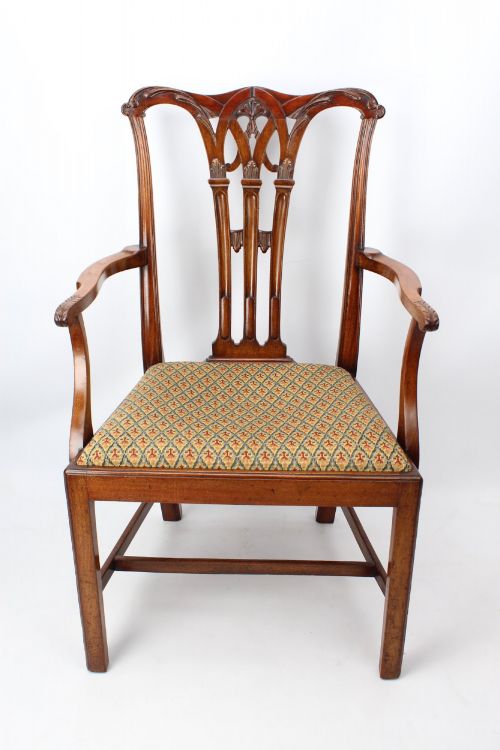


Traditional Study Chair
A traditional study chair anchors a room with solid wood and leather, offering a sturdy seat built for long hours at a desk.
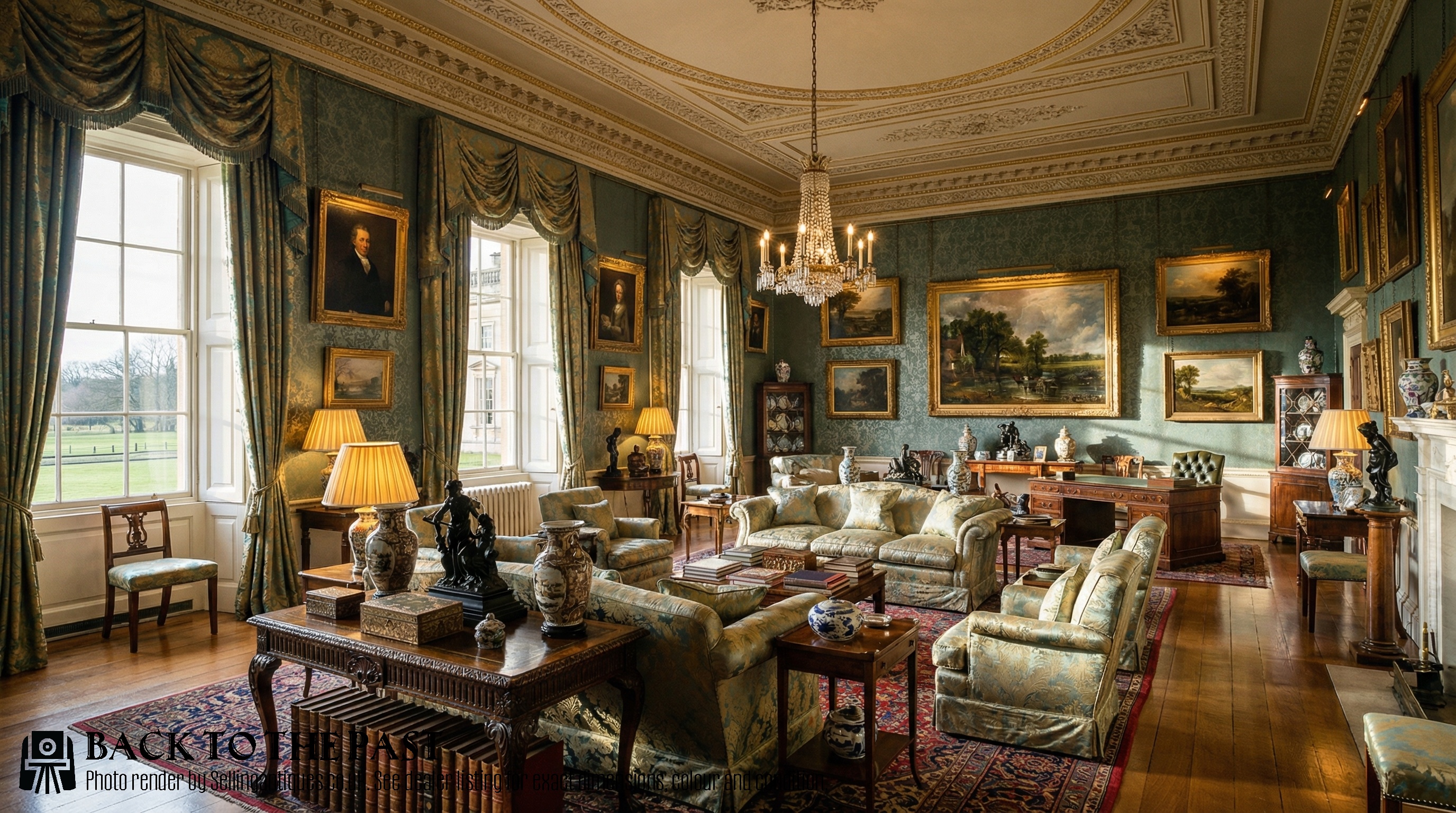
Traditional Study Chair
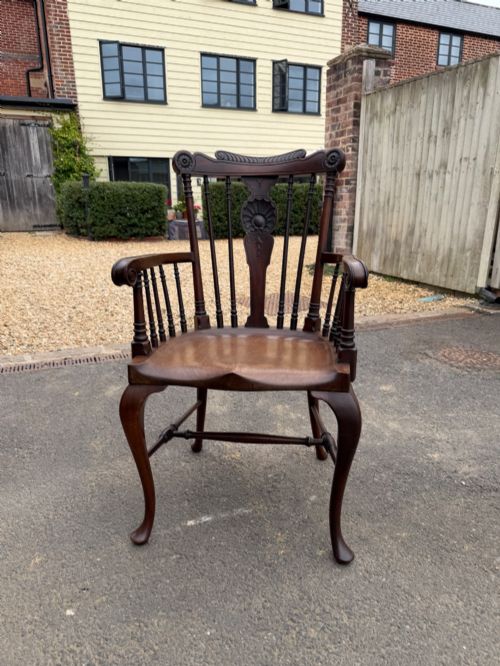
A traditional study chair is typically found as a desk chair, library armchair, or revolving office chair designed for working spaces. The selection on this page draws heavily from the 19th century, Victorian, Edwardian, and Georgian eras, showcasing forms built for comfort and utility.
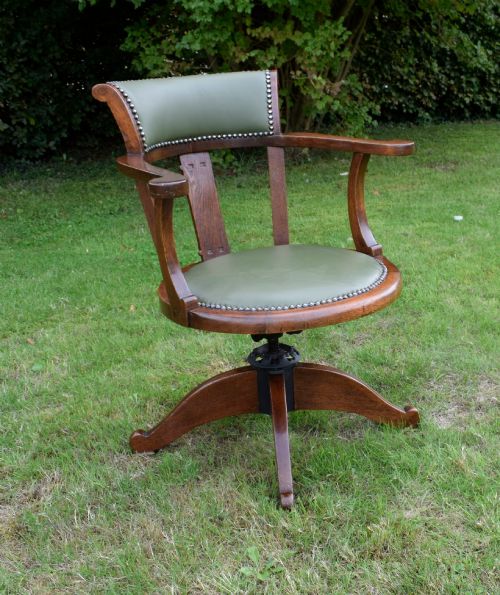
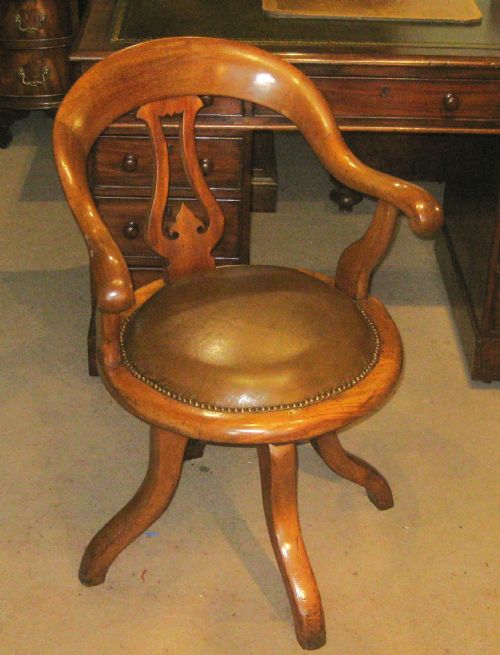
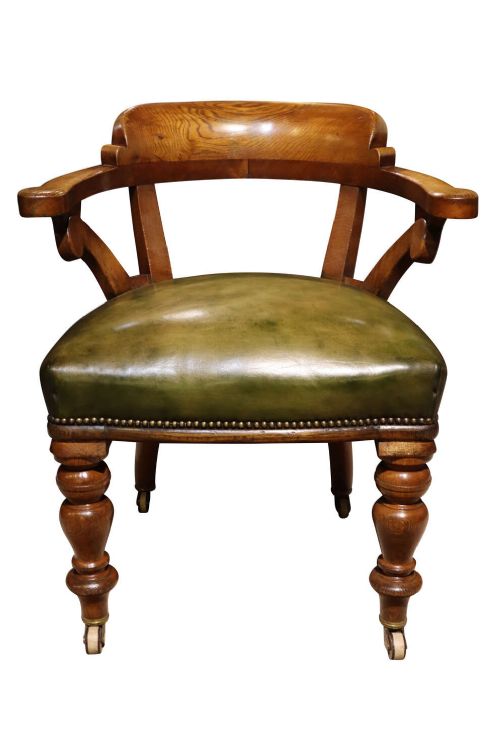
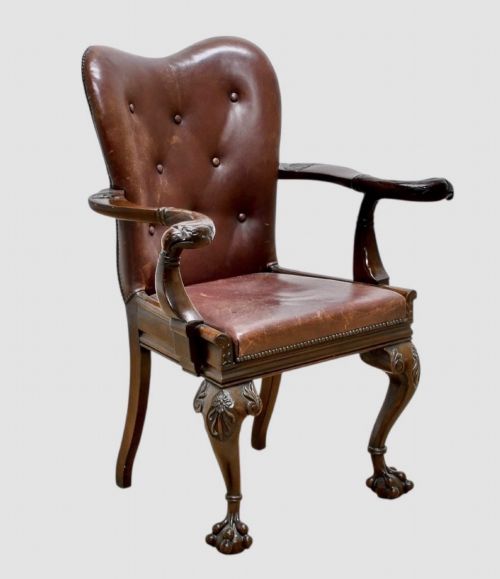
The most common iterations you will meet here are mahogany and oak desk chairs, frequently fitted with leather seats and occasionally featuring swivel or reclining mechanisms. Makers from these periods balanced functional seating with formal styles such as Chippendale Revival and Regency.
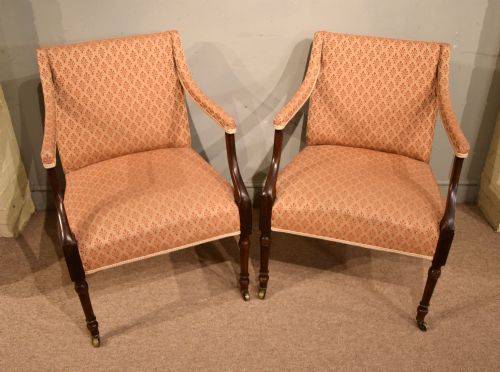
Armchairs and elbow chairs dominate the offerings, providing substantial support with wooden frames and upholstered pads. Whether you examine a Victorian office chair or a Georgian library armchair, these pieces reflect the specific domestic and professional needs of their respective centuries.

How they were made
Makers relied on durable hardwoods like mahogany, oak, and walnut to construct the sturdy frames that support these chairs. These timbers were frequently carved, turned, or polished to a deep lustre.
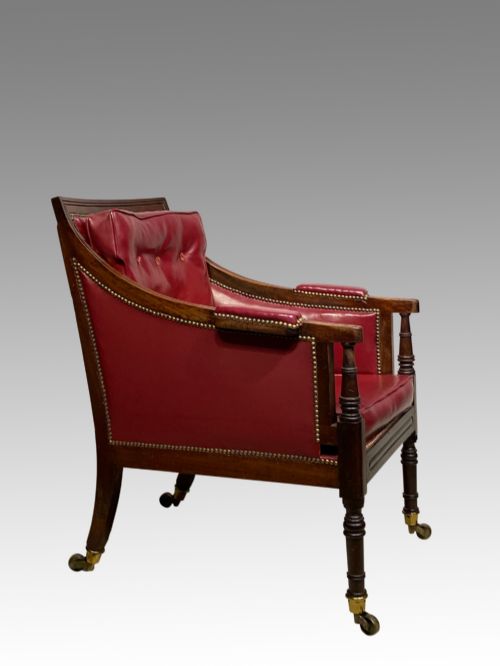
Leather, fabric, and velvet provide the primary upholstery materials, often secured with brass nail heads or finished with button tufting. Desk chairs and library armchairs also integrated metal components such as swivels and revolving mechanisms.
Listings feature woods including mahogany, oak, and walnut, paired with leather, fabric, and velvet upholstery across multiple periods.
What varies in quality
Quality in a study chair rests upon the selection of timber and the depth of the carving on the frame. Dense mahogany or figured oak combined with precise joinery distinguishes finer library chairs from simpler office seating.
The treatment of the leather seat also dictates the grade of the piece, with hand-tooled hide and traditional buttoning representing superior craftsmanship. Original swivel mechanisms and intact brass hardware further elevate the standing of a desk chair.
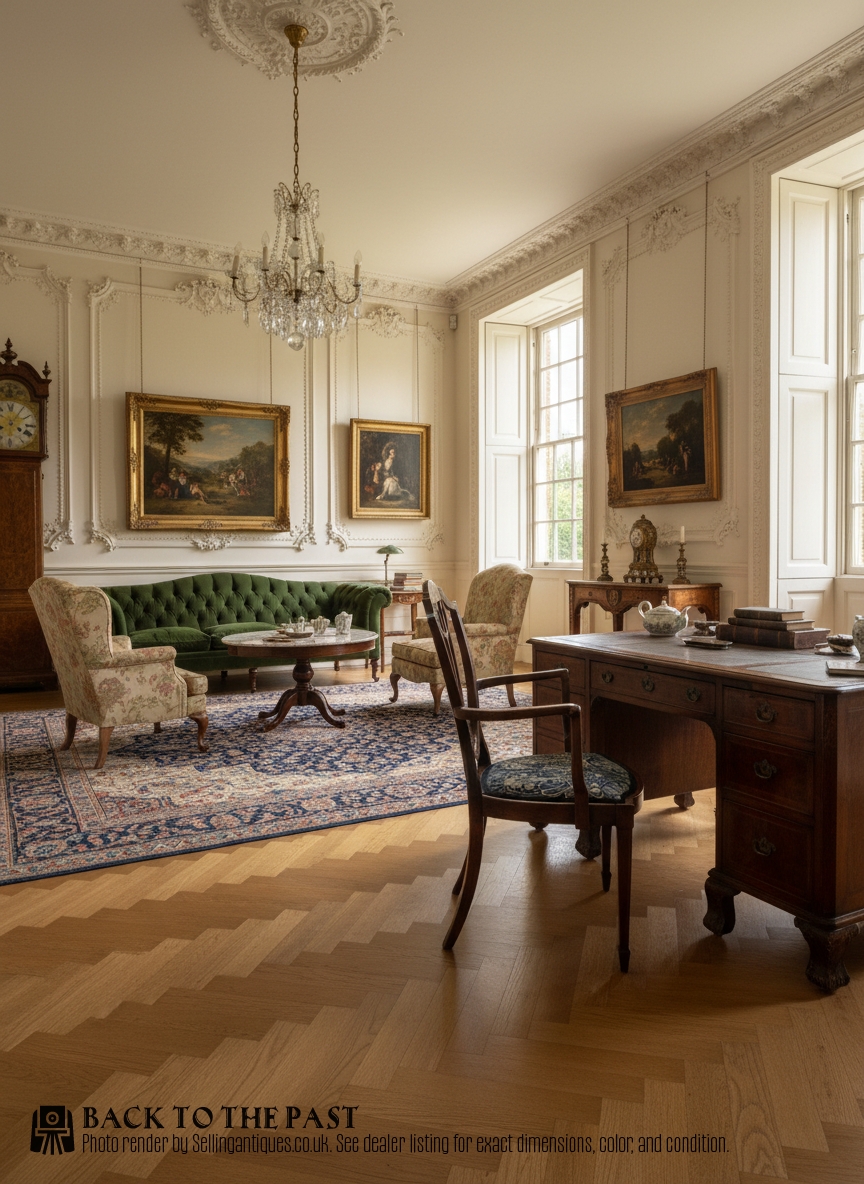
The Traditional Study Chair Glossary
- Gainsborough chair
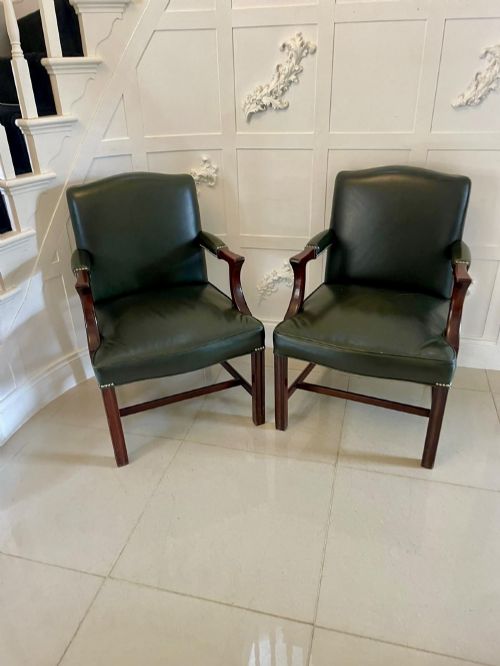
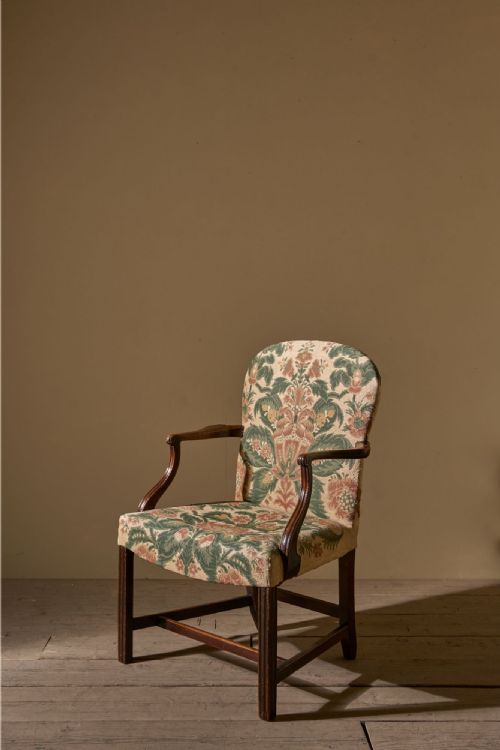
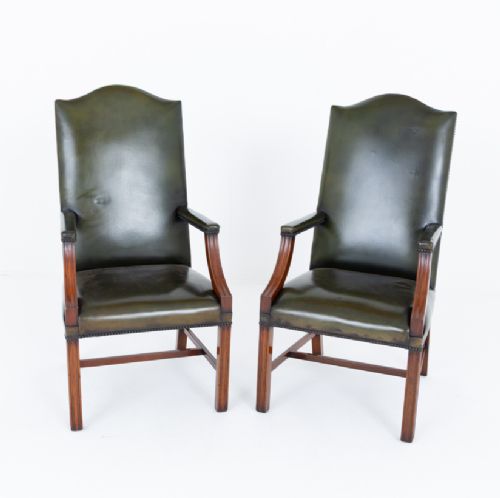
- An upholstered armchair with a wide seat, open arms, and short legs, designed for writing desks in the eighteenth century. They frequently feature leather upholstery bordered with brass tacks.
- Library chair
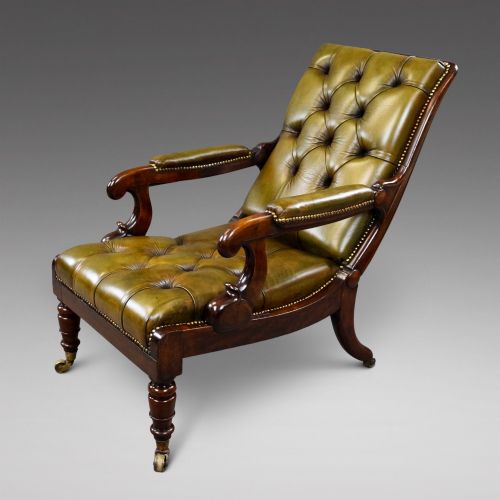
- A substantial upholstered armchair intended for reading rooms, often featuring buttoned leather and generous armrests for comfort. These pieces prioritize heavy framing in mahogany or oak.
- Smokers bow
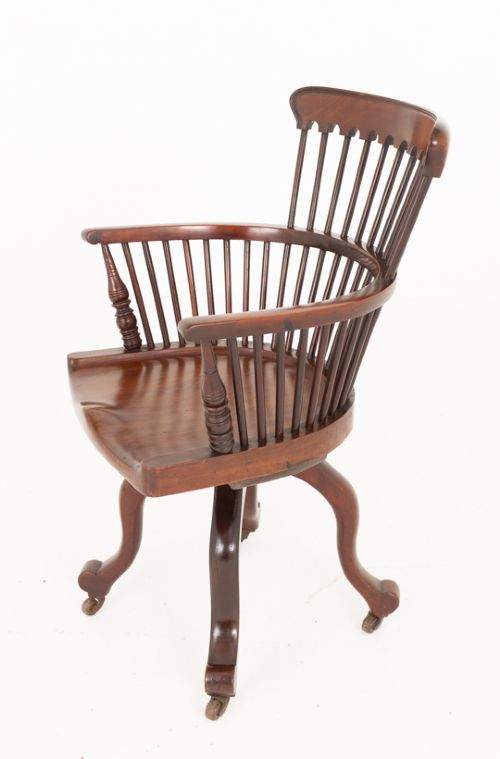
- A sturdy, low-backed wooden armchair with turned spindles, commonly used in offices and studies during the Victorian period. They are typically fashioned from solid oak with a saddle seat.
- Bergère
- An enclosed armchair with stuffed upholstery and cane panels set into the wooden frame. This French style appears on certain nineteenth-century library pieces.
- Revolving desk chair
- A swivel chair mounted on a central pivot, allowing the sitter to turn while seated at a desk. These incorporate metal spindles beneath wooden seats.
Traditional Study Chair: Frequently Asked Questions
What is a traditional study chair?
A traditional study chair is a wooden seat designed for a desk or library, dating from periods like the Georgian, Victorian, and Edwardian eras. They are built from timbers such as mahogany and oak, frequently incorporating leather upholstery.
These chairs serve as functional seating for a home office or study. Their classic designs draw on historical revival styles including Chippendale and Regency.
How do I identify a Victorian desk chair?
Victorian desk chairs often feature robust mahogany or golden oak frames combined with green or brown leather upholstery. They frequently include revolving bases or swivel mechanisms suited for nineteenth-century offices.
Look for deep buttoning and turned wooden legs that reflect the heavier aesthetic of the period. Many examples also take the form of library armchairs or smokers bows.
Were these chairs used for working at desks?
Yes, many of these pieces were engineered specifically for administrative or scholarly work in libraries and studies. Desk armchairs and revolving chairs provided the mobility and support required for long hours of writing.
Their sturdy hardwood construction ensured they could withstand daily professional use. Upholstered leather pads added necessary comfort for extended seating.
What is a Gainsborough chair?
A Gainsborough chair is a wide armchair with open padded arms, designed during the eighteenth century for use at a writing table. Georgian examples feature mahogany frames and leather seats edged with brass nails.
Later revivals from the Edwardian era replicated this comfortable shape for modern studies. They combine formal aesthetic appeal with practical desk-height proportions.