
Victorian Stool Seat
When you search for a victorian stool seat, you are looking at nineteenth-century domestic furniture ranging from low footstools to tall workshop seating.
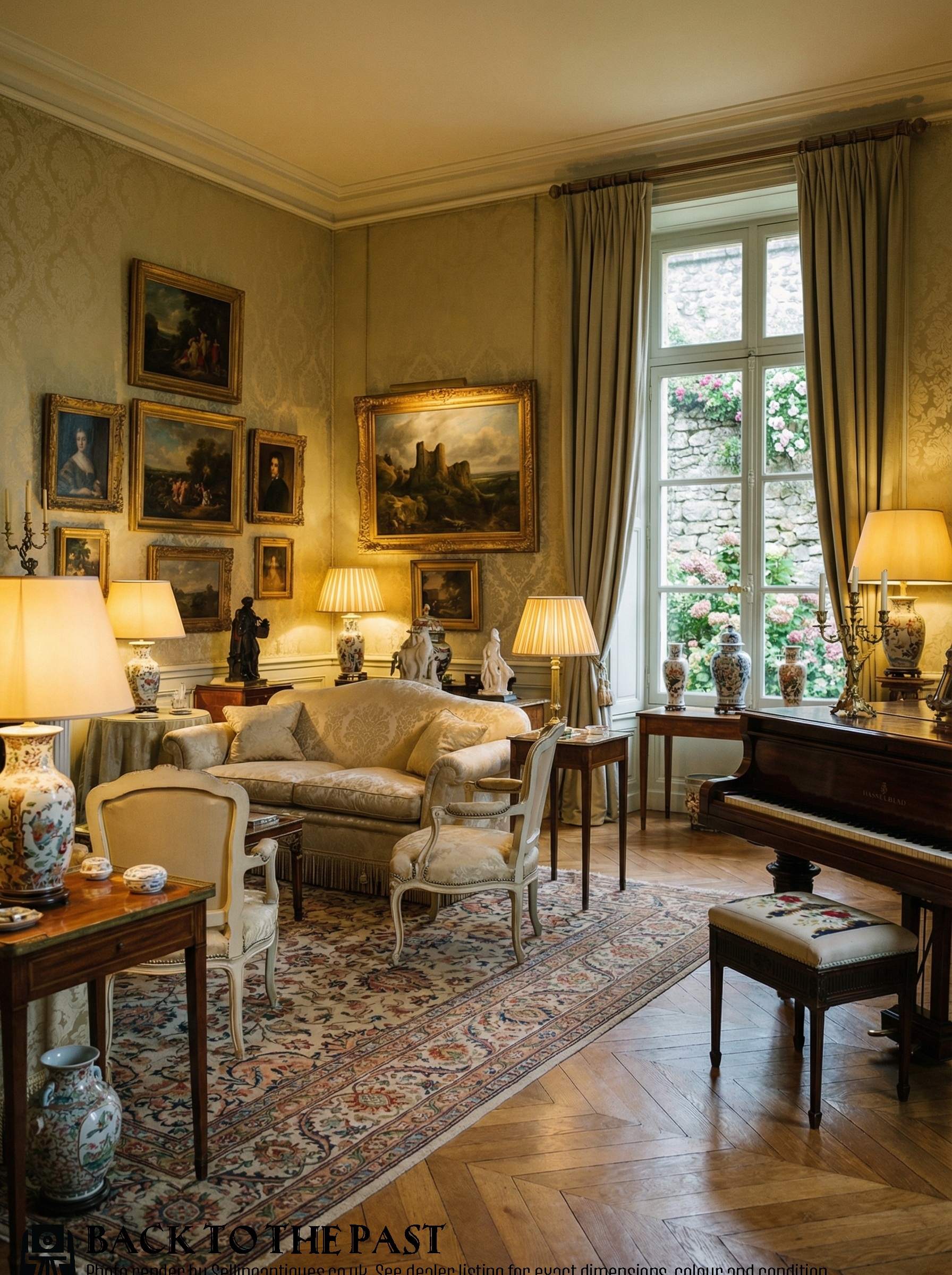
Victorian Stool Seat
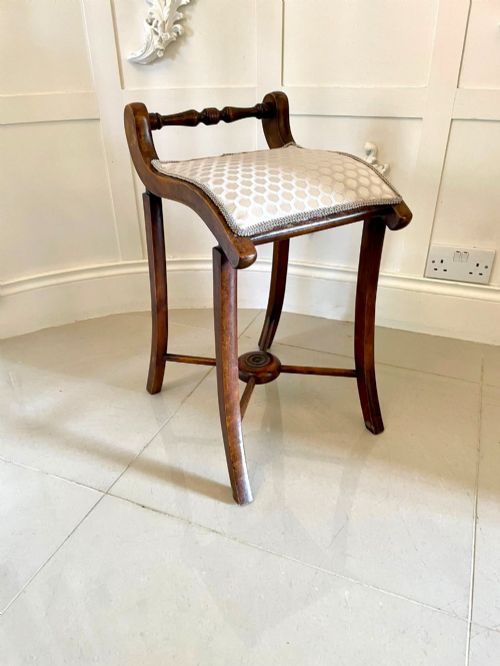
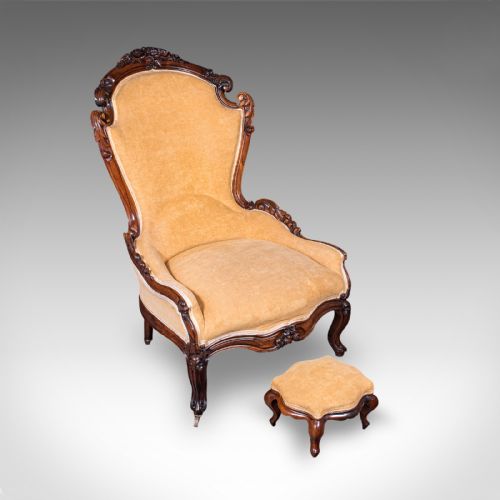
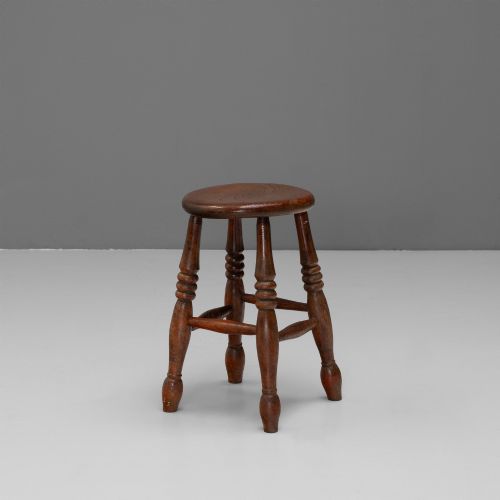
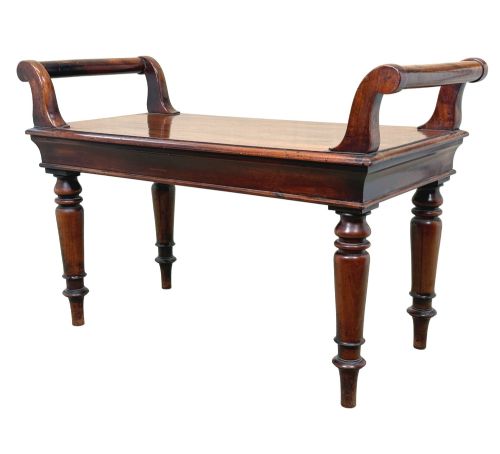
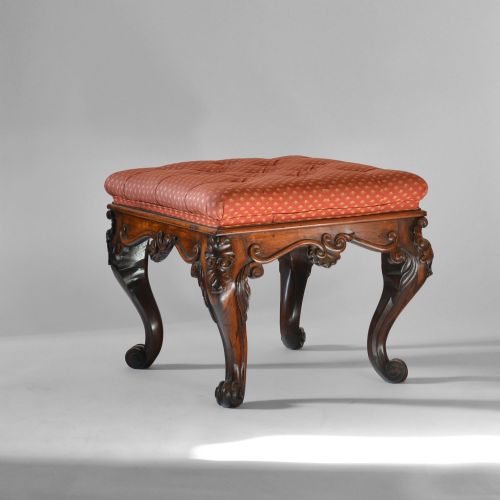
A victorian stool seat encompasses a broad group of nineteenth-century furnishings designed for domestic parlours, music rooms and workshops. The selection includes piano stools, window seats, footstools, dressing table stools and tavern seating.
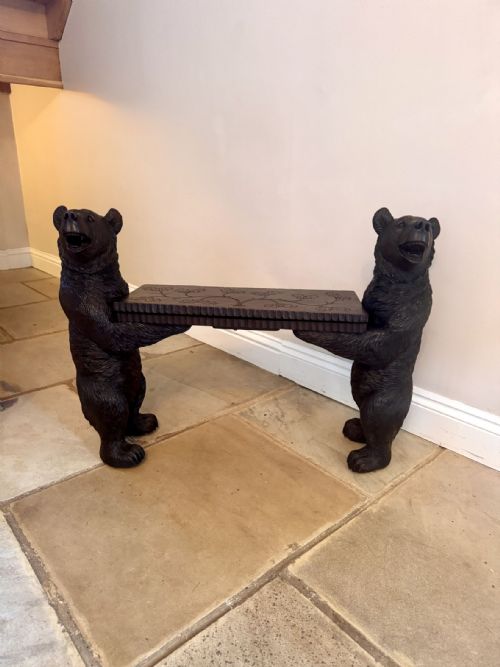
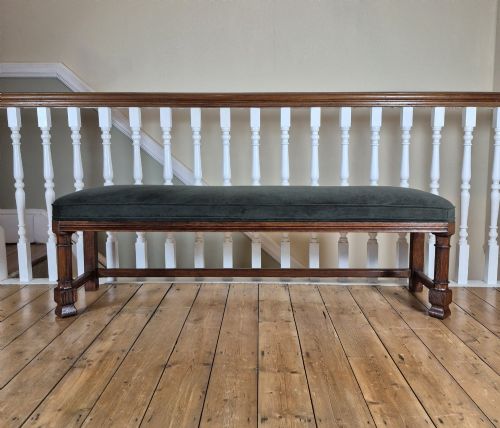
Most pieces date from the Victorian era, alongside related examples from the Regency period and the early twentieth century. Forms vary from simple wooden saddle seats to long upholstered benches and heavy carved oak window seats.
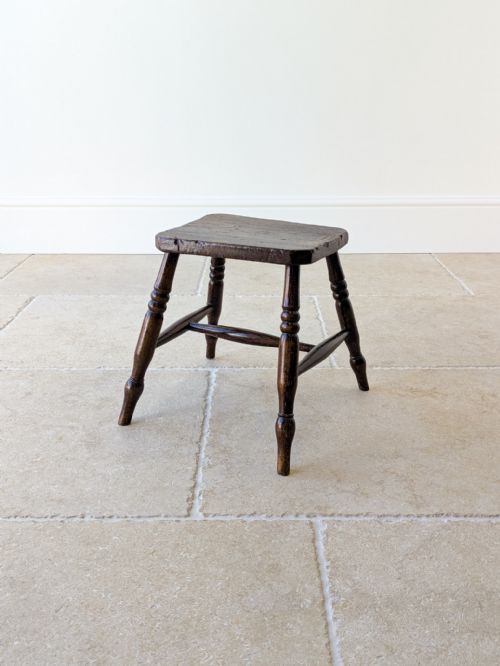
Makers utilised diverse regional styles, spanning English country vernacular, Gothic Revival, Queen Anne revival and Rococo revival designs. Function dictated the build, leading to specialised forms like revolving piano stools, adjustable music seats and industrial artisan stools.
Materials and Construction
Timbers form the core of these pieces, with cabinet makers and rural joiners employing mahogany, walnut, oak, rosewood, elm, ash, beech and sycamore. Secondary woods appear in internal frames, while specialty timbers like satinwood, goncalo alves and rosewood serve for display seating.
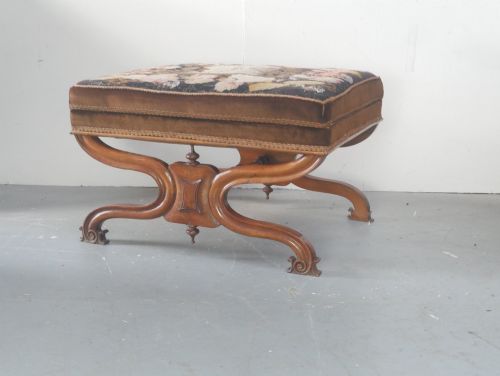
Upholstered variants rely on traditional stuffing covered in fabric, leather, velvet, needlework, tapestry, beadwork or brass-framed canvas. Metal components such as brass brackets, iron adjustment screws and ceramic castors provide mechanical function for revolving and rise-and-fall piano stools.
Silversmiths and artisans shared the nineteenth-century workshop with harpists and pianists, all requiring specialised seating.
Craftsmanship and Proportion
Quality rests in the integrity of the timber framing and the precision of carved details, distinguishing robust country vernacular work from refined metropolitan cabinet making. Superior examples display balanced proportions, clean joinery and thoughtful selection of figured veneers.
Mechanism complexity defines musical and adjustable seating, where smooth movement in rise-and-fall screws and sturdy hinges mark superior manufacture. Original upholstery treatments and period needlework retain greater authenticity than later replacement coverings.
Jennens & Bettridge·Howard & Sons·Jas Shoolbred·Charles Wadman
The Victorian Stool Seat Glossary
- Duet stool
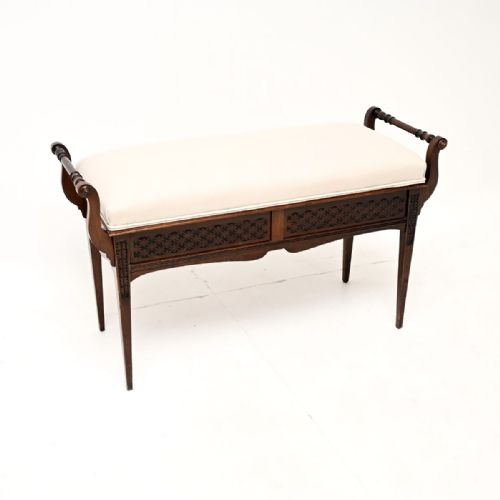
- A wide seating bench designed for two musicians to sit side by side at a piano or in a window recess. These often feature hinged box seats for sheet music storage.
- Saddle seat
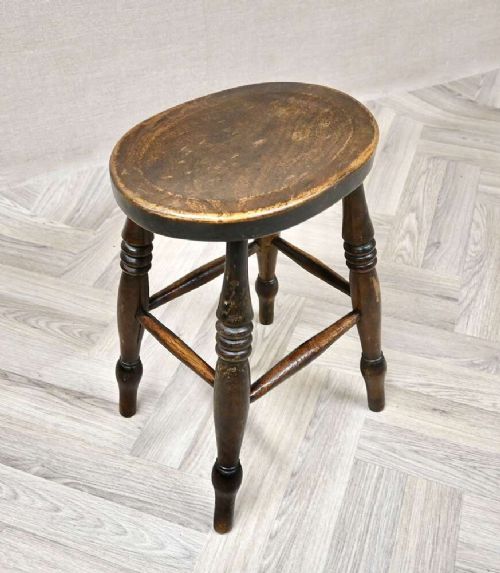
- A wooden seat base carved with deep anatomical hollows to resemble an equestrian saddle. This form appears frequently on country, tavern and industrial workshop stools.
- Rise and fall
- A mechanical screw mechanism allowing the seat height to be adjusted by rotation. It is commonly found on Victorian piano and music stools.
- Fender stool
- A long, low bench designed to sit hearthside in front of a fireplace fender. They typically feature upholstered tops on low wooden or brass frames.
- Papier-mâché
- A moulded composite material made from paper pulp, reinforced and lacquered, utilised for decorative Victorian music stool bases and occasional furniture.
Victorian Stool Seat: Frequently Asked Questions
How do I identify a window seat?
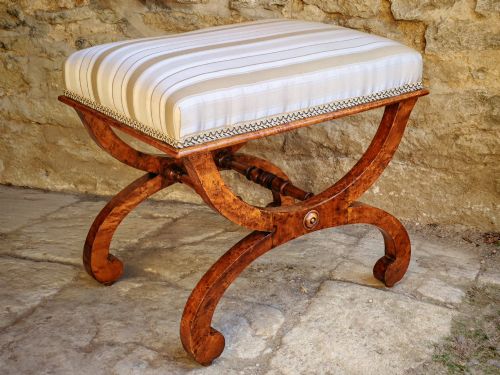
A window seat is typically an elongated bench or long stool built to fit within the architectural recess of a bay window. They often feature upholstered tops supported by carved wooden frames or X-frames.
Many examples double as duet stools or hall benches from the Victorian period.
What is an industrial stool?
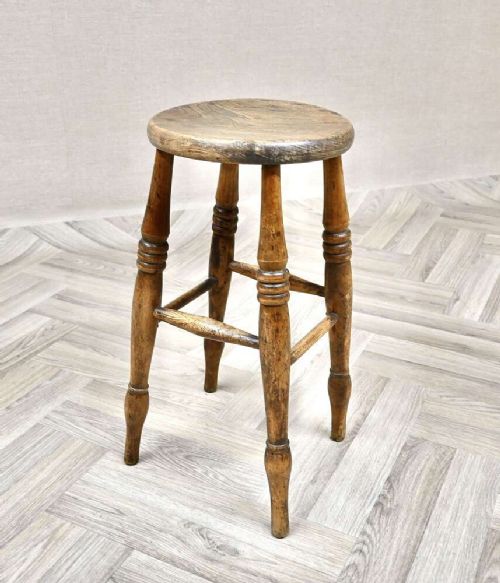
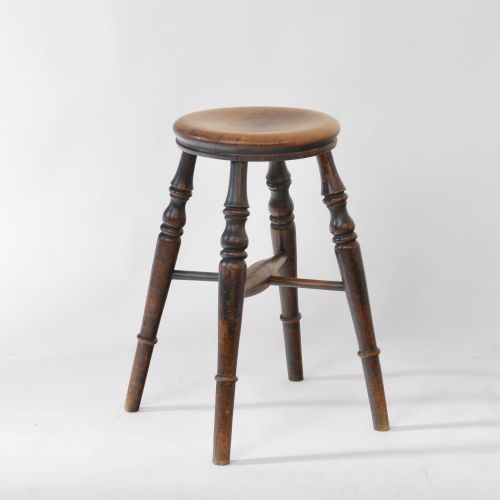
An industrial stool is a functional, utilitarian seat used in workshops, drafting offices and pubs by artisans, clerks and tradespeople. They feature robust wooden construction in ash, beech, elm or sycamore.
Common variants include tall bar stools, machinist seats and dished-top tavern stools built for heavy daily use.
How are needlework seats cleaned?
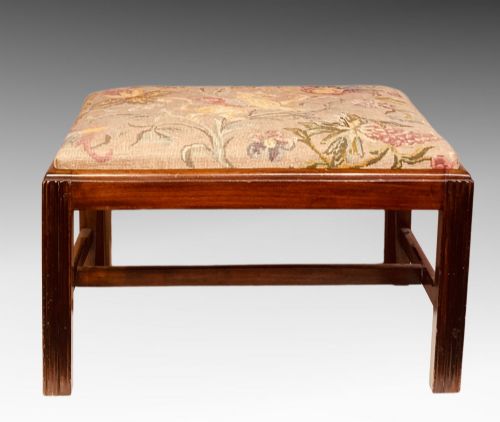
Needlework and tapestry seat covers require gentle surface cleaning to preserve historic wool and cotton threads. Vacuuming through a protective mesh screen removes loose dust without stressing aged textiles.
Harsh chemical solvents and excessive moisture should be avoided to prevent damage to vintage embroidery.