



Vintage Tapestry Bench
A vintage tapestry bench brings tactile textile work and sturdy timber framing together into a compact, functional seat.
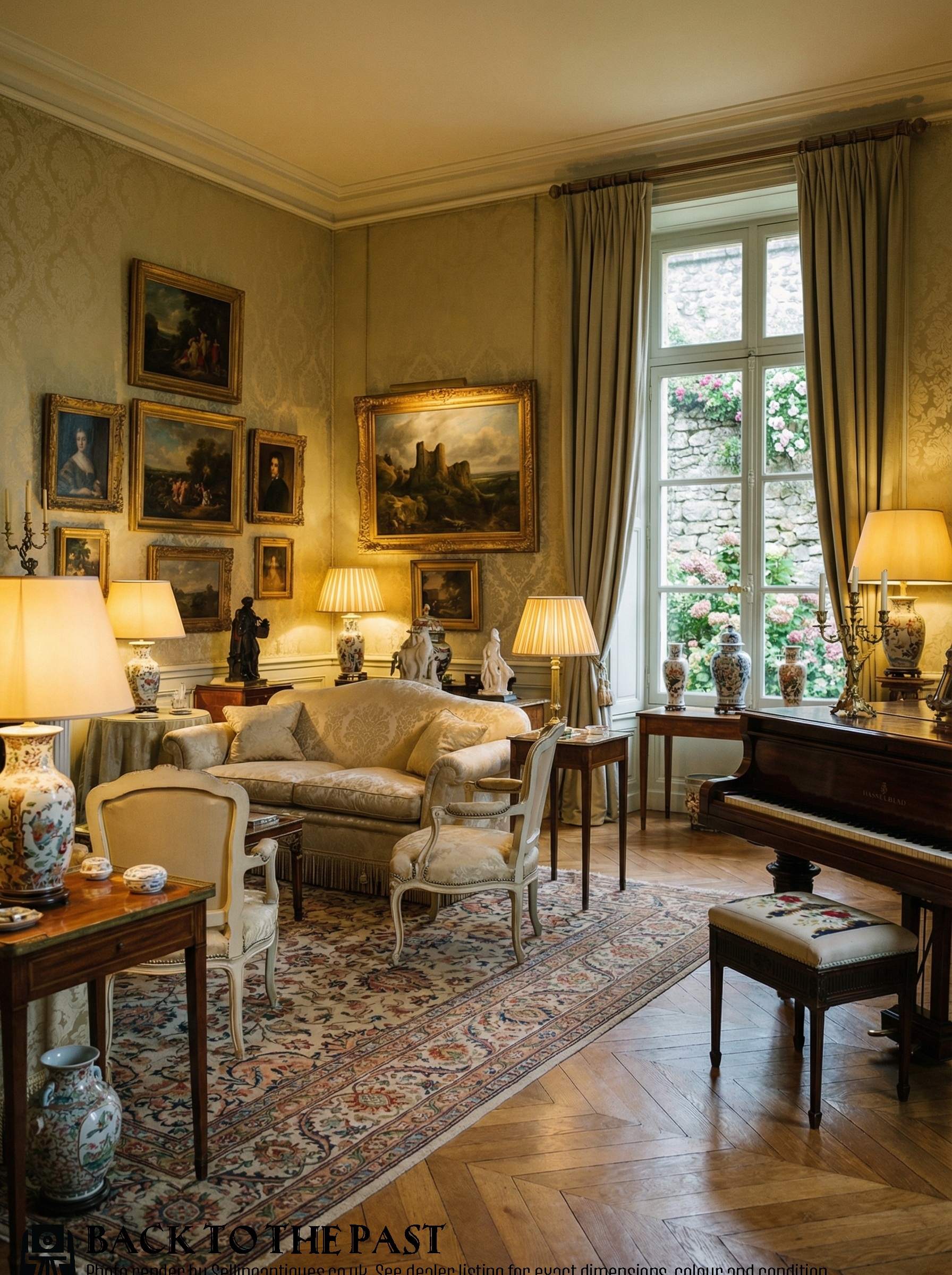
Vintage Tapestry Bench
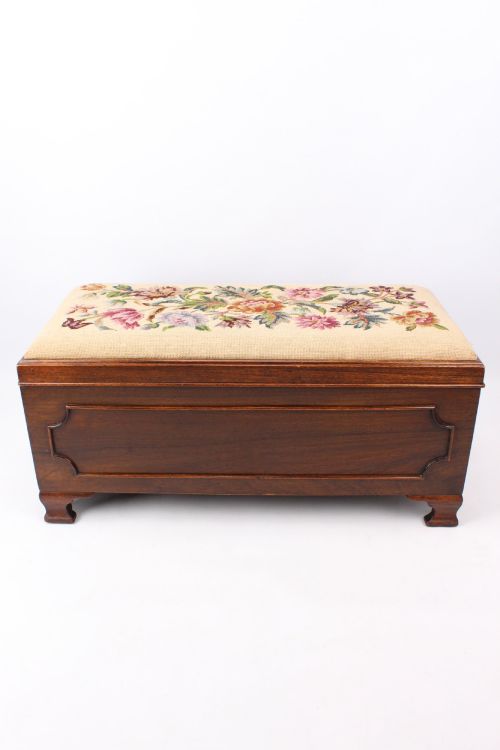
A vintage tapestry bench encompasses various low seats, footstools, ottomans and long dressing stools upholstered in needlework, wool or woven textiles. These forms frequently appear alongside larger settees and window seats spanning the nineteenth and early twentieth centuries.
Makers and workshops constructed these pieces in diverse regional expressions, from English Country House designs to French revival styles. Walnut, mahogany and painted timber form the structural chassis beneath the decorative textile top.
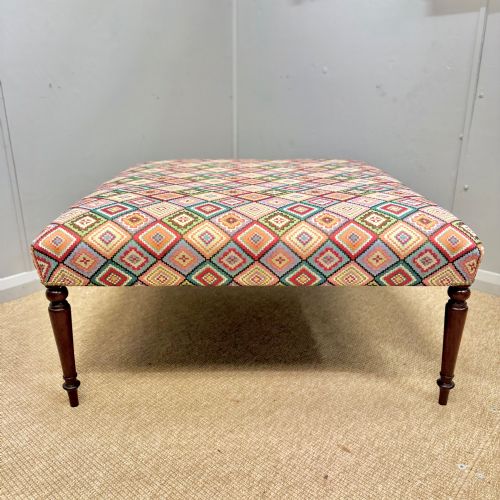
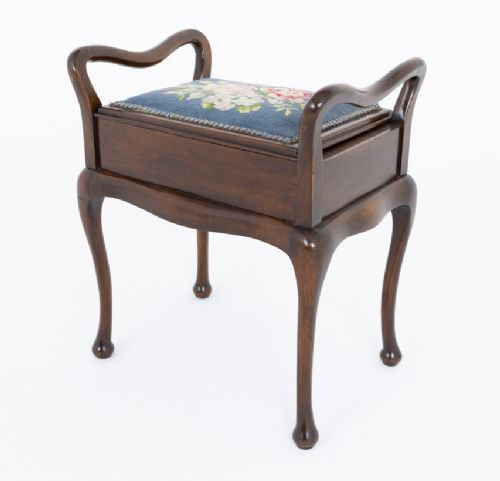
Buyers seeking a vintage tapestry bench often encounter smaller dressing table stools, piano stools and large geometric footstools. These items function equally as movable seats, footrests or decorative accents in sitting rooms and bedrooms.
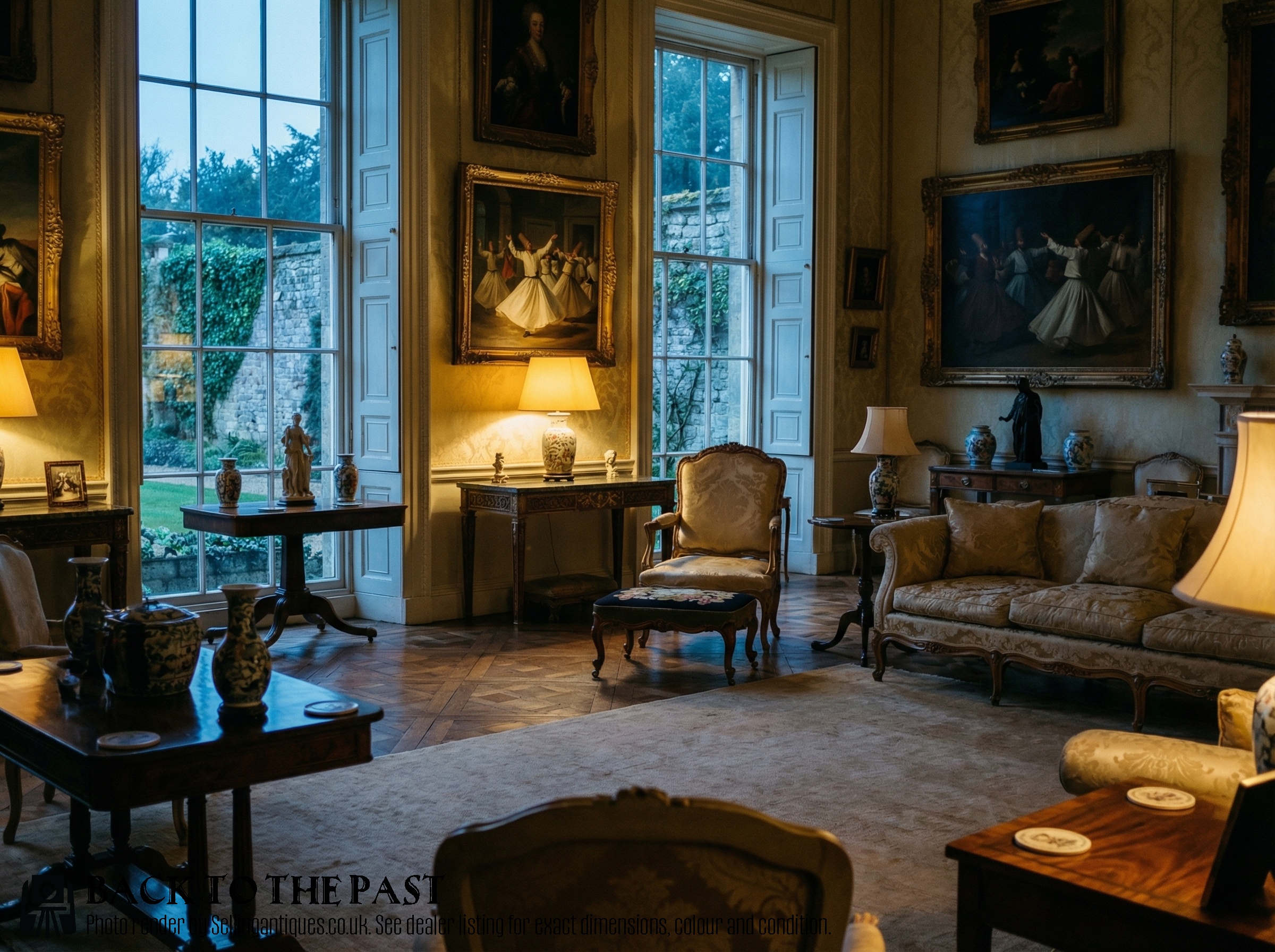
Materials and construction methods
Frames rely on dense hardwoods such as mahogany and walnut, occasionally augmented by oak, brass or gilded finishes. Joinery methods secure the timber legs, stretchers and upholstered box frames designed to bear regular weight.
Upholstery relies on woven textile, wool, velvet and intricate needlepoint or tapestry needlework secured directly over padding. Skilled hands stretched these decorative covers across frames ranging from simple stools to elaborate settee backs.
Vintage Tapestry Bench Retail Price Guide 2026
Typical asking prices for vintage tapestry bench among the pieces listed under this phrase on Sellingantiques today, from the lower quarter to the upper quarter. They describe what is for sale here now, not the wider market.
Needlework benches frequently preserve the hidden, tireless labour of Victorian parlour hours within every single stitch of wool.
Distinctions in construction and design
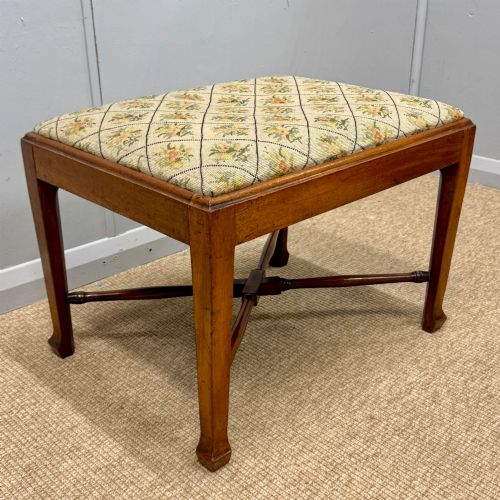
The sophistication of the timber framing and the intricacy of the carved detail set individual examples apart. Hand-carved walnut or mahogany structures with cross stretchers demonstrate superior craftsmanship compared to simpler or painted alternatives.
The artistry and tightness of the needlework or tapestry seat dictate visual distinction. Finely worked wool and textile covers executed with dense stitches represent a higher tier of execution than basic printed fabrics.
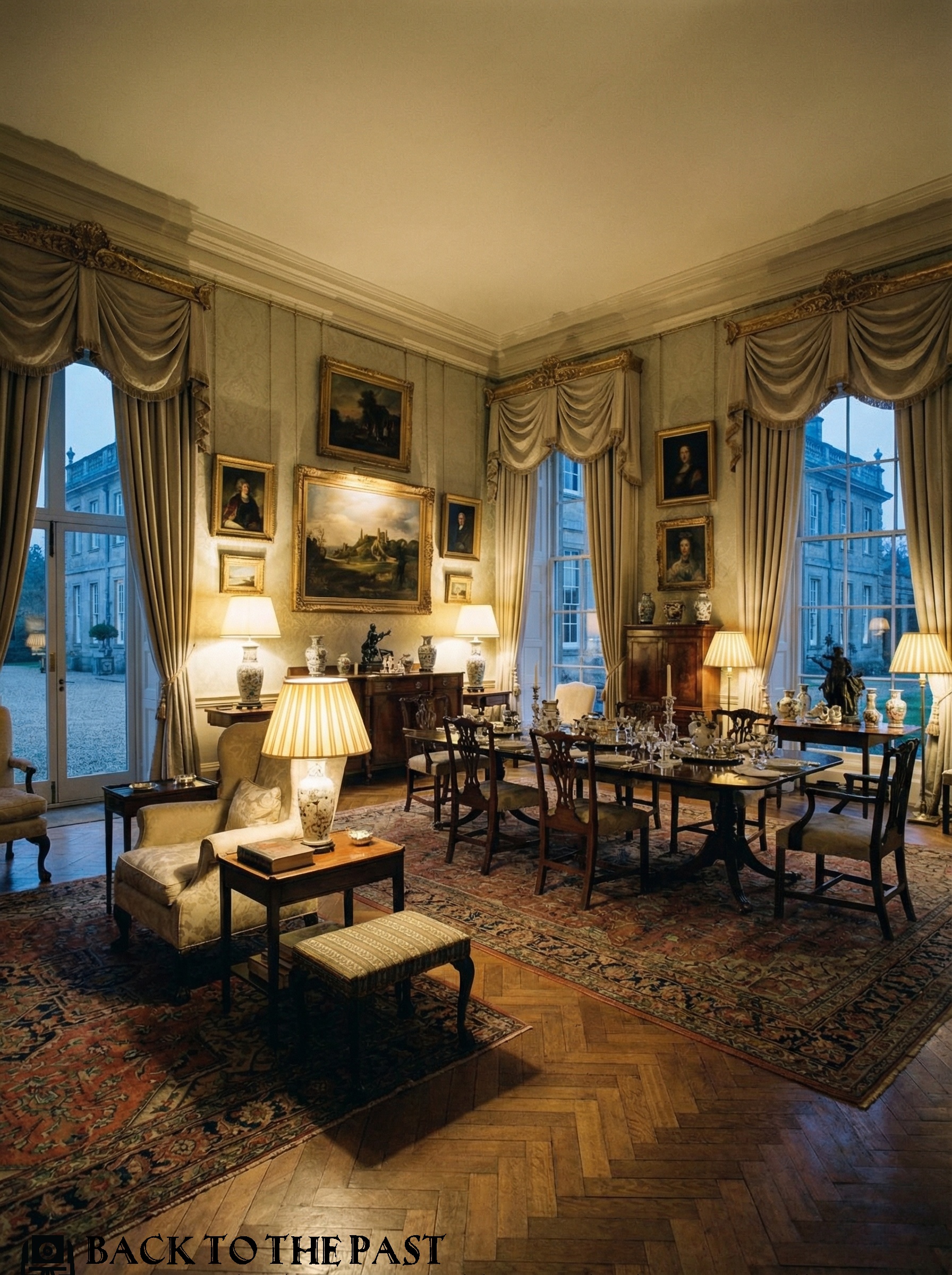
Hallett & Sons·Jas Shoolbred·Whytock and Reid
The Vintage Tapestry Bench Glossary
- Tapestry
- A thick textile featuring worked needlepoint, wool or decorative stitching used for upholstery. This material provides the characteristic patterned surface seen on bench and stool seats.
- Ottoman
- A low, upholstered seat or footstool typically lacking arms or a back. These pieces often incorporate storage compartments or long box frames.
- Stretcher
- A horizontal timber rail connecting the legs of a stool or bench for added stability. Cross stretchers intersect centrally to reinforce the wooden frame.
- Settee
- A small upholstered sofa with a back and arms designed for multiple occupants. These elongated seats mirror the textile upholstery found on smaller benches.
Vintage Tapestry Bench: Frequently Asked Questions
What is a vintage tapestry bench used for?
These versatile seats function as footrests, dressing table perches, window seats or occasional chairs in living spaces. Their compact dimensions allow them to move easily between rooms as needed.
Larger variations such as settees and long ottomans provide extended seating or daybed arrangements while introducing rich textile patterns to an interior.
How do I identify the period of a bench?
Dating relies on combining the timber species, framing style and upholstery technique. Nineteenth-century examples often feature heavier walnut or mahogany frames with detailed carvings.
Edwardian and later twentieth-century pieces tend to display lighter proportions or specific revival characteristics like Queen Anne or Chippendale styling.
Are these benches sturdy enough for daily seating?
Solid hardwood frames built from mahogany, walnut or oak provide robust structural integrity for regular use. Cross stretchers and tight joinery further reinforce the load-bearing capacity of these stools.
Periodic checks of the wooden joints ensure the frame remains stable under everyday sitting conditions.
What styles of tapestry benches exist?
The available designs range from Victorian and Edwardian to French revival, Arts and Crafts, and English Country House aesthetics. Each style applies distinct decorative motifs to the wooden frame and textile cover.
Needlepoint seats complement painted frames, gilded surfaces and dark polished woods alike.