
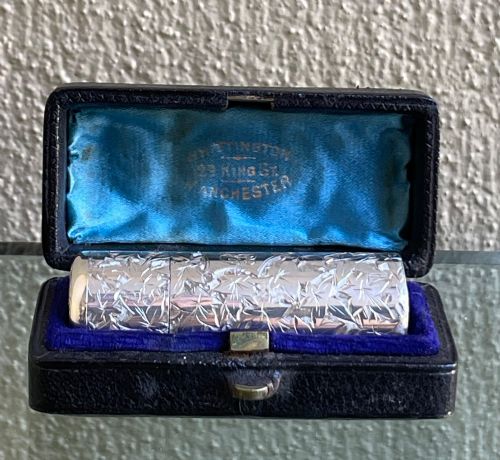
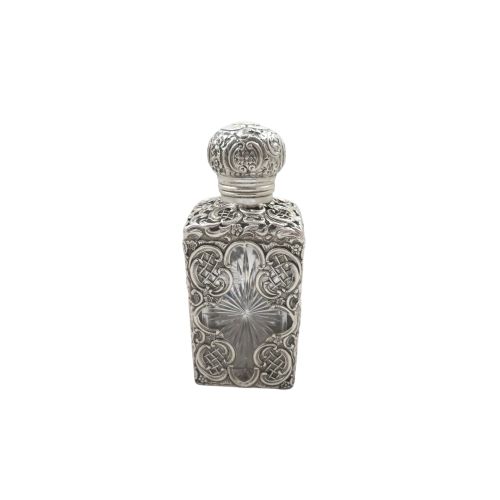
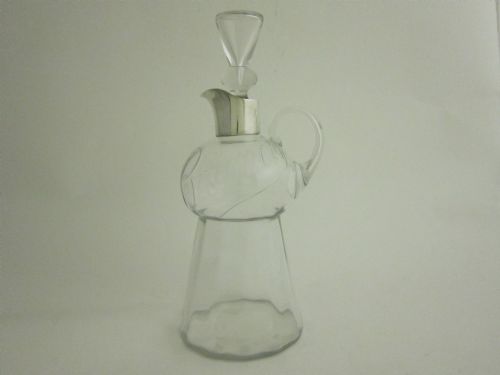
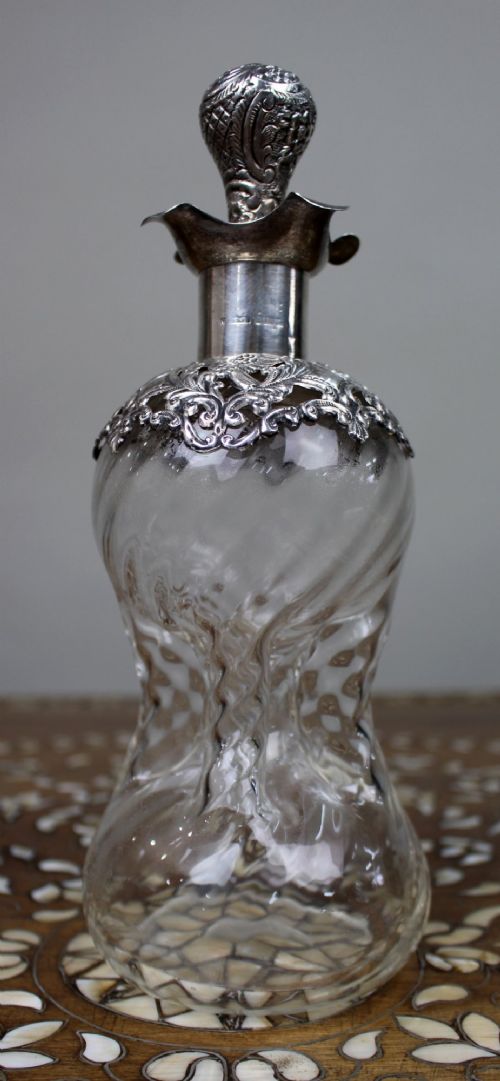




Victorian Sterling Silver Flask
A victorian sterling silver flask brings pocket-sized elegance to portable spirits and scents through solid metal and glass craft.
Victorian Sterling Silver Flask
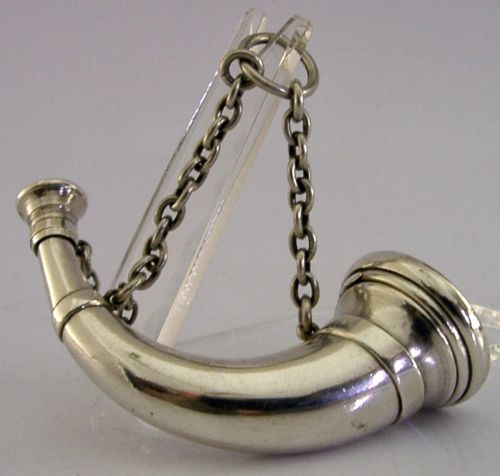
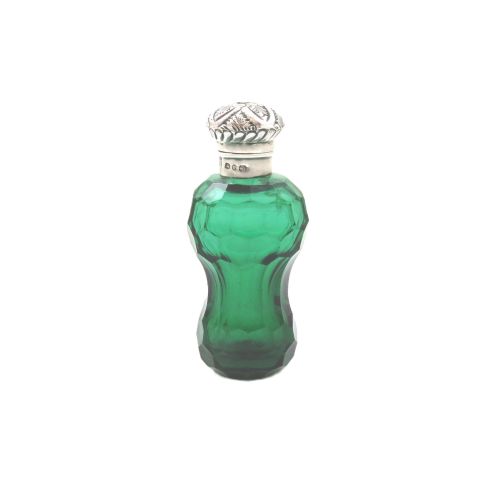
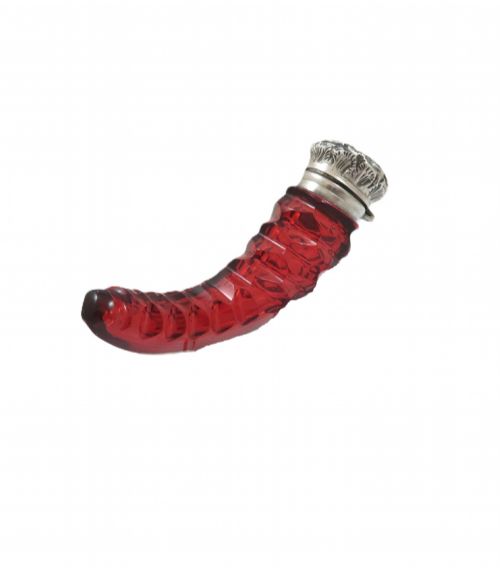
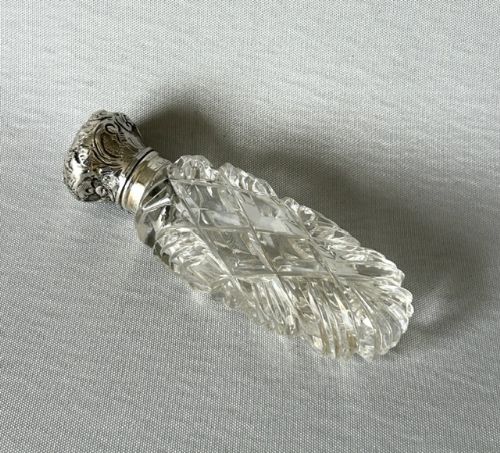
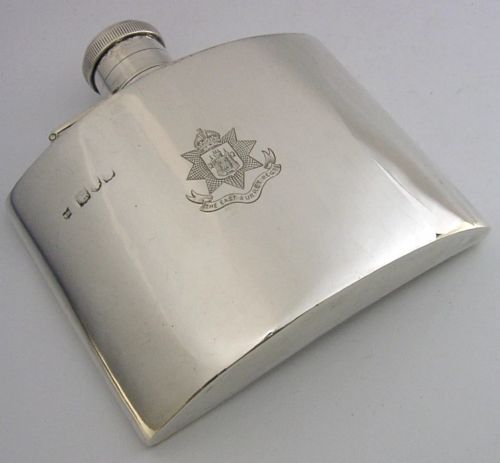
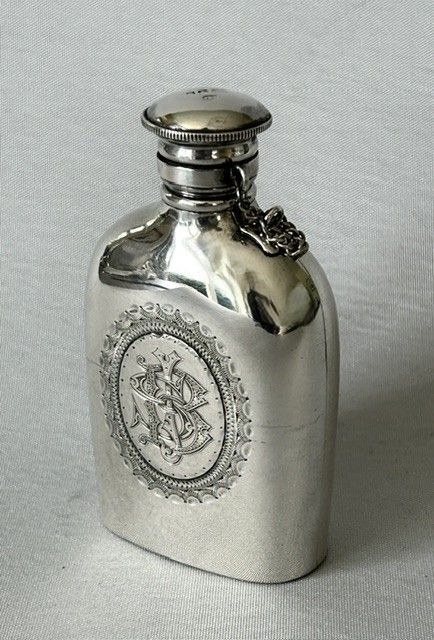
A victorian sterling silver flask encompasses both portable hip flasks for spirits and delicate glass scent bottles housed in metal mounts. These items date primarily from the nineteenth century into the Edwardian era, reflecting a period of refined personal accessories designed for travel and daily carriage.
Makers frequently utilised sterling silver for mounts, caps, and drinking cups, pairing the metal with transparent, cranberry, ruby, or opaline glass. These objects served practical domestic and military functions for Victorian gentlemen and ladies alike.
How they were made
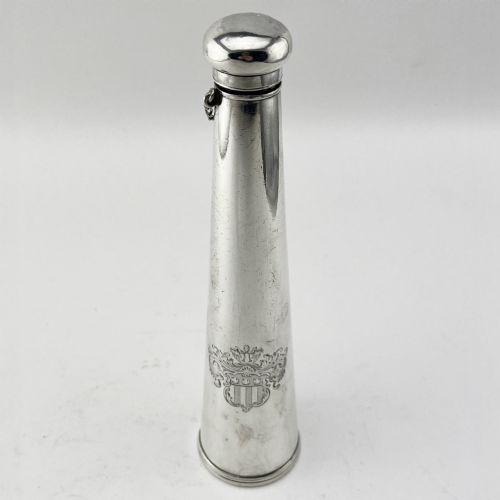
Silversmiths constructed mounts, caps, and cups from sterling silver, often applying hand-engraved armorial crests, embossed foliage patterns, or hammered finishes to the metal surface. Glass bodies were blown into moulds or cut deeply with geometric patterns to catch the light.
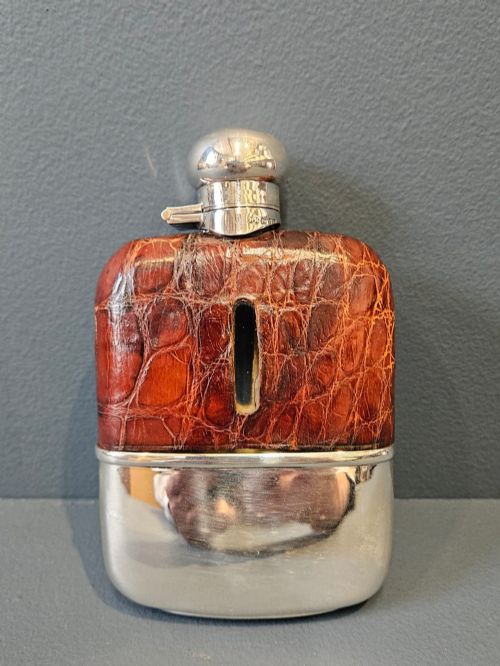
Makers combined materials by wrapping glass flasks in stitched leather or crocodile skin, securing the outer sheath with fitted silver collars and hinged stoppers. Gilt interiors within silver cups and bottle necks prevented the spirits from tarnishing the base metal.
Victorian Sterling Silver Flask Retail Price Guide 2026
Typical asking prices for victorian sterling silver flask among the pieces listed under this phrase on Sellingantiques today, from the lower quarter to the upper quarter. They describe what is for sale here now, not the wider market.
What varies in quality
Quality rests upon the weight of the sterling silver used in the mounts and cups, alongside the crispness of the hand-engraving or chasing. Heavier gauge silver resists dents and maintains structural integrity around the hinge mechanisms.
The sophistication of the glass body distinguishes finer examples, whether through deep hand-cutting or unusual coloured glass such as cranberry and opaline. Complete sets featuring matching removable silver cups and original stoppers elevate a piece.
Horton And Allday·Sampson Mordan·Hukin And Heath·Asprey London
The Victorian Sterling Silver Flask Glossary
- Sterling silver
- A silver alloy containing 92.5 percent pure silver and 7.5 percent other metals, typically copper, ensuring durability for pocket items.
- Vinaigrette
- A small ornamental box or bottle containing a sponge soaked in aromatic vinegar, used during the Victorian era to ward off unpleasant odours.
- Removable cup
- A small metal beaker fitted to the base of a hip flask that slides off for drinking spirits in the field.
- Cut glass
- Glass decorated by grinding facets or patterns into the surface using a wheel, creating reflective depth.
- Silver gilt
- Sterling silver that has been coated with a thin layer of gold on the interior or surface.
Victorian Sterling Silver Flask: Frequently Asked Questions
What is a victorian sterling silver flask?
These items are portable containers made during the nineteenth century for carrying personal spirits or perfumes while travelling.
They combine hallmarked silver mounts with glass bodies, leather wraps, or hinged drinking cups designed for everyday use.
How were these flasks used?
Gentlemen carried hip flasks in pockets during hunting, military campaigns, or outdoor excursions for quick access to spirits.
Ladies utilised smaller scent bottles to hold perfumes or aromatic vinegars for personal refreshment throughout the day.
How do I date a flask?
Assay office hallmarks stamped onto the sterling silver mounts provide exact year letters, town marks, and maker's stamps.
Stylistic clues like embossed floral patterns or crocodile leather wraps also help narrow down the production period.
Are the glass inserts original?
Most surviving pieces retain their original hand-blown or cut glass bottles fitted specifically to the silver mounts.
Original stoppers and cork linings inside the silver caps ensure a proper seal for liquid contents.
How should I clean silver mounts?
Gentle dusting with a soft microfibre cloth preserves the antique patina on engraved or hammered silver surfaces.
Harsh chemical dips should be avoided to protect surrounding leather sleeves and delicate glass bodies.