




Hallmarked Silver Flask
A hallmarked silver flask brings pocket-sized luxury to your collection, offering tactile heritage and solid metal craftsmanship.
What these pieces are
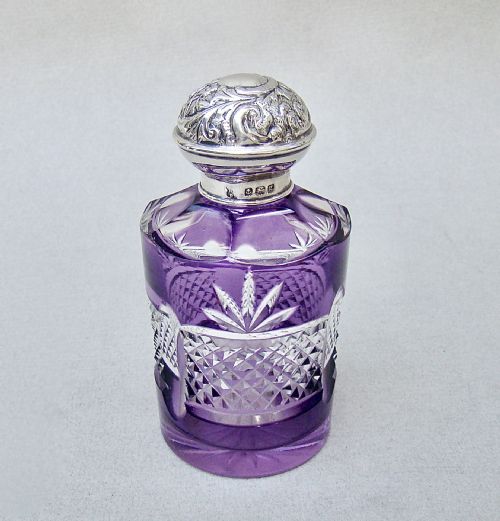
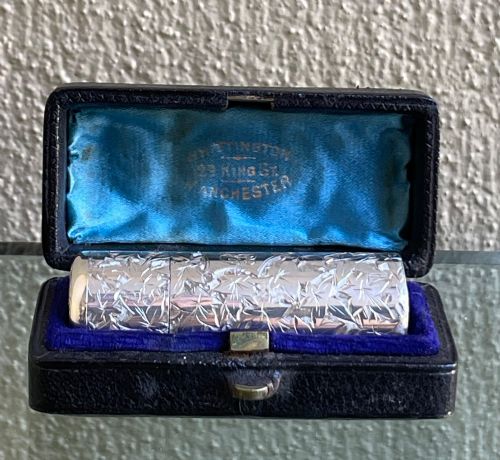
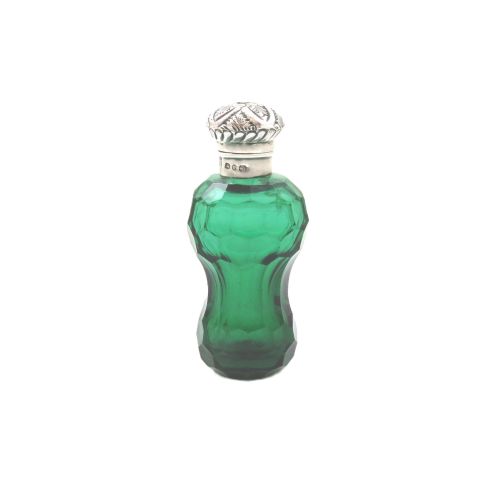
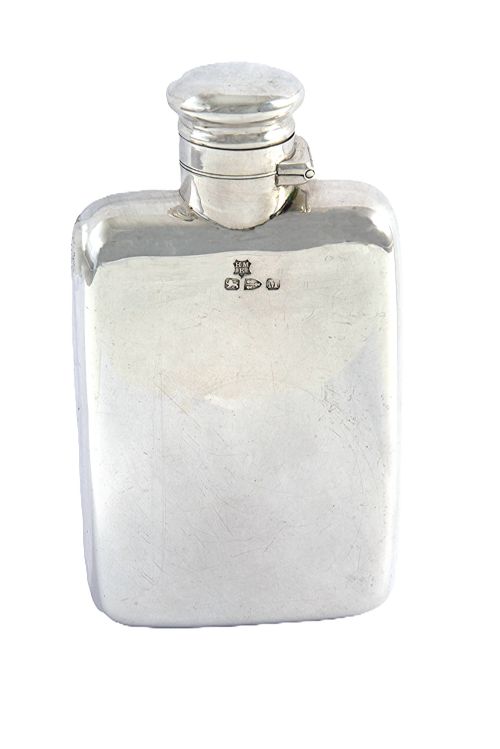
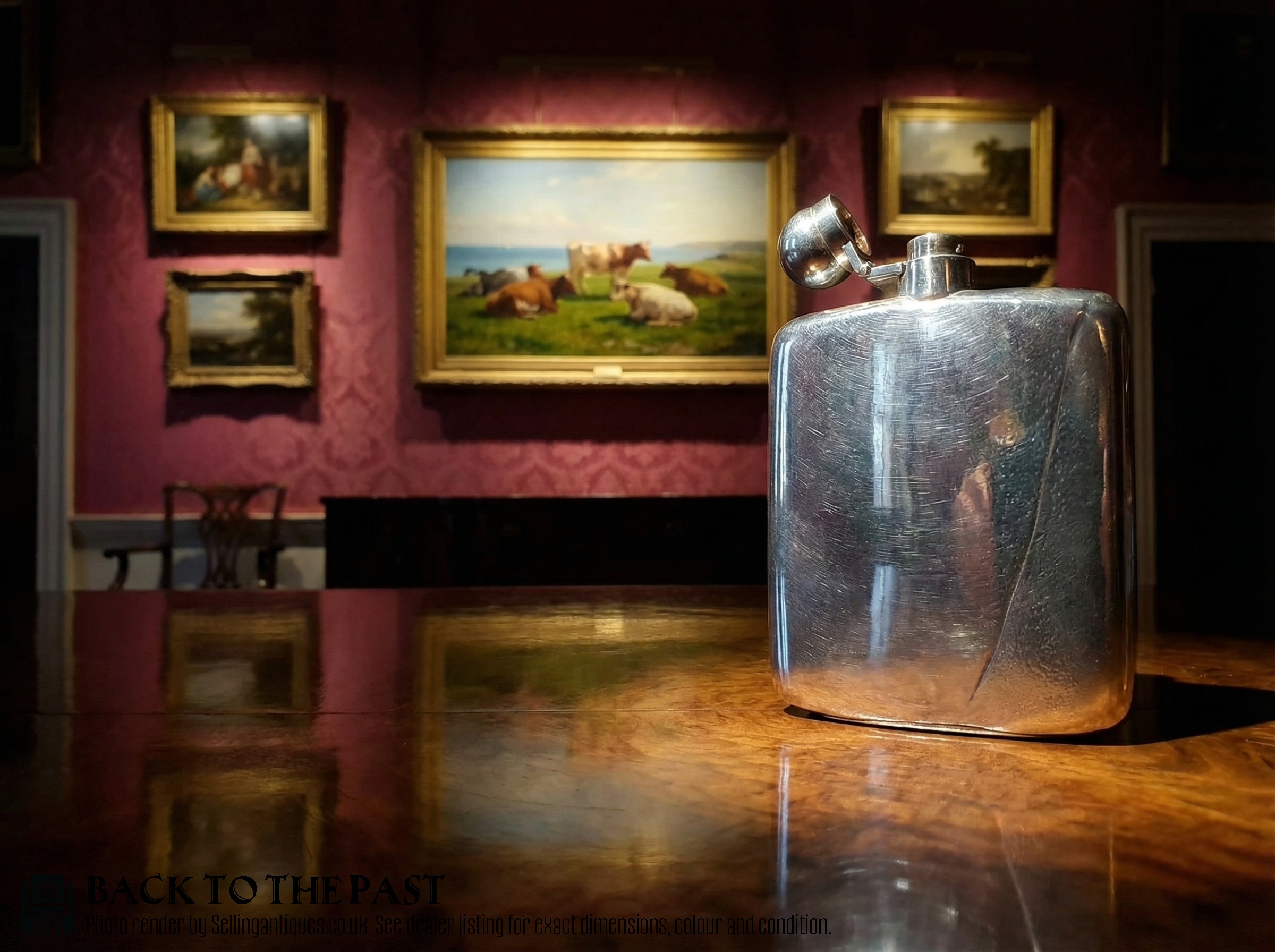
A hallmarked silver flask is a portable container designed for spirits, appearing primarily as a hip flask or occasionally a scent flask. These items represent personal accessories from past centuries, carrying official hallmarks that verify their metal purity and origin.
The versions you are most likely to meet on this page span the Victorian, Edwardian, and Art Deco eras, extending into the nineteen-forties. They take forms such as solid sterling silver, glass bodies with silver caps, or metal containers partially wrapped in leather.
Makers produced these containers for pocket use, incorporating secure screw caps and captive cork stoppers. Surviving examples reflect the social habits of their respective decades, from nineteen-ten pieces to nineteen-forty British designs.
How they were made
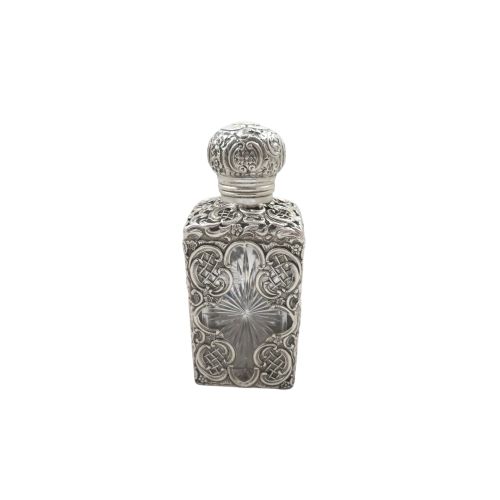
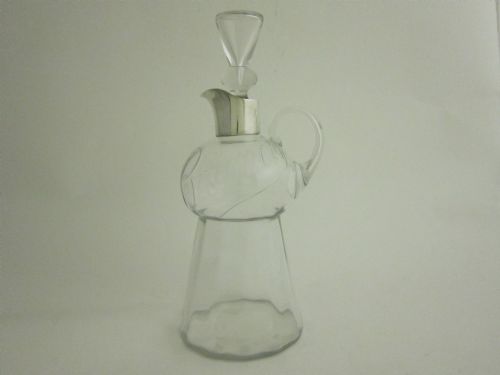
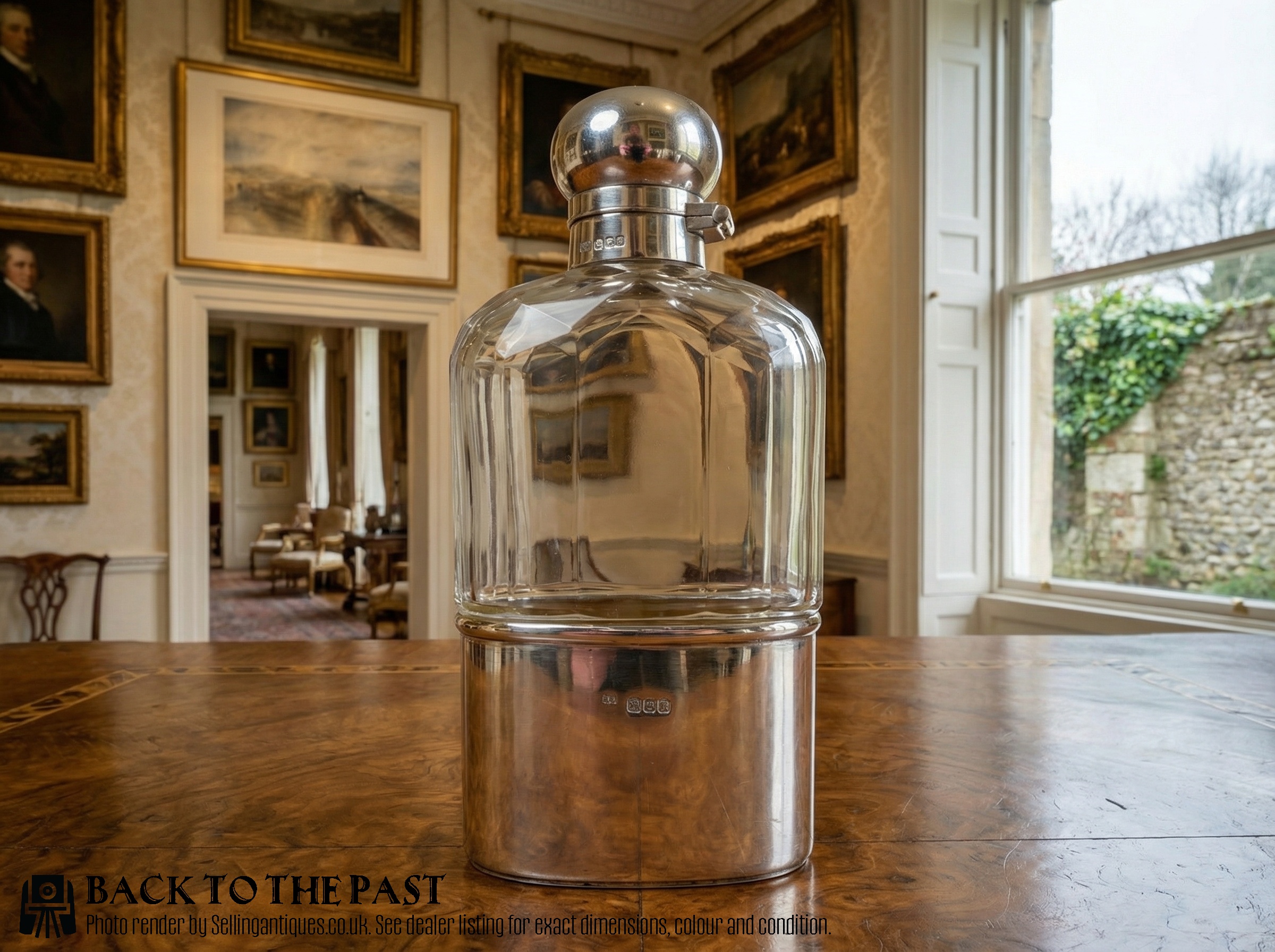
Silversmiths constructed these pieces from sterling silver, shaping the metal bodies through pressing or hammering techniques. Many examples incorporate cut glass sections to allow visibility of the contents, joined securely to silver collars and mounts.
External coverings utilise organic textures such as crocodile leather, crocodile skin, and snake skin, wrapped around the centre of the metal or glass body. Artisans fitted cork stoppers beneath hinged or screw-down silver caps to ensure a liquid-tight seal.
Retail Price Guide 2026
Typical UK retail prices for hallmarked silver flask, calculated from the Sellingantiques database of over a million retail prices indexed since 2003. This retail price guide relies exclusively on Sellingantiques data; no external sources or auction records are used, so the figures do not describe the wider market.
Several vintage flasks retain their original cork stoppers, quietly waiting over a century to pour another drop.
What varies in quality
Quality rests in the weight of the sterling silver and the precision of the assay office hallmarks stamped into the metal. Finer examples maintain crisp engraving, undamaged leather wraps, and intact original corks within their threaded caps.
The reputation of the silversmithing firm shifts the standing of an item within the market. Pieces carrying stamps from established makers command attention for their superior finishing and robust structural integrity.

James Dixon & Sons·Hubert Hall·The Goldsmiths and Silversmiths Company·Mosley, Flowers & Co·Charles Westwood & Sons
The Hallmarked Silver Flask Glossary
- Hallmark
- Official stamps struck into precious metals to guarantee fineness, originating from specific assay offices such as Birmingham, Chester, Sheffield, and London.
- Sterling silver
- A silver alloy containing ninety-two point five percent pure silver by mass, forming the primary metal standard for these portable containers.
- Captive cap
- A lid attached to the flask by a small hinged arm, preventing the cap from being misplaced during use.
- Cut glass
- Glassware patterned with faceted geometric cuts, frequently paired with silver mounts on Edwardian and Victorian examples.
- Barware
- A category of metalware and glassware associated with the serving and consumption of alcoholic drinks.
Frequently Asked Questions
What are these flasks made from?
These pieces use sterling silver combined with materials like cut glass, crocodile leather, crocodile skin, and snake skin. The inner stoppers often incorporate cork.
Assay marks confirm the metal standard and provide a reliable guide to the materials utilised by the silversmith.
How do I date a silver flask?
Dating relies on the assay office hallmarks stamped directly onto the silver body or cap. These official marks include standard symbols and date letters corresponding to specific years.
Reference tables match these stamped letters to Victorian, Edwardian, Art Deco, and mid-twentieth-century periods.
How were these flasks used originally?
Owners carried them in pockets during outdoor pursuits, travel, and social occasions for personal refreshment. The curved shape of a hip flask was designed to fit comfortably against the body.
Secure screw caps and corks prevented spillage while moving about during the Victorian and later eras.
How should I clean my silver flask?
Gentle maintenance preserves the integrity of the sterling silver and any attached leather wraps or glass bodies. Avoid harsh abrasives that might wear down delicate hallmarks or engravings.
Specialist silver cloths help maintain the surface shine without damaging organic materials like crocodile skin.