
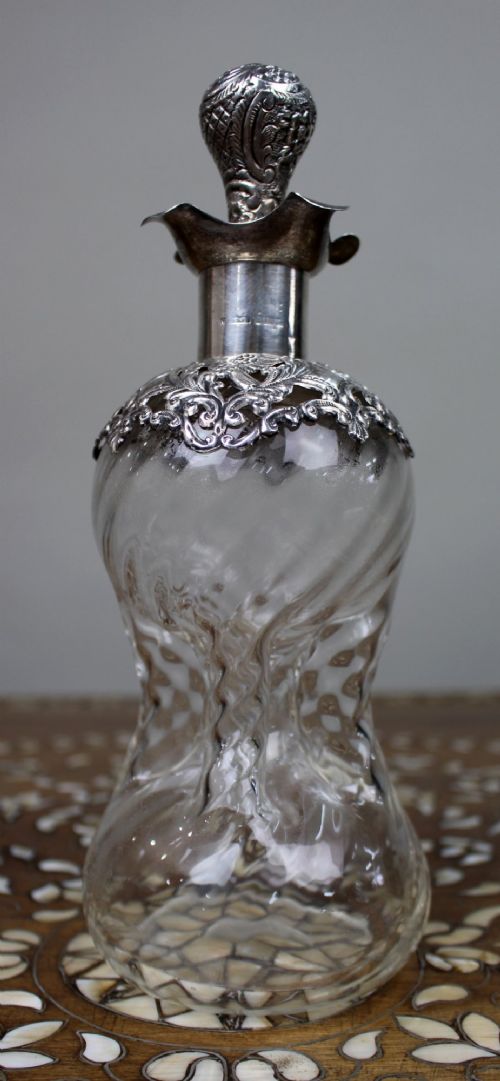
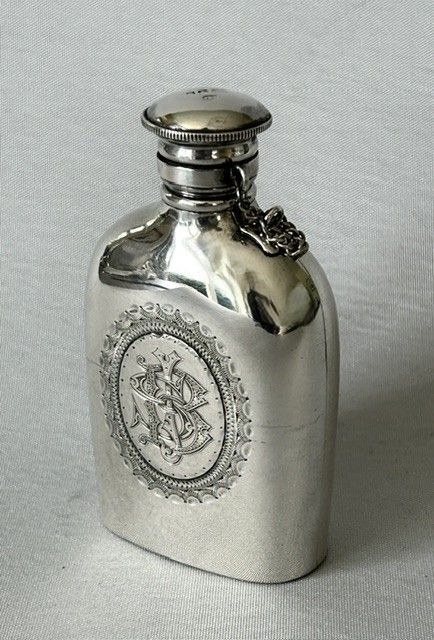
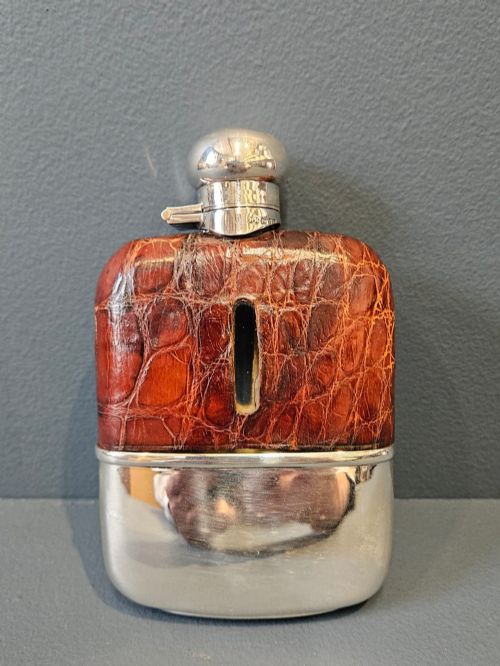


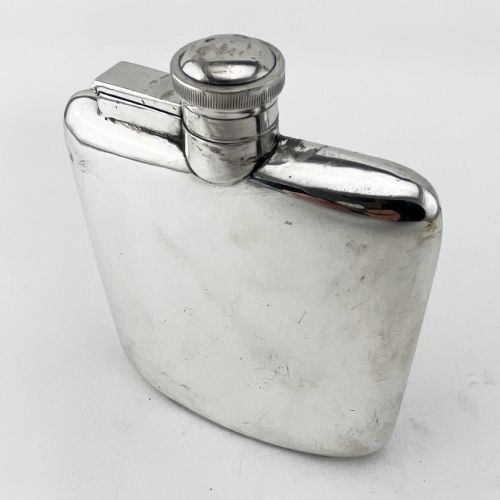




Silver Whiskey Flask
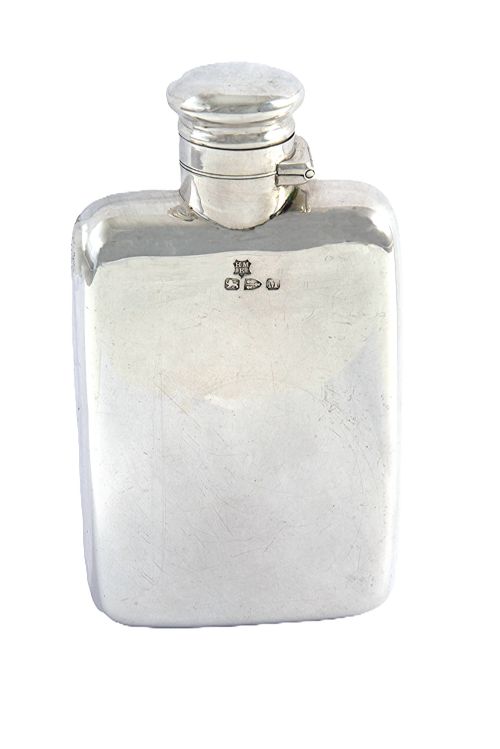
A silver whiskey flask delivers a measure of old-world grace, built for discreet pocket transport during the early twentieth century.
Understanding silver whiskey flasks
A silver whiskey flask takes the form of a portable pocket container designed for spirits, emerging frequently across the Edwardian era and the Art Deco period. These containers range from compact five-inch models to smaller pocket-sized versions intended for personal use.
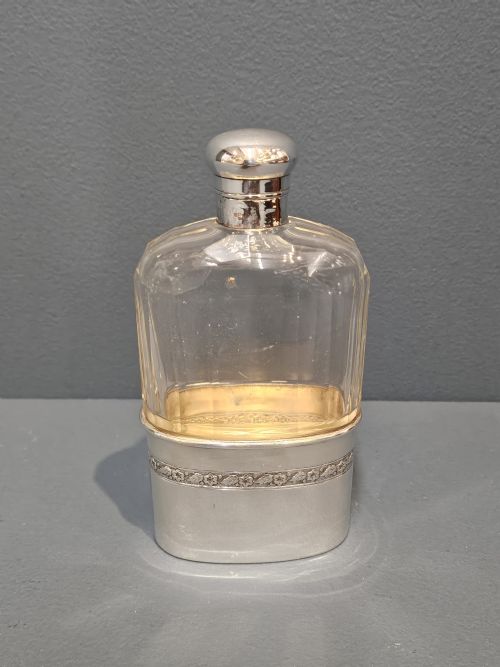
The pieces listed here showcase a distinct focus on functional pocket wear, combining polished precious metal with robust internal chambers. Collectors encounter solid sterling silver bodies alongside hybrid constructions paired with alternative textures.
Materials and construction
Silversmiths constructed these vessels primarily from sterling silver and solid silver, frequently integrating cut crystal or clear glass reservoirs to display the spirit within. Cork stoppers and secure flip tops provided the necessary seal against leaks during travel.
Exteriors occasionally incorporate tactile elements such as crocodile leather wraps to improve grip and visual contrast against the polished metal. Hallmarks stamped directly into the silver record the assay office, such as Chester, alongside precise production dates.
Retail Price Guide 2026
Typical UK retail prices for silver whiskey flask, calculated from the Sellingantiques database of over a million retail prices indexed since 2003. This retail price guide relies exclusively on Sellingantiques data; no external sources or auction records are used, so the figures do not describe the wider market.
Assessing standard and execution
Quality rests upon the crispness of the silversmith's work, the integrity of the hinged flip top mechanism, and the condition of any integrated leather or glass components. Maker attribution significantly elevates interest, particularly when associated with established firms like Mappin and Webb or JB Chatterley and Sons.
The presence of clear, legible hallmarking adds historical weight, while the retention of original cork stoppers and unblemished crystal preserves the functional integrity intended by the original workshop.
JB Chatterley and Sons·Mappin and Webb
The Silver Whiskey Flask Glossary
- Sterling Silver
- A standard alloy consisting of silver and other metals, chosen for durability in portable items like flasks.
- Flip Top
- A hinged lid mechanism designed for rapid access to the contents while maintaining a secure seal.
- Cut Crystal
- Heavy, precision-cut glass utilised for transparent flask bodies that reveal the spirit inside.
- Assay Office
- An official body that tests the purity of precious metals and stamps corresponding hallmarks onto the piece.
Frequently Asked Questions
What periods do these silver whiskey flasks come from?
The pieces span the early to mid-twentieth century, capturing Edwardian elegance and later Art Deco geometric restraint. Production dates cluster around the nineteen-twenties, nineteen-thirties, and nineteen-forties.
Assay marks and registry numbers on the metal help pinpoint the exact year of manufacture and the town where the silver was tested.
How were these flasks used historically?
Owners carried them in breast pockets or coat pockets for personal refreshment during travel, sporting events, or outdoor pursuits. The slim contours ensured they sat comfortably against the body without bulk.
Secure flip tops and tight corks prevented accidental spills while moving about.
Are these flasks safe for modern use?
Many retain their original functional capability, provided the internal glass or silver chamber and cork seal remain clean and intact. Careful hand washing protects the vintage materials.
Collectors often treat them primarily as display pieces or historical objects rather than daily companions.
What materials appear alongside the silver?
Craftsmen combined sterling silver with cut crystal, clear glass, and textured crocodile leather to create varied tactile finishes. Cork inserts provided the necessary tension for tight sealing.
These mixed-media designs reflect the stylistic preferences of the Edwardian and Art Deco eras.