


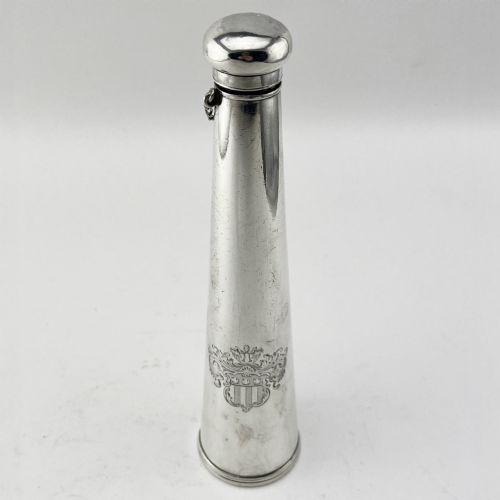
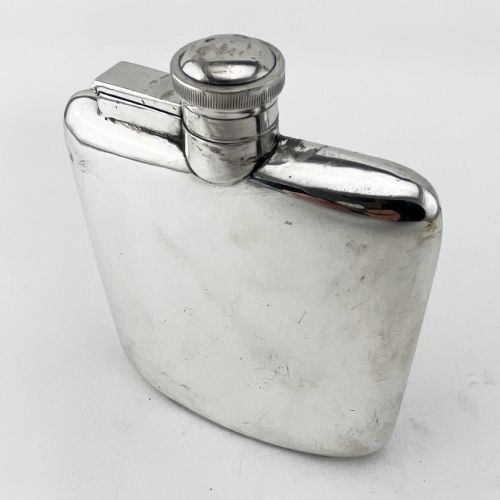


Vintage Pocket Flask
A vintage pocket flask is a tactile piece of portable metalwork designed to carry spirits or scent on the move.
Vintage Pocket Flask
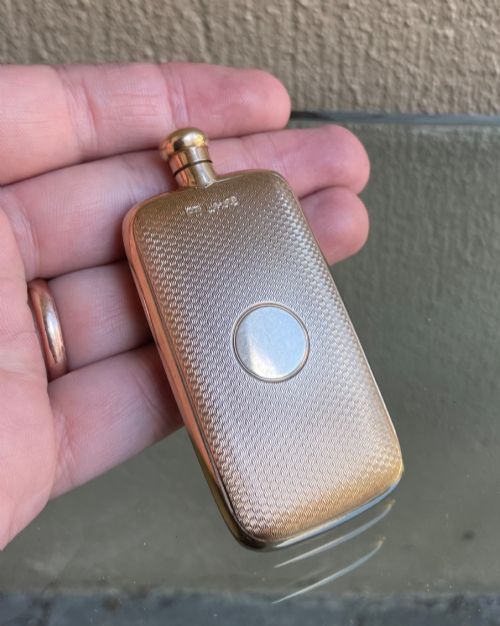
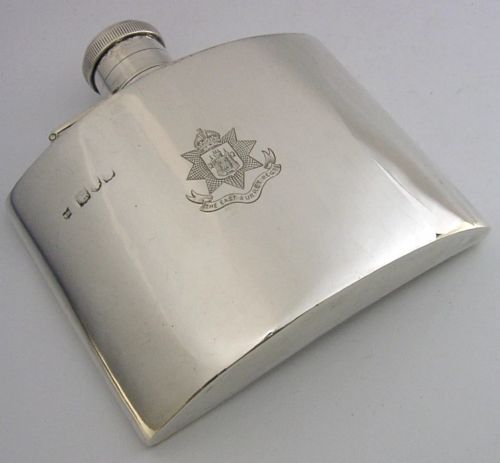
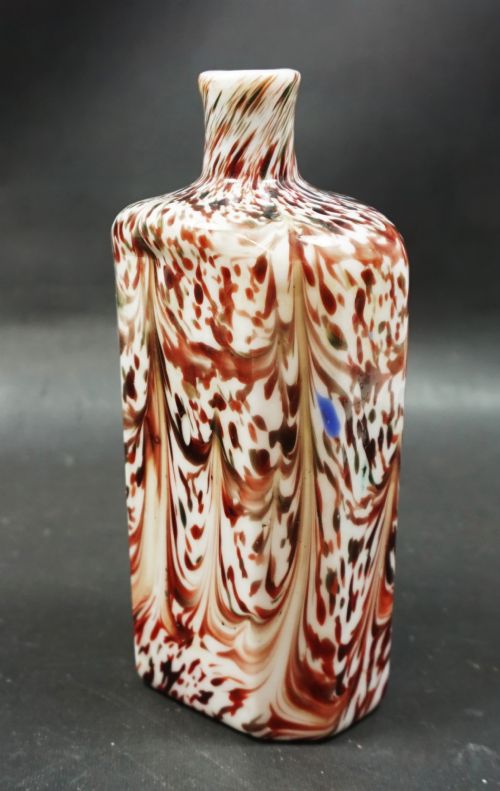
A vintage pocket flask encompasses portable containers intended for spirits, scent or perfume, spanning from the Victorian and Edwardian eras into the Art Deco period and the 1940s. Buyers searching for a vintage pocket flask will find that metal forms dominate, predominantly executed in sterling silver or silver plate, frequently paired with glass, crystal or milk glass.
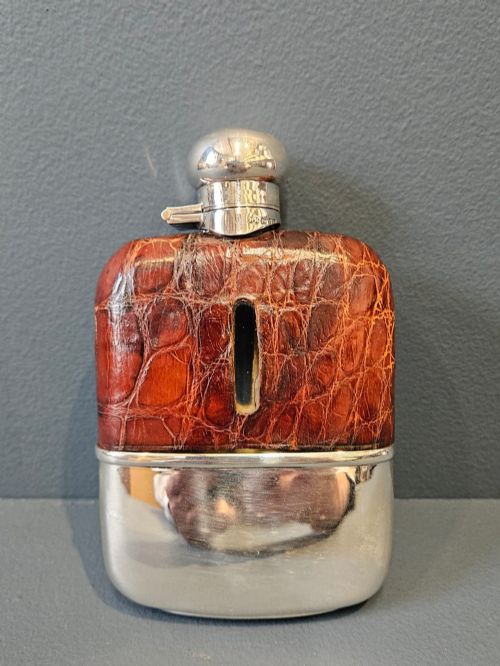
The most common iterations on this page are hip flasks and spirit flasks, alongside scent bottles and perfume bottles. These range from plain silver styles and hammered finishes to versions wrapped in crocodile leather or crocodile skin, often complete with removable cups or locking mechanisms.
Materials and construction methods
Metals such as solid sterling silver and silver plate provide the primary structure for these items, shaped into curved or rectangular profiles to fit a pocket or hunting pouch. Many examples combine silver mounts with cut glass or crystal bodies, allowing the contents to remain visible whilst protected by exterior metalwork.
Leather elements, including crocodile skin and crocodile leather, wrap around sections of silver or silver-plated bodies to improve grip during outdoor pursuits. Specialised details like flip tops, bayonet caps and detachable lower cups showcase period silversmithing techniques.
Vintage Pocket Flask Retail Price Guide 2026
Typical asking prices for vintage pocket flask among the pieces listed under this phrase on Sellingantiques today, from the lower quarter to the upper quarter. They describe what is for sale here now, not the wider market.
Listings feature items spanning the Victorian era through the 1940s, executed in sterling silver, glass, crocodile leather and silver plate.
Markers of distinction and build
Quality rests in the substance of the metal and the precision of the mechanics, distinguishing solid sterling silver from silver plate, and heavy-gauge walls from thin sheet metal. The tightness of the closure, the clean integration of a removable cup and the crispness of hallmarks or maker stamps all separate standard production items from finer workshop pieces.
The integration of secondary materials also alters the character of the object, as seen in dense cut glass bodies, heavy silver gilt interiors or genuine crocodile leather casings with tidy stitching.
Hukin & Heath·J Dixon·Asprey London·William Neale·JB Chatterley & Sons·G H James & Co·W A Ellwick Ltd·Mappin & Webb·James Dixon & Sons
The Vintage Pocket Flask Glossary
- Hip Flask
- A flat container specifically shaped to fit into a pocket for carrying spirits. These often feature a curved body to sit comfortably against the body.
- Sterling Silver
- An alloy containing 925 parts of silver per thousand, commonly used across British hallmarked items from the Victorian period onwards.
- Silver Plate
- A base metal coated with a layer of silver through electroplating or older fusion methods. It offers the appearance of solid silver at a different weight.
- Silver Gilt
- Sterling silver that has been coated with a thin layer of gold on the interior or exterior. This treatment helps prevent the metal from tasting metallic against spirits.
- Removable Cup
- A small cup that slides off the bottom section of a flask to double as a drinking vessel. It is held securely in place by friction or a bayonet mount.
Vintage Pocket Flask: Frequently Asked Questions
What are vintage pocket flasks made from?
These pieces rely primarily on sterling silver and silver plate for their structural bodies and caps. Many incorporate glass, crystal or milk glass inserts, while others feature exterior wraps made from crocodile leather or crocodile skin.
Interior components occasionally utilise silver gilt to protect the metal from corrosive liquids. Base metals appear alongside precious metals depending on the intended use and period of manufacture.
How do I identify the date of a flask?
Dating relies heavily on hallmarks stamped into the silver or silver plate, which indicate assay offices, date letters and maker marks. Stylistic cues such as Art Deco geometric lines or Victorian military associations also point towards specific decades.
Examining the construction of the cap mechanism and any accompanying leather case helps narrow down the era of production. Consulting standard silver reference guides alongside the visible stamps provides exact manufacturing years.
How should I clean a silver flask?
Maintenance requires gentle silver polish applied sparingly to avoid wearing away thin plate or damaging any attached leather elements. Care must be taken around hallmarks and engraved monograms to preserve the original surface detail.
If the flask includes glass or crystal components, internal rinsing with warm water keeps the interior clear without harming exterior mounts. Leather sections benefit from neutral conditioning balms to prevent drying out over time.