






Victorian Standing Fire Screen
A victorian standing fire screen shields the face from the fierce hearth heat while framing intricate needlework or glass panels.
Victorian Standing Fire Screen
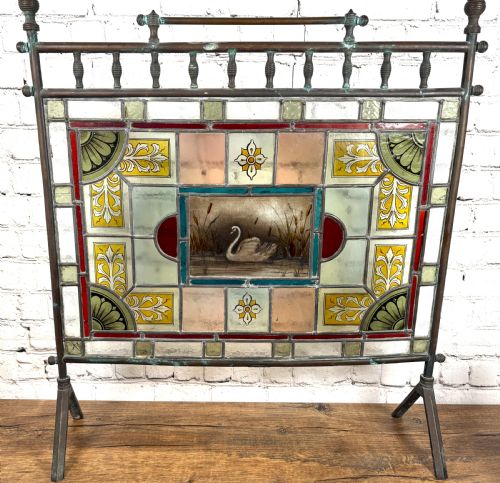
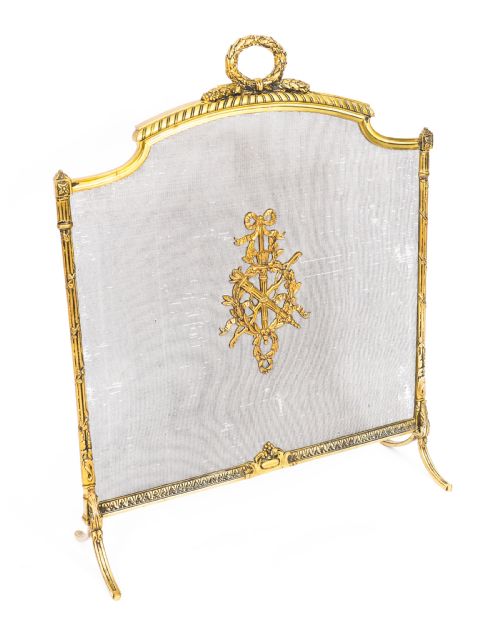
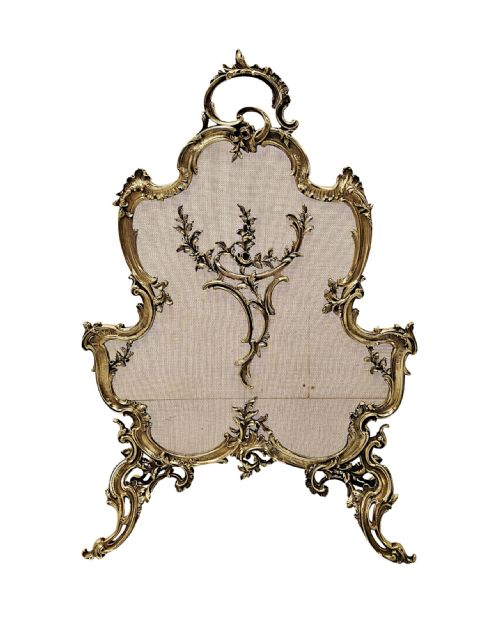
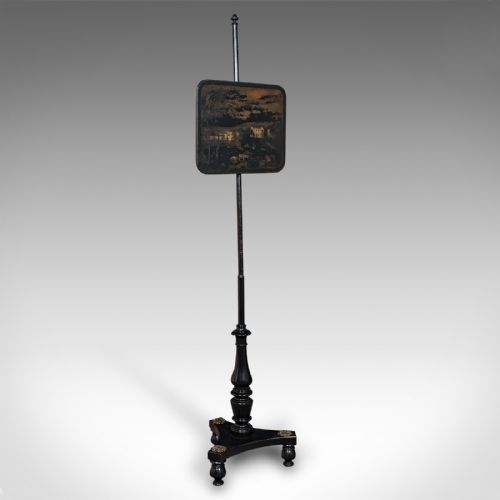
A victorian standing fire screen guards the room from excessive fireplace heat while serving as a decorative focal point in the parlour. These furnishings appear predominantly as fixed standing frames or adjustable pole screens supported on sturdy wooden or metal bases.
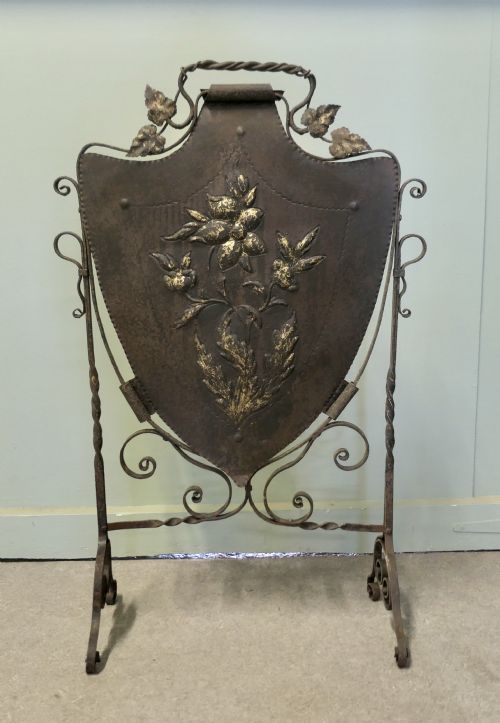
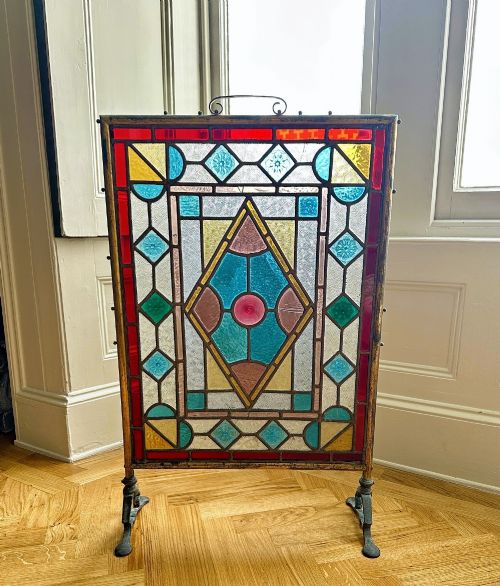
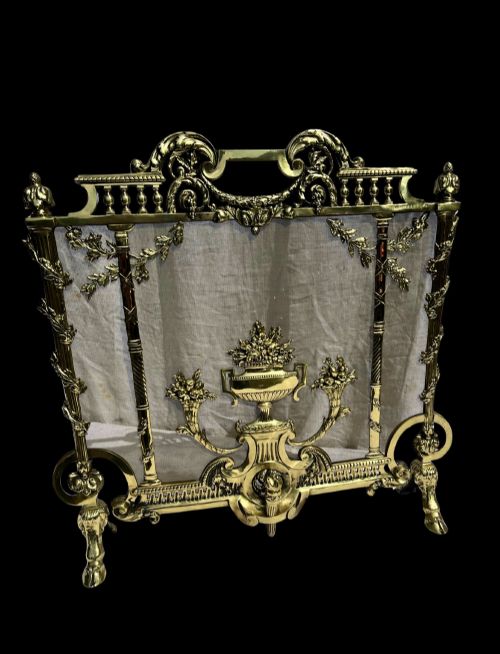
The selections recorded here span the nineteenth century, encompassing Georgian roots, Regency influences, William IV designs, and later Arts and Crafts interpretations. Buyers encounter forms ranging from floor-standing needlework panels to brass spark guards and stained glass shields.
Woods such as rosewood, mahogany, walnut, and satinwood form the primary framework for fabric panels, whilst brass and iron dominate the rigid metal fireguards. Cabinet makers also utilised papier mache and oak to construct these functional hearth accessories.
Materials and construction methods
Craftsmen shaped dense hardwoods like rosewood and mahogany into carved tripod or pedestal bases to support the central display panel. Joinery techniques ensured the upright poles and screen frames could withstand the intense heat of open coal fires.
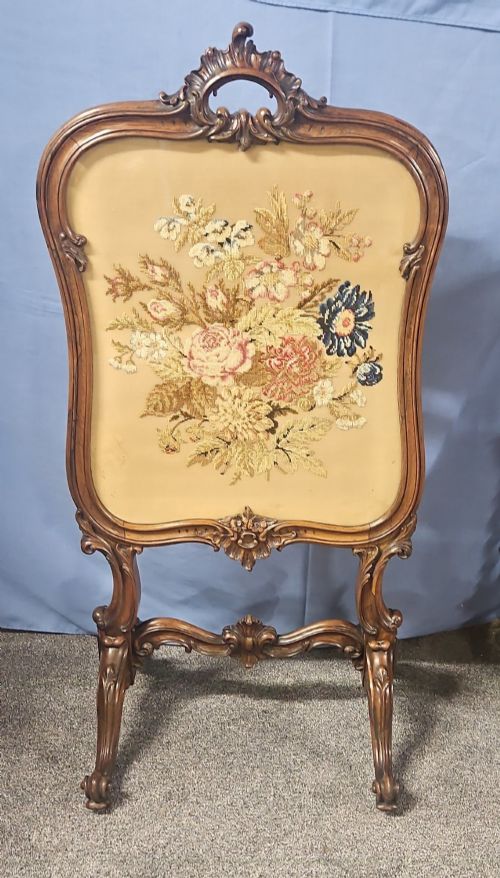
Makers embellished the central aperture using diverse textile arts, mounting wool needlepoint, silk embroidery, and tapestry panels behind protective glass. Metalworkers cast brass and iron into openwork frames, articulated fireguards, and adjustable pole mechanisms.
Materials documented in these listings include brass, glass, mahogany, rosewood, wool, textile, tapestry, and silk.
Judging the calibre of a screen
The refinement of the carved woodwork distinguishes standard pieces from superior examples, particularly on the turned pedestals and claw feet of pole screens. Finely detailed needlework or high-grade stained glass panels indicate greater workshop investment.
The mechanical integrity of the adjustable brass height mechanism or the stability of the iron stand determines how well the piece survives daily hearth use. Heavier timber frames and substantial metal castings provide better balance and longevity.
The Victorian Standing Fire Screen Glossary
- Pole screen
- A vertical hearth accessory featuring an adjustable panel mounted on a slender central stand with a heavy base.
- Needlepoint
- A form of canvas work embroidery commonly utilised to create the decorative pictorial panels seen within Victorian frames.
- Spark guard
- A protective metal mesh or brass screen placed directly before the fireplace opening to contain flying embers.
- Papier mache
- A composite material formed from paper pulp and binder, moulded and lacquered to create decorative screen panels.
Victorian Standing Fire Screen: Frequently Asked Questions
What is a pole screen?
A pole screen is a vertical hearth furnishing featuring a sliding panel mounted on a central wooden or metal column. The adjustable screen could be raised or lowered to deflect radiant heat away from a person's face.
These pieces typically sit on a tripod or weighted circular base near the fireplace. They combine practical temperature control with a display surface for decorative needlework.
How were fire screens used?
Victorian fire screens protected parlour occupants from the intense, uneven heat generated by open coal fires. They were positioned strategically between the seated guest and the hearth.
Beyond temperature regulation, these screens served as decorative ornaments to display fine embroidery, stained glass, or painted panels when the fireplace was unlit during warmer months.
Are screens adjustable?
Many standing screens, particularly nineteenth-century pole variations, incorporate mechanical clutches or thumbscrews allowing the panel to move vertically. This adjustability let users tailor the shade height to their seating position.
Fixed standing screens do not possess this mobility, remaining stationary on the floor or hearth as solid protective barriers.
What materials are common?
Timber frames frequently utilise rosewood, mahogany, walnut, and satinwood, paired with textile inserts like wool tapestry, silk, and needlework. Metal versions rely on brass, iron, and gilt bronze for structural rigidity.
Some examples integrate stained glass panels or papier mache to achieve decorative visual effects within the room.