


Victorian Slatted Bench
These Victorian slatted bench pieces bring enduring utility and robust character to a hallway, bedroom or garden.
Victorian Slatted Bench
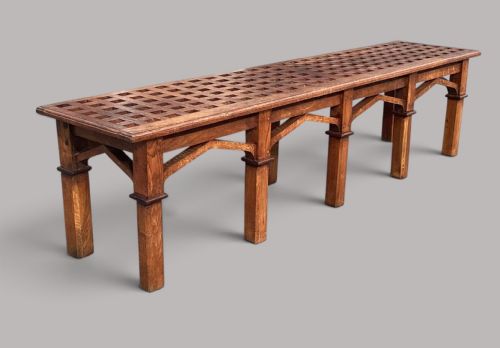
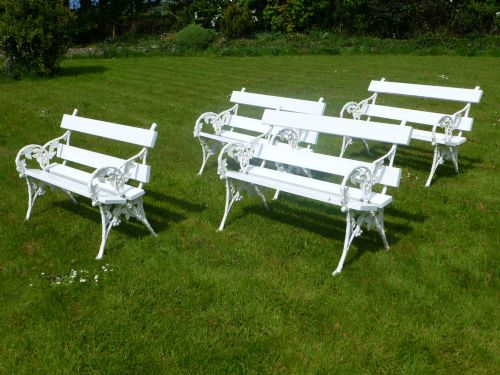
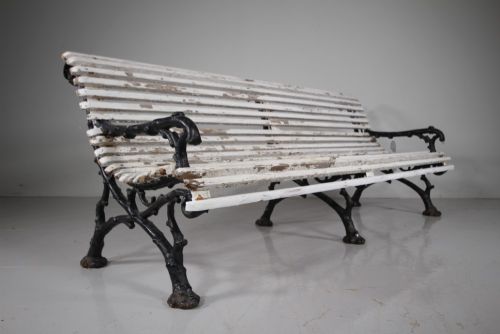
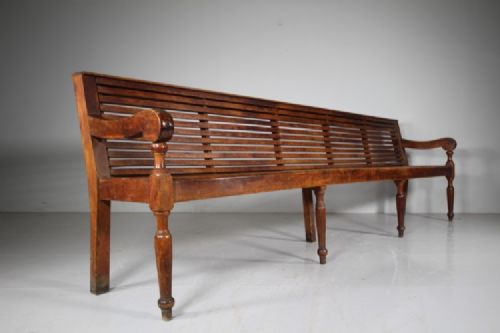
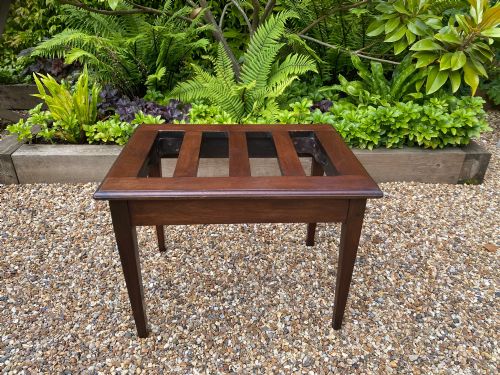
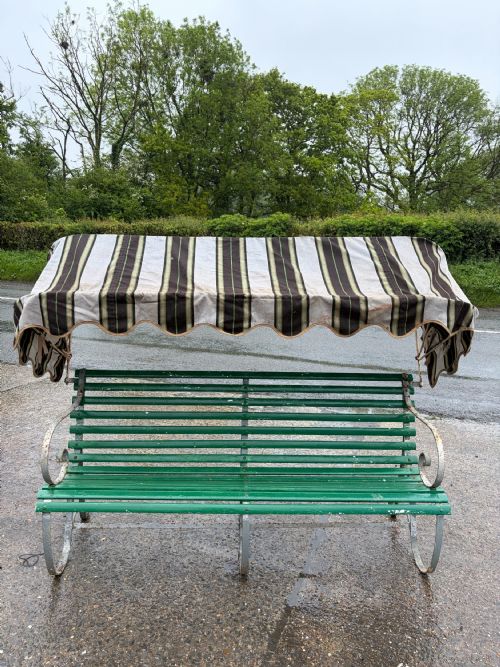
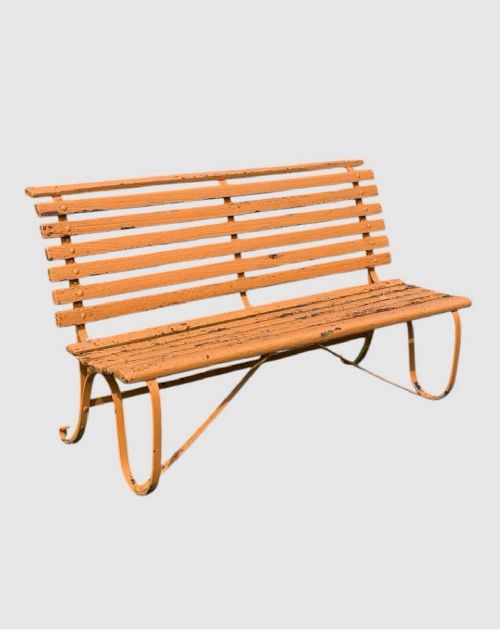
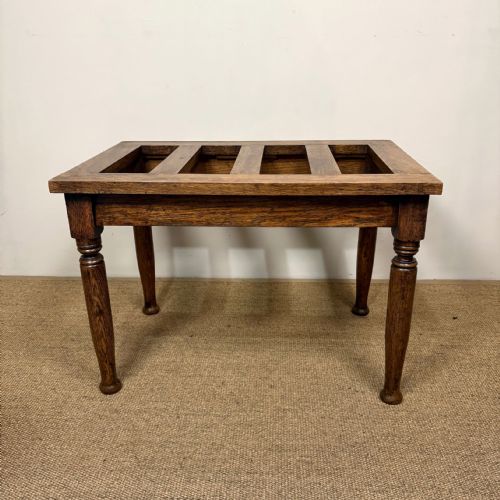
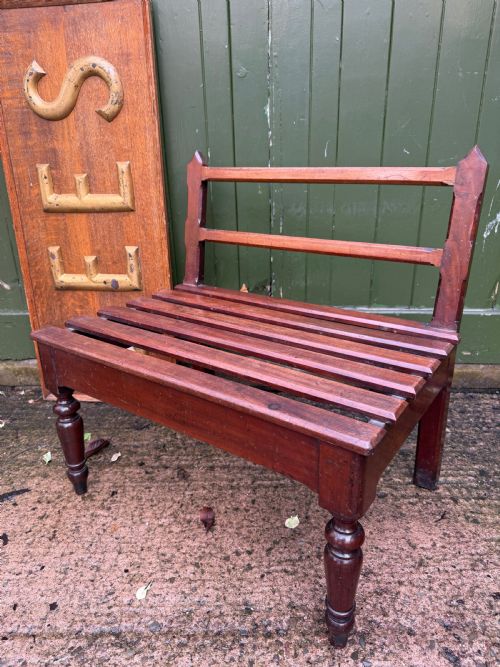
A victorian slatted bench encompasses substantial garden seats, park benches, and indoor luggage stands built during the nineteenth century and the early twentieth century. The forms range from heavy outdoor seating with cast iron frames to refined indoor luggage racks in timber.
The pieces appearing most frequently combine wooden slats with sturdy metal supports or utilise solid timber construction throughout. Forms vary from simple rustic designs to decorative gothic revival patterns and substantial country house luggage stands.
Makers and designers produced these benches for varied domestic, institutional, and garden settings, resulting in pieces tailored for both exterior weathering and interior display.
How they were made
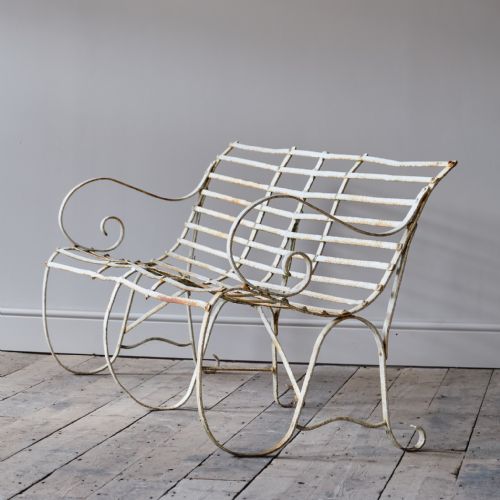
Makers constructed the structural supports using cast iron, wrought iron, and timber such as oak, mahogany, walnut, teak, ash, beech, yew wood, and painted pine. Metal components were often cast in intricate patterns or forged into strapwork and scroll designs.
Wooden slats were fitted to iron frames or built into complete wooden frameworks, sometimes retaining layers of original paint or natural finishes. Joinery methods varied according to the intended placement, prioritising weather resistance for outdoor garden seats and refined assembly for indoor luggage stands.
Some pieces travelled far beyond domestic gardens, including items originating from the Calcutta Polo Club.
What varies in quality
Quality rests in the crispness of the iron casting, the selection of timber species, and the integrity of the original construction. Superior outdoor examples exhibit detailed foundry work and durable wood, whereas finer indoor stands showcase choice hardwoods and careful proportions.
The presence of original finishes, such as early paint layers, significantly distinguishes standard utilitarian items from pieces retaining their untouched historic character.
Falkirk foundry·Brown & Lamont·Coalbrookdale
The Victorian Slatted Bench Glossary
- Cast iron
- A sturdy material poured into moulds to create decorative bench ends and structural supports. It provides the heavy foundation seen on many nineteenth-century garden seats.
- Strapwork
- Flat bands of wrought iron arranged in geometric patterns across the seat back or frame. This technique adds both structural rigidity and decorative interest.
- Luggage stand
- An elevated rack with wooden slats designed for holding bags in a bedroom or waiting room. These pieces share the slatted construction characteristic of larger benches.
- Gothic revival
- An architectural and decorative style influencing nineteenth-century design with pointed arches and medieval motifs. It appears on decorative garden benches.
- Upstand
- A raised and raked rear support on luggage stands designed to keep items secure. This feature indicates a more substantial piece of furniture.
Victorian Slatted Bench: Frequently Asked Questions
Where were these benches used originally?
Outdoor versions furnished nineteenth-century gardens, parks, and country estates, while smaller slatted forms served inside homes as luggage stands in bedrooms and waiting rooms.
Their robust construction allowed them to withstand heavy daily use in both domestic and semi-public environments.
How do I care for an iron and wood bench?
Outdoor benches benefit from seasonal protection against harsh weather, preserving both the timber slats and the metal framework.
Applying appropriate treatments to the wood and monitoring the iron surfaces prevents deterioration over time.
Are indoor luggage stands still useful today?
These compact slatted pieces function well as modern bedside tables, coffee tables, or traditional luggage racks in guest bedrooms.
Their sturdy timber construction provides a practical surface while adding historic character to contemporary interiors.
How can I tell if a bench is nineteenth century?
Examining the materials, construction joints, and casting quality helps determine the age of a piece. Nineteenth-century examples often feature heavy cast iron frames and traditional timber joinery consistent with the period.
Original paint layers and patination accumulated through decades of use also offer reliable indicators of age.