


Painted Outdoor Bench
A painted outdoor bench anchors a terrace or lawn, offering enduring charm and a sturdy seat for quiet gardens.
Painted Outdoor Bench
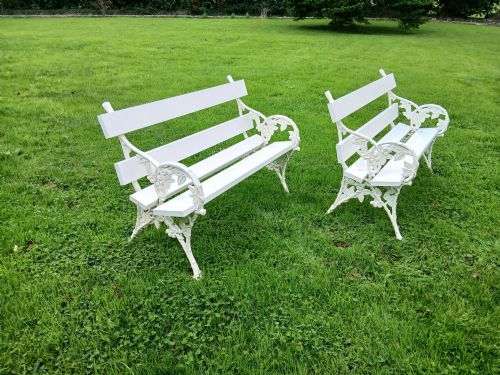
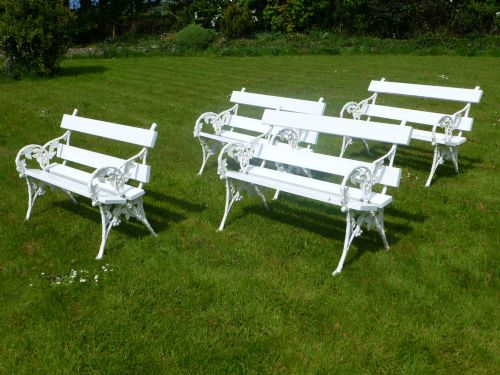
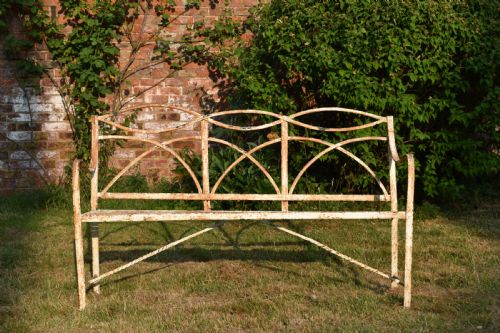
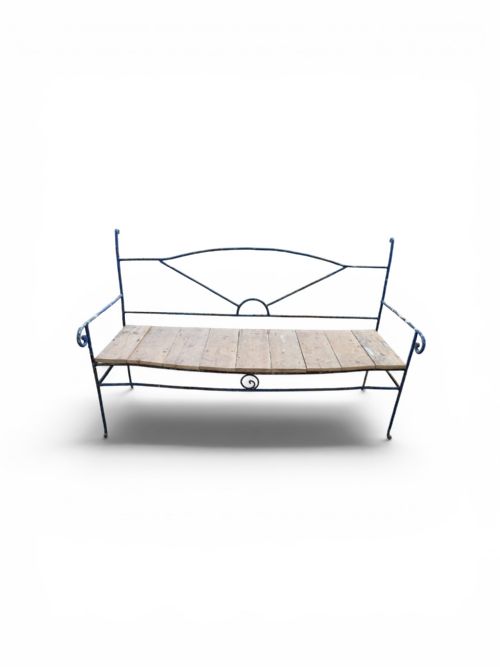
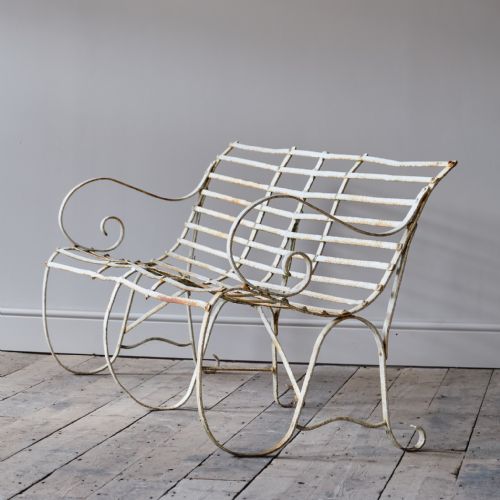
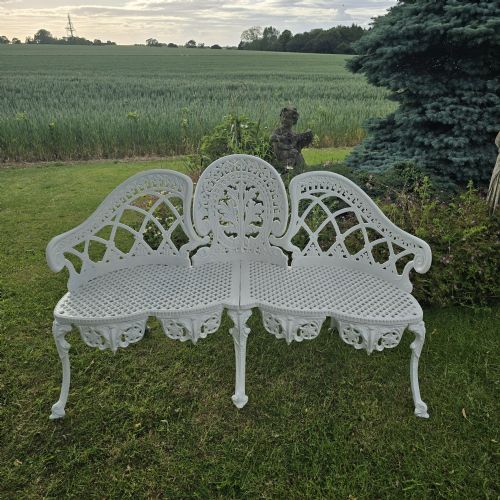
A painted outdoor bench provides a practical seat for gardens, terraces and parks, appearing across styles from the nineteenth century to the interwar period. When searching for a painted outdoor bench, buyers encounter various forms including garden seats, park benches, armchairs and matching sets.
The pieces on this page span the nineteenth century, Victorian era, Edwardian period, Regency style and the nineteen-twenties and thirties. Many examples feature robust construction designed to withstand the elements while providing decorative appeal.
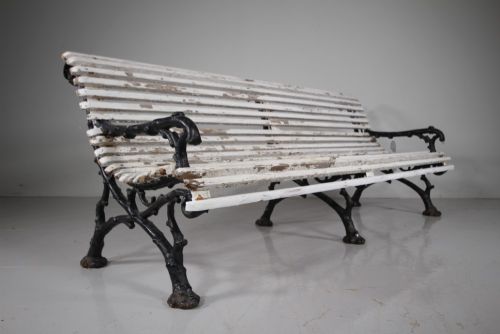
Makers and foundries such as Falkirk, Carron Foundry and Coalbrookdale emerge in the titles alongside French country designs and railway station benches. Buyers often find combinations of metal frames and wooden slats or entirely metal constructions.
What varies in quality
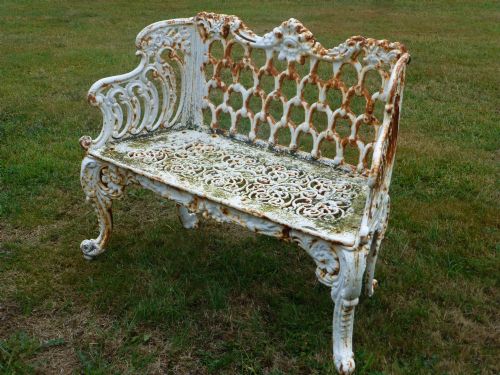
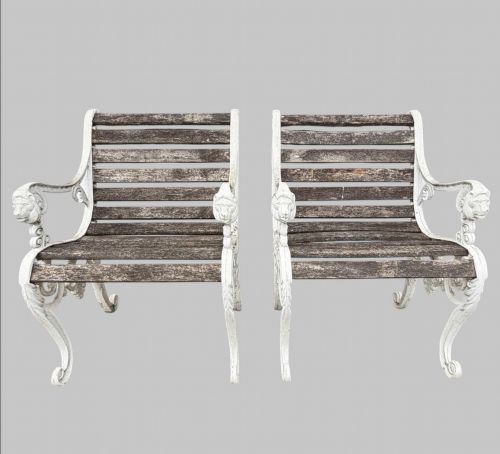
The clarity of the casting in iron components dictates the refinement of a bench, where crisp details on blackberry leaves, rustic patterns or lion masks distinguish finer examples. Foundry attribution, such as documented pieces from Falkirk or Carron, elevates the standing of a bench.
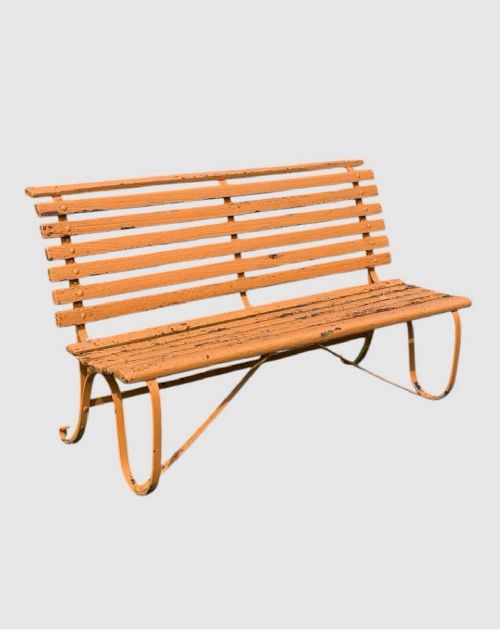
The survival of original paint layers and the structural integrity of the timber slats relative to the iron frame determine the preservation state. Benches retaining their early surface patination and matching original components demonstrate superior historical intactness.
Several garden benches retain their original Calcutta Polo Club provenance and railway station heritage from Pendleton and Bridgnorth.
Falkirk·Carron Foundry·Coalbrookdale
The Painted Outdoor Bench Glossary
- Cast iron
- A strong, hard iron alloy poured into moulds to create intricate decorative ends and structural frames. It allowed Victorian foundries to mass-produce detailed garden seats.
- Wrought iron
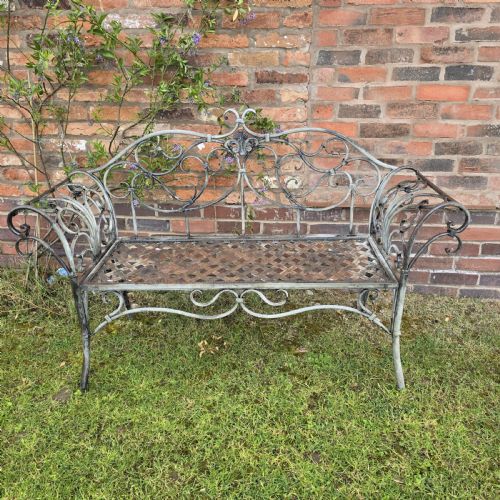
- Tough, malleable iron beaten or bent into shape by hand, frequently utilised for strapwork and scroll designs on garden benches. This material offers slender profiles and high resilience.
- Strapwork
- A decorative motif resembling flat interlaced bands of metal, often seen on Regency and Victorian iron garden benches. It provides geometric rigidity and a clean visual rhythm.
- Wirework
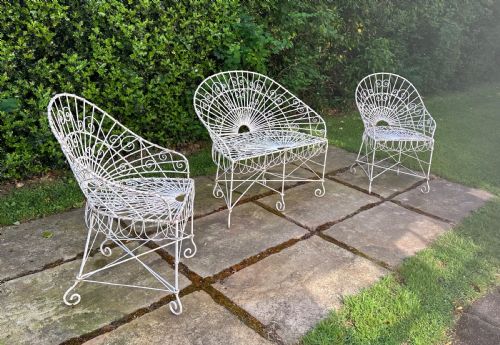
- Metal wire shaped and welded into intricate open-work patterns, commonly found on garden arbours and plant supports. It creates a lighter structural appearance than solid cast iron.
- Teak
- A dense, durable tropical hardwood naturally resistant to moisture, frequently chosen for outdoor seating slats. It ages gracefully when left exposed to the weather.
Painted Outdoor Bench: Frequently Asked Questions
How do I maintain a painted outdoor bench?
Inspect the painted surfaces regularly for signs of weathering or flaking, particularly on exposed wooden slats and iron frames. Gentle cleaning with mild soap preserves the finish without harming the historic paint layers.
Apply protective coatings or touch-up paint as needed during dry months to shield the timber and metal from moisture. Storing pieces under cover during harsh winter weather prolongs their structural lifespan.
Are these benches suitable for year-round garden use?
Most pieces utilise durable materials like cast iron, wrought iron, and teak designed to endure outdoor conditions. Their robust construction handles seasonal temperature shifts quite effectively.
However, historic timber and early paint layers benefit from sheltered placement during extreme winter storms. Positioning them on paved or gravel surfaces prevents excessive moisture absorption from damp lawns.
How can I identify a Victorian iron bench?
Look for characteristic nineteenth-century decorative motifs such as blackberry foliage, rustic branches, or lion masks incorporated into the bench ends. Heavy cast iron construction and strapwork patterns are also typical of this period.
Foundry marks or design registrations often appear stamped on the metal components of nineteenth-century examples. Comparing the casting crispness helps differentiate Victorian production from later revival pieces.
What is the difference between cast iron and wrought iron benches?
Cast iron elements are formed by pouring molten metal into moulds, resulting in heavier, highly detailed decorative panels and bench ends. This technique produces rigid and ornate components with distinct relief patterns.
Wrought iron involves shaping metal through hammering and bending, creating slender scrollwork and flexible strapwork frames. These benches typically feature lighter, more linear frameworks than their cast counterparts.