


Rustic Outdoor Seating
These rustic outdoor seating options bring historic charm to gardens, offering sturdy timber and iron construction suited for patios and lawns.
Rustic Outdoor Seating
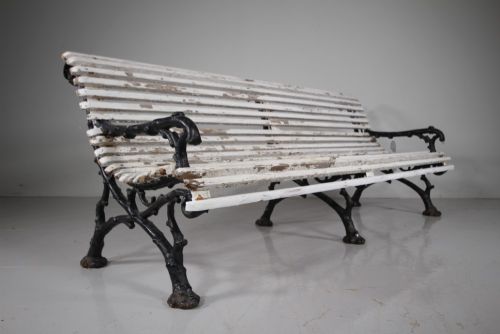
Rustic outdoor seating encompasses garden benches, seats, and chairs designed for exterior spaces across the nineteenth and twentieth centuries. Buyers searching for rustic outdoor seating will frequently encounter nineteenth century cast iron and Victorian examples alongside Edwardian and later weathered timber pieces.
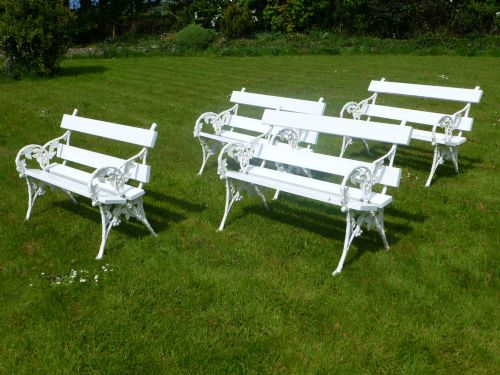
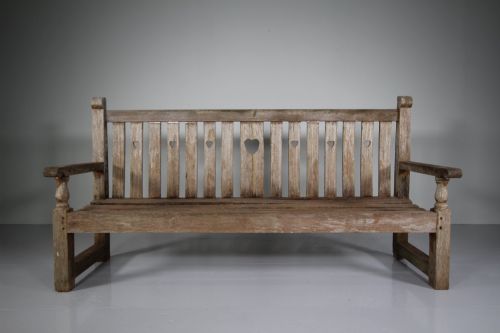
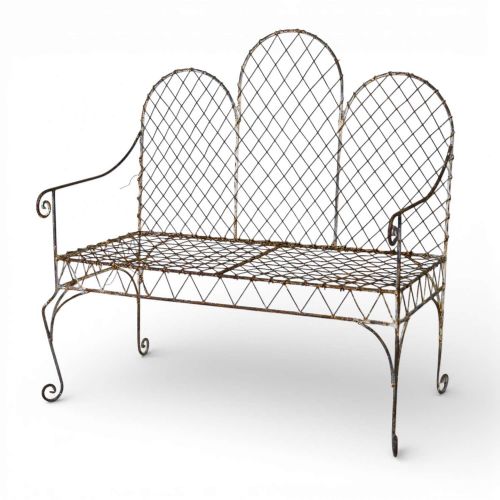
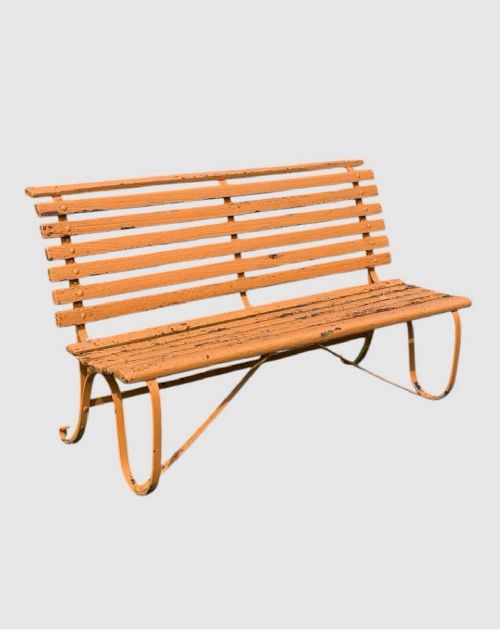
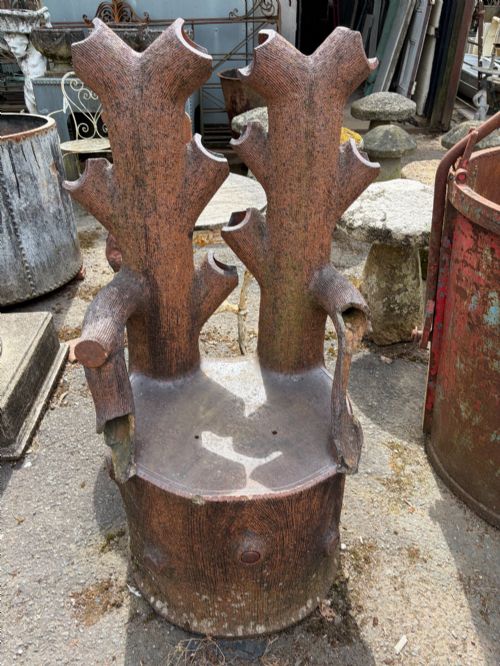
The selection ranges from simple wooden slats and tree surrounds to elaborate cast iron designs featuring blackberry, leaf, and heart motifs. French and English country styles appear regularly, alongside architectural pieces like Gothic influenced metalwork and faux bois finishes.
Materials and Construction
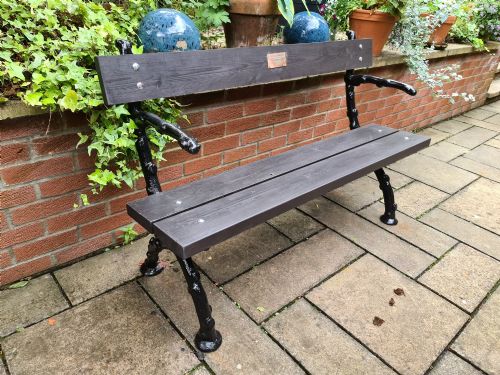
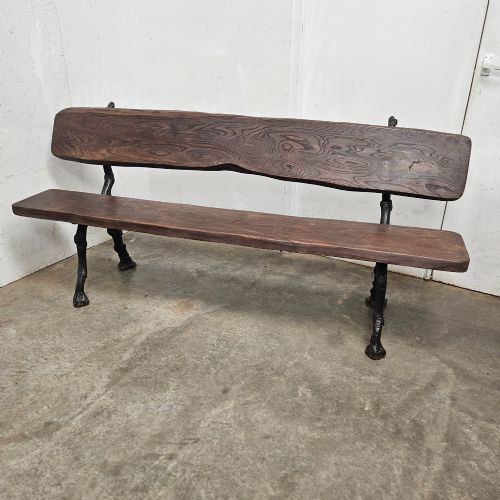
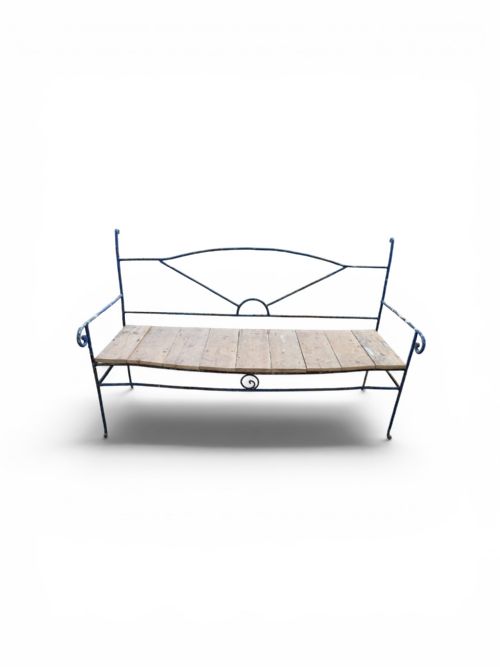
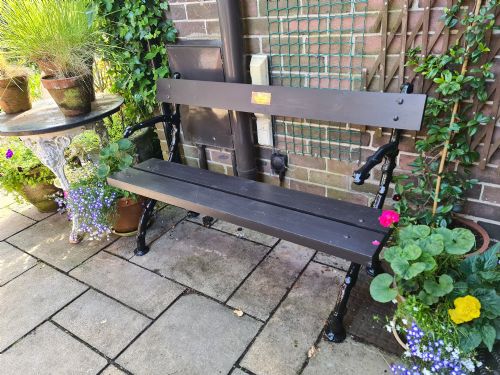
Construction relies heavily on durable timbers such as teak, elm, oak, and general weathered wood paired with robust metal frames. Cast iron and wrought iron form the structural supports or entire frameworks, often displaying layers of original paint.
Foundries shaped molten iron into detailed botanical motifs and structural bench ends, while carpenters utilised seasoned timber for slats and seats designed to withstand the elements.
Current listings feature nineteenth century cast iron, Edwardian timber, and French Gothic influenced metal garden seating.
Factors of Quality
Quality rests upon the crispness of iron castings and the structural integrity of the timber components. Pieces featuring named foundry work or distinctive ornamentation such as faux bois detailing stand apart from standard utility seating.
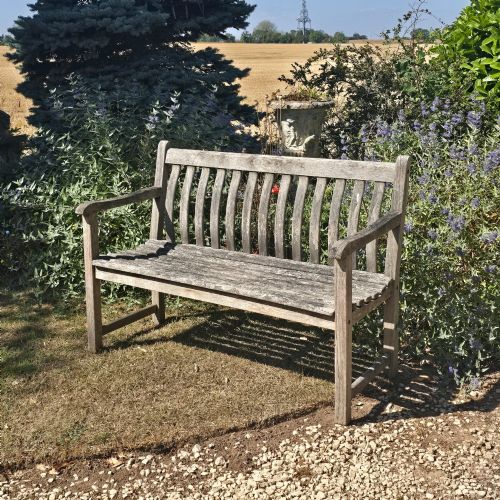
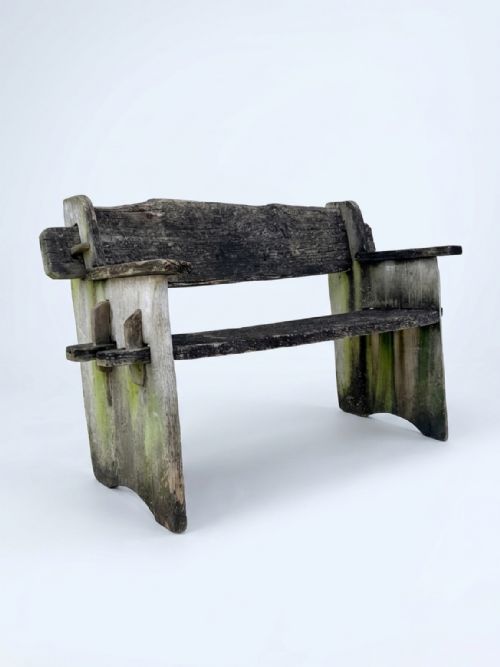
Surface preservation also dictates worth, where well weathered silvered timber or intact layers of historic paint reveal genuine age and careful custodianship.
Falkirk Foundry·Coalbrookdale
The Rustic Outdoor Seating Glossary
- Faux bois
- A technique where materials like concrete or iron are painted or sculpted to imitate wood. This artistic finish appears frequently on nineteenth century garden seats.
- Bench ends
- The structural side supports of a garden seat, usually cast in iron. These components often bear maker marks or decorative motifs.
- Tree bench
- A circular or polygonal seat built to surround the trunk of a mature tree. These wooden slatted designs provide shaded garden seating.
- Weathered wood
- Timber that has acquired a silvery patina through prolonged exposure to sun and rain. Collectors often value this natural ageing process.
Rustic Outdoor Seating: Frequently Asked Questions
How do I care for antique garden benches?
Keep wooden slats treated with suitable oils and protect ironwork from standing water during winter months.
Positioning furniture on paved surfaces rather than directly on damp soil helps preserve the feet and lower frames.
Were these seats meant to stay outside?
Most pieces were constructed specifically for exterior use in parks, gardens, and Victorian or Edwardian patios.
Heavier cast iron frames and durable timbers like teak handled year-round weather exposure quite effectively.
How do I identify Victorian examples?
Victorian pieces often display heavier cast iron construction with botanical motifs like leaves or blackberry patterns.
Consulting structural forms and registration marks helps distinguish mid-to-late nineteenth century manufacturing traits.