


Victorian Silver Walking Cane
When you search for a victorian silver walking cane, you uncover sophisticated daily accessories that served as status symbols and hidden companions for gentlemen.
Victorian Silver Walking Cane
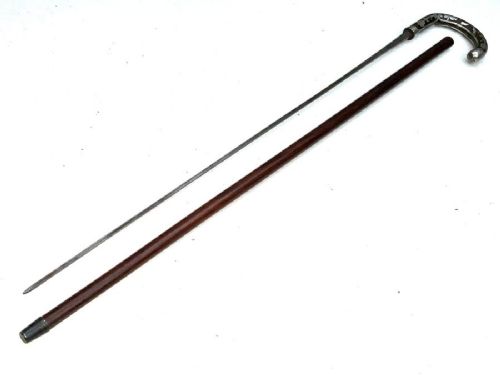
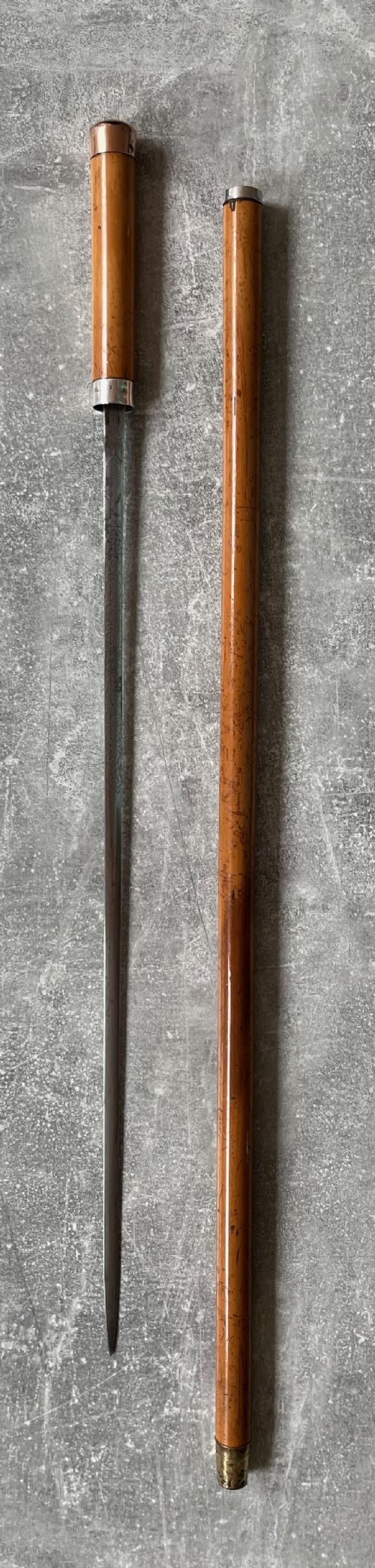
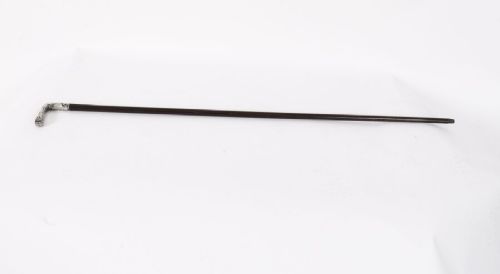
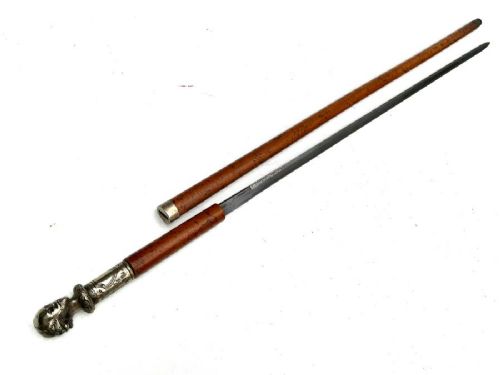
A victorian silver walking cane is a traditional support implement finished with a decorative metal handle and collar, originating predominantly during the nineteenth century. The examples found here encompass straightforward silver-topped shafts alongside complex gadget variants containing concealed blades, corkscrews, or snuff boxes.
The assortment on this page relies heavily on nineteenth-century pieces, spanning periods from the 1870s through to the Edwardian era. Alongside standard walking sticks, buyers encounter specialised items originating from French, Chinese export, and military workshops.
Materials and Construction
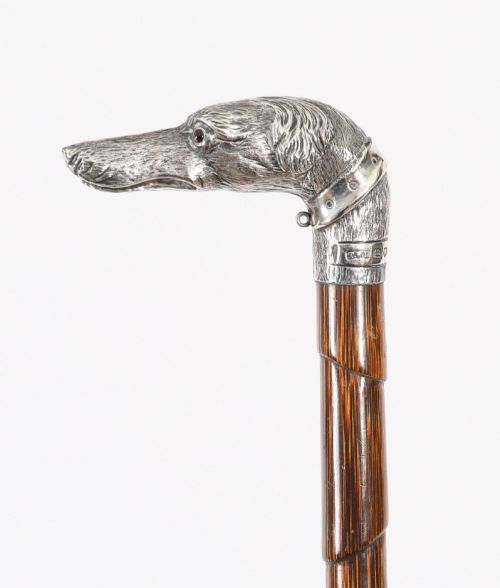
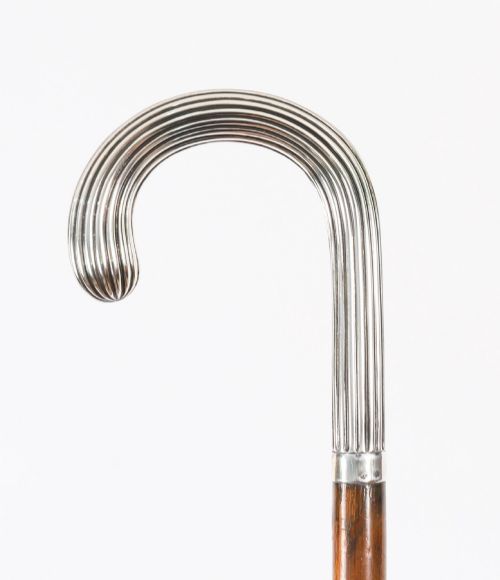
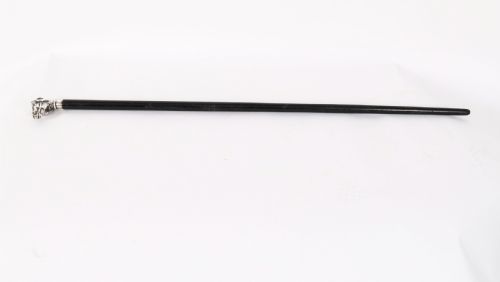
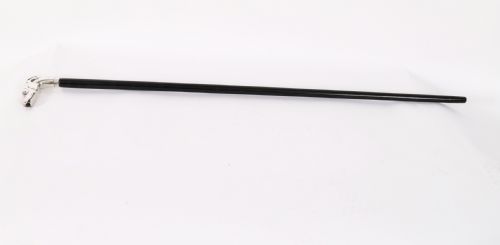
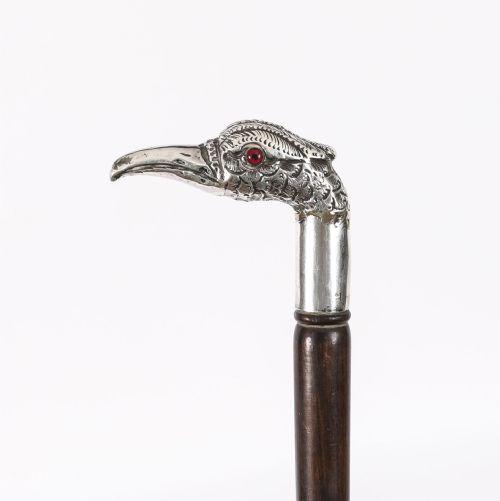
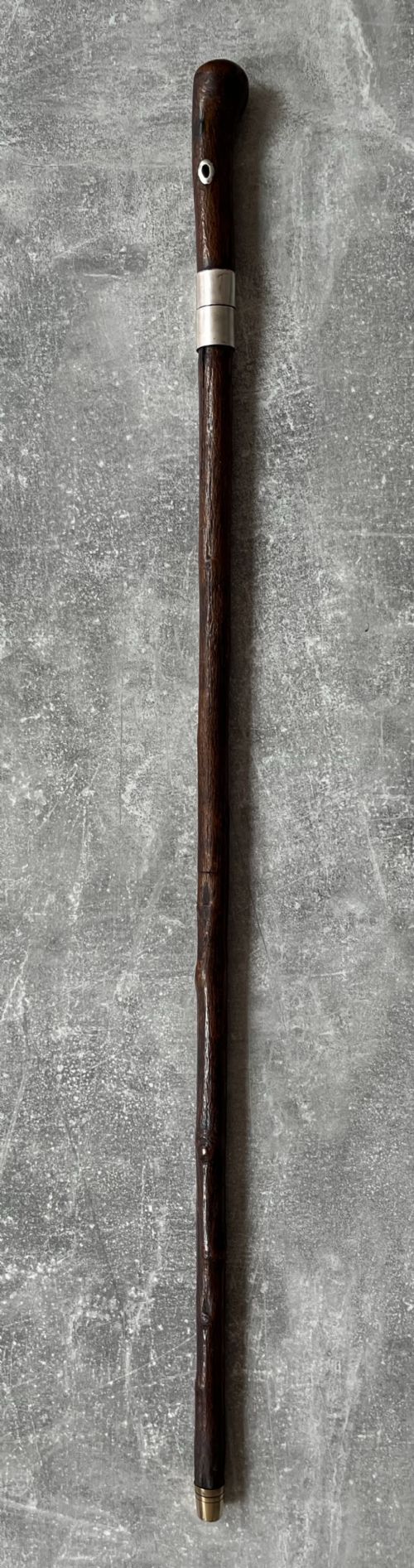
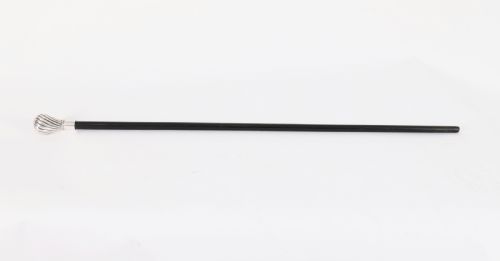
Makers constructed the shafts of these items using durable natural materials including malacca, ebonised wood, palm wood, hazel, and horn. These organic shafts were paired with shaped handles cast in silver, silver plate, or brass, often secured by matching metal collars.
Many specimens incorporated functional mechanics within the shaft, housing steel blades from makers such as Wilkinson or Toledo. Artisans decorated the metal components using embossing, chasing, and hallmark stamping to denote authenticity and origin.
Listings feature shafts constructed from malacca, ebonised wood, palm wood, and horn, paired with silver, brass, and steel components.
Evaluating Quality and Craftsmanship
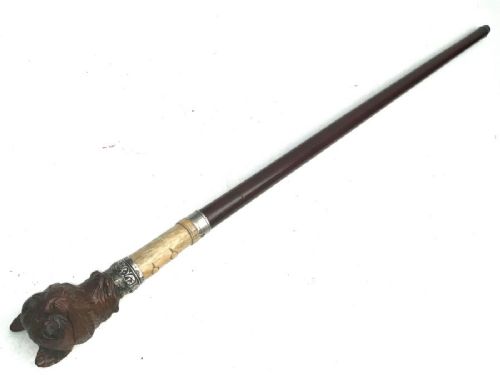
Quality in these pieces rests upon the execution of the metal handle and the integrity of the fitted shaft. Finely modelled animal heads, such as greyhounds or boars, and intricate embossed motifs demonstrate superior sculptural skill compared to plain pommels.
The sophistication of integrated mechanisms also dictates the standard of a piece. Well-engineered concealed sword blades, functioning watch compartments, or securely fitted snuff box lids require precise metalworking that elevates the utility of the cane.
Brigg·Wang Hing and Company·Henry Borlase Stevens
The Victorian Silver Walking Cane Glossary
- Pommel
- The rounded or decorative handle fitted to the top of a walking stick. It provides a secure grip for the hand and often displays detailed silver embossing.
- Malacca
- A sturdy rattan cane imported from Southeast Asia, prized for its mottled brown finish and flexibility. It served as a primary shaft material for high-end nineteenth-century walking sticks.
- Gadget Cane
- A walking stick designed with a concealed secondary function, such as a hidden sword, dagger, watch, or snuff box. These pieces catered to the Victorian taste for utility and surprise.
- Hallmark
- An official stamp applied to precious metals indicating the standard of silver, the assay office, and the year of manufacture. English pieces frequently display these stamped marks near the collar.
- Knop
- A knob or rounded protuberance on the handle of a cane. This term often describes bone, horn, or silver grips.
Victorian Silver Walking Cane: Frequently Asked Questions
What is a sword stick?
A sword stick is a specialised walking cane featuring a concealed blade housed securely within the wooden shaft. Users accessed the weapon by releasing a locking mechanism beneath the silver collar.
These pieces were carried by gentlemen for personal protection during the nineteenth century. The blades often bear maker marks from renowned smiths.
How do I identify a Victorian piece?
Victorian canes are identified through stylistic cues, materials, and stamped hallmarks on the silver mounts. Many pieces feature dense hardwoods paired with ornate chased metal handles.
Examining the wear patterns and construction techniques helps confirm nineteenth-century production. Dated hallmarks provide the most precise verification of age.
What materials make up the shaft?
Shafts were formed from various imported and native timbers chosen for strength and flexibility. Common woods include malacca, ebonised wood, palm wood, and hazel.
Some examples also utilise horn, leather covering, or snakewood. Metal collars generally join the wooden shaft to the silver handle.