


Novelty Silver Walking Stick
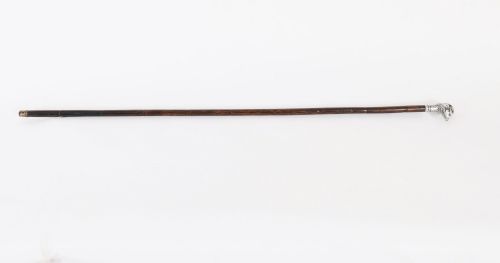
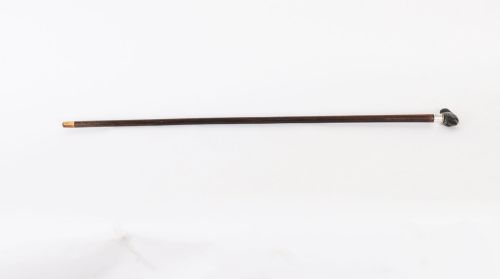
A novelty silver walking stick is a functional support fitted with a characterful or mechanical handle designed to catch the eye.
Novelty Silver Walking Stick
When you search for a novelty silver walking stick, you encounter gentleman's and lady's supports featuring animal heads, mechanical inserts, and sports-themed tops. The pieces listed here span the nineteenth century, the Victorian and Edwardian eras, and the Art Deco period, incorporating formats like sword sticks, watch canes, and parasol handles.
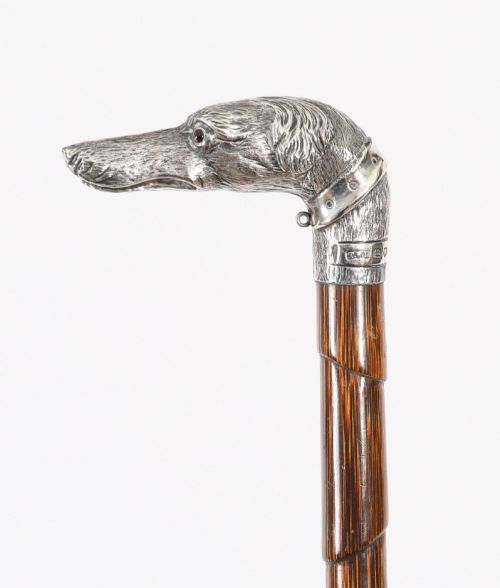
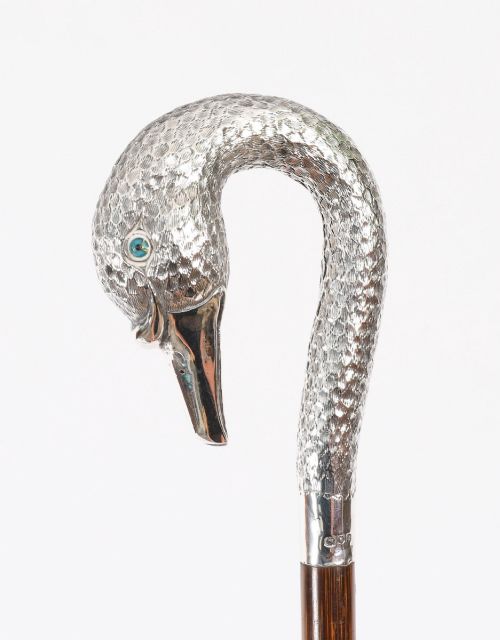
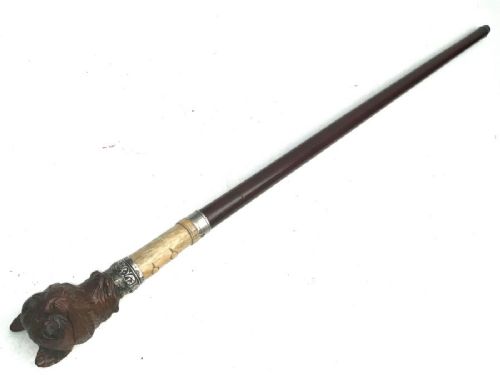
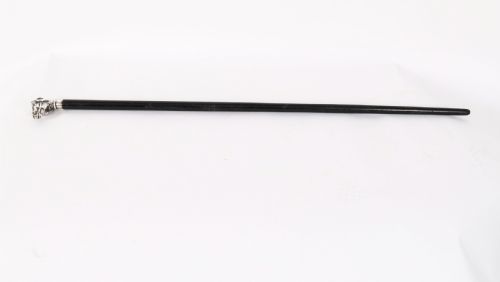
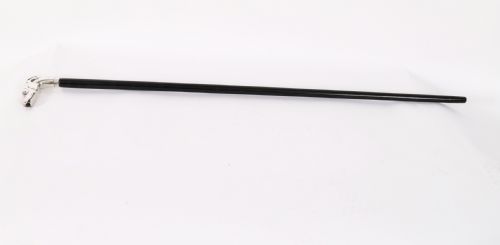
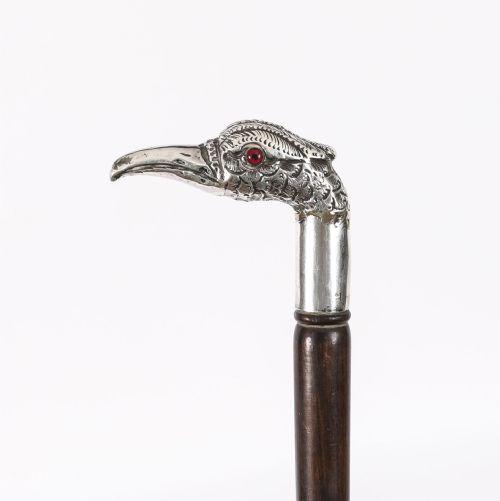
Animal handles dominate the selection, with greyhound, swan, duck, parrot, horse, pheasant, boar, rabbit, and hare heads rendered in silver mounted onto wooden shafts. These items combine practical support with miniature sculpture, often integrating hidden compartments such as snuff boxes, corkscrews, or timepieces.
Origin points visible in the evidence range from London makers and French workshops to an example associated with the Duchy of Luxembourg. Shaft materials match these handles in variety, utilising ebonised wood, hardwood, snakewood, and standard wood alongside glass, horn, steel, and sterling silver.
Quality and craftsmanship factors
The integration of mechanical elements such as hidden watches, functional corkscrews, or sword blades demonstrates higher technical skill in construction and fitting. The choice of shaft material, from basic wood to snakewood or incorporated horn and glass, further separates utilitarian supports from luxury accessories.
Periods represented span from the 1800s and 19th century through Victorian, Edwardian, and Art Deco eras up to 1930.
The Novelty Silver Walking Stick Glossary
- Sterling silver
- A silver alloy containing 92.5 percent silver by mass and 7.5 percent other metals, usually copper. This standard metal composition appears across the majority of the silver handles and mounts.
- Snakewood
- A dense, heavy wood named for its mottled, snakeskin-like figure, utilised for premium walking stick shafts. It provides exceptional rigidity and a distinctive decorative grain.
- Sword stick
- A cane concealing a blade within its wooden shaft, operated by a release mechanism at the handle. These dual-purpose items served as both walking support and personal defence.
- Opera cane
- A walking stick featuring a built-in mechanical timepiece or watch face integrated into the handle. These pieces allowed the owner to check the time discreetly during social events.
- Parasol handle
- A smaller decorative grip designed for a sunshade rather than a heavy walking support. Several listed examples apply this fine silver metalwork to smaller handheld items.
Novelty Silver Walking Stick: Frequently Asked Questions
What is a novelty silver walking stick?
A novelty silver walking stick is a cane featuring a decorative silver handle shaped as an animal, a sporting item, or a mechanical device. They combine the traditional function of a walking support with miniature sculpture and hidden utilities.
These pieces reflect Victorian and Edwardian tastes for accessories that displayed personality and wit. Handles range from realistic fauna to functional items like golf clubs and timepieces.
What woods are used for shafts?
Shafts consist of dense timbers such as hardwood, snakewood, and ebonised wood. These materials provided the necessary strength and durability for daily walking support.
Some sticks incorporate additional materials like horn, glass, or steel alongside the primary wood. The grain and finish of the wood complement the polished silver of the handle.
How do I date these walking sticks?
Dating relies on hallmarks stamped on the silver, stylistic indicators of periods like Art Deco or Victorian, and registration marks. Makers' marks and town assay stamps provide specific chronological reference points.
Stylistic shifts also help identify eras, such as the sleek geometric lines of 1920s pieces compared to ornate 19th-century animal carvings. Examining the construction of the hidden mechanisms offers further clues to the period.