


Silver Topped Wooden Cane
Silver topped wooden cane examples combine refined metalwork with sturdy timber, offering a dependable daily accessory for the discerning collector.
Silver Topped Wooden Cane
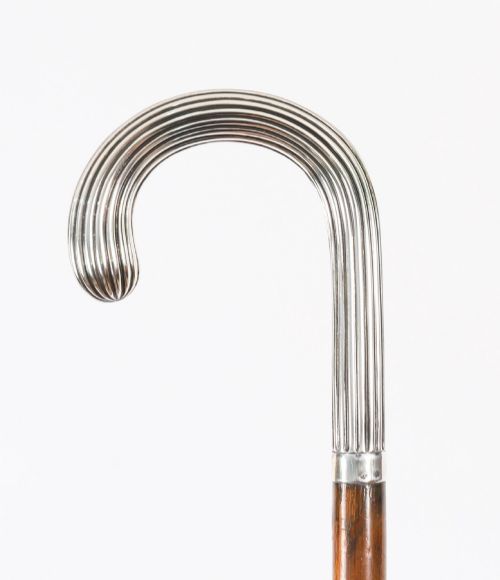
A silver topped wooden cane serves as a practical walking aid or a gentleman's accessory, often incorporating concealed blades or military associations. These items appear across several decades, including Victorian and Edwardian periods, reflecting both formal civilian use and regimental tradition.
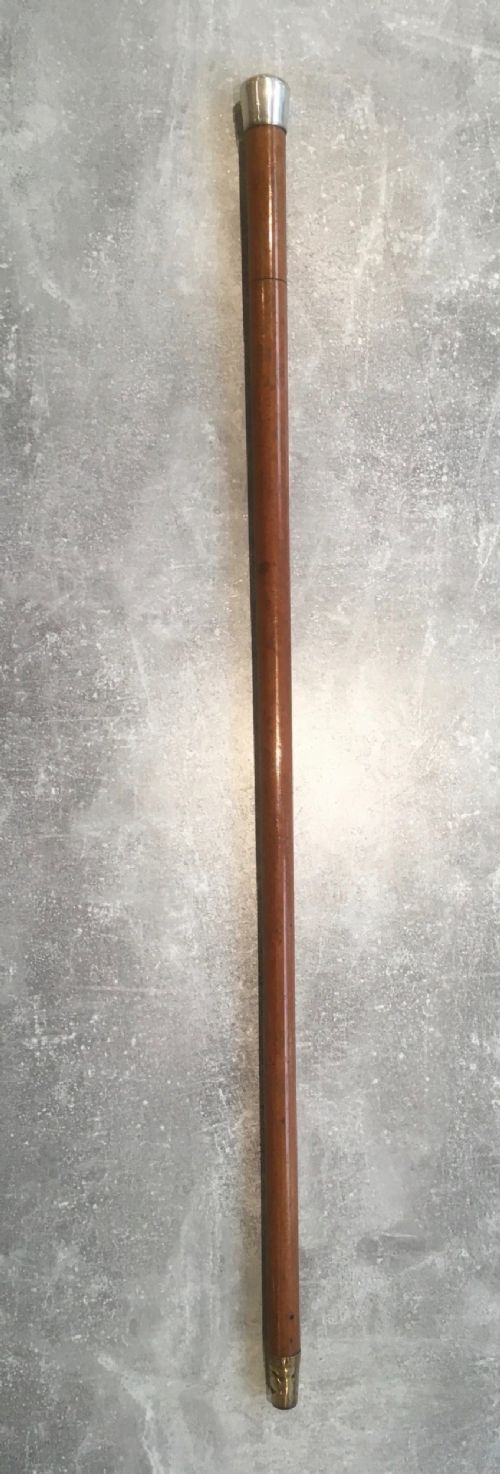
The materials span traditional hardwoods like rosewood, malacca cane, and ebonized oak, paired with polished silver tops and sometimes steel or horn elements. Buyers will encounter both standard walking sticks and specialised sword sticks within this selection.
Origins range from continental European workshops to London makers, encompassing military pieces such as battalion swagger sticks. Each item demonstrates the utilitarian yet decorative standards of its respective era.
Materials and construction methods
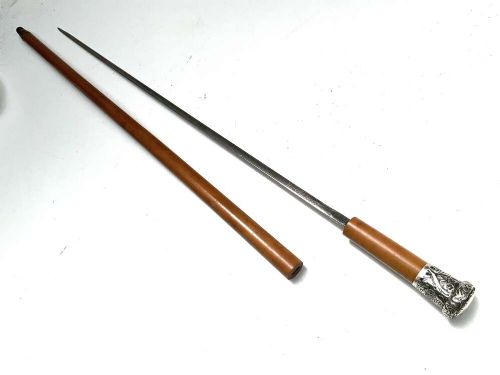
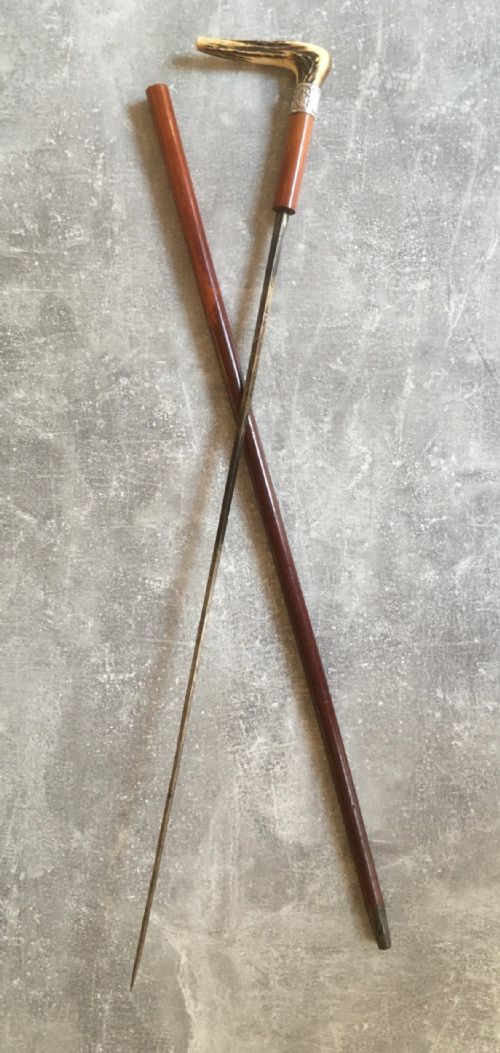
Makers shaped dense timbers such as rosewood and malacca cane to form the central shaft, frequently integrating horn or antler handles alongside silver mounts. Metal components include concealed steel blades for sword sticks and durable ferrules at the base.
Silversmiths attached decorative caps to the timber shafts, utilising repoussé or engraved techniques to adorn the metal surfaces with figural details like boar heads or regimental insignias.
Assessing the grade and execution
Superior examples display substantial weight, precise joining between the silver top and the wooden shaft, and finely detailed metalwork such as cast animal heads or military crests. Lesser pieces exhibit simpler mounts and basic timber finishing.
The presence of specialised internal mechanisms, such as a tightly fitted sword blade housed securely within a malacca cane, distinguishes higher quality utilitarian items from standard walking sticks.
The Silver Topped Wooden Cane Glossary
- Swagger stick
- A short cane carried by military officers as a symbol of authority. These items often feature regimental markings and date from the early twentieth century.
- Sword stick
- A walking stick with a concealed blade housed inside the wooden shaft. This form required precise carpentry to ensure the scabbard remained secure.
- Malacca cane
- A durable stem derived from Asiatic palms, prized for its flexibility and speckled brownish finish. It forms the lightweight body of many traditional walking sticks.
- Ferrule
- The protective metal cap fitted to the bottom of a walking stick to prevent wear on the timber. It absorbs the impact of regular use against pavements.
Silver Topped Wooden Cane: Frequently Asked Questions
What is a silver topped wooden cane?
A silver topped wooden cane is a traditional walking accessory featuring a timber shaft paired with a decorative metal handle.
These items served both practical walking support and social display for gentlemen during the Victorian and Edwardian eras.
How were sword sticks used?
A sword stick functioned primarily as a walking aid while housing a concealed steel blade for personal defence.
They were popular among gentlemen navigating city streets during the late nineteenth and early twentieth centuries.
What is a military swagger stick?
A military swagger stick is a short cane carried under the arm by officers rather than used for physical support.
These pieces frequently display battalion details and commemorate specific regiments from the Edwardian period and First World War.
How do I identify Edwardian canes?
Edwardian canes often reflect the refined tastes of the early twentieth century through slender malacca or rosewood shafts.
They frequently incorporate hallmarked silver mounts and stylistic cues distinct from heavier Victorian designs.