




Victorian Silver Waiter
A victorian silver waiter is a small serving tray meant for carrying glasses or calling cards, valued for its fine engraving and craftsmanship.
Victorian Silver Waiter
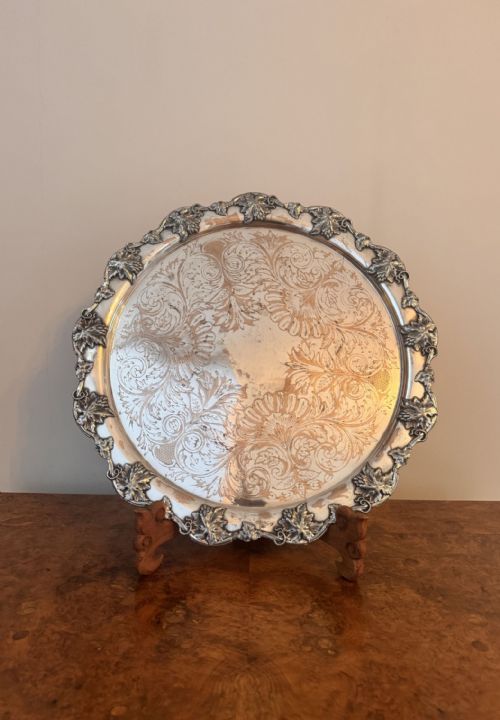
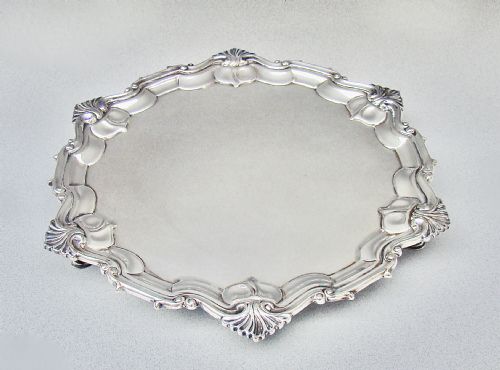
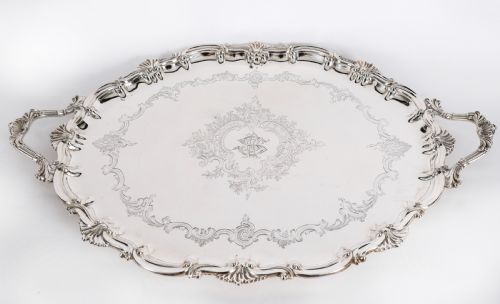
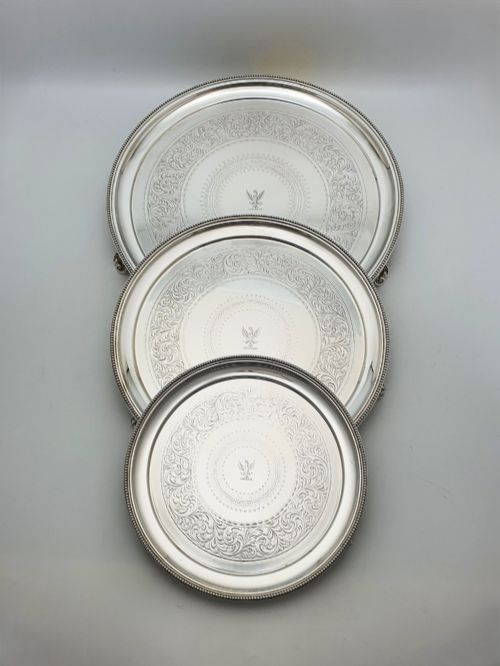
A victorian silver waiter is a compact serving tray designed for carrying small items such as glasses, letters, or calling cards. When exploring this selection, buyers encounter pieces primarily originating from the nineteenth century, spanning various forms including circular salvers and handled trays.
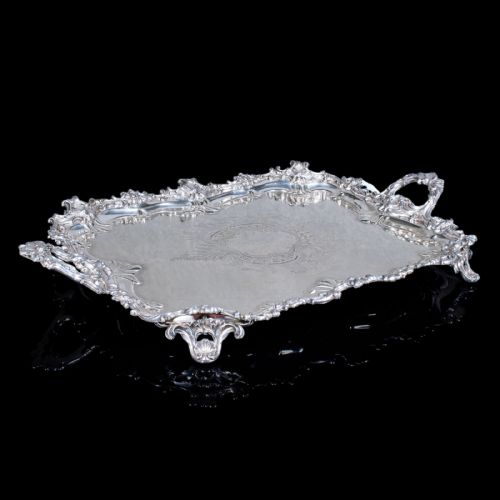
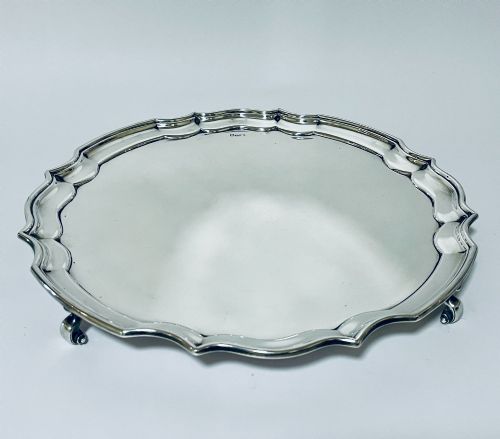
The objects seen here reflect the periods and styles typical of the era, notably Victorian Rococo Revival and traditional Georgian influences. Most examples take the form of small salvers or serving trays, often resting on decorative feet or featuring raised rims.
Materials and Techniques
Makers utilised a range of materials, most notably sterling silver and various forms of silver plate such as Old Sheffield Plate, EPNS, and electroplated nickel silver over a base metal. These plated techniques allowed workshops to produce substantial presentation pieces with the visual appeal of solid silver.
Craftsmen applied surface decoration through detailed hand engraving, piercing, and reticulated work on the rims. Many pieces combine a flat chased or engraved centre with cast or applied borders in revivalist styles.
Listings feature sterling silver and silver plate materials across Victorian, Edwardian, and nineteenth century periods.
Quality Variations
Quality rests heavily on the crispness of the engraved decoration and the integrity of the base metal underneath the plating. Superior examples display deep, hand-chased surface work and cleanly cast rims rather than shallow, stamped patterns.
The weight and balance of the tray also dictate its standing, with better pieces offering a reassuring heft and stable footing. Maker attribution further elevates a piece, particularly when bearing the marks of notable silversmiths or established plating firms.
William Hutton & Sons·Thomas Bradbury & Sons·Elkington·John Harrison·Padley Parkin·Charles Boyton·Peters Hamburg·Tiffany & Co·Fenton Russel·Lister·Walker & Hall·Lee & Wigfull·J H Potter·Philip Ashberry & Sons·Robert Hennell
The Victorian Silver Waiter Glossary
- Waiter
- A small serving tray or salver, typically standing on feet, used for carrying drinks, letters, or visiting cards.
- Salver
- A flat tray, usually made of silver or silver plate, used for serving food or beverages or for presenting items.
- Sheffield Plate
- An early method of fusing a thin sheet of sterling silver to a thicker copper core, creating durable plated items.
- EPNS
- Electroplated nickel silver, a common nineteenth century technique where a layer of silver is deposited onto a nickel silver base via electrolysis.
- Chasing
- A metalworking technique where a design is hammered into the front surface of the metal to create low relief ornamentation.
Victorian Silver Waiter: Frequently Asked Questions
What is a victorian silver waiter used for?
These small trays served primarily for carrying glasses, decanters, or visiting cards in a formal household setting.
They allowed servants to present items to guests without touching them directly by hand.
How do I clean an antique silver waiter?
Use a soft cloth and a reputable silver cream specifically formulated for antique pieces to remove tarnish gently.
Avoid harsh dips or abrasive materials that can wear away silver plating or damage delicate hand engraving.
What is the difference between a waiter and a salver?
The terms are often used interchangeably, though a waiter typically refers to a smaller, footed tray for drinks or cards.
A salver can describe a larger serving tray meant for central display or substantial service.
How can I tell the date of a silver waiter?
Makers' marks, town marks, and date letters stamped onto the metal provide precise indications of origin and year of manufacture.
Stylistic cues like Rococo Revival scrolls or Victorian registration marks also help narrow down the production period.