
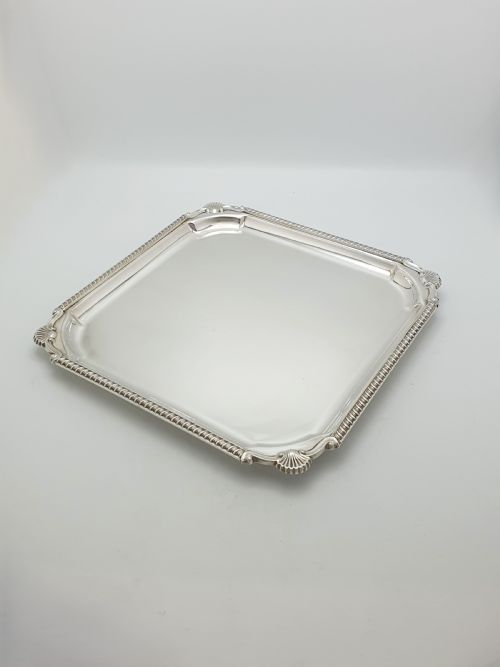


Antique Metal Drink Tray
An antique metal drink tray brings period character to a modern table, offering a durable surface for serving spirits or afternoon tea.
Antique Metal Drink Tray
An antique metal drink tray serves as a functional centrepiece for glassware, decanters, and cocktail shakers. These pieces range from restrained Victorian designs to geometric Art Deco serving surfaces intended for entertaining.
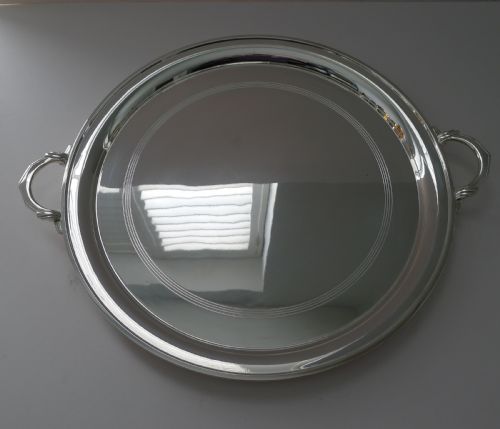
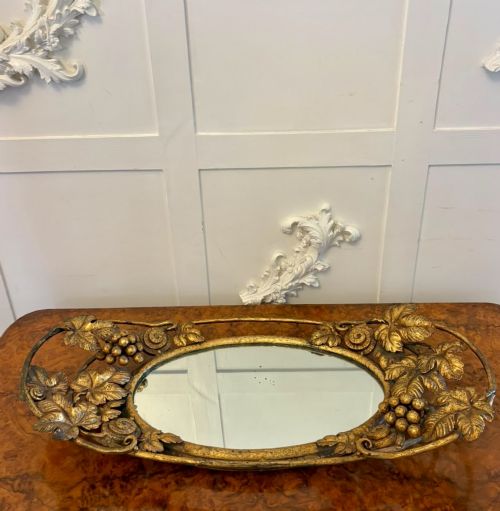
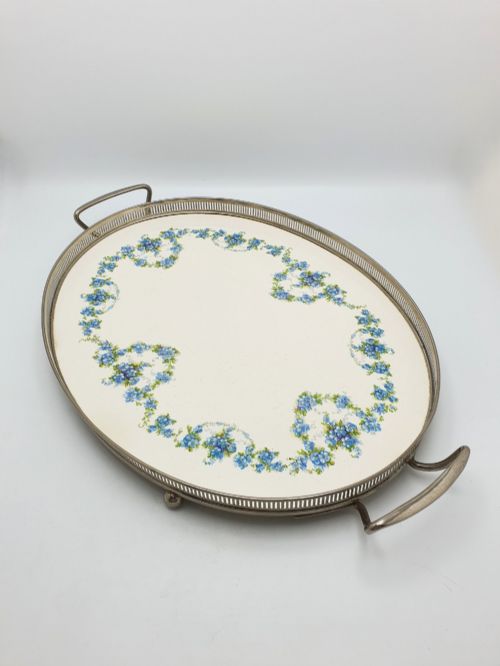
Origins stretch from English workshops to continental European makers, encompassing periods from the nineteenth century through the Art Deco era of the 1920s and 1930s. Buyers will encounter both plain engraved surfaces and ornate interpretations decorated with grape vine motifs or blue floral centres.
Materials and construction methods
Makers utilised base metal, copper, and nickel silver as foundations for applying silver plate, creating resilient surfaces suitable for frequent use. Techniques such as electroplating allowed workshops to deposit a thin layer of silver over white metal alloys with remarkable consistency.
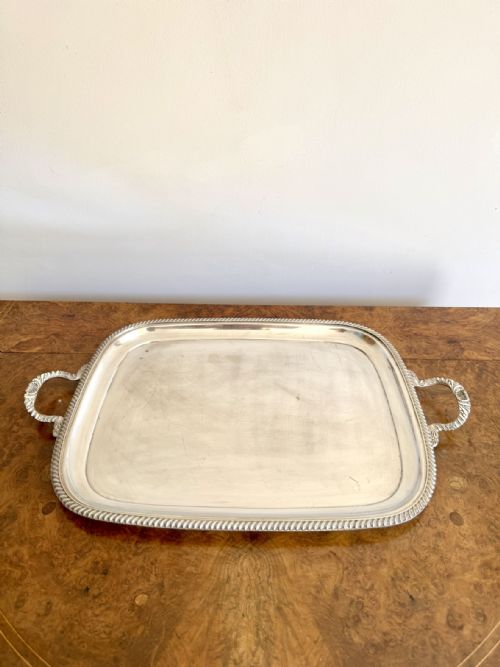
Decorative borders often involved hand-piercing, reticulation, or applied cast mounts featuring shell details and grapevine scrollwork. Engraved surfaces display intricate geometric patterns or floral scrolls executed by hand with sharp gravers.
Grape vines seem to have dominated late-Victorian thirsts, winding their metallic leaves across multiple serving surfaces.
Distinctions in craftsmanship and design
Superior examples originate from documented makers and distinguished silversmiths, where the weight of the metal provides a substantial feel in the hand. The crispness of chased decoration and the depth of hand-engraving separate standard production items from workshop-led creations.
The integrity of the plated surface and the precision of applied handles or pierced galleries indicate the level of care taken during production. Well-balanced proportions and harmonious decorative borders elevate an everyday serving accessory into a notable design object.
Keith Murray For Mappin & Webb·Liberty & Co·Hukin & Heath·John Collyer & Co·Frank Cobb & Co·Peters Hamburg·J.H. Potter
The Antique Metal Drink Tray Glossary
- EPNS
- Electroplated Nickel Silver. This designates a base metal alloy of copper, nickel, and zinc coated with a thin layer of pure silver.
- Salver
- A tray, usually made of silver or silver plate, traditionally used for presenting food, drinks, or letters.
- Reticulated
- Pierced or patterned in a net-like openwork design. This technique creates delicate borders on serving trays and platters.
- Old Sheffield Plate
- A composite material formed by fusing a sheet of silver to a thicker copper core. This early method precedes nineteenth-century electroplating.
Antique Metal Drink Tray: Frequently Asked Questions
How do I clean an antique silver plated tray?
Use a soft cloth and a gentle, non-abrasive silver cream specifically formulated for plated items to maintain the surface. Avoid harsh chemical dips that can strip the underlying plating.
Wash the tray in lukewarm soapy water after polishing, dry thoroughly with a soft microfiber towel, and store it away from direct sunlight and damp environments.
Can I use these trays for daily entertaining?
These metal trays were built for functional use, making them entirely suitable for serving drinks during gatherings. Placing coasters beneath heavy crystal decanters helps protect the historic plating from excessive friction.
Wipe up liquid spills promptly after use to prevent tarnishing and moisture spots from setting into the metal surface.
How do I identify an Art Deco drink tray?
Art Deco trays typically showcase geometric symmetry, clean lines, and stylised motifs such as shell borders rather than Victorian floral scrolls. Pieces from this era often date from the 1920s and 1930s and embrace streamlined shapes.
Look for attributed designs by notable modernist architects and silversmiths who influenced metalwork production during the interwar period.
What is the difference between a salver and a tray?
A salver generally refers to a flat, circular serving vessel raised on small feet, traditionally used for presenting drinks or calling cards. Trays often include handles or raised galleries and encompass a broader variety of rectangular and oval shapes.
Both forms served similar hosting functions in period households, though salvers frequently lean toward formal display.