



Victorian Silver Tea Box
When you search for a victorian silver tea box, you are looking for solid sterling or plated storage vessels that survive from the nineteenth and early twentieth centuries.
Victorian Silver Tea Box
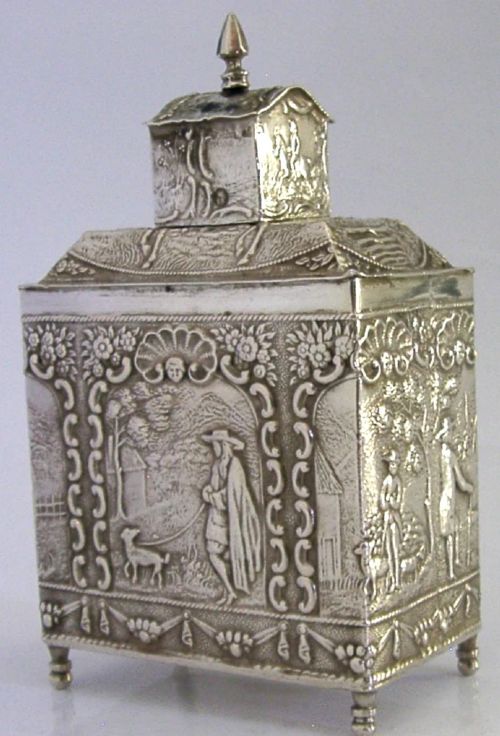
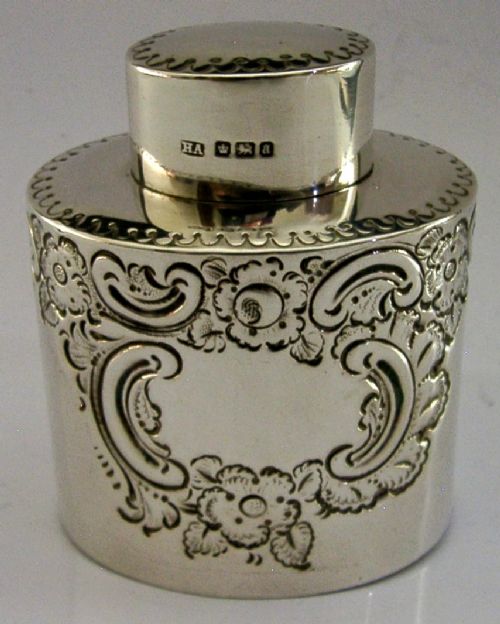
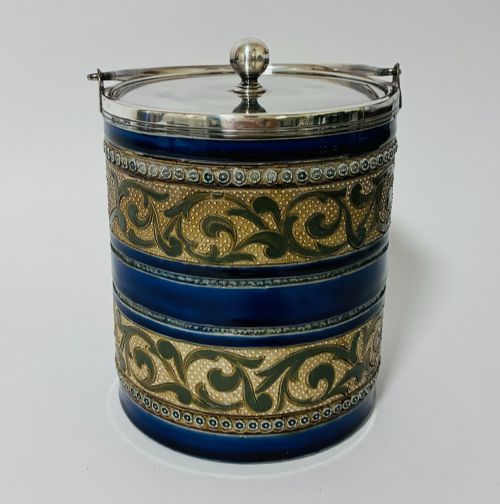
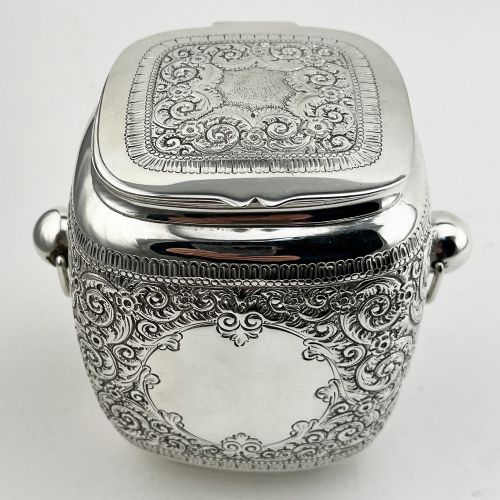
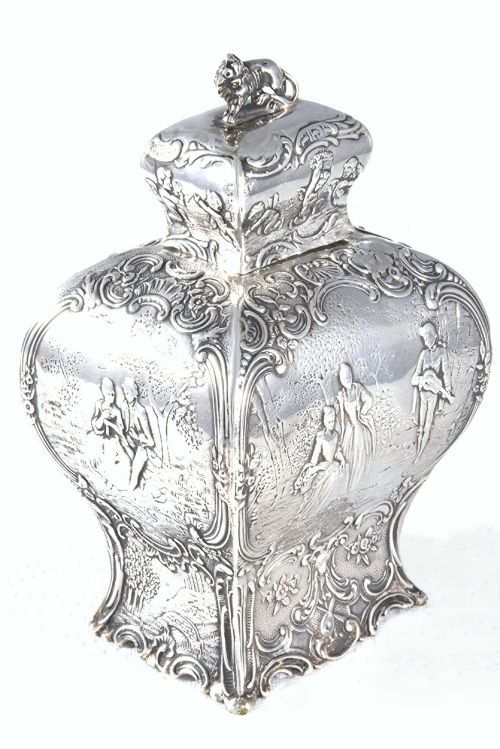
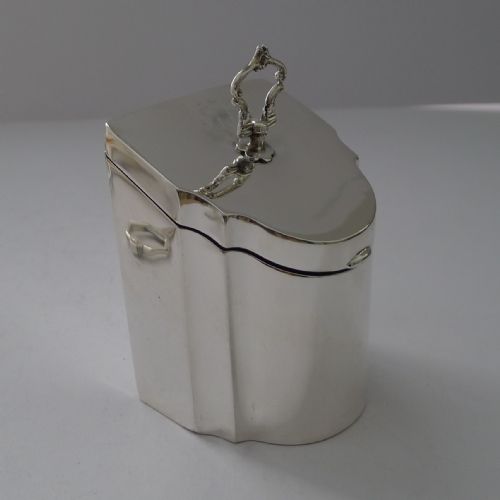
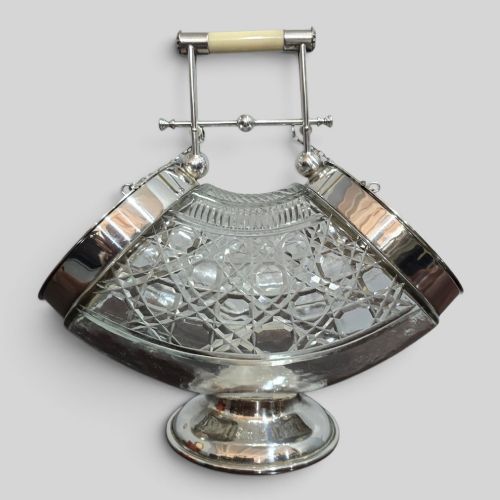
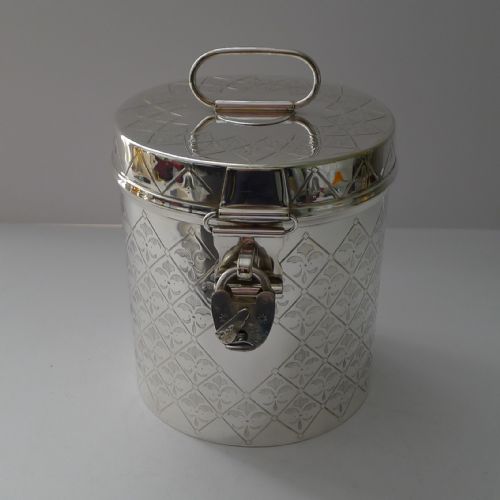
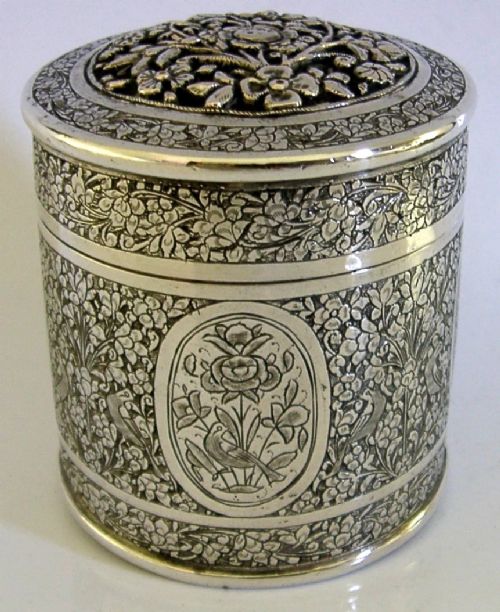
A victorian silver tea box encompasses both sterling silver tea caddies and silver plated biscuit boxes produced during the nineteenth and early twentieth centuries. These vessels were designed to store dry leaves securely or present biscuits at the dining table. Forms range from straight-sided canisters and knife box shapes to bombe bodies and novelty weights.
The specimens you meet on this page date predominantly from the Victorian and Edwardian periods, stretching from the mid-nineteenth century up to the nineteen-twenties. Alongside dedicated tea caddies, the selection includes related dining table containers such as cut glass biscuit barrels mounted in silver plate and ceramic jars with hinged metal lids. Continental and Ottoman influences also appear through distinct revival styles and imported pieces.
Materials and Construction Techniques
Makers utilised sterling silver and silver plate over base metals, often combining metal mounts with cut glass, ceramic bodies, oak, or burr maple. Interior compartments sometimes featured linings of velvet, silk, or leatherette to protect delicate contents. Silver elements were cast, hammered, or shaped into rigid forms, then finished with chased or engraved decoration.
Plated items relied on Sheffield plate or electroplating techniques applied to base metal foundations, while solid sterling pieces carried hallmarks indicating assay offices in cities like Sheffield or Chester. Hinged lids, locking mechanisms with keys, and ball feet required precise metalworking and secure joints to function correctly.
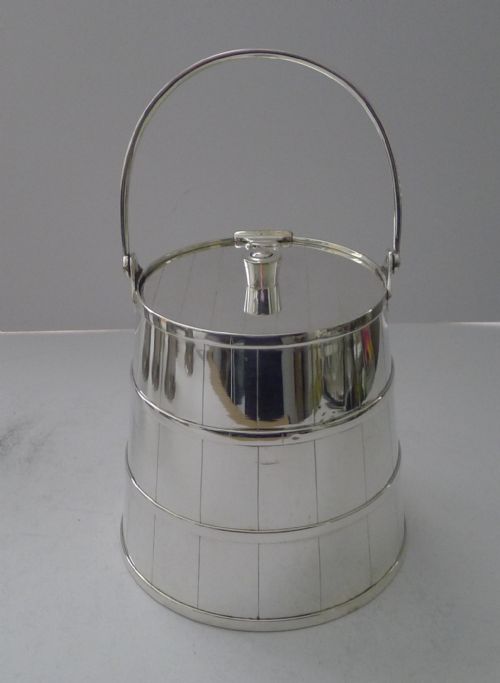
One extraordinary biscuit box is shaped precisely as a heavy twenty-eight pound weight from eighteen seventy.
Distinctions in Quality
The standard of a victorian silver tea box depends upon the thickness of the metal gauge and the crispness of any chased or repoussé ornamentation. Heavy sterling pieces with deep relief work and well-preserved maker marks represent the upper tier of production.
Construction details dictate daily utility, such as the snug fit of a hinged lid, the structural integrity of internal wooden or glass liners, and the smooth operation of integrated locks. Simpler silver-plated items or those with plain surfaces rely entirely on clean proportions and undamaged plating rather than elaborate surface enrichment.
Martin Hall And Co·Mappin And Webb·Robert And Belk·Walker And Hall·William Hutton·Elkington And Co·John Grinsell And Sons·Robert Stebbings·Hukin And Heath
The Victorian Silver Tea Box Glossary
- Tea Caddy
- A small jar or box designed specifically to store loose tea leaves. They typically feature tight-fitting lids to preserve the aroma of the dry leaves.
- Biscuit Barrel
- A container used for holding dry biscuits or crackers at the dining table. These often combine cut glass or ceramic bodies with silver-plated frames and swinging handles.
- Sterling Silver
- An alloy consisting of ninety-two point five percent silver and seven point five percent other metals, usually copper. This standard composition provides durability for domestic tableware.
- Silver Plate
- A base metal foundation coated with a thin layer of silver through chemical or electrochemical processes. Old Sheffield plate involved fusing a silver sheet onto a copper ingot.
- Repoussé
- A metalworking technique where the artisan hammers the design from the reverse side to form a raised pattern in relief on the front. It is frequently seen on revival caddies.
- Hallmark
- A series of stamped official marks applied to precious metals indicating the maker, assay office, standard of purity, and year of testing.
Victorian Silver Tea Box: Frequently Asked Questions
What is a tea caddy?
A tea caddy is a small container built to hold loose tea leaves in domestic settings. In past centuries, tea was expensive, so these vessels were often fitted with locks.
They were kept in the parlour or dining room, with the head of the household retaining the key to control access to the leaves.
How were biscuit barrels used?
Biscuit barrels served as table presentation pieces during formal Victorian meals and afternoon tea. Servants brought them out after dinner or during gatherings to offer dry baked goods.
The hinged lids kept the contents fresh while seated guests helped themselves from the table.
How do I date a silver piece?
Dating relies primarily on the stamped hallmarks found on sterling silver items, which record the assay office and year letter. Stylistic clues like Dutch Rococo revival motifs or plain Edwardian lines also help narrow down the decade of production.
Silver-plated items often lack date letters, requiring makers marks and construction methods to establish an approximate age.
Can I still store tea in these boxes?
These boxes function well for dry storage, provided the interior is clean and free of old residue. Sterling silver is chemically stable and safe for dry foodstuffs.
For daily use, ensure any antique locking mechanism or internal wooden lining remains dry and undamaged by moisture.