
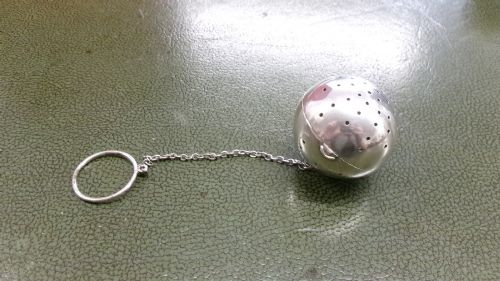


Victorian Silver Tea Accessory
These Victorian silver tea accessory items bring afternoon rituals to life through sugar tongs, caddy spoons, and biscuit barrels.
Victorian Silver Tea Accessory
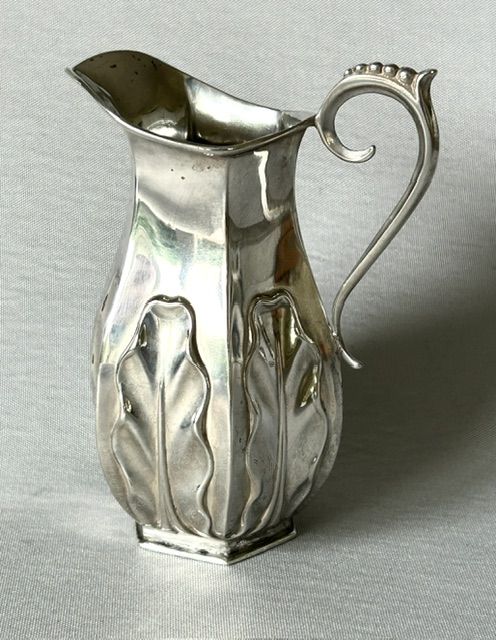
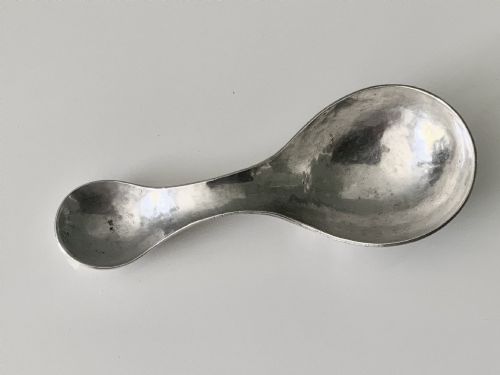
A Victorian silver tea accessory covers the implements used to serve tea, including sugar tongs, caddy spoons, cream jugs, biscuit barrels, and tea strainers. These pieces originate primarily from the Victorian and Edwardian periods, stretching from the mid-nineteenth century into the early twentieth century.
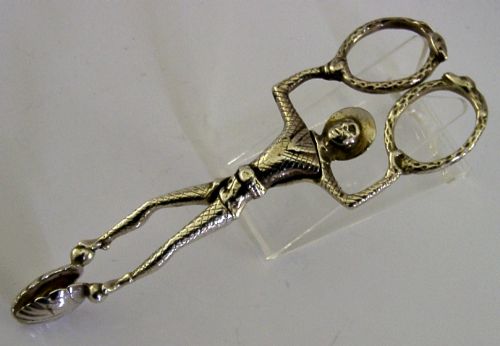
Forms span from straightforward domestic tableware to novelty designs such as jockey caps and harlequin jesters. Regional British assay offices, including Chester and Exeter, stamp many of the silver pieces alongside London hallmarks.
How they were made
Silversmiths shaped sterling silver and silver plate through casting, hammering, and piercing. Many pieces incorporate engraved foliate decoration or naturalistic motifs reflecting nineteenth-century styles.
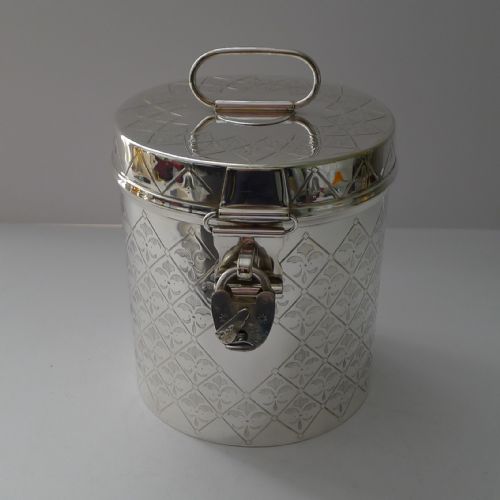
Functional items often combine metals with other materials. Biscuit barrels and boxes frequently pair silver or electroplated nickel silver frames with cut glass bodies, while tea strainers can feature turned wooden handles.
Cased sets add interior linings of silk, velvet, or leather to house spoons and sugar nips securely. Electroplating techniques allowed manufacturers to apply thin layers of silver onto base metal alloys for durable tableware.
Some Victorian silversmiths shaped tea caddy spoons directly into the form of tiny jockey caps for the racing enthusiast's tea table.
What varies in quality
The definition in hand-engraved detail separates standard tableware from superior work. Crispness in foliate engraving and naturalistic foliate designs indicates a skilled silversmith.
Weight and structural integrity also distinguish pieces. Solid sterling silver items carry substantial heft compared to lighter plated wares, and mechanisms on locking biscuit boxes require precision engineering to function smoothly over generations.
The inclusion of original fitted cases or matching sets elevates the integrity of a collection. Maker marks from established silversmiths provide documentation that anchors the provenance of individual pieces.
Mappin and Webb·George Unite·Walker and Hall·Josiah Williams and Co·John Walton·Francis Higgins
The Victorian Silver Tea Accessory Glossary
- Caddy spoon
- A short-handled spoon designed for measuring loose tea leaves from a caddy. They often feature shallow, engraved bowls shaped like shells, leaves, or jockey caps.
- Sugar tongs
- Springing or pivoting metal implements used to transfer sugar lumps or grains into a teacup. Victorian examples frequently display naturalistic foliate designs or pierced decoration.
- Biscuit barrel
- A covered container designed to hold biscuits on the tea table. These vessels commonly combine cut glass bodies with silver plated mounts and swing handles.
- Mote spoon
- A slender eighteenth- and nineteenth-century spoon with a pierced bowl used to skim tea leaves from a brew, ending in a pointed tip to clear the teapot spout.
- Hallmark
- Official stamps applied to precious metals indicating the standard of purity, the assay office, and the year of manufacture. British silver relies on these punches for dating.
Victorian Silver Tea Accessory: Frequently Asked Questions
What is a silver tea accessory?
A silver tea accessory encompasses the small tools and vessels used during formal tea service. This category includes caddy spoons, sugar tongs, strainers, cream jugs, and biscuit barrels.
These objects functioned alongside teapots to manage sugar, loose leaves, milk, and biscuits on the nineteenth-century table.
How do I use these items today?
Many Victorian tea accessories remain entirely functional for modern afternoon tea or daily kitchen use. Sugar tongs, strainers, and caddy spoons perform their original roles without modification.
Larger items like biscuit barrels and cream jugs transition easily into contemporary dining settings as decorative storage or serving vessels.
How do I date a Victorian silver piece?
Dating relies primarily on the assay office hallmarks stamped directly onto the silver surface. These official marks include date letters that correspond to specific years of manufacture.
Stylistic cues, such as Victorian naturalist motifs or Edwardian manufacturing techniques, help narrow down the period when hallmarks are rubbed or absent.
What is the difference between sterling and plated silver?
Sterling silver consists of a solid alloy containing a high percentage of pure silver throughout the entire object. It carries hallmarks indicating its standard.
Silver plate and electroplated nickel silver apply a thin coating of silver over a base metal foundation, offering a bright finish at a different weight and composition.