


Antique British Silver Scoop
These antique british silver scoop pieces are small treasures of the tea table and dining room, prized for their fine metalwork and domestic utility.
Antique British Silver Scoop
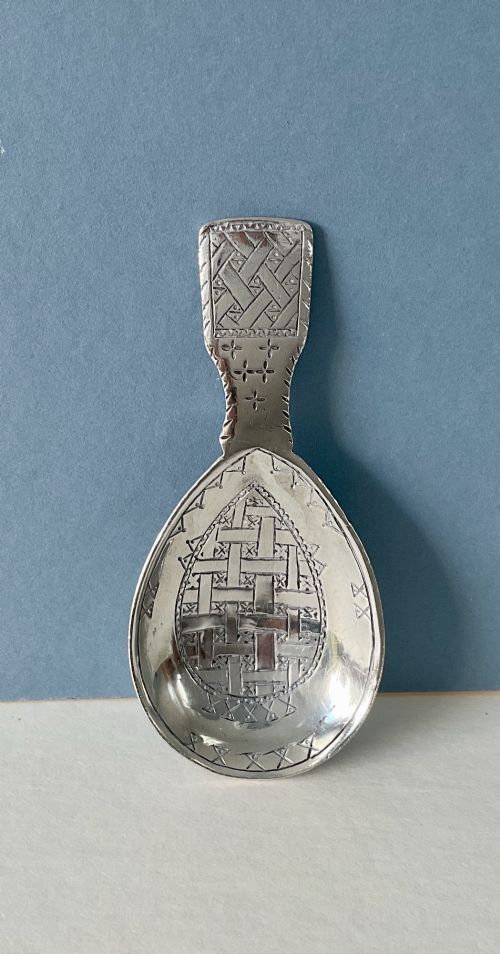
The version you are most likely to meet on this page is the caddy spoon, often shaped for measuring dry tea leaves from a canister. These pieces span Georgian, Victorian, Edwardian, and later twentieth-century periods, showing how domestic rituals evolved while retaining traditional metalworking skills.
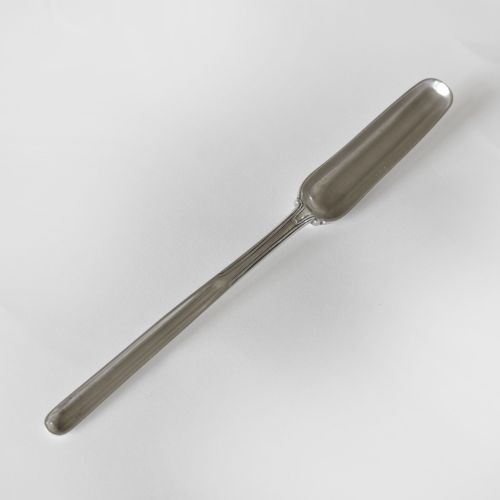
Beyond tea caddy spoons, the offerings include larger serving implements such as marrow scoops, stilton scoops, and ice cream servers. These items demonstrate the specialised nature of British dining flatware, where distinct utensils were fashioned for particular foods.
Materials and construction
Every piece listed in this category is formed from sterling silver, relying on the durable and lustrous properties of the metal to create lasting domestic objects. Silversmiths shaped these items using traditional techniques of hammering, stamping, and piercing.
Handles and bowls often display distinct stylistic traits associated with periods such as Art Deco, Arts and Crafts, and Georgian design. Makers applied engraved patterns, cast decorative terminals, and structural reinforcements to ensure both beauty and practical function.
Listings span the Georgian, Victorian, Edwardian, and mid-twentieth-century eras, exclusively featuring sterling silver materials.
Judging quality in silver scoops
Quality in these implements rests upon the crispness of the maker's mark, the balance of the utensil in the hand, and the preservation of original decorative detail. Pieces that retain sharp engraving and unblemished surface textures represent the higher tier of craftsmanship.
The design ambition also separates standard production from exceptional work, particularly in novelty pieces or items featuring specialised terminals and pierced bowls. Substantial gauge silver provides a satisfying weight that distinguishes superior examples from lighter factory output.
Mappin and Webb·George Unite
The Antique British Silver Scoop Glossary
- Sterling silver
- A silver alloy containing 92.5 percent pure silver and 7.5 percent other metals, usually copper, chosen for durability in tableware. This standard has governed British silver production for centuries.
- Caddy spoon
- A short-handled spoon specifically designed for scooping dry tea leaves from a caddy into a teapot. These small utensils frequently display creative bowl shapes and decorative handles.
- Stilton scoop
- A specialised implement with a long, semi-cylindrical blade designed for digging into hard cheeses like Stilton. The shape allows the user to carve neat plugs of cheese.
- Flatware
- Table utensils such as spoons and forks used for serving and eating food. In British silver, this category encompasses both everyday dining items and specialised serving pieces.
Antique British Silver Scoop: Frequently Asked Questions
What is a caddy spoon used for?
A caddy spoon is a small utensil designed to measure loose tea leaves from a storage jar into a teapot. Their compact size and decorative bowls made them a staple of the nineteenth-century tea table.
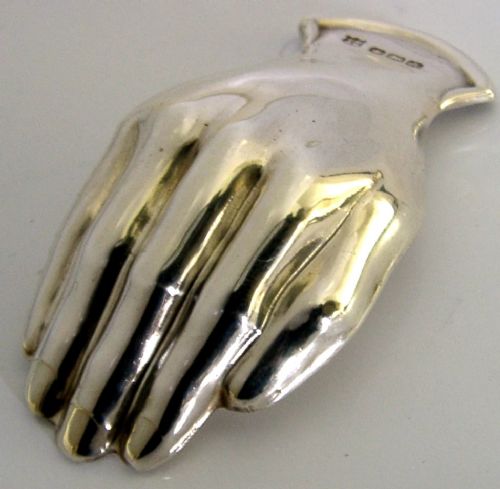
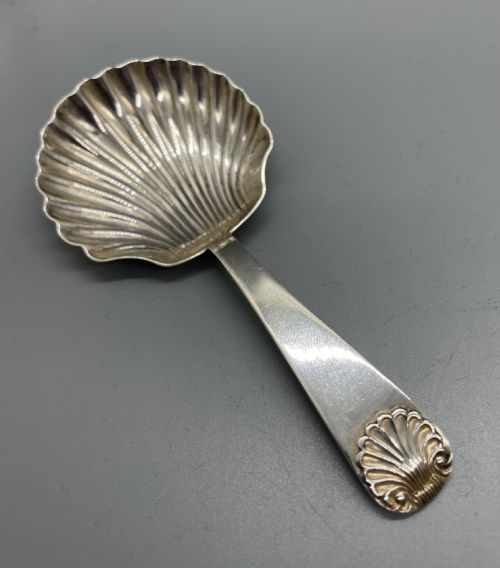
Collectors appreciate them for their variety of forms, which range from plain shovel shapes to novelty designs modelled after leaves, shells, and hands.
How do I date a silver scoop?
Dating silver items relies primarily on the hallmarks stamped into the metal by official assay offices in cities like Sheffield or London. These marks typically include a maker's mark, a standard mark, a town mark, and a date letter.
Comparing the stamped symbols against established assay office records reveals the exact year the piece was submitted and tested.
Can I use antique silver daily?
Sterling silver is a durable metal well-suited for regular handling, provided it receives proper care and gentle cleaning. Using these pieces for tea or dining connects modern routines with historical domestic traditions.
Hand washing with mild soap and storing them away from harsh environments will protect the finish and preserve the metal over time.