


Hallmarked Silver Tea Scoop
A hallmarked silver tea scoop is a small, functional vessel for measuring loose leaves, crafted in sterling silver and spanning the Georgian, Victorian, and Edwardian eras.
Hallmarked Silver Tea Scoop
When you search for a hallmarked silver tea scoop, you encounter items designed specifically for measuring and handling loose tea leaves. The selections on this page primarily consist of caddy spoons and related small utensils originating from British silversmiths.
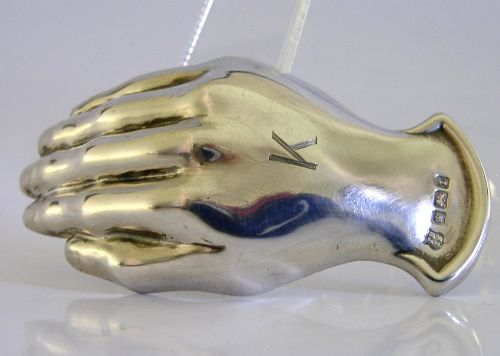
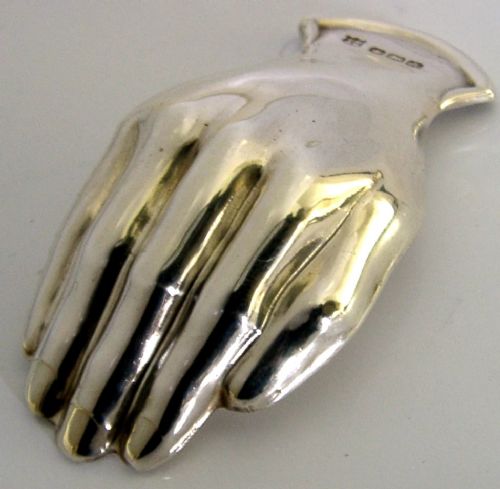
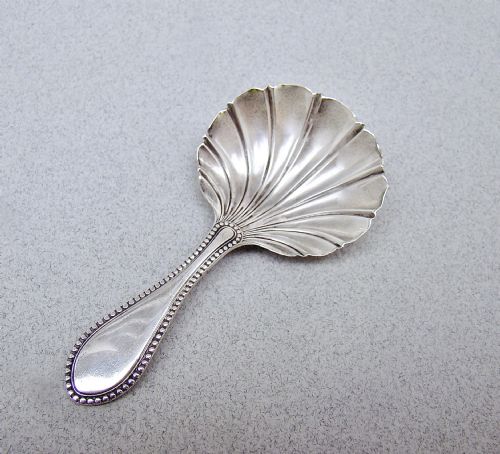
The inventory covers several distinct historical periods, stretching from the late eighteenth century through the Georgian and Victorian eras into the twentieth century. Forms range from standard bowls with short handles to playful novelty items modelled as jockey caps and hands.
Makers utilised traditional forms alongside decorative novelty designs that reflect the domestic tastes of their respective periods. Most examples found here share the common material of sterling silver, marked with official assay office hallmarks.
How they were made
Silversmiths constructed these pieces using sterling silver, working the metal through hammering, casting, and stamping techniques. The physical weight of the metal and the forming of the bowl dictate the structural integrity of each spoon.
Decoration was applied through engraving, piercing, and embossing, particularly on Victorian and Georgian items where bowls were often fluted or shell-shaped. Handles received similar attention, varying from plain fiddle patterns to intricate sculptural hand and cap motifs.
Listings feature sterling silver pieces spanning the Georgian, Victorian, and Edwardian periods, alongside later twentieth-century examples.
What varies in quality
The distinction between average and exceptional pieces rests upon the crispness of the maker's marks and the clarity of the chasing. Crisp hallmarks confirm the exact origin and assay office, adding historical weight to the piece.
Design ambition also separates standard spoons from superior examples, particularly in novelty forms such as jockey caps or hands where anatomical or structural detail requires greater skill. The thickness of the silver gauge determines durability and tactile weight in the hand.
Martin Hall And Co·William Neale·Mappin And Webb·George Unite
The Hallmarked Silver Tea Scoop Glossary
- Hallmark
- Official stamps pressed into sterling silver to indicate the maker, standard of purity, assay office, and year of manufacture. These marks provide a reliable anchor for dating an antique.
- Caddy spoon
- A specialised small spoon designed to scoop dry tea leaves from a storage caddy into a pot. They are the most common form found within this category.
- Sterling silver
- An alloy of silver containing ninety-two point five percent silver by mass, with the remainder consisting of other metals, usually copper. This standard has been used by British silversmiths for centuries.
Hallmarked Silver Tea Scoop: Frequently Asked Questions
What is a hallmarked silver tea scoop used for?
These small utensils were designed to measure loose tea leaves from a storage container during the preparation of tea.
Over time, collectors have prized them for their variety of forms rather than their original domestic function.
How do I identify the age of a silver caddy spoon?
Age is determined by reading the official hallmarks stamped into the metal, which include date letters and maker's marks.
Stylistic elements, such as Georgian engraving or Victorian novelty shapes, also offer strong clues to the period of manufacture.
Are all these spoons made of sterling silver?
The pieces recorded in these listings are struck in sterling silver, meeting the statutory purity standard enforced by British assay offices.
Assay marks provide the guarantee of this metal content.
Why do some caddy spoons look like caps?
Jockey cap spoons are a well-documented novelty form produced by silversmiths during the Georgian and Edwardian eras.
Silversmiths modelled these pieces on riding caps to appeal to the tastes of sporting patrons.