

Victorian Silver Table Box
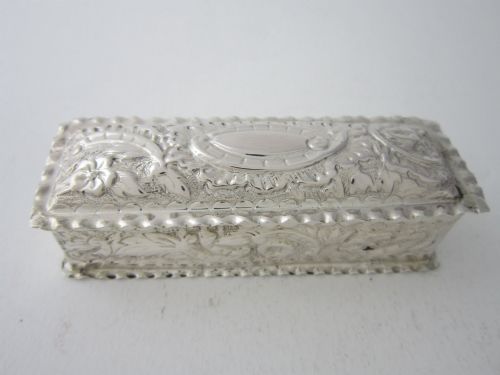
A victorian silver table box serves as a functional receptacle for vanity items, cigars, or snuff, designed to sit prominently on a surface.
Victorian Silver Table Box
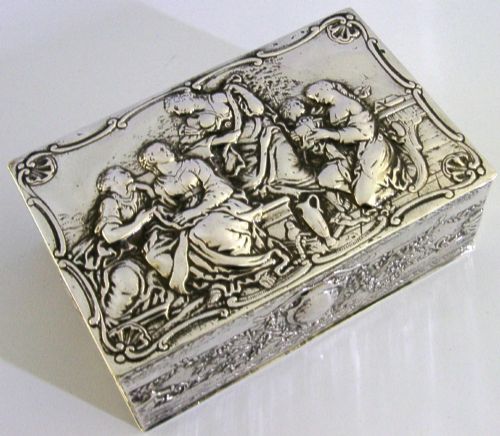
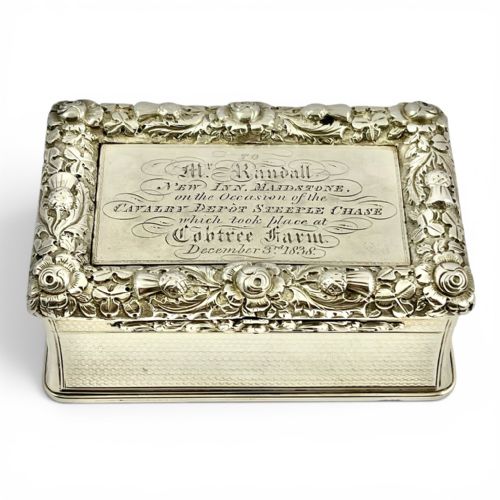
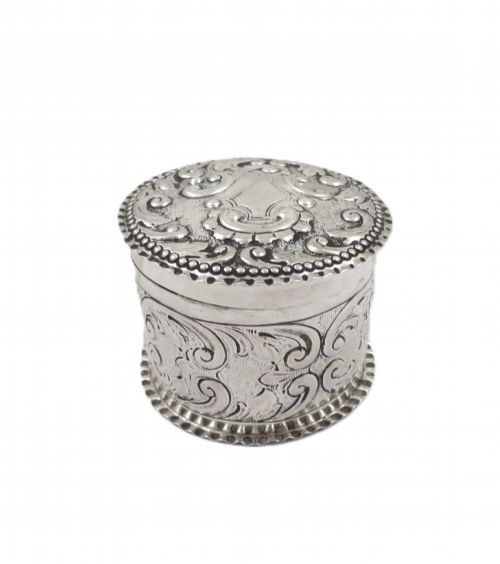
A victorian silver table box encompasses containers made for domestic utility and display, ranging from large cigar caskets and dressing table caskets to compact snuff boxes. The pieces seen here span the nineteenth and early twentieth centuries, reflecting the period's demand for orderly and decorative storage.
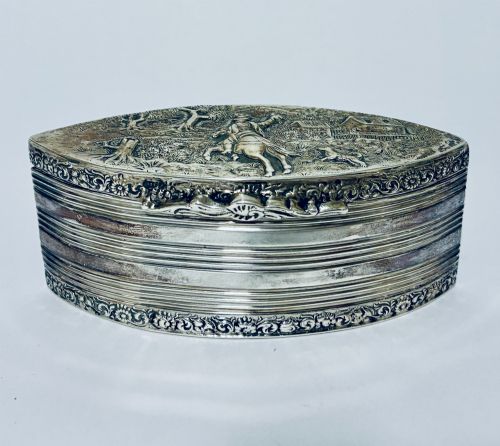
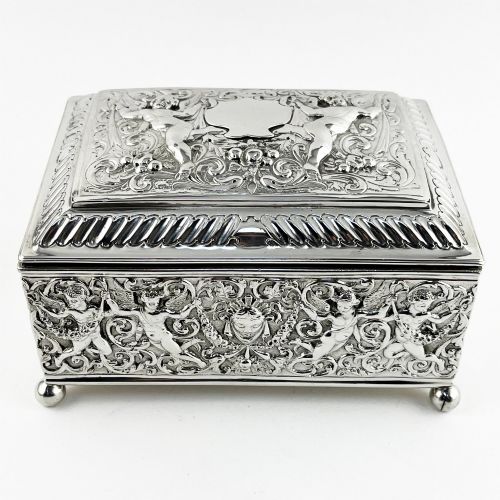
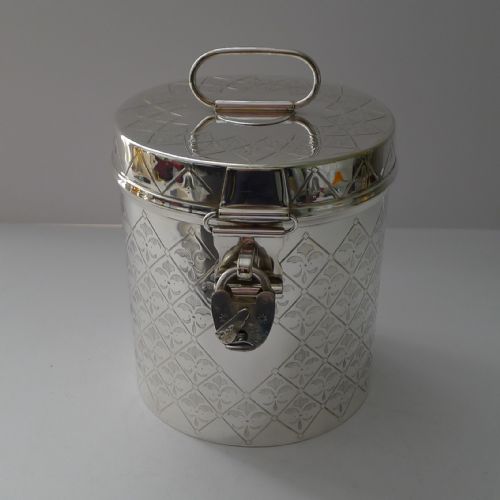
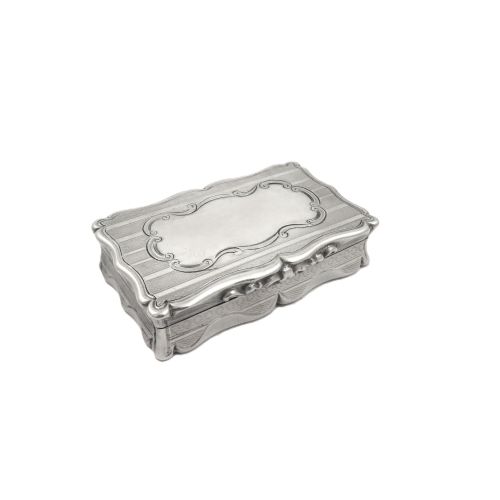
The domestic forms recorded in the inventory include rectangular trinket boxes, cartouche-shaped snuff boxes, and heavier table caskets. Makers produced these items for various social rituals, from the consumption of tobacco to the safekeeping of personal trinkets and letters.
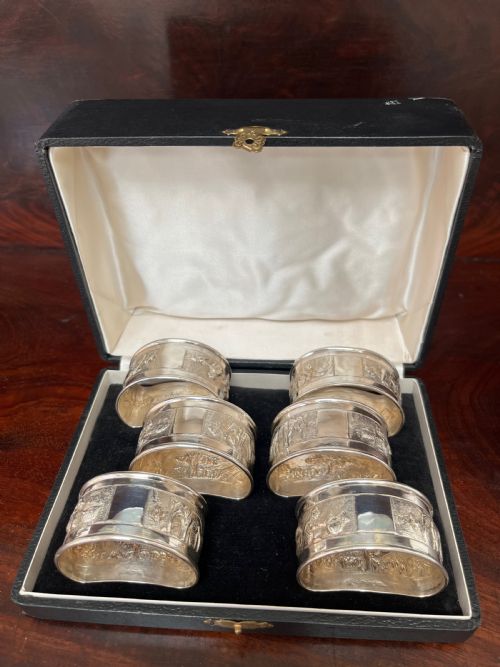
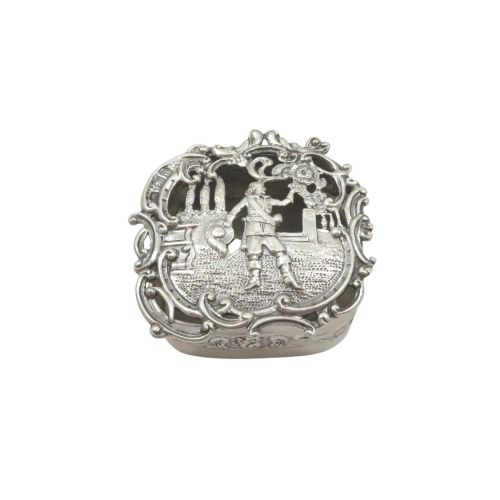
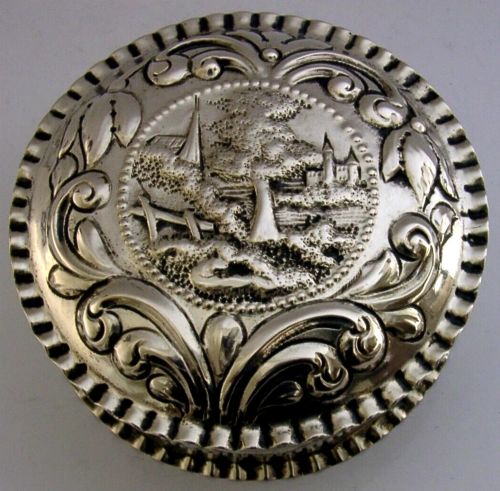
Examples frequently display stylistic influences associated with the Victorian era, including Rococo revival scrolls, embossed battle or school scenes, and planished surfaces. Buyers encounter both plain rectilinear designs and heavily ornamented cast pieces meant to command attention in a room.
How They Were Made
Silversmiths utilised sterling silver and solid silver construction, often employing casting and hammering techniques to achieve rigid forms and detailed ornamentation. Surfaces frequently received hand engraving, repoussé work, or chasing to create dimensional scrolls and pictorial scenes.
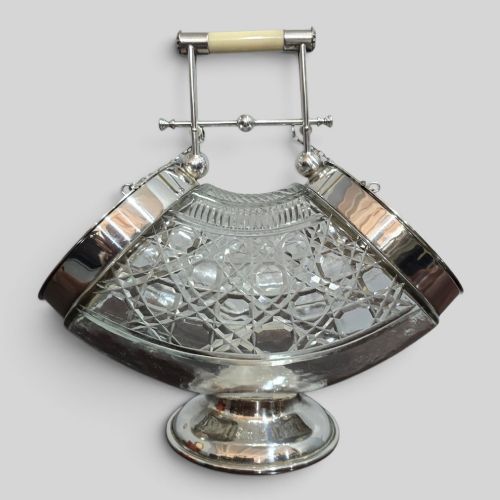
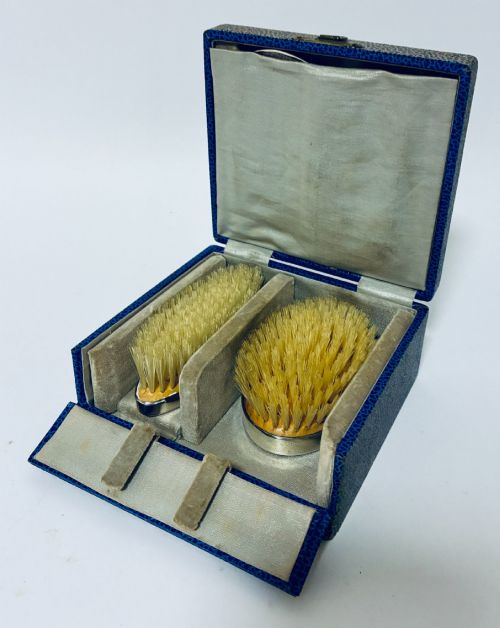
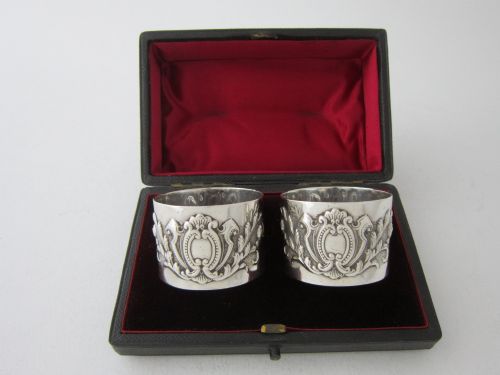
Interior compartments frequently feature linings of velvet, silk, or leatherette to protect delicate contents such as jewellery and medals. Cut glass and ceramic bodies also appear, mounted with silver rims, collars, and hinged lids.
Listings feature items from the Victorian, Edwardian, and Regency periods, utilising sterling silver, silver plate, velvet, and cut glass.
What Varies in Quality
The gauge of the metal dictates the structural integrity and heft of the piece, with heavier items demonstrating a more substantial use of silver. Thicker walls resist denting and support intricate repoussé relief without buckling.
The crispness of the chasing and engraving separates standard production from superior craftsmanship. Master silversmiths achieved sharp, legible details in pictorial cast lids and armorial cartouches, whereas lesser examples show softened contours from worn dies.
Edward Smith·Nathaniel Mills·William Comyns·Charles Rawlings and William Summers·Thomas Johnson·William Hutton·Mappin and Webb·Jane Brownett and Alexander Jones
The Victorian Silver Table Box Glossary
- Repoussé
- Metalworking technique where the design is hammered into relief from the reverse side. This method allowed makers to create three-dimensional floral and figurative scenes across the lid.
- Chasing
- Working metal from the front by sinking the material with punches to refine details. Artisans paired this with repoussé to sharpen lines and textures.
- Sterling silver
- An alloy containing 92.5 percent silver by mass, with the remainder usually copper. British pieces carry hallmark stamps verifying this standard.
- Snuff box
- A small hinged container made to hold pulverized tobacco. These items often feature gilt interiors to prevent corrosion from the tobacco.
- Cartouche
- An ornamental tablet or oval frame design reserved for monograms or crests. Engravers frequently placed these centrally on the lids of table boxes.
Victorian Silver Table Box: Frequently Asked Questions
What were table boxes used for?
Victorian households utilised these receptacles to contain small personal valuables, documents, tobacco, or vanity items. They remained accessible on desks, dressing tables, and smoking surfaces.
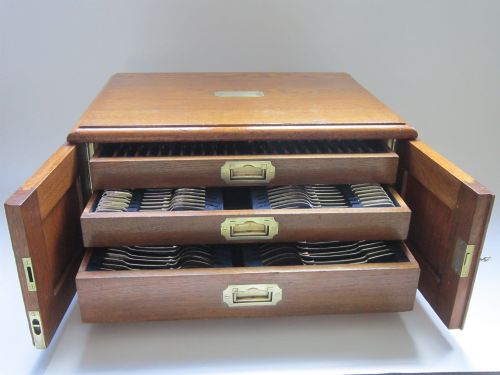
Larger variants accommodated cigars and canteens, while smaller versions held snuff or pins. Their presence signalled both domestic organisation and social status.
How do I identify the date of a silver box?
British pieces typically bear hallmarks stamped into the metal, which include symbols for the assay office, the date letter, and the maker's mark. These tiny stamped markers provide precise years of manufacture.
Consulting regional assay records allows collectors to match the specific date letter stamp to the exact year the item was hallmarked.
How should I clean antique silver?
Maintenance requires gentle washing with warm water and mild soap, followed by drying with a soft cloth. Harsh chemical dips strip the natural patina accumulated over decades.
Polishing should occur infrequently and with non-abrasive silver cream, avoiding excessive friction on engraved or chased relief details.
Why do some boxes have gold interiors?
Gilding involved applying a thin layer of gold to the interior silver surfaces using mercury amalgamation or electroplating. This protected the base metal from corrosive substances.
Snuff and acidic cosmetics tended to tarnish or pit untreated silver, making internal gilding a practical measure for frequently used receptacles.