


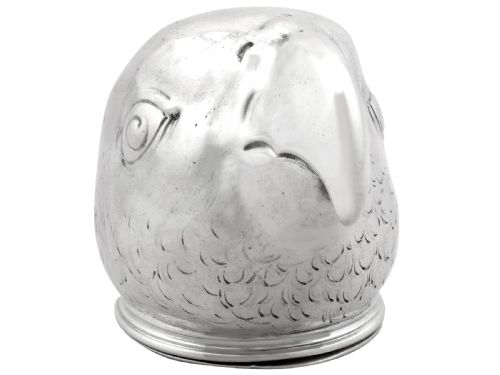


Continental Silver Table Box
These continental silver table box pieces are decorative and functional receptacles for tobacco, trinkets, and small valuables, sought after for their intricate craftsmanship and historical charm.
Continental Silver Table Box
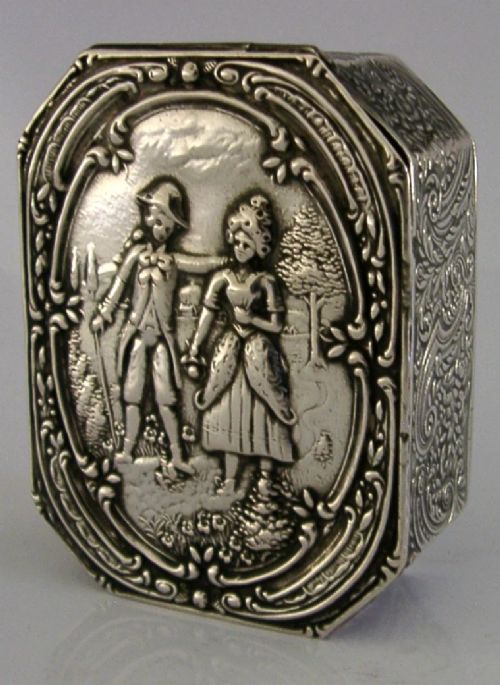
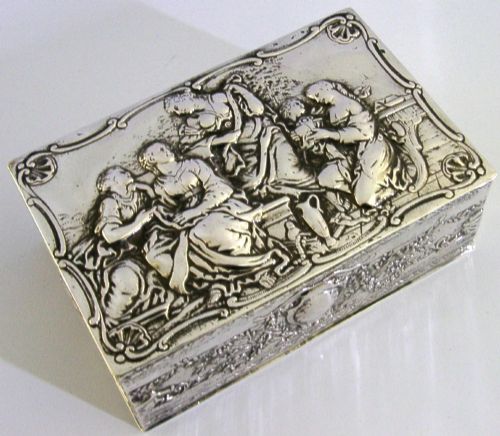
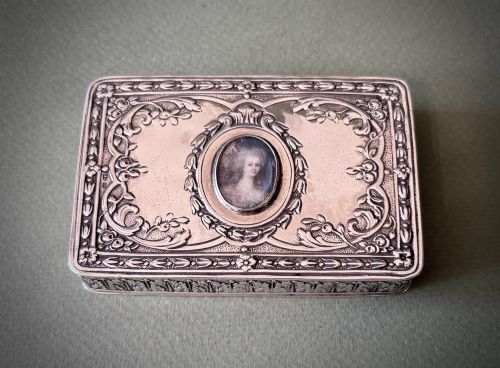
When you search for a continental silver table box, you encounter pieces designed to sit upon a surface and hold everything from snuff and sugar to jewellery and cigarettes. The most frequent encounters on this page date from around nineteen hundred, reflecting the productive output of European silversmiths in places such as Germany and the Netherlands during that period.
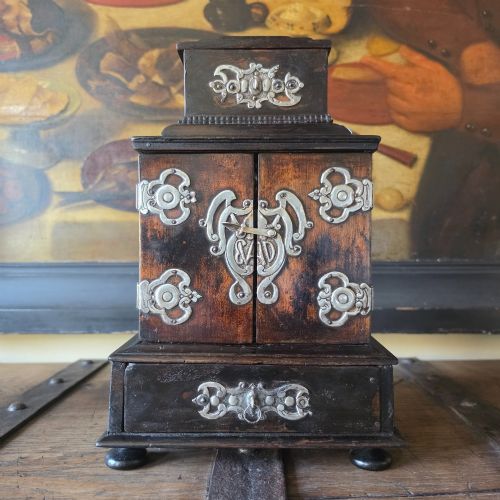
The forms range from traditional rectangular receptacles and novelty bird shapes to fitted cabinets combining silver with walnut, glass, or wood. Stylistic influences span from rococo revival and neoclassical revival to dutch traditional designs, giving each object a distinct character rooted in its European origin.
How they were made
Makers utilised solid silver, sterling silver, and German silver, often hammering, casting, or repoussé-working the metal to achieve high-relief ornamentation. Many pieces incorporate structural elements of cut glass, walnut, or timber beneath or within the silver housing.
Hinged lids, secure catches, and detailed chased surface patterns demonstrate the technical skill required to shape malleable metal into robust decorative objects.
Continental Silver Table Box Retail Price Guide 2026
Typical asking prices for continental silver table box among the pieces listed under this phrase on Sellingantiques today, from the lower quarter to the upper quarter. They describe what is for sale here now, not the wider market.
Several boxes take the literal form of animals, including a silver woodcock and a parrot.
What varies in quality
The distinction between standard examples and superior pieces rests on the weight of the metal and the crispness of the chased or cast detail. Heavier silver gauge and sharply defined ornamentation indicate a higher grade of manufacture.
The integration of secondary materials, such as heavy cut glass or fine walnut cabinetry, alongside well-preserved hallmarks and maker marks, elevates the standing of an individual piece.
Posen of Frankfurt and Berlin
The Continental Silver Table Box Glossary
- Solid silver
- A term denoting that an object is made entirely of silver rather than being plated, ensuring durability and intrinsic material value. It forms the primary body of many traditional European boxes.
- Repoussé
- A metalworking technique where the metal is hammered from the reverse side to form a raised design in relief. This method creates the ornate surface decoration seen on many continental boxes.
- Hanau silver
- Silverware produced in the German town of Hanau, known historically for creating decorative pieces often in the style of earlier centuries. These items frequently carry pseudo-marks mimicking older European hallmarks.
- Snuff box
- A small, pocket-sized or table-top container specifically designed to hold powdered tobacco. They feature tightly fitted lids to preserve the contents.
- Sugar box
- A domestic container utilised for storing lump or granulated sugar when sugar was a costly luxury. They are typically larger than snuff containers and feature secure hinged lids.
Continental Silver Table Box: Frequently Asked Questions
What is a continental silver table box?
It is a decorative or functional container manufactured in mainland Europe, usually designed to sit on a desk, table, or dressing surface.
These pieces were made to house items such as snuff, sugar, cigarettes, or jewellery, often featuring ornate revivalist decoration.
How were these boxes used historically?
They served practical storage roles in domestic and social settings, keeping valuable or perishable substances secure and dry.
Owners placed them within reach in reception rooms and parlours where guests and household members could access their contents.
How do I identify the period of a box?
Dating relies on stylistic clues, associated maker marks, and structural materials such as cut glass or walnut.
Many examples on this page date from around nineteen hundred, showing stylistic revivals of eighteenth-century and neoclassical aesthetics.
How should I care for silver boxes?
Maintenance involves gentle cleaning with appropriate silver care products to prevent tarnish accumulation without removing surface detail.
Protection from damp environments ensures that wooden or glass components remain undamaged alongside the metal housing.