



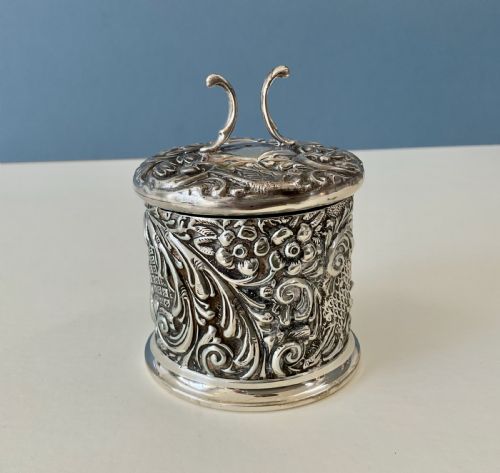
Antique Desk String Dispenser
An antique desk string dispenser keeps twine tidy on a writing table, combining practical utility with fine Victorian and Edwardian craftsmanship.
Antique Desk String Dispenser
An antique desk string dispenser is a utilitarian accessory designed to hold a ball of twine for parcel wrapping and correspondence. These practical items sat upon writing desks in homes and offices throughout the nineteenth and early twentieth centuries.
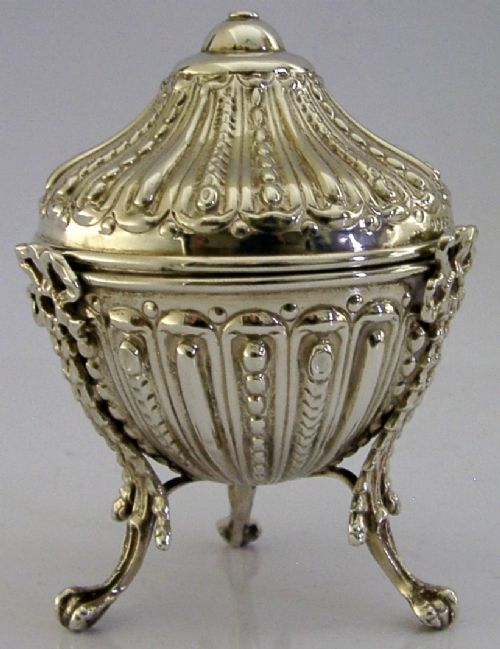
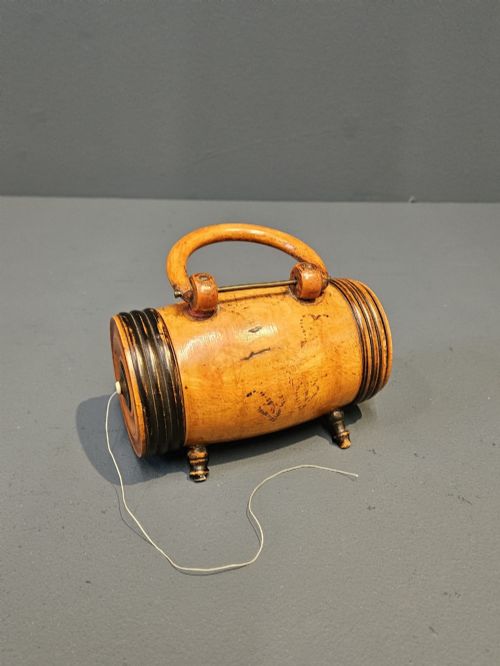
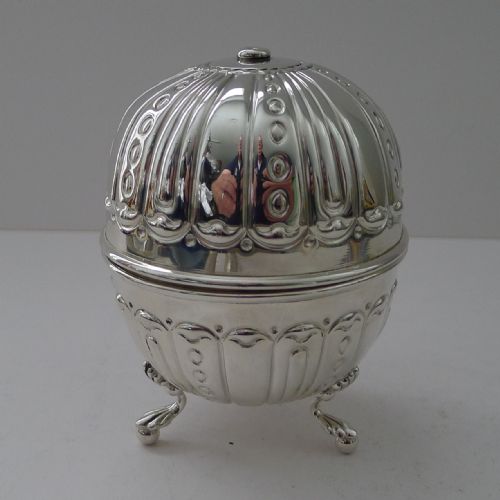
Various configurations exist, including double-ended barrels and beehive shapes, alongside cylindrical jars fitted with metal cutters. Each piece reflects the functional requirements of a period when string was an everyday essential on every desk.
How they were made
Woodworking techniques dominate the construction of these items, with turners shaping hardwoods like sycamore and fruitwood into spherical or barrel profiles on a lathe. Carpenters created tactile treen pieces that relied on the natural grain and polished finish of the timber rather than applied decoration.
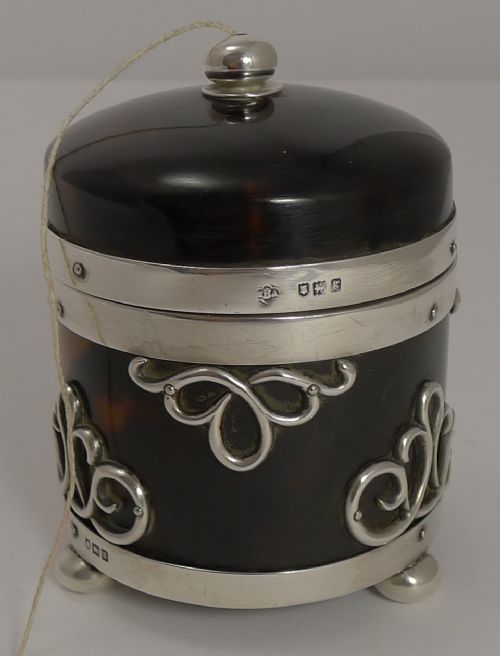
Silversmiths contributed metal elements, mounting sterling silver collars, lids, and ball feet onto glass or turned wooden bodies. These metal components frequently incorporated integrated cutters to cleanly sever the twine during use.
Antique Desk String Dispenser Retail Price Guide 2026
Typical asking prices for desk string dispenser among the pieces listed under this phrase on Sellingantiques today, from the lower quarter to the upper quarter. They describe what is for sale here now, not the wider market.
Materials recorded across the current inventory include sterling silver, sycamore, fruitwood, and Karelian birch.
What varies in quality
The division between standard examples and superior pieces rests on the complexity of the turning and the choice of materials. Finely figured Karelian birch or dense fruitwood with crisp joinery commands greater interest than plain utility items.
The integration of precious metals also alters the character of the object, as fully marked sterling silver mounts or tortoise shell panels elevate a simple desk accessory into a luxury item. Preservation of the original metal cutter and the smooth operation of the lid further distinguish better examples.
Comyns
The Antique Desk String Dispenser Glossary
- Treen
- Small wooden domestic objects made by turning or carving. This material showcases the natural grain and warm patina of historic timbers.
- Fruitwood
- Dense, fine-grained timber sourced from fruit-bearing trees such as apple, pear, or sycamore. Cabinet makers favoured it for small turned desk items.
- Karelian birch
- A distinctively figured timber featuring swirling patterns and dark knots. It originates from Northern Europe and appears on twentieth-century pieces.
- Sterling silver
- An alloy containing ninety-two point five percent silver by mass, with other metals added for durability. Silversmiths used it for hallmarked lids and mounts.
Antique Desk String Dispenser: Frequently Asked Questions
How do you use a string box?
A ball of twine sits inside the wooden or silver container, with the end of the string pulled through a small hole in the lid. A built-in metal cutter allows the user to slice the twine neatly.
Lifts or screw-fitting lids enable easy replacement of the interior string ball once it runs empty.
How do you date a string dispenser?
Dating relies on hallmarks stamped on silver mounts, stylistic cues from periods like Art Deco or Victorian, and the turning style of the wood. Records of makers and registry marks help narrow down the year of manufacture.
Materials such as Karelian birch or tortoiseshell also point towards specific decades around nineteen hundred.
Where were these pieces used?
These dispensers stood on writing desks in Victorian libraries, estate offices, and drawing rooms. They were standard equipment for anyone handling regular correspondence.
Today they sit on modern desks or shelves as decorative reminders of past stationery habits.