


Victorian Silver Sifter Spoon
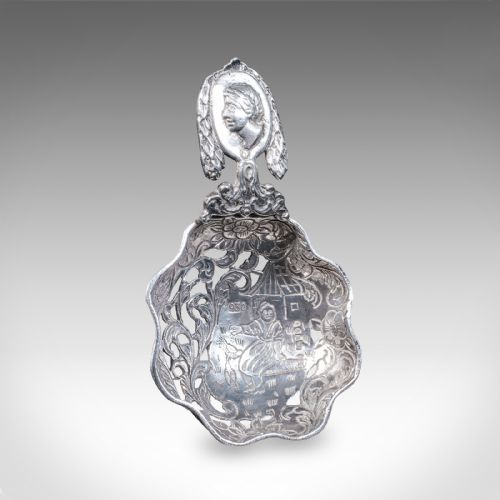
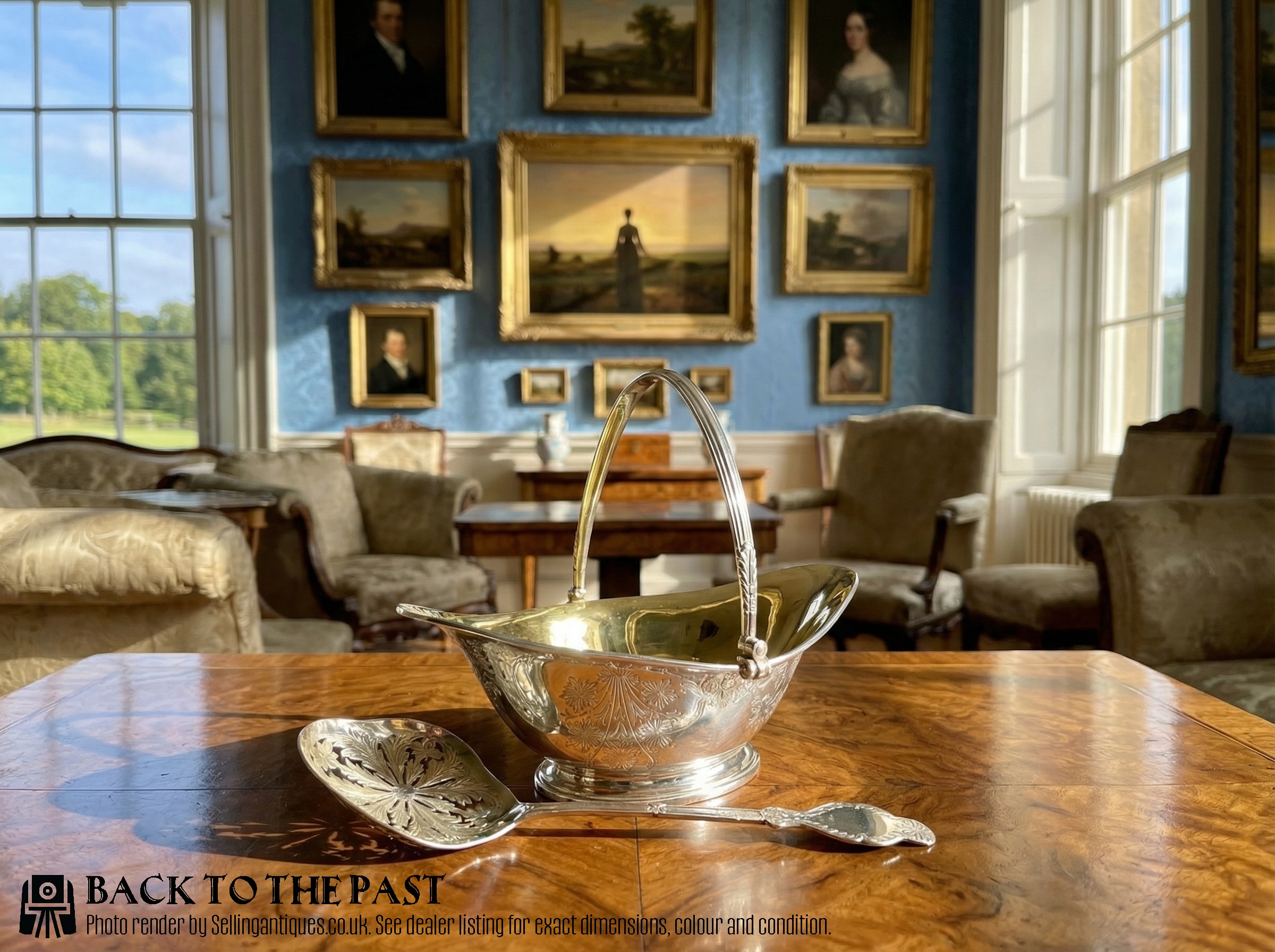
A victorian silver sifter spoon brings pierced bowls and decorative terminals to the tea table, designed to sprinkle powdered sugar over fruit or pastries.
Victorian Silver Sifter Spoon
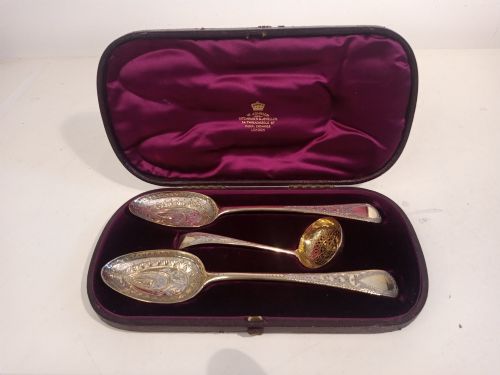
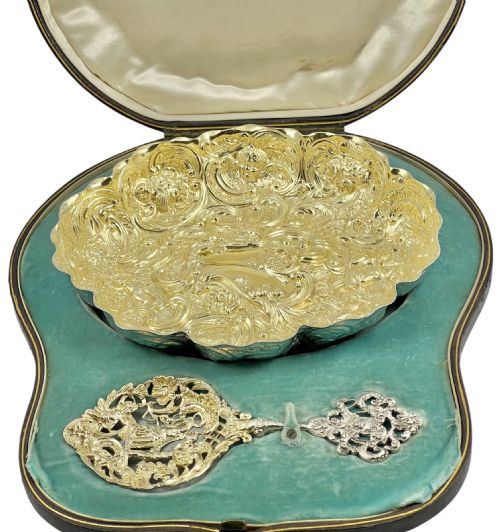
The form combines a traditional serving spoon profile with a pierced or perforated bowl that holds back sugar lumps while letting fine particles pass through. Many examples arrive paired with cranberry glass bowls or velvet-lined presentation boxes containing matching sets.
The majority originate from the Victorian period, spanning standard sterling silver and silver plate. Makers applied decorative patterns such as Fiddle and Thread, Albany, Onslow, and ornate naturalistic motifs to the handles.
How They Were Made
Silversmiths utilised sterling silver and silver plate, often enhancing select pieces with gold gilt washes inside the bowl to protect the metal from acidic sugar and fruit. Handles frequently incorporated cast elements like figural terminals, grapevines, or shell details soldered to the stem.
The bowl piercing required precise hand-sawing or punching to create geometric, floral, or radial patterns that allowed sugar to flow evenly. Workshops employed specialised stamping dies for standard patterns like Fiddle, Thread and Shell, whilst heavier luxury items received hand-chased ornamentation.
Listings feature sterling silver and silver plate examples dated between 1800 and 1901, incorporating fitted cases with velvet and silk linings.
What Varies in Quality
The weight of the metal distinguishes standard production flatware from heavier cast exhibition pieces. Substantial gauge silver resists bending at the neck and provides better balance in the hand during service.
The crispness of the piercing and the depth of the chased design determine the level of craftsmanship. Superior examples feature cleanly articulated motifs and crisp perforations that show no distortion across the bowl.
Chawner and Co·George William Adams·Taylor and Perry·A B Savory and Sons·Martin Hall and Co·Francis Higgins·John Figg
The Victorian Silver Sifter Spoon Glossary
- Sifter spoon
- A serving implement with a perforated bowl used for dusting powdered sugar over food. These pieces date predominantly to the nineteenth century.
- Sterling silver
- An alloy consisting of pure silver and other metals, typically copper, standardised for quality in British manufacture. Most Victorian examples carry hallmarks indicating this standard.
- Silver gilt
- Silver objects coated with a thin layer of gold on the surface. This technique added a rich colour and protected the underlying silver from tarnishing.
- Pierced bowl
- A metal bowl cut through with decorative holes or slots. This feature defines the sifter function.
- Terminal
- The decorative end of a spoon handle. Victorian makers modelled these into figures, crests, and classical patterns.
Victorian Silver Sifter Spoon: Frequently Asked Questions
What is a sifter spoon used for?
These spoons dispense fine castor or powdered sugar over desserts, soft fruits, and pastries during formal dining and tea service. The pierced bowl holds back larger clumps while distributing an even layer.
They emerged as essential accessories alongside Victorian sugar bowls, baskets, and fruit sets. Today they serve decorative functions in modern table settings or complement antique glass bowl collections.
How do I clean antique silver?
Wash the spoon gently in warm water with mild soap, then dry immediately with a soft cloth to protect the finish. Avoid harsh abrasive dips that strip away natural patination.
Store pieces in tarnish-resistant cloth or velvet-lined boxes when not on display. Regular handling helps maintain a natural lustre on sterling silver surfaces.
Why do some spoons have gold inside the bowl?
The golden coating is a gold gilt wash applied to the interior of the silver bowl. This layer protected the reactive silver from corrosion caused by acidic fruits and damp sugar.
Silver gilt interiors add a decorative contrast to the polished exterior metal. This technique appears frequently on higher-end Victorian presentation pieces and cased sets.