




Silver Sugar Basin Set
A silver sugar basin set brings polished elegance to the table, offering matched vessels designed specifically for serving sugar alongside tea.
Silver Sugar Basin Set
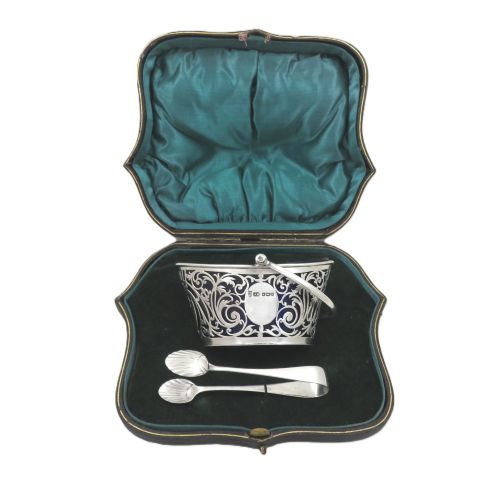
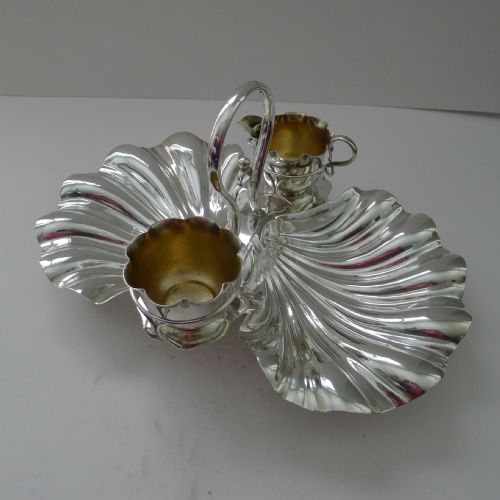
When you search for a silver sugar basin set, you encounter matched groups of tableware intended for the formal serving of tea and associated refreshments. These collections typically comprise a sugar bowl or basket paired with complementary items such as cream jugs, sifter spoons, or sugar tongs.
The versions most commonly met on this page date from the Victorian and Edwardian eras, alongside pieces from the Georgian period. Forms range from open sugar baskets housed in fitted presentation cases to twin pieces combining a sugar bowl with a cream jug.
Originating largely from English workshops, these sets reflect the domestic rituals of nineteenth and early twentieth-century dining. They bridge the gap between practical tableware and decorative display items.
Materials and construction
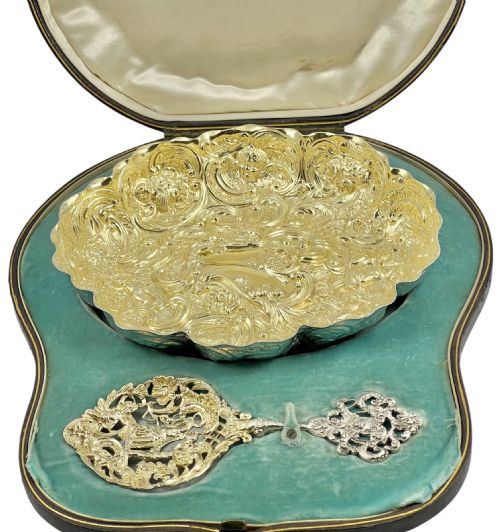
Construction relies heavily on traditional metalworking techniques, utilising sterling silver and silver plate as the primary structural materials. Many examples incorporate interior gilding, known as gold gilt or silver gilt, which protected the metal from the corrosive properties of moist sugar.
Surviving sets frequently demonstrate advanced manufacturing methods of their respective periods, including electroplated nickel silver for later nineteenth-century wares. Presentation sets add another layer of craftsmanship, featuring fitted cases lined with delicate materials like silk and velvet, and secured with leather outer coverings.
Listings feature sterling silver and silver plate alongside luxurious interior linings of silk, velvet, and leather within fitted presentation cases.
Distinctions in quality
Quality in a silver sugar basin set is defined by the weight and gauge of the metal used in the primary vessels, distinguishing solid sterling silver from plated alternatives. The crispness of chased or embossed decorative motifs, such as those found in Victorian Rococo Revival pieces, also indicates superior craftsmanship.
The completeness of the original ensemble influences the character of the set, particularly when fitted presentation cases retain their matched spoons, tongs, or cream jugs in original silk and velvet linings. Maker attribution, such as work originating from established silversmiths like Robert Hennel or Daniel Arter, further distinguishes finer examples.
Daniel Arter·Robert Hennel
The Silver Sugar Basin Set Glossary
- Sterling silver
- An alloy containing a high proportion of pure silver combined with other metals to increase durability while maintaining a bright lustre.
- Silver plate
- A base metal substrate coated with a thin layer of silver, providing the appearance of solid silver at a different scale of production.
- Silver gilt
- Sterling silver that has been coated with a thin layer of gold, frequently applied to the interior bowls of sugar basins to prevent tarnishing from contents.
- Sugar basket
- An open-work or pierced vessel designed to hold sugar lumps, often fitted with a swing handle and resting on a small foot.
- Sifter spoon
- A specialised spoon featuring a pierced bowl, intended for sprinkling loose sugar over fruit or pastries.
Silver Sugar Basin Set: Frequently Asked Questions
What is included in a silver sugar basin set?
These sets typically consist of a central sugar bowl or basket accompanied by matching accessories. Common pairings include cream jugs, sifter spoons, and sugar tongs.
Many period examples also include fitted presentation cases lined in silk and velvet to house the collection securely.
How do I date a silver sugar set?
Dating relies on hallmarks stamped directly into the metal, which indicate the assay office, the year of production, and the silversmith. Stylistic clues, such as Rococo Revival motifs or Edwardian proportions, also help narrow down the period.
Case construction and accompanying documentation further assist in establishing an accurate timeframe.
Were these sets used daily?
While originally created for formal dining and afternoon tea rituals, many cased sets served primarily as presentation pieces or wedding gifts. Consequently, numerous surviving examples retain a high degree of preservation due to sparing use.
Sets intended for everyday household teaware often show signs of careful handling over generations.
How do I care for antique silver?
Maintaining these pieces requires gentle cleaning with dedicated silver polish and soft cloths to preserve the underlying metal and any applied gilding. Avoid abrasive cleaners that can wear away thin silver plate or delicate engraving.
Storing items in tarnish-resistant fabrics or original fitted cases helps protect the surface finish between uses.