
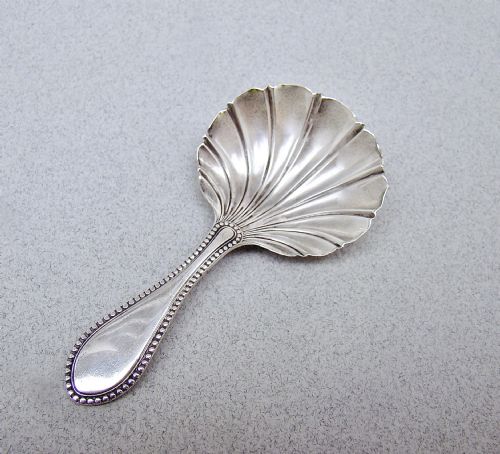


Victorian Silver Tea Bowl
These pieces sold as a victorian silver tea bowl are solid sterling or plated vessels designed for sugar and tea service.
Victorian Silver Tea Bowl
When searching for a victorian silver tea bowl, buyers encounter sugar bowls, baskets, and caddy spoons spanning the Victorian and Edwardian eras. These domestic items formed part of nineteenth-century tea and coffee services, often accompanying cream jugs and tongs.
The inventory on this page shows pieces ranging from the 1860s through to the early twentieth century, taking the form of open bowls, handled baskets, and paired sets. Makers and silversmiths of the period produced these table accessories in both solid sterling silver and silver plate.
While named as bowls, the physical evidence demonstrates a crossover with sugar baskets, caddy spoons, and complete tea services. Buyers are most likely to meet sugar bowls and caddy spoons dating from the 1870s to the 1890s.
How They Were Made
Silversmiths utilised sterling silver and electroplated nickel silver as the primary base materials for these domestic objects. Manufacturing techniques combined traditional hand-working methods with nineteenth-century plating processes to produce durable tableware.
Decorative finishes on these items incorporate foliate engraving and gilt interiors, alongside fitted presentation cases lined with silk and velvet. Specialised spoons feature circular scalloped fluted bowls and rectangular bowls with engraved patterns.
Materials across these listings include sterling silver, silver plate, silk, velvet, leather, and gilt.
What Varies in Quality
The distinction between standard domestic items and finer pieces rests in the weight of the solid silver and the crispness of the chased or engraved decoration. Silversmith work by notable firms displays sharper detail in stylistic revivals such as Victorian Rococo.
Presentation also marks a difference, with cased sets and complete matching tea and cream pairs representing a higher tier of production than individual spoons or single plated vessels.
Martin Hall & Co·Mappin & Webb·George Fox·Robert Hennel
The Victorian Silver Tea Bowl Glossary
- Sterling Silver
- An alloy of silver containing 92.5% by mass of silver and 7.5% by mass of other metals, usually copper. This standard defines the solid silver pieces found in nineteenth-century tableware.
- Silver Plate
- A layer of silver applied to a base metal, such as nickel silver, using electroplating techniques developed during the Victorian period. It offered an accessible alternative to solid silver.
- Caddy Spoon
- A short-handled spoon specifically designed for measuring loose tea leaves from a caddy into a pot. They frequently feature decorative bowls with foliate engraving.
- Sugar Basket
- An open-work or pierced vessel used for holding sugar lumps on the tea table, often fitted with a swing handle and a blue glass liner.
- Gilt
- A thin layer of gold applied to the interior surface of a silver bowl or spoon. This protected the silver from the corrosive properties of foodstuffs.
Victorian Silver Tea Bowl: Frequently Asked Questions
How were silver sugar bowls used?
These vessels sat on the tea table to hold loose sugar lumps or granules before sugar tongs transferred them into the cup.
They formed a central component of nineteenth-century domestic hospitality alongside matching cream jugs and teapots.
What is the difference between solid silver and plated tea items?
Solid silver pieces consist entirely of sterling grade metal bearing hallmarks for purity and origin. Plated items use a base metal core coated with a thin layer of silver.
Both types served the same domestic function in Victorian households but represent different manufacturing costs.
How do I care for antique silver tableware?
Regular gentle cleaning with a specialist silver cloth removes tarnish without abrading the metal surface or wearing away the engraving.
Storing pieces away from damp environments and avoiding harsh chemical dips preserves the original finish.
Can I use these antique bowls daily?
Many buyers choose to incorporate these functional nineteenth-century pieces into modern dining routines for serving sugar or small sweets.
Hand washing without abrasive scourers ensures the silver or plate remains undamaged through regular use.