



Victorian Silver Presentation Case
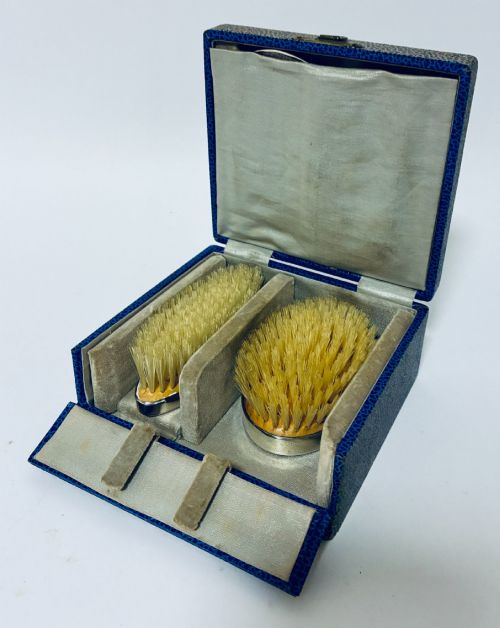
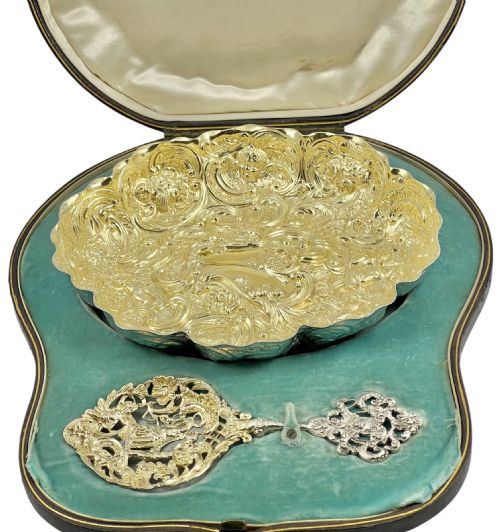
A victorian silver presentation case holds fitted cutlery, card cases or commemorative vessels lined in silk and velvet.
Victorian Silver Presentation Case
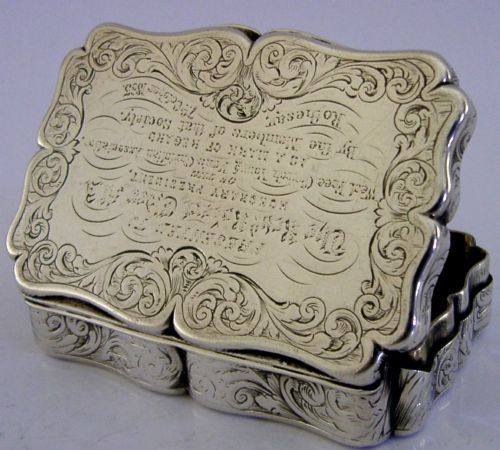
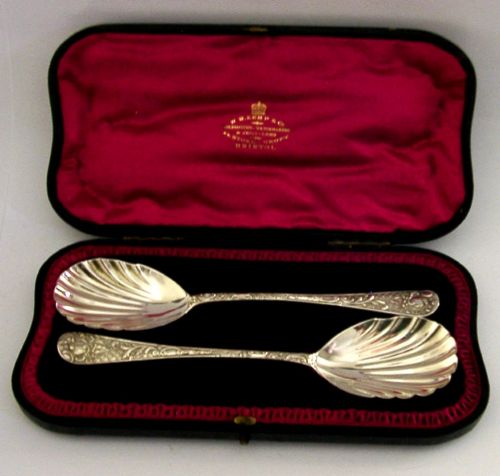
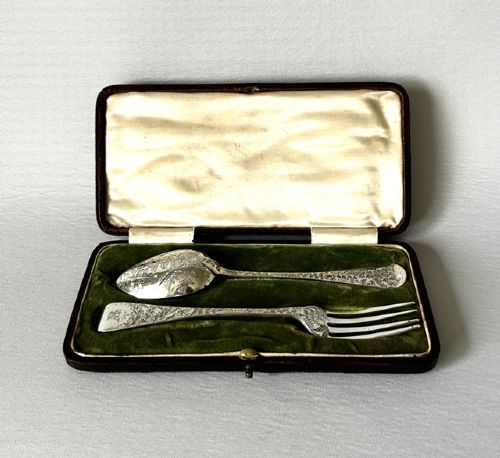
When you examine a victorian silver presentation case, you encounter fitted boxes housing sterling silver flatware, christening sets, sugar bowls and card cases. These objects record nineteenth-century milestones, from church anniversaries to personal christenings.
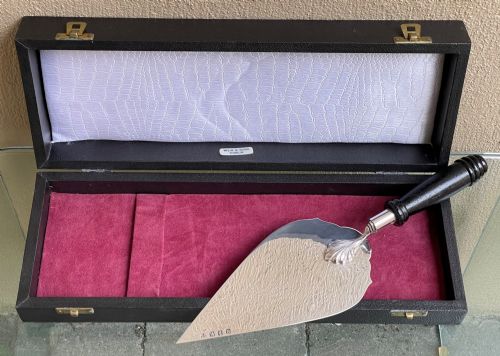
The assortment includes cased pairs of serving spoons, butter knives, fish servers and fruit knives alongside presentation trowels and card cases. The boxes themselves form an integral part of the survival, protecting the precious metal within.
Most examples originate from the Victorian period, though adjacent years up to the mid-twentieth century appear alongside nineteenth-century pieces. You meet boxes containing single items like snuff boxes and card cases as well as elaborate matched sets.
Assessing quality and craftsmanship
The distinction between ordinary and superior pieces rests on the integrity of the fitted case and the weight of the silver within. Finer examples retain their original leather exteriors and unblemished silk or velvet interiors without replacement linings.
Quality shows in the crispness of the hallmarks, the precision of the engraving, and whether the silver components remain entirely matching. Substantial gauge sterling silver and intact hinges elevate an item far above simpler plated alternatives.
The archive and current stock show presentation items ranging from single snuff boxes to multi-piece child christening sets.
Robert Stebbings·JOHN ROUND
The Victorian Silver Presentation Case Glossary
- Sterling silver
- An alloy consisting of 92.5 percent silver by mass, with the remainder composed of copper or other metals. This standard grade appears across the majority of nineteenth-century items.
- Hallmark
- An official mark stamped onto precious metals in Britain to indicate the standard of purity, the assay office, and the date letter. These stamps provide definitive evidence of origin.
- Silver gilt
- Sterling silver that has been coated with a thin layer of gold on its surface. This technique imparts a rich golden warmth to the interior of bowls or spoons.
- Presentation trowel
- A ceremonial tool created to commemorate the laying of a foundation stone or similar civic event. These pieces typically feature engraved dedications and fitted presentation boxes.
- Card case
- A small rigid container designed to hold calling cards during the nineteenth century. They frequently reside in velvet-lined cases alongside other personal accessories.
Victorian Silver Presentation Case: Frequently Asked Questions
What fits inside a presentation case?
These boxes house varied silver items including christening sets, serving spoons, butter knives, card cases and sugar bowls. Each interior contains fitted contours tailored precisely to the specific objects.
Many sets include matching accompaniments such as sifter spoons, sugar tongs or fruit forks designed for formal dining or gift-giving.
How do I identify the date?
Dating relies primarily on the stamped hallmarks found on the silver components, which correspond to specific assay office date letters. The style of the box exterior and the interior fabric also offer clues to the decade of manufacture.
Comparing the typography of any engraved inscriptions to known Victorian styles helps confirm the exact period of the presentation.
Were these made for gifts?
Most of these cased items served as presentation pieces for significant life events, weddings, christenings or civic milestones. Inscriptions on the silver or inside the lid frequently record the original recipient and occasion.
The inclusion of a dedicated presentation box signifies that the object was intended to be given as a notable token of esteem.
How should I clean the case?
The exterior leather requires gentle dusting and occasional conditioning with appropriate conservation wax, avoiding harsh modern chemical cleaners. The delicate silk and velvet linings should be kept dry and protected from direct sunlight to prevent fading.
Silver components inside can be lifted out carefully for separate polishing with a specialist cloth, keeping moisture away from the antique fabric beds.